How Colour Psychology Influences Everyday Wellbeing

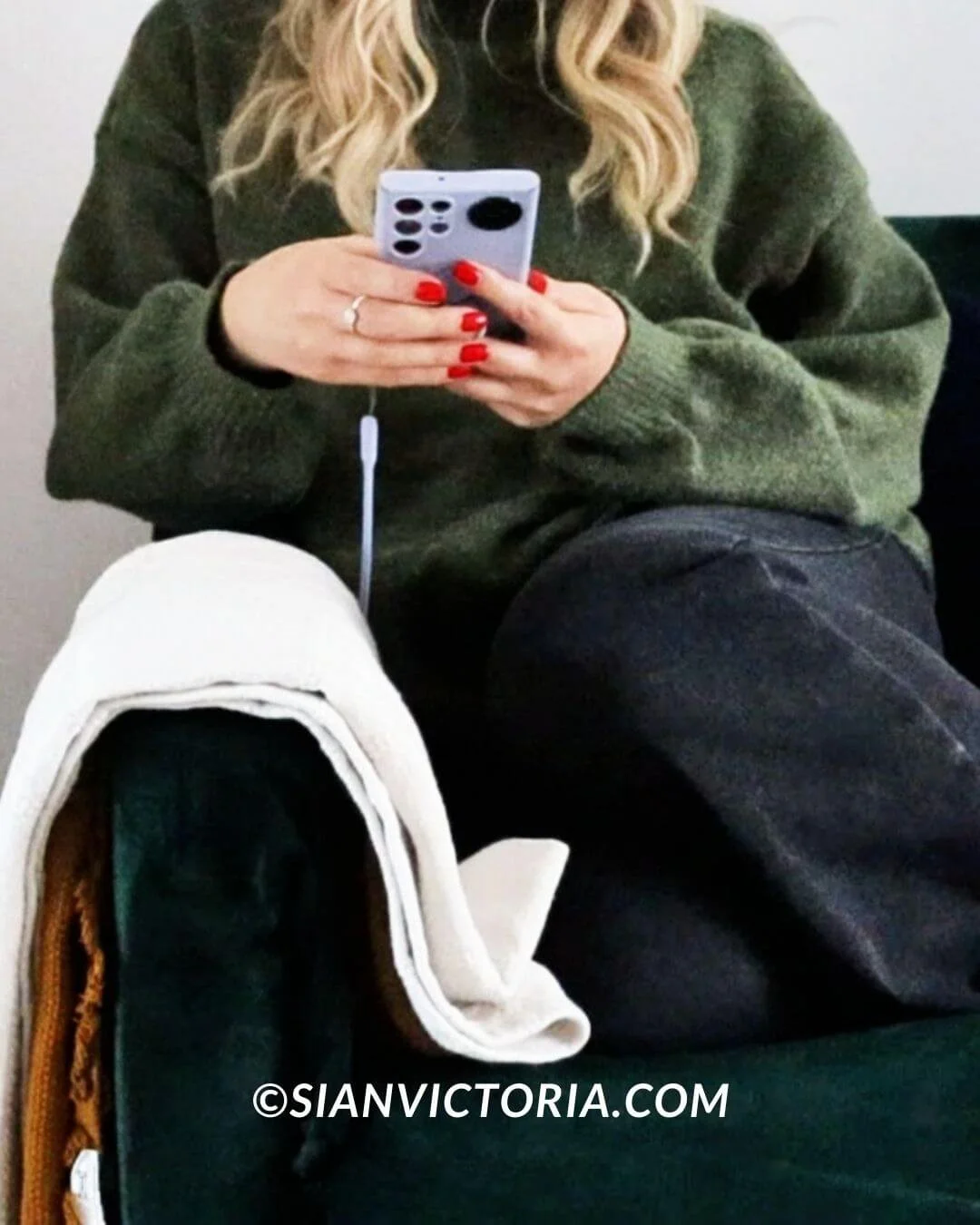
Sian Victoria © - Collection of red clothing
Did you know that about 80% of the information you process comes through your eyes? Your brain constantly processes shape, contrast, motion, and color, but the latter plays a pretty unique role.
Color isn’t just decorative - it can actually convey information, albeit in a nonverbal way. In that way, it functions more like a language, one that your brain is wired to understand instantly, whether you’re aware of it or not.
So no, color theory isn’t just something interior designers talk about. It’s highly practical. Think about it: red doesn’t just look different from blue - it feels different.
In fact, certain colors can raise your heart rate, increase alertness, or make you feel calm. And because that happens constantly, all day, everywhere you go, color has an ongoing influence on how you feel, focus, behave, and even how you see yourself.
What Color Actually Does to Your Brain
Have you ever walked into a room and felt overstimulated? Or, alternatively, almost instantly relaxed? It was probably due to the color of the room (and clutter or the absence of it, but that’s a topic for another blog post). This is because different colors activate different parts of your nervous system.
For example, blue can help you stay focused, while red boosts alertness, sometimes to the point of triggering stress. Yellow, on the other hand, tends to feel optimistic. But none of this happens in a vacuum: it depends on how the color is used and what else is around it.
Psychologists and neuroscientists have been studying this for years. According to research, certain colors can activate specific emotional responses. Cold tones like blue tend to encourage feelings of trust and calm. And warm colors like red and orange are linked to stimulation and urgency (that’s why you’ll find red in fast food branding!).
But the point is, your brain is constantly interpreting color as part of your surroundings. And when those signals align or clash with the task at hand - say, trying to focus in a bright red room - you’ll feel it. Probably not consciously, but your productivity, stress level, and even decision-making process will change.

Sian Victoria © - Dining room with calming yellow walls
Productivity, Relaxation, and Color Choice at Home
If you work from home, we highly recommend looking into color psychology because colors in your space can either help make you more productive or actually distract you.
Cooler colors like soft blues and greens tend to support concentration and reduce anxiety, while pale greys and taupes can help create mental “quiet,” allowing you to zone in without too much visual noise. Overly saturated or warm colors in workspaces, on the other hand, can create low-level stress or even visual fatigue.
Mind you, this doesn’t mean everything in your home office has to be washed out or dull. It’s more about knowing where to place energizing vs calming tones. A bright pop of color in the periphery? Fine. Neon orange on all four walls? You’ll probably start pacing during Zoom calls.
The same logic applies to relaxation. In your living space or bedroom, colors should support a sense of ease; that is, unless you like going to bed wired. Cooler and desaturated hues, like muted greens, soft lavenders, and deeper blues, are a great choice because they tend to lower heart rate and blood pressure.
Creativity, Style, and Color Interaction
If you’re working in a creative field (or just want to stop mentally flatlining during daily tasks), you can actually use color to jumpstart originality. Rich colors and contrast combinations are ideal for this.
For example, yellow is often touted as the “creativity” color for a reason: studies have found that it can promote optimism and mental clarity. But, again, the bigger factor may be contrast and variety because you’re more likely to generate new ideas when you’re exposed to novel combinations and engaging environments.
What about style?
Here, too, color plays a huge role as it can change how people see you (and how you see yourself).
That’s the whole idea behind seasonal color analysis. If you haven’t gone through the process before, here’s the short version: your skin undertone, eye color, and hair color create a unique harmony. When you wear clothes that echo that natural palette - your “season” - your complexion looks clearer, your eyes brighter, and your features more balanced.
If you're curious about seasonal colour analysis services, there are some great options out there that can help you figure it all out. They take a look at your natural colouring to create a personalised palette just for you, along with some tips to keep your look fresh for the long haul. It's a fun way to enhance your style and feel great, all while keeping things natural and true to you!

Sian Victoria © - Bedroom with cosy warm green panelled walls
Color in Everyday Decision-Making
The average person makes dozens of color-based decisions every day: like what to wear, how to design a space, what apps look appealing enough to click on, etc. Those decisions often happen fast and unconsciously, but it’s good to be aware of colors’ potential effect on your mood and psyche.
For instance, there’s a reason you’re more likely to trust a brand in navy or royal blue than in neon green (we associate blue with trust and security). And the same logic applies to how you respond to rooms, clothing, or even packaging.
Whether you’re aware of it or not, your brain associates certain colors with safety, energy, calm, or caution, and those associations influence what you choose and how you feel about those choices afterward.
So, when you learn to use color intentionally, it can become a part of your toolkit, one you can use to build a home that supports your mind, a wardrobe that makes you feel good, and a routine that aligns with how you want to move through the world.