11 Tips for an Easier Funeral Planning Process

Sian Victoria © - Sunset on Perranporth beach, Cornwall
Guide to Funeral Planning: Everything You Need to Know
Arranging a funeral can seem like a huge responsibility, especially when you're coping with the loss of someone dear to you. The emotional toll of saying goodbye can make even the smallest choices seem overwhelming. Yet, with some preparation and a solid grasp of what to do, you can get through this challenging time more efficiently.
This guide offers essential tips for funeral planning. It's all about honouring your loved one’s memory while ensuring that your choices align with their wishes and your family’s needs. From selecting the proper location to putting individual touches into the memorial, these insights will empower you to face this difficult time more clearly and firmly.
Remember, arranging a funeral isn't solely about the logistics; it's also a heartfelt celebration of a life lived, a chance to come together with family and friends for emotional support.
1. Establishing a Budget
Setting a budget is a necessary step when planning a funeral. Since costs can vary widely based on your choices, having a set budget can guide your decisions. It’s a good idea to sit down with family members to discuss how much everyone can contribute.
Make sure to factor in all potential expenses, such as the fees charged by the funeral director, the venue, floral arrangements, transportation, and catering. Don’t forget the smaller items either—service programs, death certificates, and obituary notices can add up.
Getting itemised quotes from several funeral directors can be very helpful for comparing prices and services. It's also important to ask about any extra fees that might come up. Some families choose prepaid funeral plans to ease financial stress down the road, so if you’re considering that option, make sure you know what it entails.
While honouring your loved one is vital, staying within your budget is just as important. Many ways exist to create a meaningful and respectful service without putting yourself into debt. Establishing a clear budget early in the process will help you make informed choices and ensure everything feels suitable for you and your family.

Sian Victoria © - Bouquet of flowers
2. Choosing a Funeral Director
Finding the right funeral director is essential in organising a significant farewell for the person you care about. This choice can significantly ease the process during such a challenging time. Start by contacting friends, family, or community leaders for suggestions. Hearing about their stories gives you a clearer sense of what to expect regarding service quality.
When you meet potential funeral directors, don't hesitate to ask about their background and the services they provide. Some might have specialities that cater specifically to your needs or preferences. It’s also important to discuss how they can personalise the service, as this can significantly honour your loved one’s life and wishes.
Be sure to discuss costs upfront. A transparent price list will help you understand what’s included in their services, avoiding any surprise expenses later. Pay attention to their availability and willingness to answer your questions, as a good funeral director should be approachable and responsive to your concerns.
Lastly, trust your gut feeling. Building rapport with the funeral director is essential. You want someone compassionate and respectful—someone you feel comfortable turning to during this emotional journey.
3. Deciding on Burial or Cremation
Choosing between burial and cremation is a deeply personal journey that varies from person to person. It can hinge on factors like your faith, personal beliefs, and financial situation.
Burial is the more traditional route, involving placing a loved one in a cemetery. This option provides a special place for family and friends to visit, often marked by a headstone or memorial. However, it might come with a high price tag. Costs can add up quickly with the burial plot, casket, and ongoing maintenance that cemeteries require.
Cremation, in contrast, entails turning the body into ashes. These ashes can be kept in a decorative urn, scattered in a noteworthy spot, or buried. Many families find this option less expensive and more flexible regarding how they honour their loved ones. Some may prefer to keep the ashes at home or find a special place outdoors where they can feel connected to them.
It's a good idea to open a dialogue with your family about these options so everyone’s feelings and wishes are considered. Consultation with a funeral director can also be advantageous; they can provide valuable insights regarding the processes, costs, and legalities for burial and cremation.
Ultimately, whether you settle on burial or cremation, the goal is to make a choice that aligns with the values and wishes of your loved one while also thoughtfully considering the emotional and financial impact on those left behind.

Sian Victoria © - Yellow flowers
4. Selecting a Venue
Finding the right funeral venue is ideal, as it sets the overall atmosphere for the day. Whether you prefer a traditional funeral home, a church, or a unique spot with special meaning for your loved one, the location should reflect who they were. Consider how many people are likely to attend and ensure enough space for everyone to feel comfortable.
Convenience is also crucial; the venue should be easy to get to, especially for guests who may have mobility challenges. For those looking for something different, outdoor locations like gardens or parks can provide a peaceful and natural backdrop. Some families even hold the service at home for a more intimate feel.
As you look for a venue, inquire about the available facilities, such as seating, sound systems, and parking options. It’s also wise to check for any restrictions, such as time limits or decoration guidelines.
Don’t hesitate to contact your funeral director for advice; they can offer valuable recommendations based on your needs. In the end, the venue should be a warm and respectful place for family and friends to gather, share memories, and honour the life of your loved one.
5. Personalising the Service
Crafting a personalised service is a beautiful way to honour your loved one, making it a truly memorable tribute that reflects their unique life and character. Think about what mattered most to them—whether it was their favourite music, hobbies, or significant achievements. Including these elements enriches the service and connects with everyone attending more profoundly.
Music can be compelling in stirring up fond memories. Select songs your loved one cherished or tunes that resonate with family memories. Whether through live performances or their favourite recordings, the right music can add a special touch. Visual tributes like photo slideshows or video montages can also be incredibly moving—showcasing treasured photos and heartfelt memorial keepsakes can vividly narrate your loved one’s journey.
Consider adding personalised readings, including heartfelt poems, passages from cherished books, or even personal letters. These can offer comfort and a sense of intimacy during the service. Encourage relatives and friends to share their recollections and tales. This can foster a warm, communal feeling, bringing everyone together in shared remembrance.
If your loved one was enthusiastic about a particular subject or charity, consider incorporating an opportunity for donations at the service. This pays tribute to their legacy and supports something close to their heart. By personalising the service in these meaningful ways, you can create a farewell that resonates with love and remembrance.
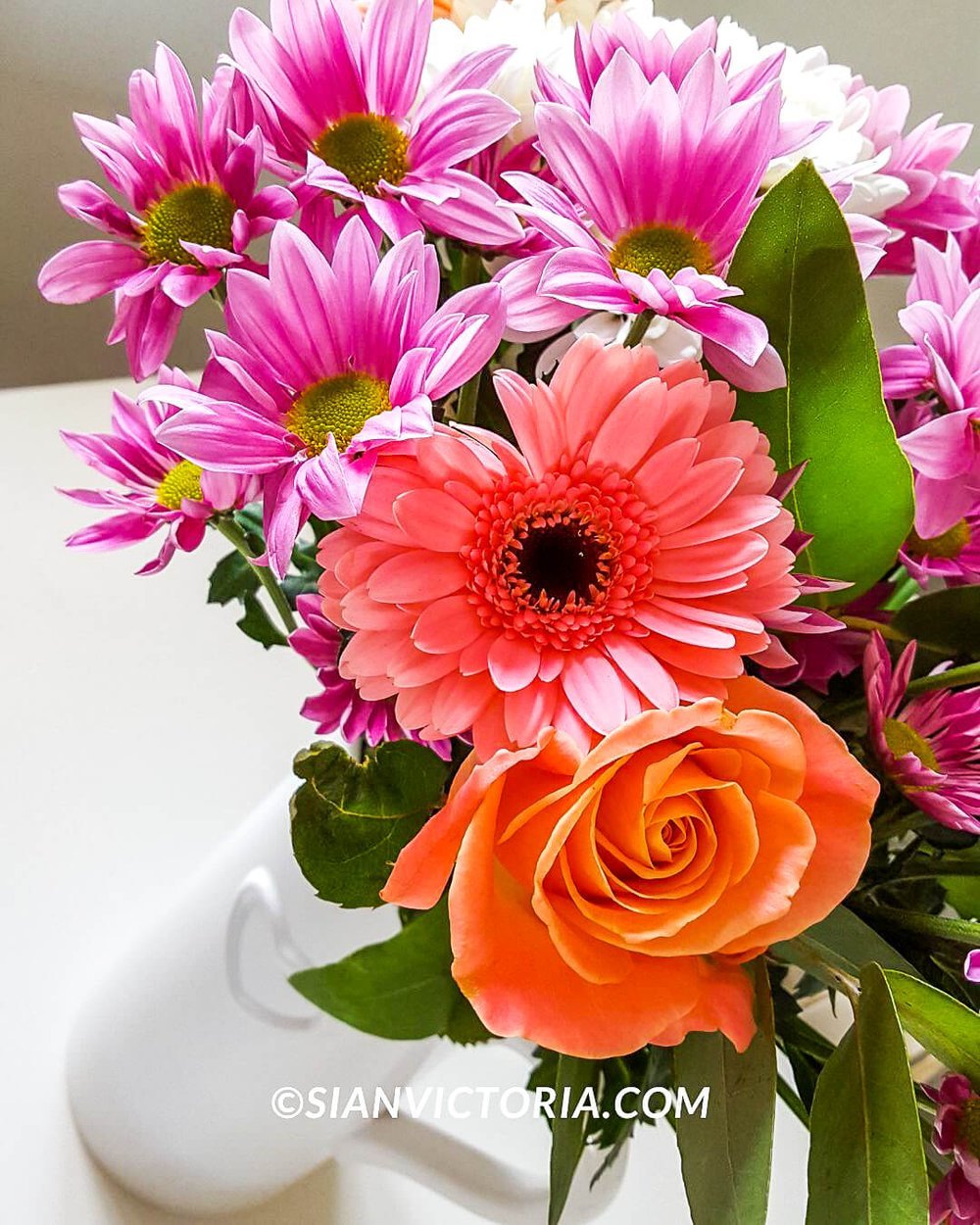
Sian Victoria © - Bouquet of flowers
6. Managing Legalities and Paperwork
Handling the legal aspects and paperwork while planning a funeral can seem confusing, but breaking it down into small steps can help lighten the strain.
First and foremost, you'll need to acquire the death certificate from the attending physician or the hospital. This document is critical—it’s required for several essential tasks, like closing bank accounts and filing life insurance claims.
Once you have that, it's essential to inform the local registrar to officially register the death. This process is critical for obtaining necessary documents that may be needed for probate or settling the deceased’s estate. If there’s a will, reach out to the executor so they can begin the process of distributing assets according to the individual’s wishes.
Don’t forget to notify the relevant government departments, such as HM Revenue and Customs, to handle any tax matters. You should also contact the Department for Work and Pensions to halt any social security or pension payments and to explore options for any survivor benefits that may be available.
Some tasks, like cancelling utilities and subscriptions, can be time-sensitive, so prioritising those is wise. Keeping organised records of all documents and communications will be helpful for future reference. While it might seem like a lot to manage right now, tackling each step as it comes can make the entire process more straightforward.
8. Arranging Transportation
Planning transportation for a funeral can be delicate, but it’s essential for creating a smooth experience for everyone involved. The funeral director usually handles the transport for the deceased. They’ll arrange for a hearse, a vehicle specifically designed for this purpose, to carry the coffin to the venue and then to the burial or cremation site.
Next, consider the family and close friends who might need rides to and from the service. Hiring a limousine or a private car service can offer much-needed comfort during this difficult time. If you’re expecting a larger gathering, setting up shuttle services or providing details about local public transport options and parking might be beneficial to ease any transportation woes.
If the funeral involves multiple locations—like a service at a church followed by a burial at a cemetery—it can be meaningful to organise a procession. This allows attendees to travel together, creating a sense of unity. Be sure to inform everyone about the route and any details they need to remember so the journey flows smoothly.
It’s also important to consider the needs of elderly guests or those with mobility challenges. Arranging accessible transportation is crucial to ensure everyone can attend without hardship. Ultimately, clear communication is critical. Keeping everyone in the loop helps prevent last-minute confusion, ensuring all guests arrive on time and receive the respect and care they deserve.

Sian Victoria © - Sunset in Salou
9. Organising Catering and Refreshments
Food and drink can bring comfort and connection during a funeral, gathering loved ones and honouring the deceased. When planning the catering, it’s essential to keep your guests’ tastes and dietary needs in mind. You could choose a traditional sit-down meal, a buffet that encourages mingling, or something simpler, like an assortment of tea, coffee, and sandwiches. It could be helpful to chat with local caterers or the venue to create a menu that feels right for the occasion.
Consider including your loved one’s favourite dishes or cherished family recipes to add a personal touch. This can evoke fond memories and create a sense of warmth. Additionally, it’s crucial to accommodate various dietary preferences, like vegetarian, vegan, or gluten-free options, so everyone feels welcome and included.
For a more intimate setting, hosting the reception at home can foster a cosy vibe. You might consider asking close friends or family to contribute their dishes, which can bring a sense of community and support to the gathering. Ensure ample seating and space for guests to chat and reminisce comfortably. Whether you lean towards something formal or relaxed, thoughtful catering can make the occasion a heartfelt tribute that resonates with everyone involved.
10. Communicating with Family and Friends
When informing family and friends about funeral arrangements, it's essential to approach it carefully and clearly. Start by making a list of everyone who should be informed. Use different ways of reaching out, like phone calls, emails, and social media, to ensure everyone gets the news. You might even want to send out printed invitations or announcement cards for a more personal touch.
When you share the details, include the service's date, time, and location. Remember any special requests, like a dress code or suggestions for charitable donations instead of flowers. Providing directions or a map link can be helpful, too.
Consider setting up a memorial website or creating a social media group so everyone can share photos to look back on. This can be a great space for sharing information and memories, allowing people to leave supportive messages and reflect together during this challenging time.
Lastly, it’s a good idea to designate a point of contact for any questions. Whether you, a close family member, or the funeral director, having someone available for inquiries can make a big difference. Thoughtful and clear communication will help everyone feel involved and cared for as they navigate this difficult period.
11. Planning for After the Service
When the funeral service has concluded, thinking about what comes next is essential, as this can help ease the transition. One meaningful way to do this is by organising a wake or reception. This gathering can provide a warm space for family and friends to unite, support one another, and share cherished memories. Whether held at someone’s home, a community hall, or a cosy venue, having good food and a pleasant environment can make a tremendous difference during this time.
You might also consider sending out flowers or memorial cards to attendees as a small gesture of thanks for their support. Taking the time to express gratitude, perhaps through thank-you notes or messages, can go a long way in acknowledging the comfort others have provided.
Honouring those requests is suitable if your loved one has specific wishes for their belongings or preferred charities. This could mean distributing cherished items among family members or donating to a charity close to their heart.
Don’t forget about the practical side of things, either. Some necessary administrative duties may include updating legal documents or managing the deceased’s social media accounts. Tackling these tasks can be a way to honour their memory and bring closure to the experience.
Lastly, reaching out for support from family, friends, or a counsellor can be beneficial. Taking thoughtful steps during this time can cultivate peace and continuity after the service, reminding us that we’re not alone in this journey.
To conclude
Funeral planning is challenging but also a significant occasion to reflect and celebrate the life of someone you love. Begin by determining a suitable budget, then choose the right funeral director who understands your needs. Consider whether you prefer burial or cremation, which can influence many decisions.
Selecting an appropriate venue is crucial, and adding personal touches to the service can make it even more special. Don’t forget about the legal aspects that come into play; if you're prepared, they're one less thing to stress over.
Regarding logistics, arranging transportation and coordinating catering can make a big difference on the day. Keeping communication open with family and friends can help everyone feel included and supported.
*SHOP THE POST
Planning a funeral can be daunting, but having the right resources can make the process smoother. Firstly, consider a comprehensive funeral planning guidebook, offering valuable insights and checklists to ensure no detail is overlooked. A tasteful guest book is a thoughtful addition, allowing attendees to share memories and messages of support. For those crafting heartfelt tributes, a photo frame is ideal for displaying cherished memories during the service. Enhance the atmosphere with elegant candle holders, providing a comforting and serene environment. Finally, a beautiful sympathy card set lets you express gratitude and appreciation to those offering condolences. Each of these items can help you create a meaningful and memorable farewell.


