13 Essential Steps to Setting Up an Online Ecommerce Store

Sian Victoria © - Me in photography studio with rail of vintage clothes
Guide to E-commerce: How to Start a Successful Online Store
Starting an online business has become a popular and lucrative venture in recent years. With advancing technology and our increasing reliance on the Internet for daily tasks, e-commerce has experienced significant growth and success.
Many are drawn to the digital market, but to truly succeed, you need more than just a website and great products. You need a solid online presence. This is not just a requirement; it's a necessity that demands careful planning, strategy, and a deep understanding of digital marketing. It's not just about selling; it's about engaging with your audience and building a brand.
With a unique blend of practical experience and academic qualifications, I am well-equipped to guide you in your e-commerce journey. In 2010, at the age of 19, I founded an online vintage store, leveraging various marketplaces to sell reworked products. My educational background includes BA and MA degrees in marketing, advertising, public relations, and entrepreneurship and business management certifications.
With 14 years of full-time online business experience, I will discuss the steps you need to take to start an e-commerce shop and how to position yourself for success in the competitive online market.
1. Identifying Your E-Commerce Niche
One of the most thrilling yet challenging stages of launching an e-commerce business is narrowing your niche. The digital landscape is vast; finding your unique spot is like searching for a treasure chest without a map. But don't worry; with a sprinkle of creativity and a dash of market research, you can pick a niche that resonates with you and promises potential for growth and success.
When I first delved into the e-commerce world, I was overwhelmed by many options. I found clarity only when I took a step back and evaluated my passions and expertise. Do you have a hobby that you can talk about for hours on end? Is there a gap in the market that you've personally encountered? These personal insights can be the compass that guides you to your e-commerce niche.
Conducting keyword research and analysing trends on social media can also provide valuable insights. Tools like Google Trends or even scrolling through hashtags related to your areas of interest on platforms like Instagram and Pinterest can reveal what potential customers are buzzing about. It’s not just about what you love; it’s also about what others are looking for.
Let’s not forget the importance of viability. Your niche should spark joy and have a target audience willing to open their wallets. A glance at successful e-commerce businesses shows a pattern: they solve a problem or fulfil a specific need for their target market. Whether it's eco-friendly home goods or niche pet products, ensuring there’s a demand is crucial.
Identifying your e-commerce niche combines personal passion, market demand, and strategic research. It's the first step in creating a business that stands out in the digital marketplace and fulfils you personally.

Sian Victoria © - Rail of re-worked denim shorts in photography studio
2. Creating a Solid Business Plan
Establishing an e-commerce business can feel like navigating uncharted waters. Having ventured into this territory, I understand the importance of having a strong business plan as your guide. A solid business plan is not just a formality; it evolves with your venture, helping you to stay focused and on track during challenging times.
First, define your business objectives for the short and long term. This vision will guide every decision, from marketing strategy to financial planning. Next, conduct a market analysis to understand your market and competition. Knowing your potential customers' needs is crucial for success.
Financial planning is essential for your e-commerce business. It involves forecasting your journey, anticipating costs, and setting realistic revenue targets. Underestimating expenses or overestimating sales can lead to challenges down the line.
Your business plan is a roadmap for your journey and a pitch to potential investors. It should convey your passion, vision, and strategic steps to achieve your business goals. A well-crafted business plan paves the way for your e-commerce venture's success and attracts the proper support and resources to your endeavour.
3. Deciding on Your E-Commerce Business Model
The e-commerce landscape can often feel like exploring a dense jungle, with each path leading to a different outcome. Deciding on your e-commerce business model is like choosing your path through this jungle, a decision that could dictate the pace and direction of your journey. When I embarked on this adventure, I faced countless options, each with its challenges and rewards. It's a decision that should not be taken lightly.
At its core, the business model you choose will shape everything from your operational strategy to how you interact with your customers. Several models include dropshipping, wholesaling, white labelling, and subscription services.
Each model has its nuances and requires a different approach. For instance, dropshipping allows you to sell products without holding inventory, a concept that greatly appealed to me in the early days due to its low upfront costs. However, it also meant relinquishing control over shipping times and product quality, which could significantly impact customer satisfaction.
In contrast, a subscription model appealed to me because it offered predictable, recurring revenue. Yet, it demanded a deep understanding of my target market and the ability to continuously provide value that would keep subscribers engaged month after month.
The decision was not easy, but through thorough research and trial and error, I found that storing the physical products I bought wholesale and handling the dispatch myself was my preferred model as it aligned with my goals and resources.
My journey taught me that there is no one-size-fits-all solution. Your choice must be informed by your market research, personal strengths, and the level of control you wish to maintain over your supply chain. Remember, the beauty of e-commerce lies in its flexibility. Don't be afraid to pivot if you find a model that suits your evolving business better.
4. Picking a Single Vendor or a Multi-Vendor Marketplace
Choosing between operating as a single vendor or joining a multivendor marketplace platform is akin to deciding whether to set up a boutique shop or a stall in a bustling market. Both options have their appeal and challenges, and my experience in the e-commerce world has led me to explore both routes.
When I first delved into e-commerce, I was drawn to being a single vendor. It felt like having my own carefully curated corner of the internet where every detail reflected my vision. The autonomy to choose what to sell, how to present it, and the personal connection with my customers was incredibly appealing.
However, I soon realised that with great control comes great responsibility. I had to focus on attracting traffic, managing inventory, and handling all customer inquiries, which, while rewarding, presented significant challenges.
On the other hand, venturing into a multivendor marketplace platform opened a new world of possibilities. The instant access to a more extensive customer base was exhilarating. Suddenly, my products were among many options, both an opportunity and a challenge.
Standing out required more than just offering quality products; it demanded strategic marketing and competitive pricing. Yet, the collaborative atmosphere shared marketing efforts, and the buzz of a thriving community provided a sense of belonging and excitement that a solo venture couldn’t match.
Each pathway has taught me valuable lessons. Opting for a single-vendor approach offers brand autonomy and a deeper connection with customers but requires significant marketing and operational efforts. Meanwhile, embracing a multivendor marketplace platform means tapping into an established audience, facing intense competition, and adhering to platform guidelines.
Making this decision isn’t easy; what works for one business might not work for another. It's about weighing the pros and cons in the context of your goals, resources, and the kind of relationship you would like to build with your customers. Experimenting with both models was a journey of discovery, teaching me about the market, my business, and myself.
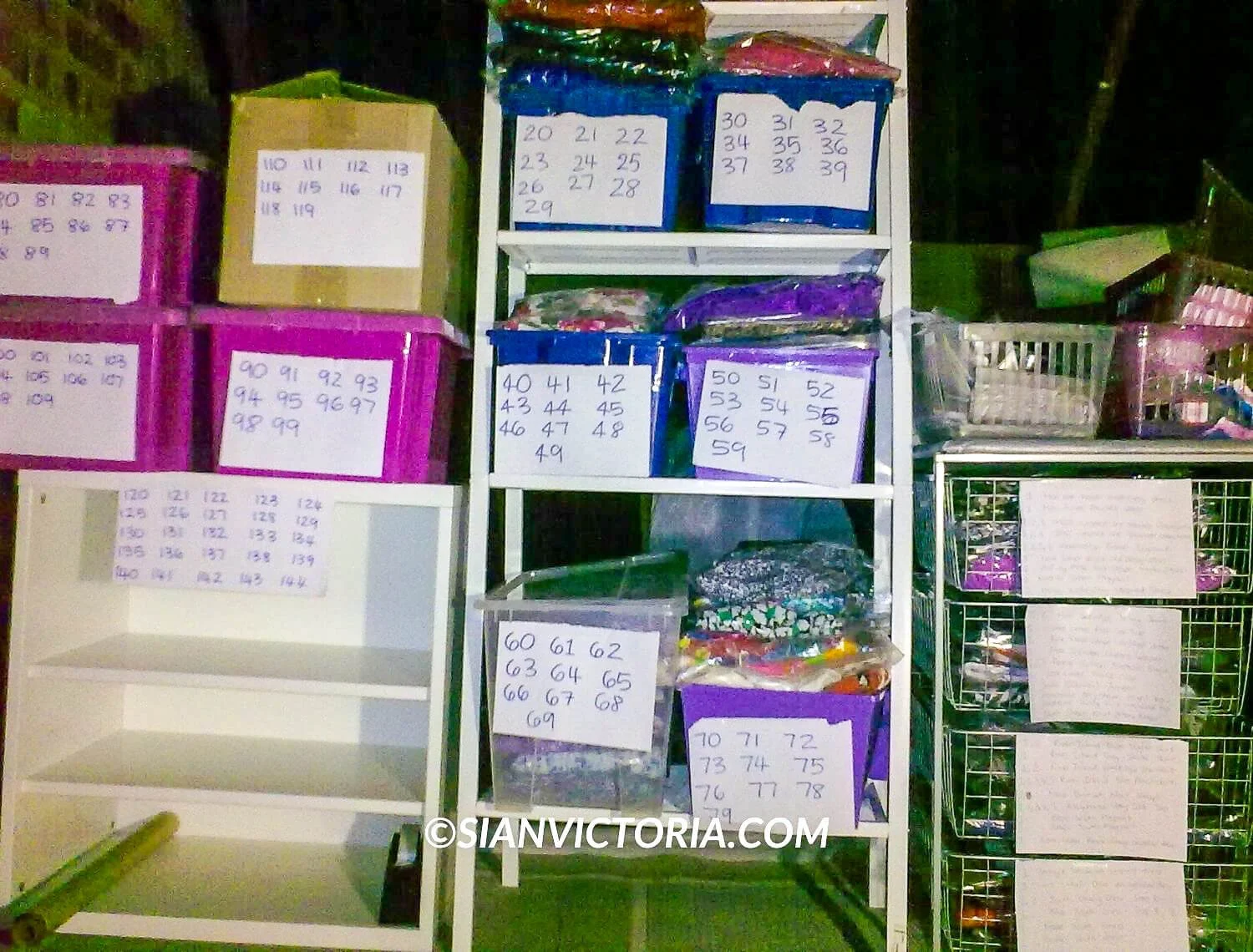
Sian Victoria © - Early years with vintage stock organised in loft
5. Setting Up Your Online Store
The first step is setting up your online store to display your products in a way that perfectly aligns with your brand identity. This experience can be both thrilling and daunting. From my journey, the initial excitement of creating an online space that reflects your brand’s ethos and showcases your products is unmatched. However, the subsequent steps that transform this digital canvas into a fully functioning e-commerce store truly test your grit and creativity.
The first step is to select the right e-commerce platform, which can feel like navigating a labyrinth due to the abundance of options. My advice? Prioritise ease of use, scalability, and integration capabilities. I learned that a growing platform with your business is worth the investment. So, choose an e-commerce platform that continues to develop as technology advances, such as having built-in AI to simplify tasks.
Designing your store is where your brand comes to life. I was fixated on aesthetics in the early days, spending hours choosing the perfect colour scheme and layout that I thought represented my brand. Yet, user experience should be at the forefront. A clutter-free, intuitive design mirrors professionalism and eases your customers' journey from browsing to checkout. Incorporating high-quality images and ensuring your site is mobile-responsive are essential in today’s mobile-first world.
Setting up payment gateways was another area where I found myself out of my depth. Realising that offering various secure payment options could significantly enhance customer trust and improve conversion rates was a game-changer. Therefore, integrating reliable payment solutions that cater to your target audience’s preferences is imperative.
Each step in building your online store is a learning curve. Mistakes were made, and lessons were learned, but seeing your digital storefront welcome visitors from around the globe is gratifying. For this reason, your objective should be to create a seamless shopping journey that entices customers to return repeatedly.
6. Crafting a Customer-Centric Marketing Strategy
Creating a customer-centric marketing strategy made all the difference for me. It involved shifting my focus from seeing my products through my perspective to understanding and meeting my future customers' needs. I mistakenly assumed I knew what my customers wanted based on my preferences. It wasn’t until I actively listened through social media interactions, customer feedback, and surveys that I realised the importance of tailoring my approach to their preferences.
A customer-centric strategy involves a delicate balance of personalisation and practicality. Personalisation isn't just about addressing customers by name in emails; it's about creating content and promotions that resonate with their interests and purchasing habits. Using data analytics to segment the email list can allow for more targeted and relevant communications, vastly improving engagement rates.
This strategy goes beyond marketing communications and encompasses every customer touchpoint with the brand, from initial discovery to post-purchase support. It means creating an intuitive and hassle-free online shopping experience, offering prompt and empathetic customer service, and continually collecting feedback to improve offerings.
Crafting a customer-centric marketing strategy is not a one-off task but a continuous cycle of listening, implementing, measuring, and refining. Staying attuned to changes in the digital realm and consumers' evolving needs and expectations and being willing to adapt your strategy accordingly can set your e-commerce business apart in a crowded online marketplace.

Sian Victoria © - Mannequin and rail of vintage dresses in photography studio
7. Taking Product Photography
There's more to product photography than just snapping images. It is an art form that captures your product in the most authentic and relatable way and presents it to the world. I mistakenly believed that my smartphone and a well-lit room would be sufficient. However, I soon realised that attractive product photography demands more skill and creativity.
My journey began with understanding the importance of lighting. Natural light became my best ally, casting soft shadows and highlighting the unique textures of my products. However, as all photographers know, you can't wait for bright natural lighting. As a self-employed business, you must work at a time that’s best for you, so you’ll need to invest in the right lighting equipment, such as a softbox.
The next breakthrough came with the use of props and backgrounds. A simple change of scenery or adding carefully chosen accessories can transform a photo from ordinary to extraordinary. However, ensuring these elements don't overshadow the product is essential. Mastering this delicate balance took some trial and error.
Investing in a good camera and tripod made a world of difference. While smartphones have advanced, the depth of field and clarity I achieved with a DSLR were unmatched. The tripod was invaluable, eliminating blurry shots and allowing me to explore angles and perspectives I had never considered before.
Product photography is a journey of discovery, where every shot teaches you something new about your product and how to present it to the world. It's about storytelling, evoking emotions, and creating a visual connection that encourages customers to click that "buy" button. Although the learning curve was steep, the impact on my e-commerce business was undoubtedly worth every effort.
8. Writing Product Descriptions
I quickly learned to balance informative content with engaging storytelling when writing product descriptions. Listing the qualities of your product is not enough; you also need to create a narrative that resonates with potential customers emotionally. I soon realised the power of words and how they can transform a simple item into a must-have treasure.
Initially, I made the mistake of churning out bland, feature-focused descriptions that did little to spark interest. It was a learning curve, understanding that the key to compelling product descriptions lies in knowing your intended audience's requirements and preferences. What problems does your product solve? How will it make their lives better, easier, or even more joyful? Answering these questions helped craft descriptions that informed, inspired, and persuaded me.
Incorporating popular search terms was another game-changer. It wasn’t enough to write poetically about my products; I needed to ensure that these descriptions were also search engine friendly to attract organic traffic. Strategic use of keywords, without overusing them, made my products more visible online and significantly increased my store's discoverability.
But what truly set my descriptions apart was adding a personal touch. Sharing my experiences with the products or their inspiration added authenticity and relatability. Customers aren’t just buying a product; they’re buying into an experience and a story.
Creativity, engagement, and easy readability became my guiding principles. Using simple language, breaking down complex ideas into digestible chunks, and injecting a bit of humour where appropriate turned the mundane task of description writing into an enjoyable process. Each product description became a mini-story, inviting the customer to join me on this exciting journey.

Sian Victoria © - Early years of me in a small rental office working at desk
9. Managing Logistics
Mastering this aspect is crucial for the smooth operation of any e-commerce business. Initially, I viewed logistics simply as getting my products from point A to point B. However, I soon realised it encompasses much more—including inventory management, warehousing, packaging, shipping, and handling returns.
Logistics is the backbone of your e-commerce operation, ensuring that customers' orders arrive safely and on time. I learned that a logistics glitch can lead to unhappy customers and a tarnished reputation.
Choosing the right delivery partners made a significant difference for my business. I spent countless nights researching couriers, comparing rates, and reading reviews. It wasn't just about finding the cheapest option but about reliability, speed, and customer service. A positive rapport with your logistics supplier can make all the difference when things go wrong.
Implementing tracking systems was another milestone. Supplying customers with order changes in real-time enhanced transparency and significantly reduced the number of inquiries and complaints. It's incredible how a simple tracking link can increase customer trust and satisfaction.
Lastly, streamlining the returns process was a challenge I hadn’t anticipated. Creating a straightforward, hassle-free returns policy encouraged repeat business and positive reviews, turning potentially harmful experiences into loyalty-building opportunities.
10. Providing Customer Service
The mission to provide outstanding customer service has turned from a daunting task into one of the most rewarding aspects of running my e-commerce business. I quickly realised that exceptional customer service is the heartbeat of any successful online venture. It's not just about answering queries; it's about building relationships and creating memorable experiences that customers want to return to.
Initially, I struggled with handling customer inquiries and often felt overwhelmed. However, I streamlined the process by incorporating popular search terms related to "excellent customer service" into my FAQs and support responses and improved my site's SEO. This simple tweak meant that my customers found the answers they sought faster, reducing their frustration and my workload.
I remember a specific instance when a customer's package was lost in transit. Instead of apologising, I saw it as an opportunity to turn a negative experience into a positive one. I reached out, updated them at every step, and went above and beyond to ensure a replacement was promptly dispatched. The customers were so impressed that they became repeat buyers and advocates for my brand on social media.
I used engaging and relatable language in my communications to inject creativity into my customer service strategy. Interactions felt more human and less transactional by ditching the robotic responses for a more personalised touch. It was about making each customer feel valued and understood, not relying on an un-personalised pre-made template.
Ultimately, providing exceptional customer service is an ongoing journey of learning and adapting. I've seen my business flourish by embracing personal experiences, utilising SEO wisely, and injecting creativity into every interaction. These human touches can turn a simple purchase into a lasting relationship.

Sian Victoria © - Bags of denim vintage jeans stock
11. Promoting the Store Online and Social Media
Knowing that the digital footprint of my e-commerce business depended mainly on how effectively I could use these powerful tools was both exhilarating and slightly intimidating. My journey through the intricate dance of digital marketing taught me invaluable lessons.
I started by identifying the platforms that my target audience frequented the most. Was it the visually rich environments of Instagram, the fast-paced streams of Twitter, or the community-centric realms of Facebook? I needed to focus on platforms where my presence would make the most impact rather than spreading myself too thin.
My next challenge was crafting content that resonated with my audience. I quickly realised that authenticity trumped perfection. Sharing behind-the-scenes glimpses, celebrating milestones, and engaging directly with followers cultivated a sense of community and belonging.
I incorporate popular search terms in my posts to improve visibility, making it easier for potential customers to discover my store. I dabbled in hashtag research, sometimes feeling like a modern-day alchemist trying to concoct the perfect blend of tags that would propel my posts to the top of users' feeds.
Paid advertising was another area I plunged into, albeit cautiously. I started with modest budgets, experimented with targeted ads, and learned to refine my approach based on the provided analytics. The data was gold, offering insights into what content performed well and what fell flat.
Ultimately, promoting my store online and on social platforms became less about selling and more about storytelling. It was about connecting with people, sharing my passion, and building a brand they wanted to be a part of. This digital journey wasn't just about visibility; it was about forging real connections that transcended the virtual space.
12. Methods to Encourage Brand Loyalty and Repeat Sales
The power of personalisation lies in developing brand loyalty and encouraging repeat sales. Tailoring experiences and communications to individual preferences has turned one-time shoppers into loyal customers. As you wouldn't greet every guest with the same script, I've segmented my email list based on past purchases and browsing behaviour to send customised offers and product recommendations.
Another critical aspect of my strategy is the establishment of a rewards program. Customers have responded excitedly to earning points and unlocking exclusive perks, creating a sense of community and loyalty. Acting on customer feedback has also been crucial. It improves the business and makes customers feel valued and heard, deepening their connection with the brand.
By combining these strategies, my goal has always been to create meaningful experiences that resonate with customers, fostering brand loyalty and repeat business. While the journey continues, the rewards in terms of brand loyalty and seeing customers return time and again have been immensely fulfilling.
13. Analysing and Optimising Your E-Commerce Business
Analysing your online store to understand and improve its performance is like going on a treasure hunt, where insights are valuable gems. Data analysis made me feel a bit like a detective piecing together clues. I focused on traffic sources, conversion rates, and customer behaviour patterns.
Google Analytics became my trusted sidekick, revealing the mysteries behind the numbers. For example, discovering that a substantial portion of my traffic came from a specific blog post prompted me to refine my content strategy to engage my audience better.
Optimisation, on the other hand, was akin to gardening. Removing underperforming products and nurturing the top sellers allowed my business to thrive. A/B testing ensured that changes were not based solely on intuition but on actual data. Tweaking email subject lines or adjusting the layout of landing pages sometimes felt like minor adjustments, but the impact on engagement and conversions was significant.
The magic, however, lay in the combination of analytics and creativity. Integrating popular search terms into product descriptions and blogs improved my store's SEO, but the storytelling around products truly engaged people. It's a delicate balance between the science of analysis and the art of marketing, with each step calculated yet imbued with creativity.
This journey taught me that analysing and optimising an e-commerce business is an ongoing adventure, continuous learning, adapting, and evolving loop. In this digital age, where the landscape changes as quickly as the tides, staying agile and well-informed is the best strategy for success.
To conclude
Building a successful e-commerce business is an exhilarating adventure filled with challenges and incredible growth opportunities. It's essential to identify a niche that resonates with you and the market, create a solid business strategy, and choose a business model aligned with your vision.
Additionally, focus on creating an engaging online store, customer-centric marketing, and meticulous logistics and customer service management. Remember to adapt, innovate, and stay customer-focused as the e-commerce landscape evolves. Ultimately, it's about creating a remarkable customer experience. So, embrace the journey with resilience and creativity, and the rewards will be profound.


