10 Tips for Better Water Quality at Your Home or Business

Sian Victoria © - Glass of clean drinking water
Water Safety Guide: How to Improve Your Drinking Water
Looking after your place's water is essential for good health and well-being. Pollutants, dodgy plumbing, and chemicals can all affect the quality of your water. If your water isn't up to scratch, it can cause health problems, taste awful, and even damage your appliances.
This guide offers ten simple tips for keeping the water in your home or business clean and healthy. Taking such steps will lessen the possibility of contamination, improve the taste and appearance of your water, and ensure it's safe for everyone to use.
I'll discuss everything from testing your water and installing filters to safely disposing of hazardous waste and using natural alternatives to pesticides. Each tip focuses on a different aspect of water quality, giving you a well-rounded approach to ensuring your water is as clean and safe as possible.
It's a good idea to monitor the health of your local water supply and take steps to protect it. Regular plumbing maintenance and careful chemical use can make a big difference. Following these tips will create a healthier and kinder environment for yourself and everyone around you.
1. Test Your Water Quality
Regular water testing is key to finding any nasty stuff in there and ensuring your water is safe. Home testing kits are easy to use and can spot things like chlorine, lead, or bacteria. They usually come with simple instructions and give results immediately, so you can act quickly if needed.
Consider sending a sample to a proper lab for a more detailed look at your water. They can give you a full breakdown of what's in your water, including any metals or chemicals a home kit might miss. This can help you understand exactly what might be affecting your water quality.
Test water from different taps and sources around your home, such as the kitchen sink, bathroom, and outdoor hoses. Contamination can vary depending on where the water comes from and the condition of the pipes in that area. Testing from different spots gives you a complete picture of your water quality.
Also, test your water at different times of the year. Seasonal changes, such as heavy rain or dry spells, can affect water quality. Monitoring your water at other times can help you spot patterns or recurring problems.
Keep a record of your test results. This will help you track changes over time and determine whether any steps you've taken to improve your water quality are working. A good record is also helpful if you talk to a water quality expert.
2. Install a Water Filtration System
A water filter can improve your water by eliminating all sorts of contaminants. Different types of filters are available for different needs. Activated carbon filters are effective in eliminating some pollutants, sediment, and chlorine, improving your water's taste and smell.
Reverse osmosis systems are more thorough and can filter out many impurities, including heavy metals and nitrates. UV filters are excellent in eliminating viruses and germs, making sure your water is safe from a microbial point of view.
When you're choosing a filter, think about what specific things you want to remove from your water. For example, if you're worried about lead, make sure the filter is certified to remove it. Some systems use a combination of filter types for better protection.
Once it's installed, you need to keep it maintained to make sure it works properly. This usually means changing the filter cartridges as often as the manufacturer recommends. If you don't change them, the filter won't work as well and might even let contaminants through. Lots of systems have lights or other alerts to tell you when it's time for a new filter, so it's easy to remember.
Besides making your water better, a filter system can also help your pipes and appliances last longer by stopping scale and other build-up.

Sian Victoria © - Glass jars of water with charcoal water filter sticks
3. Keep Your Plumbing in Good Condition
Good plumbing is essential for good water. Regular checks can help you spot leaks, corrosion, or any build-up that could affect your water. Even small leaks can let contaminants into your water and wastewater. Look for signs of dampness, rust, or mineral deposits on your pipes and fixtures. If you see anything, fix it quickly to stop it from getting worse and potentially contaminating your water.
Corroded pipes are a big worry because they can release harmful metals like lead and copper into your water. Replacing old, corroded pipes with new, non-corrosive materials like PEX or PVC can really improve your water. It's also a good idea to install backflow prevention devices to stop dirty water from flowing back into your clean water supply.
It's also important to keep your plumbing free from blockages. Regularly clear out drains and use strainers to catch anything that could cause a blockage. Chemical drain cleaners can ruin your pipes and introduce dangerous chemicals into your water, so stay away from using them. Alternatively, opt for a drain snake or a plunger.
When being careful and checking things regularly, you can keep your plumbing clean and working well, which helps to keep your water clean, too.
4. Use a Water Softener
Numerous minerals, including calcium and magnesium, are present in hard water, which can cause all sorts of problems. Scale accumulation may result from certain minerals in your pipes, boilers, and appliances, making them less efficient and shortening their lifespan. Besides hard water being bad for your hair and skin, it can also leave marks on dishes, glasses, and fixtures, and it makes soap and detergents less effective, so your laundry might not be as clean, and you might need to use more cleaning products.
A water softener eliminates the ions of calcium and magnesium from hard water and adds potassium or sodium ions to make the water "softer". This not only stops scale build-up but also makes soaps and detergents work much better, so your laundry and dishes will be cleaner, and your skin and hair will feel softer.
When you're getting a water softener, you need to choose the right size and type for your needs. They range from small ones for houses to big ones for businesses. Regular maintenance is important to keep the system working well. This means refilling the salt or potassium in the brine tank and cleaning the resin bed every so often.
It's also a good idea to check the hardness of your water now and then to make sure the softener is doing its job. When softening hard water, you can protect your plumbing, make your appliances last longer, and enjoy much better drinking and bathing water.

Sian Victoria © - Showerhead with soft water filter
5. Clean Faucets and Showerheads
Over time, minerals and other stuff can build up on your taps and showerheads, which can affect how the water flows and how clean it is. Regular cleaning is important to keep them working well and stop bacteria and mould from growing. Start by removing any obvious build-up with a soft brush or cloth.
For a deeper clean, you can use natural cleaners like vinegar or baking soda. Vinegar is really good at dissolving mineral deposits. Just fill a plastic bag with vinegar, tie it around the tap or showerhead with a rubber band, and let it soak for a few hours. After soaking, rinse it well with water and scrub off any remaining bits with a brush.
Baking soda is another good option. To create a paste, mix up water and baking soda, put it on the affected areas, and scrub gently with a brush. Rinse it off well to get rid of any leftover paste.
It's also a good idea to take off and clean the aerators on your taps every so often. After removing the aerator's screw, submerge it in vinegar to dissolve any deposits. Rinse it well before putting it back on.
When doing these simple cleaning routines, you can make sure your taps and showerheads stay free from blockages and contaminants, which helps to keep your water clean. Regular cleaning also helps these fixtures last longer and work well for years to come.
6. Be Mindful of Chemical Use
Chemicals from cleaning products, lawn care stuff, and household solvents can get into water supplies and make the water much worse. To help with this, think about switching to eco-friendly alternatives that are biodegradable and don't have harmful chemicals.
For example, natural cleaners like vinegar, lemon juice, and baking soda have the potential to be equally as successful as harsh chemical cleaners. Additionally, use caution when applying pesticides near outdoor spaces, drains, and sinks because they can readily enter the water system through runoff.
To prevent mishaps, chemicals should always be stored securely and properly labelled. When using fewer chemical products, you can really improve the water in your home or business.
7. Properly Dispose of Hazardous Waste
If you don't get rid of hazardous waste properly, it can cause serious water pollution. Make sure things like paint, batteries, and medicines are taken to special disposal facilities. This stops pollutants from getting into the water system and protects both the water quality and the environment.
To get rid of these things properly, consult your neighbourhood's waste management or council for advice on where and how to dispose of hazardous materials. Many areas have special collection days or drop-off points for hazardous waste.
Never pour chemicals down the drain or flush medicines down the toilet, as these things can get through water treatment plants and end up in rivers and lakes. Instead, keep hazardous waste in a safe, labelled container until you can get rid of it safely.
For everyday things like batteries and electronics, look for recycling programs that take these materials. Lots of shops also have take-back schemes for used batteries and electronics, which makes it easy to get rid of them responsibly.
If you have paint you no longer need, consider giving it to a charity or community group nearby, or see if your local waste facility has a paint recycling program. When taking these steps, you help to reduce the chance of harmful stuff getting into water supplies and help create a healthier, cleaner environment. Being careful about how you get rid of hazardous waste not only protects water quality but also helps your whole community.
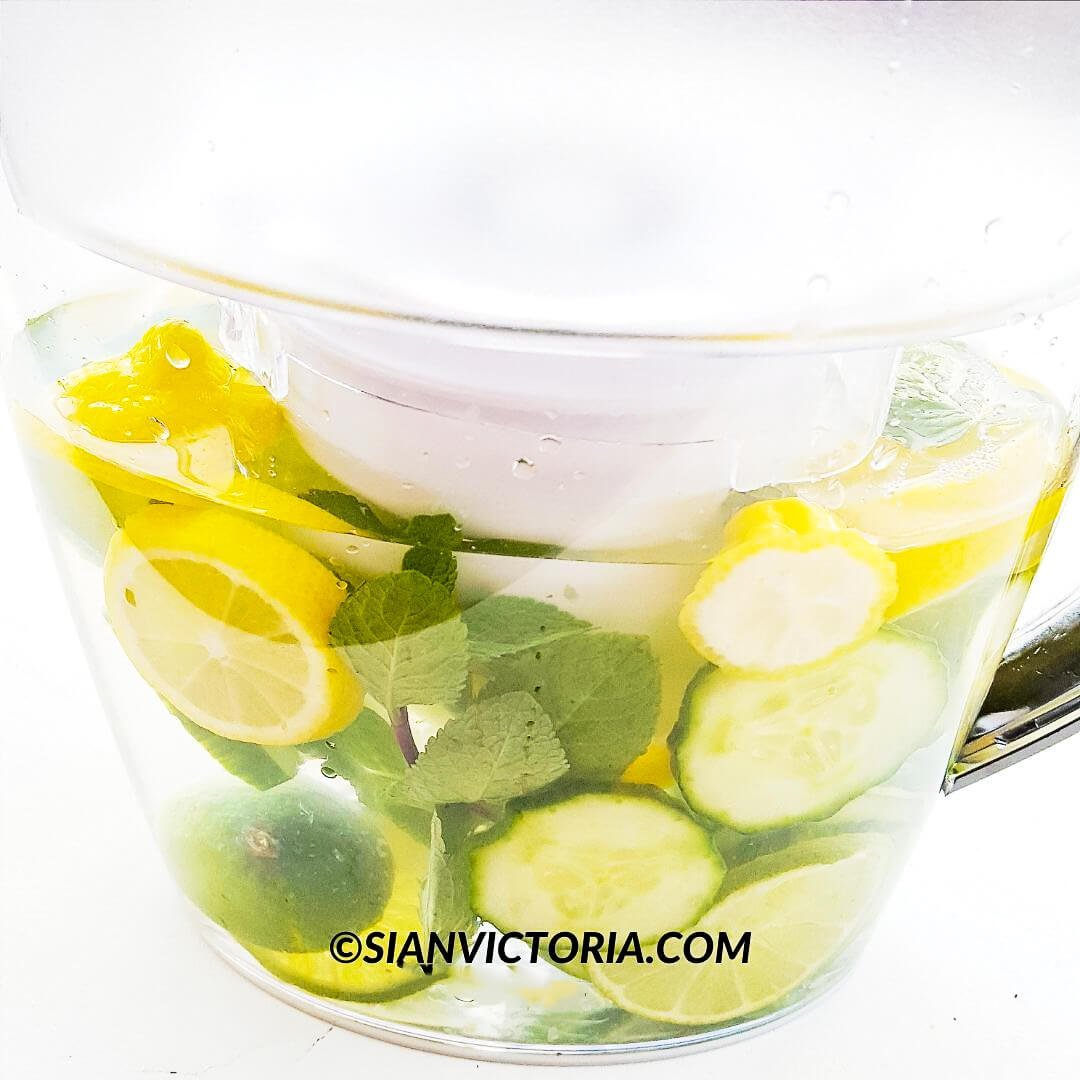
Sian Victoria © - Filter jug of water, mint and lemons
8. Limit the Use of Pesticides and Fertilisers
Pesticides and fertilisers can really affect water quality when they soak into the ground and run off into local water sources. To lessen these risks, think about making use of less environmentally damaging natural or organic alternatives. Things like composting, crop rotation, and using helpful insects can effectively reduce the need for chemical pesticides and fertilisers. Also, integrated pest management (IPM) strategies offer a sustainable approach by combining biological, cultural, and physical control methods to deal with pests with minimal chemical use.
There’s always a natural solution, but when you feel like you have to use chemical products, it's important to apply them carefully. Always follow the manufacturer’s instructions about how much to use and when to use it to minimise runoff. Applying these products when they're dry and not windy can help make sure they stay where they're needed and don't spread to other areas.
Proper storage and disposal of these substances are just as important. Store them in a cool, dry place away from water sources to prevent accidental contamination. Make sure to clean any equipment you use for application thoroughly to avoid residue build-up, which could eventually wash off into your water supply.
When using these practices, you can reduce the negative impact of pesticides and fertilisers on your water quality and help create a healthier environment.
9. Install Aerators on Taps
Putting aerators on your taps is a cheap and easy way to save water. Aerators mix air with water, which reduces the flow rate while keeping enough pressure for daily use. This simple addition can lead to big water savings, which is good for both the environment and your water bill.
When you're choosing aerators, think about the flow rate that works best for you. For kitchen taps, a higher flow rate might be better for things like washing dishes, while bathroom taps can often work just fine with lower flow rates. Many aerators have adjustable settings, so you can change the water flow as needed.
Installation is simple and usually doesn't require any special tools. The majority of aerators are screwable onto the end of your tap spout, replacing the existing fittings. Make sure to clean the aerators regularly to prevent mineral deposits from building up, which can affect how they work. Just unscrew the aerator and soak it in vinegar to dissolve any residue.
When adding aerators to your taps, you not only save water but also make your plumbing system more efficient. This small change can make a big difference in overall water use, encouraging sustainable practices in your home or business.
10. Stay Informed about Your Local Water Supply
Keeping up with local water issues is essential for keeping your water safe and clean. Local authorities and water suppliers often provide updates on water quality, including any contaminants they find or changes in treatment methods. Subscribing to these updates or checking their websites regularly can keep you informed about potential risks and any precautions you should take.
Going to community meetings and forums about water quality can also be helpful. These gatherings often provide valuable information about local water challenges and what's being done to address them. You might also have a chance to share any concerns or suggestions you have about water management in your area. Educational resources, like workshops or online courses, are available through local councils, environmental organisations, and universities. These can help you better understand water conservation techniques, where pollutants come from, and effective filtration methods.
Connecting with neighbours and local groups focused on environmental conservation can create a collaborative approach to improving water quality. Sharing information, resources, and experiences can lead to community-driven projects that benefit everyone.
Finally, think about joining or supporting advocacy groups that work towards better water policies and practices. These organisations often have the latest information on water-related issues and can amplify your efforts to maintain high water quality standards in your area.
To conclude
Improving water quality at your home or business is an ongoing process that needs constant attention and care. When regularly testing your water, installing the right filtration systems, maintaining your plumbing, and being careful about chemical use, you can ensure a clean and safe water supply.
Also, using water softeners, cleaning taps and showerheads, and installing aerators can further improve water quality and help you conserve water. Proper disposal of hazardous waste and limiting the use of pesticides and fertilisers are also very important steps. Staying informed about local water issues and being active in your community helps keep you on the ball. Be sure to put these strategies into practice to benefit from safer, healthier, and cleaner water.


