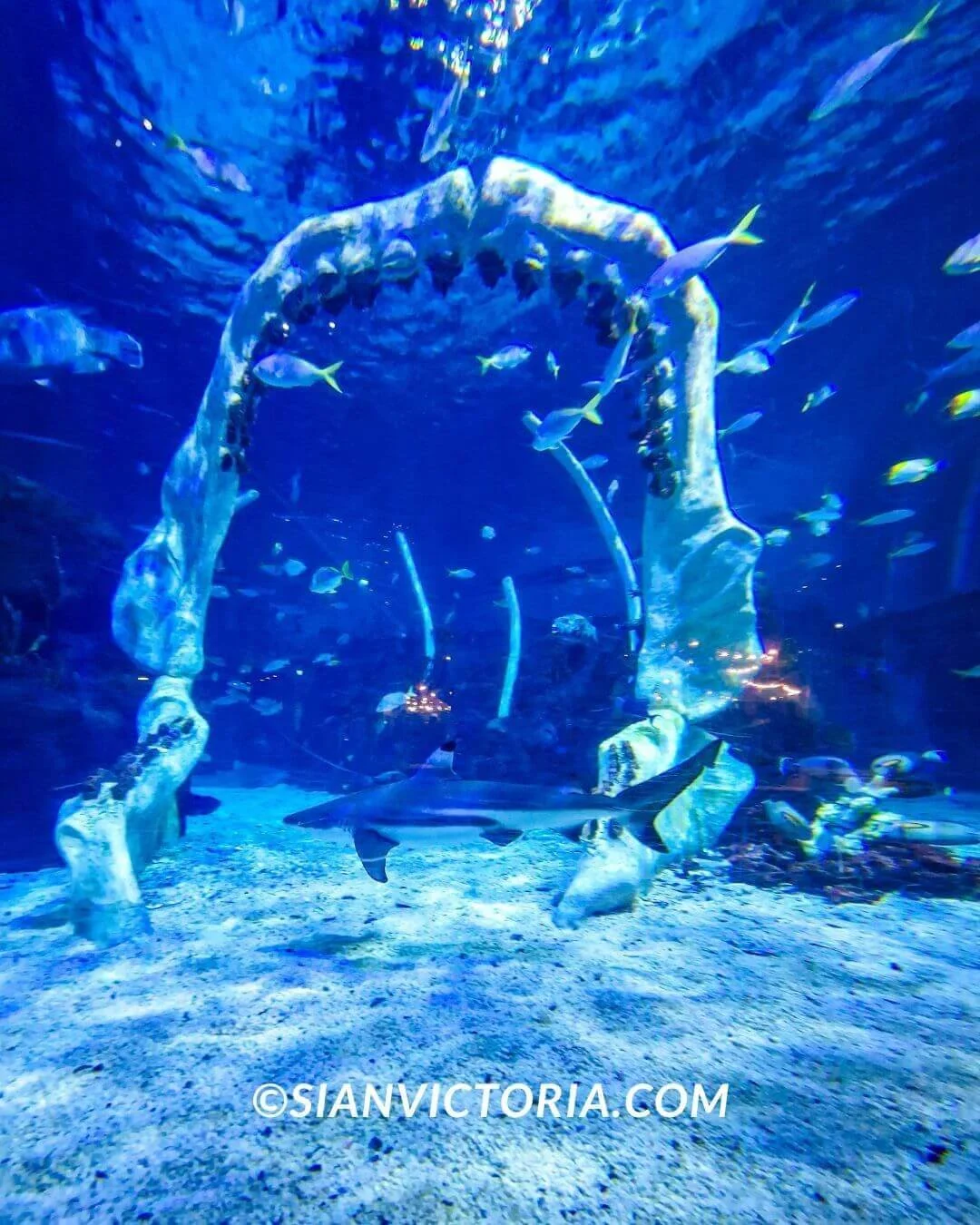
Sian Victoria © - Fish under the sea, Barbados
What Are the Top Diving Destinations in the World?
There is something pretty special about exploring a place that most people will never see with their own eyes. From colourful coral reefs to shipwrecks and underwater caves, scuba diving opens up a completely different side of the world. Snorkelling in Barbados above a shipwreck and seeing the colourful ocean life up close will always be up there as one of my best travel experiences.
If you are planning your next adventure, this guide to the 12 best diving destinations in the world covers some incredible places worth adding to your bucket list. Whether you are an experienced diver or just starting out, there is an underwater adventure waiting for you.
1. Great Barrier Reef, Australia
The Great Barrier Reef is one of those places that deserves its reputation. Stretching along the coast of Queensland, it is home to colourful corals, sea turtles, reef sharks and an astonishing variety of marine life. It’s a dream location to be if you fancy doing some underwater photography.
There are dive sites for different experience levels, so you do not need years of experience to enjoy it. I would love to see the reef in person, particularly the vibrant coral gardens that make this part of Australia so famous. Just make sure you choose a responsible dive operator that takes coral conservation seriously.
2. The Maldives
The Maldives is a dream destination for anyone who loves warm water and tropical scenery. You can expect diving to play a major role in any quality Maldives Holiday. Beneath the turquoise surface, you can encounter manta rays, whale sharks and colourful reef fish. Some of the best diving takes place around channels and atolls, where currents bring larger marine animals into view.
Conditions vary throughout the year, so it is worth researching the best season for the wildlife you hope to see. Even if you spend your evenings watching the sunset from a beach, having world-class diving on your doorstep makes the Maldives particularly appealing.
3. Raja Ampat, Indonesia
Raja Ampat is a fantastic choice for divers who want to experience some of the richest marine biodiversity on the planet. Located in Indonesia's West Papua region, this remote archipelago is known for its extraordinary coral reefs, tiny colourful reef fish and dramatic underwater landscapes.
You might spot pygmy seahorses, reef sharks and graceful manta rays during your dives. Getting there takes a little more planning than visiting a popular beach resort, but that is part of the appeal. It is ideal for travellers who would rather spend their time surrounded by nature than in busy tourist areas.
4. Red Sea, Egypt
Egypt's Red Sea is one of the best diving destinations for travellers looking for impressive underwater scenery without necessarily spending a fortune. Resorts around Sharm El Sheikh and Hurghada offer access to coral reefs, underwater walls and historic shipwrecks.
Ras Mohammed National Park is particularly popular for its rich marine life and clear water. Another highlight is the SS Thistlegorm, a famous wartime shipwreck that attracts experienced wreck divers. With plenty of dive centres and courses available, the Red Sea is also a good place to consider if you are hoping to gain your scuba diving qualification abroad.
5. The Galápagos Islands, Ecuador
If seeing larger marine animals is high on your list, the Galápagos Islands are hard to overlook. This remote Pacific archipelago is famous for hammerhead sharks, sea lions, marine iguanas and enormous whale sharks in season.
Diving here can be more challenging because of strong currents, cooler water, and changing conditions, making it better suited to confident divers with suitable experience. The wildlife is the real attraction, and every dive can feel completely different. It is not necessarily the easiest destination to reach, but the chance to encounter such unusual marine life makes it a memorable choice.
6. Palau in the Western Pacific
Palau is a brilliant option for divers who enjoy dramatic reef walls, clear water and encounters with bigger fish. Blue Corner is one of its best-known dive sites, attracting schools of fish, reef sharks and other marine life. Currents can be strong, so some sites are better suited to experienced divers.
Above the water, Palau has beautiful islands, lagoons and quiet beaches that are worth exploring between dives. It is the kind of destination where you can spend the morning underwater and the afternoon enjoying the scenery at a much slower pace.

Sian Victoria © - Fish under the sea, Barbados
7. The Cenotes of Mexico
Mexico's Yucatán Peninsula offers a very different experience from traditional reef diving. Its cenotes are natural freshwater sinkholes, some of which lead into enormous underground cave systems. Sunlight filtering through the water creates beautiful effects, while limestone formations give the surroundings an almost otherworldly appearance.
Cenote diving is fascinating, but it requires the appropriate training, equipment, and supervision. Recreational cavern dives and technical cave diving are not the same thing, so choose an experience that matches your qualifications. It is an excellent addition to a trip that also includes Mexico's beaches, Mayan ruins and local food.
8. Coral Triangle in the Philippines
The Philippines has thousands of islands, which means there is plenty of coastline to explore and a huge variety of diving experiences. Tubbataha Reefs Natural Park is especially renowned for its healthy coral reefs and marine biodiversity, while destinations such as Malapascua are famous for opportunities to see thresher sharks.
Access to some remote sites is seasonal, and Tubbataha is generally visited on liveaboard trips during its diving season. If you want to combine island hopping with some of the best scuba diving in Southeast Asia, the Philippines deserves a place on your bucket list.
9. Sipadan, Malaysia
Sipadan is a small oceanic island off Malaysian Borneo with a big reputation among scuba divers. Its underwater walls drop into deep blue water, and it is famous for large schools of barracuda, green turtles, and reef sharks. There are daily limits on visitor numbers to help protect this special marine environment, so permits and accommodation should be arranged well in advance.
It is worth planning carefully rather than leaving everything until the last minute. For divers who love seeing plenty of marine life in one place, Sipadan is one of the best experience destinations.
10. Caribbean Sea in Bonaire
Bonaire is particularly appealing if you like the idea of having more freedom to plan your own dives. This Caribbean island is famous for shore diving, with many accessible sites around its coastline. You can find colourful coral, sponges, sea turtles, and plenty of tropical fish without always needing to join a boat trip.
It is a good option for divers who enjoy a relaxed holiday and would rather explore at their own pace. As with any reef destination, check local guidance and avoid touching coral or disturbing marine animals.
11. Similan Islands, Thailand
Among the cheapest places to travel, Thailand is well known for its beaches, but the Similan Islands offer something extra for underwater explorers. Located in the Andaman Sea, this protected island group features granite boulders, coral reefs and a variety of marine life. Depending on the conditions and season, divers may encounter turtles, reef sharks and manta rays.
Many people visit on organised boat trips, while liveaboards allow you to reach more remote dive sites. The islands are generally open to visitors seasonally, so check current park dates before booking. It is a lovely choice for anyone hoping to combine scuba diving with a wider trip around Thailand.
12. Fiji's Soft Coral Reefs
Fiji is often called the soft coral capital of the world, and it is easy to see why divers are drawn to its colourful underwater landscapes. Its reefs are covered in vibrant corals, sea fans and sponges, creating a spectacular backdrop for schools of tropical fish.
Popular areas include the Somosomo Strait and the waters around Taveuni, where currents can help bring out the best colours in the corals. Conditions and access vary between sites, so local advice is important. If you prefer colourful reef scenery to focusing solely on large animals, Fiji is well worth considering for your next diving holiday.
To conclude
Choosing the best diving destination depends on what you want from your trip. Raja Ampat and the Philippines are brilliant for marine biodiversity, the Galápagos is famous for larger animals, and Mexico's cenotes offer something completely different from a tropical reef. Meanwhile, Bonaire is ideal for relaxed shore diving, while the Red Sea offers a mix of reefs and historic wrecks.
Before planning your adventure, consider your diving qualifications, budget, preferred water temperature, and the time of year you plan to travel. Always check local conditions and choose operators who put diver safety and marine conservation first. Wherever you decide to go, exploring the underwater world is a wonderful way to experience a destination from a completely different perspective.