18 Must-See Sights and Places to Go Around the Lake District
Guide to the Best Sightseeing Places Near the Lake District
The Lake District is one of those places that feels like it belongs in a storybook. With its peaceful lakes, rolling hills, and old-world-style villages, it's no wonder this area has been a favourite escape for centuries.
Whether you're someone like me who loves exploring historical castles and churches, taking leisurely walks along serene trails, or simply soaking in beautiful scenery, there’s no shortage of incredible spots to see in this luxurious place to visit in the UK.
This guide is all about helping you uncover some of the best destinations in the hub of the Lake District, as well as worthwhile stops within an hour's drive. From hidden waterfalls to fascinating historical sites, there’s something you are sure to enjoy. This area is perfect for hikers, travellers, and those just looking for a relaxing staycation in the UK.
The mix of nature, history, and local appeal makes it such a special place to explore. So, here are just a few of the many places I went sightseeing during my most recent visit to the Lake District.
1. Lake Windermere
As the largest natural lake in England, Lake Windermere was carved out by retreating glaciers over 13,000 years ago. While most people call it Lake Windermere, the name is technically a tautology because "mere" already means lake in Old English.
The landscape changed forever in 1847 when the railway arrived, when a quiet valley turned into a Victorian escape for wealthy industrialists who built the grand stone villas still visible along the shoreline today.
You can explore the eighteen islands scattered across the water, including Belle Isle, which is home to a unique circular 18th-century mansion. If you prefer to stay on land, a short walk up to Orrest Head offers a vantage point that famously inspired Alfred Wainwright to write his legendary walking guides in 1930.
The lake also holds a spot in aviation history as the site where the Waterbird, the first successful British seaplane, took flight in 1911. Whether you are paddling past the wooded bays or grabbing a coffee in the slate-covered streets of Bowness, the area encourages a much slower pace of life, although I must be honest, the overtourism ruined the experience for me.
2. Wray Castle
Wray Castle is a fascinating bit of Victorian architectural theatre that sits right on the western shore of Lake Windermere. Built in 1840 for a retired gin surgeon from Liverpool named James Dawson, the castle is actually a Gothic Revival folly rather than a medieval fortress. It was constructed using his wife’s inheritance, and the story goes that she took one look at the finished product and refused to live in it. Despite the imposing turrets and arrow slits, the building was always intended as a private holiday home rather than a defensive stronghold.
The castle holds a special place in literary history because a teenage Beatrix Potter spent her summer holiday here in 1882. It was during this stay that she first met Hardwicke Rawnsley, the local vicar who later co-founded the National Trust. His passion for preserving the Lake District profoundly influenced her own conservation work. Today, the interior is refreshingly informal since the original furniture was sold off long ago, leaving a stripped-back space where you can actually touch the stone and explore the grand halls without the usual museum velvet ropes.
Outside, the grounds are home to some impressive specimen trees, including a Wellingtonia and a mulberry tree planted by William Wordsworth in 1845. You can take the path down to the private jetty where Victorian guests would have arrived by steamer to avoid the rough carriage roads. The shoreline trails offer a much quieter perspective of the lake compared to the busy hubs across the water. It is a strange, beautiful mix of high-society ambition and rugged lakeside nature that somehow works perfectly.
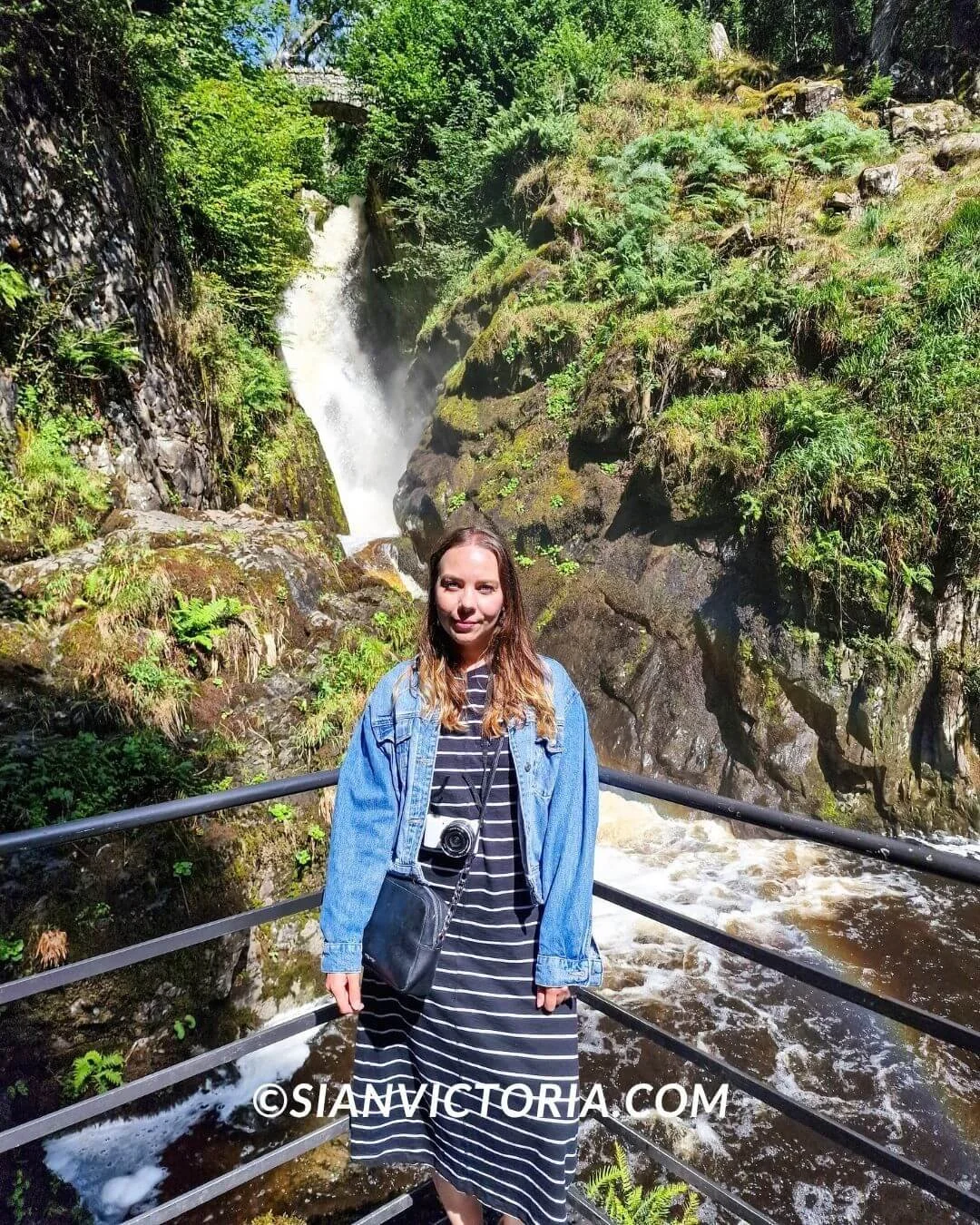
Sian Victoria © - Aira Force Waterfall, Matterdale, Penrith
3. Aira Force Waterfall
Aira Force is a corner of the Lake District that feels like a Victorian pleasure garden frozen in time. The centrepiece is a 65-foot drop where the Aira Beck thunders down a limestone glint into a deep rock pool. While it looks like a wild, ancient relic, much of the surrounding landscape was actually "improved" in the late 1700s by the Howard family of Greystoke Castle. They planted over half a million trees—including exotic conifers like the towering Himalayan Cedars—to create a dramatic, romantic backdrop for their guests.
The stone bridges that arch over the falls were added later as a memorial to two members of the Howard family, and they offer the best vantage point to see the "force," a Viking word for waterfall. This specific spot is famously linked to William Wordsworth, who used it as the setting for his poem Somniare, inspired by a local legend about a sleepwalking knight and his tragic lady. If you catch the light at the right angle on a sunny morning, you can often see a "fall-bow," a small rainbow shimmering in the midst of the spray.
The trails today follow the original Victorian pleasure paths, weaving through what is now a critical sanctuary for the native red squirrel. Unlike the more manicured parks in the south, the moss-covered rocks and ferns here give the gorge a prehistoric feel that changes completely with the weather. On a rainy day, the water volume turns the falls into a deafening roar, reminding you exactly why the Romantics were so obsessed with the concept of the "sublime" in nature.
4. St. Oswald's Church
St. Oswald’s Church sits at the heart of Grasmere, a low-slung building of rugged stone that has survived the Lakeland weather since the 13th century. It is named after the King of Northumbria, who is said to have preached on this very spot in 642 AD. The interior is famous for its unique double-aisle, a quirky architectural fix from the 16th century when the roof was sagging under the weight of heavy local slate. Instead of starting over, the builders simply added a second row of arches down the middle, creating the distinct "forest of pillars" look you see today.
The churchyard is most famous as the final resting place of William Wordsworth, who chose a simple slate headstone in 1850 rather than a grand monument. He is buried alongside his wife Mary and his sister Dorothy, shaded by a group of yew trees he supposedly planted himself. Just over the church wall is the legendary Grasmere Gingerbread shop, which actually started in 1854 as a tiny cottage schoolhouse where the local children—and occasionally the Wordsworths—spent their days.
Every August, the church hosts the Rushbearing Ceremony, an ancient tradition where locals carry structures made of rushes and flowers through the village. This dates back to a time when the church had a dirt floor, and fresh rushes were laid down annually to provide warmth and hygiene. Today, the floor is paved, but the sweet-smelling tradition remains one of the oldest continuous customs in the UK. It is a quiet, storied space that manages to feel deeply connected to the land and the people who have walked it for over a thousand years.
5. Ullswater
Ullswater is often called the most beautiful lake in England, and it is easy to see why when you notice its dramatic "S" bend shape carved out by a three-stage glacier retreat. It is essentially a ribbon of water winding through the shadows of Helvellyn, the third-highest mountain in the country. While Windermere is the social hub, Ullswater has always been the wilder, more atmospheric sibling. It was on these northern shores at Glencoyne Bay in 1802 that Dorothy Wordsworth spotted the "long belt" of daffodils that inspired her brother William to write his most famous poem.
The lake is home to the iconic Ullswater 'Steamer' fleet, which has been operating since 1859. One of their oldest vessels, the Lady of the Lake, is actually one of the oldest working passenger boats in the world. Taking a trip on these heritage boats gives you a perfect view of the "hanging valleys" and the rugged fells that drop straight into the water. If you prefer to stay on the move, the Ullswater Way is a 20-mile circular route that connects the lake's villages, including Pooley Bridge, which had to be completely rebuilt after the historic 2015 floods.
The surrounding fells are one of the few places in England where you can still find a truly wild herd of red deer, descendants of the ancient stock that once roamed the royal hunting forests. Near the southern end of the lake sits the village of Glenridding, which was once a booming lead mining centre during the 19th century. Today, the mining debris is mostly hidden by greenery, leaving behind a landscape that feels remarkably untouched. Whether you are watching the mist roll off the water or stopping for a pint in a slate-roofed pub, the lake has a scale and a silence that is hard to find anywhere else.
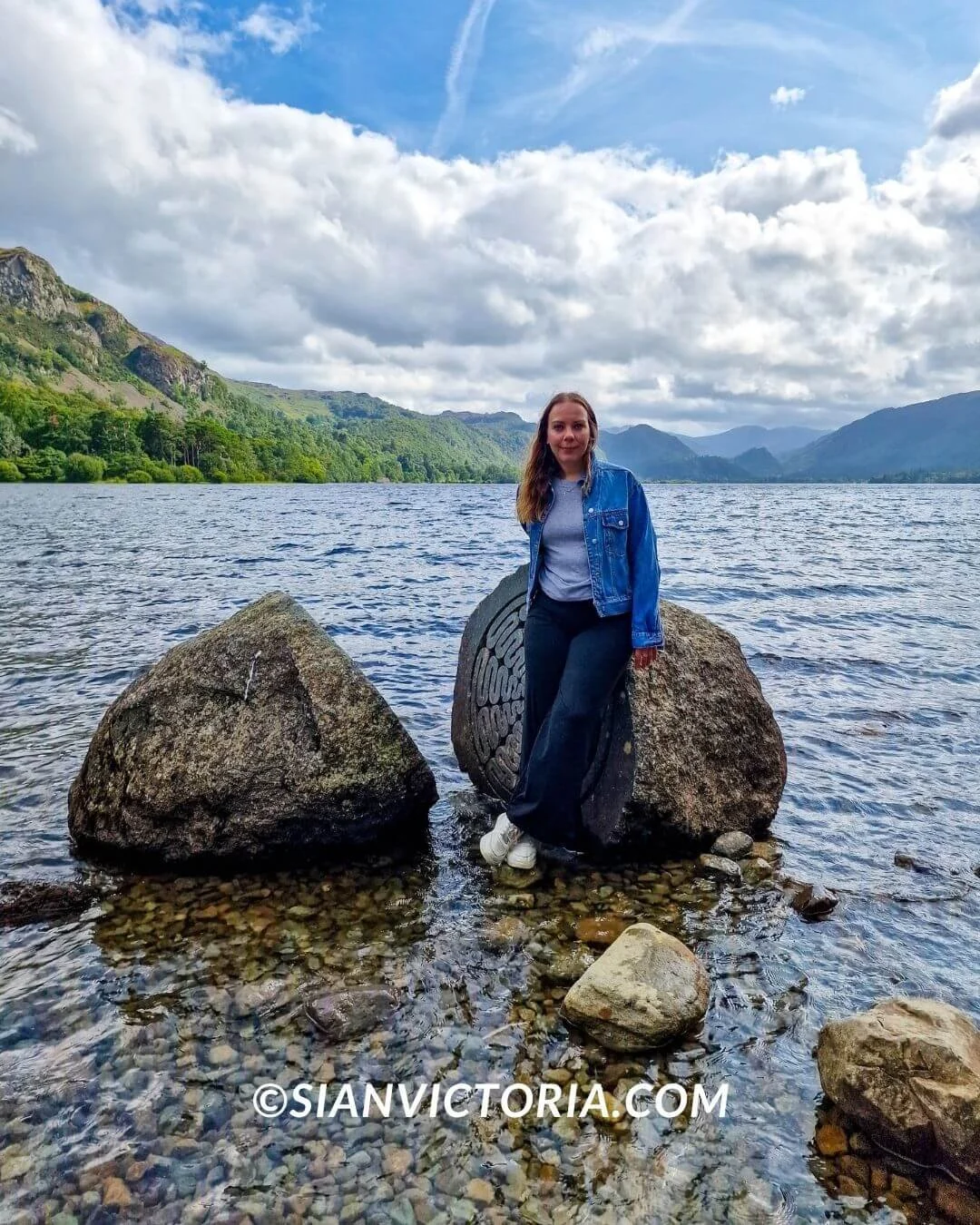
Sian Victoria © - Centenary Stones at Derwentwater
6. Derwentwater
Derwentwater is often called the "Queen of the Lakes," and it sits in a wide, dramatic basin just a short walk from the market town of Keswick. Unlike the deeper, narrower lakes nearby, this one is relatively shallow, which is why it famously freezes over during particularly harsh winters, occasionally allowing locals to skate between the islands. The lake is home to four main permanent islands, including Lord’s Island, which once held the grand palatial home of the Earls of Derwentwater. You can still see the foundations of the house, which was dismantled after the third Earl was executed for his role in the Jacobite Rebellion of 1715.
One of the strangest natural phenomena here is the "Floating Island," a mass of buoyant vegetation and methane-trapping mud that occasionally rises to the surface near the mouth of the River Derwent. It is a rare sight that has been documented since the 1700s. If you want to see the lake from the best angle, the short hike up to Friar’s Crag is essential. It was a favourite spot of the Victorian polymath John Ruskin, who claimed the view from the crag was one of the three most beautiful scenes in all of Europe.
The lake also played a surprising role in the Second World War; the secluded bays were used as a secret testing ground for the "Upkeep" bouncing bombs, made famous by the Dambusters. Today, the vibe is much quieter, with the wooden Keswick Launches ferrying people between the seven jetties that dot the shoreline. Whether you are rowing out to find the hermit’s cave on St. Herbert’s Island or just watching the reflection of Catbells on the glassy surface, the lake feels like a perfectly preserved piece of Lakeland history.
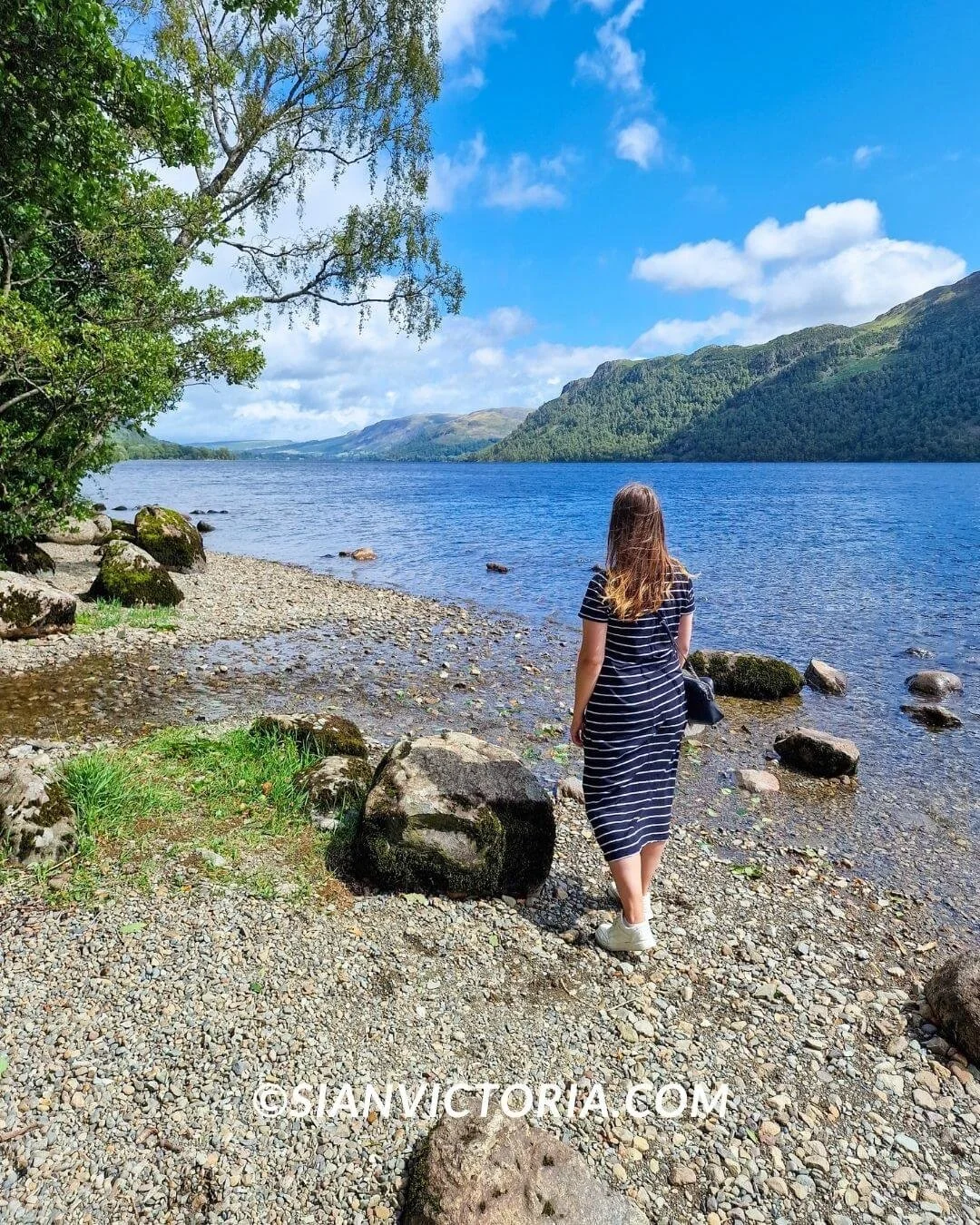
Sian Victoria © - Ullswater lake, Cumbria
7. Muncaster Castle
Muncaster Castle is one of the most haunted houses in Britain, and it has been the private home of the Pennington family since 1208. The site likely sits on the foundations of a Roman castellum, guarding the Esk river crossing. Its most famous resident was Tom Skelton, better known as Tom Fool, a 16th-century court jester whose dark pranks gave rise to the phrase "tomfoolery." Legend says he used to direct travellers he didn't like into the quicksands of the river, and his spirit is still blamed for the heavy footsteps and displaced objects reported in the Tapestry Room today.
The architecture is a sprawling mix of medieval peel tower and Victorian restoration by Anthony Salvin, who specialised in making old forts look even more imposing. Inside, you can find a unique collection of 16th-century furniture and the "Luck of Muncaster," an enamelled glass bowl given to the family by King Henry VI in 1464. He reportedly told them that as long as the bowl remained unbroken, the Penningtons would prosper at Muncaster. It remains intact over five hundred years later.
The gardens are famous for their Himalayan Walk, a collection of rhododendrons and azaleas that thrive in the acidic soil and mild Gulf Stream climate. These plants were brought back by Victorian plant hunters and create a massive tunnel of neon colour during the spring. The terrace also offers a view that John Ruskin described as the "Gateway to Paradise," looking straight into the jaws of the Scafell range. If you time it right, you can catch the daily wild heron feed or visit the Hawk and Owl Centre located in the old kitchen gardens, which focuses on the conservation of specialised birds of prey.
8. Coniston Water
Coniston Water has a mood that is entirely its own, feeling a bit deeper and more storied than the busier lakes to the east. It is famously the setting for Arthur Ransome’s Swallows and Amazons, and you can still see Peel Island, which served as the inspiration for the fictional Wild Cat Island. The lake is also synonymous with speed; it was here in 1967 that Donald Campbell tragically lost his life while attempting to break the world water speed record in his jet-powered hydroplane, Bluebird K7. After decades underwater, the wreckage was recovered and restored, and you can now see the iconic blue boat in the Ruskin Museum in Coniston village.
The most stylish way to get across the water is on the Gondola, a rebuilt Victorian steam-powered yacht with opulent wood-panelled saloons. It was originally launched in 1859 to ferry railway passengers, and its silent, graceful movement is a world away from a standard modern ferry. On the eastern shore, you will find Brantwood, the former home of the great Victorian thinker John Ruskin. He spent his final 28 years there, filling the house with art and radical ideas while designing "zig-zag" gardens that climbed the steep fells behind the estate.
The skyline is dominated by the Old Man of Coniston, a 2,634-foot peak that has been mined for copper and slate since the Bronze Age. You can still spot the abandoned tunnels and rusted machinery of the Victorian mines scattered across the mountainside. Down at the water’s edge, the pebble beaches are perfect for launching a kayak to find the secret coves Ransome described so vividly. Whether you are chasing literary ghosts or just watching the sunset hit the crags, the lake has a sense of drama that stays with you long after you leave.
9. Castlerigg Stone Circle
Castlerigg Stone Circle is widely considered the most atmospheric prehistoric site in Britain, mostly because the Neolithic builders had an incredible eye for real estate. Set on a natural plateau, the stones are perfectly framed by a 360-degree panorama of the Lake District’s highest peaks, including Skiddaw and Blencathra. It was constructed around 3000 BC, making it significantly older than the famous trilithons at Stonehenge. Unlike many other circles that were used primarily for burials, Castlerigg seems to have been a massive social and ceremonial hub where people traded polished stone axes brought from the nearby Langdale axe factories.
The layout is unique because of a rectangular enclosure of ten stones inside the main circle, known as "The Sanctuary," a feature rarely seen in British megaliths. While there are 38 stones standing today, several have likely disappeared over the last five millennia. Early antiquarians were obsessed with the site, and it was actually one of the very first monuments to be protected under the Ancient Monuments Protection Act in 1882. There is a persistent local legend that the stones are "uncountable," with visitors often coming up with a different total every time they try to tally them up.
Because the site is managed by the National Trust and remains free to enter, it has a rugged, unpolished feel that lets you walk right up to the lichen-covered slate. If you visit during the autumn or spring equinox, you can see how the stones align with the sun as it hits the mountain notches, suggesting the builders used the site as a giant astronomical calendar. On a quiet, misty morning, you can really feel the weight of those five thousand years, standing in a place that has served as a landmark for travellers since the Stone Age.
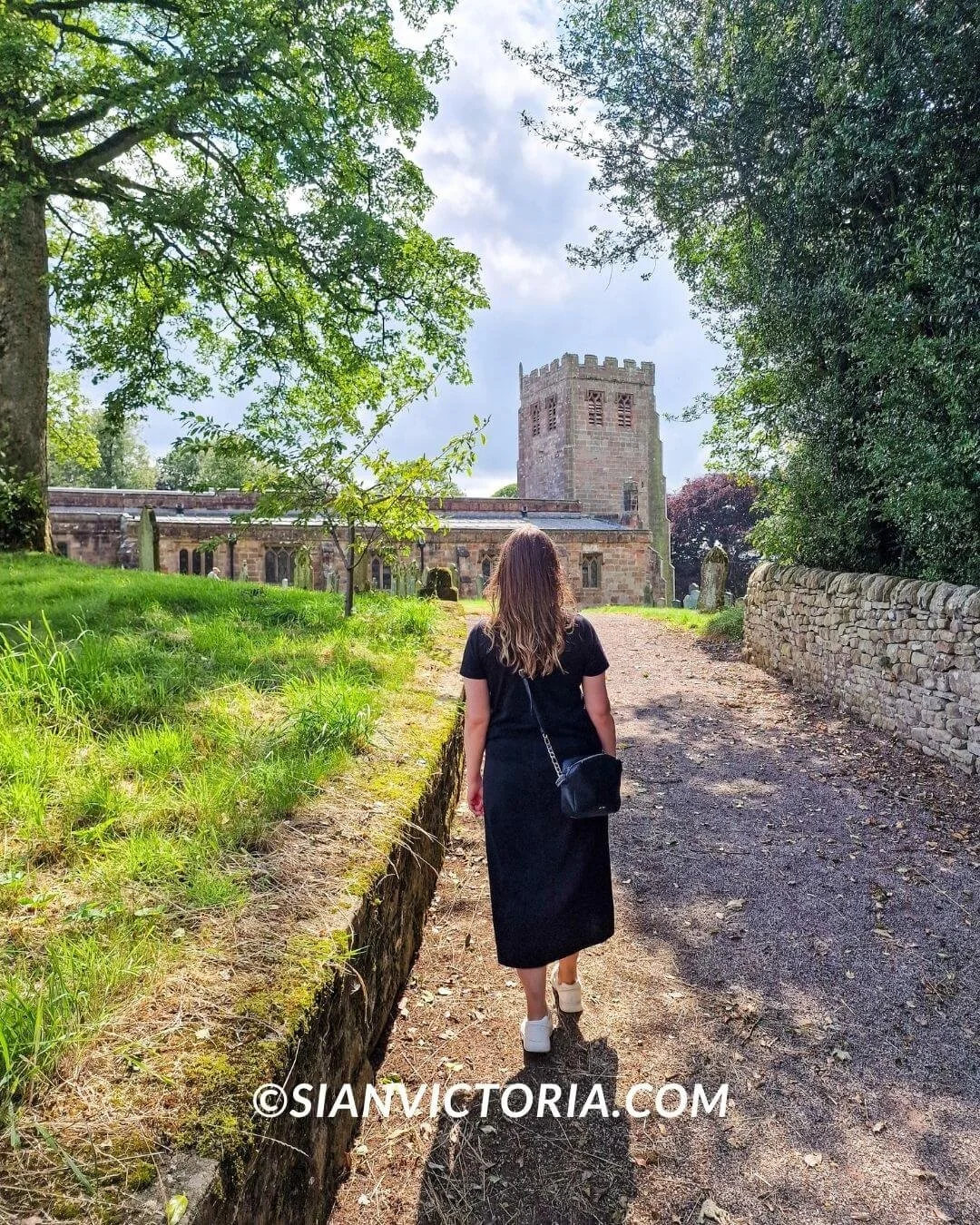
Sian Victoria © - St Michael’s Church, Brough, Cumbria
10. Buttermere Valley
Buttermere Valley is arguably the most photogenic spot in the Lake District, largely because it is shielded from the heavy tourist traffic by the steep Honister and Newlands passes. The valley contains two lakes, Buttermere and Crummock Water, which were actually a single giant body of water until debris from the surrounding fells eventually split them in two. The classic four-mile circuit around Buttermere Lake is famous for the "Sentinels," a row of ancient Scots Pines at the southern end that have become an icon for landscape photographers looking to catch perfect mirrored reflections on a still morning.
The valley has a somewhat dark and cinematic history as the setting for the story of the "Maid of Buttermere," Mary Robinson. In 1802, she was a local celebrity for her beauty and was tricked into marrying an impostor claiming to be a nobleman, who was later exposed as a notorious bigamist and forger. If you head up to the summit of Haystacks, you are standing on the favourite spot of the legendary fell-walker Alfred Wainwright; he loved the rugged, craggy terrain here so much that his ashes were scattered by Innominate Tarn at the top.
In the tiny village of Buttermere, you can still see the 19th-century St. James’ Church, which features a stone tablet in the windowsill dedicated to Wainwright, positioned so it looks directly out toward his favourite fells. The local farms have been breeding the hardy, slate-grey Herdwick sheep for centuries, a breed that Beatrix Potter worked tirelessly to protect. After a hike, grabbing a scoop of ice cream made from the milk of the local Ayrshires is a mandatory ritual. It is a place that feels remarkably self-contained, where the scale of the mountains makes everything else feel small.
11. Market Town of Keswick
Keswick is the undisputed capital of the northern Lakes, a town that has managed to keep its rugged, outdoorsy soul despite being a magnet for travellers since the 18th century. Long before it was a hub for Gore-Tex and fancy coffee, it was a global centre for the mining of "wadded," or graphite. In 1564, a massive deposit of the world’s purest graphite was discovered nearby in Borrowdale, leading to the creation of the very first pencils. You can still visit the Pencil Museum today, which houses a 26-foot-long colored pencil and secret maps hidden inside pencils issued to WWII airmen.
The town square is dominated by the Moot Hall, a quirky 19th-century building with a one-handed clock that serves as the starting and finishing point for the Bob Graham Round, a legendary 66-mile fell-running challenge. Every Thursday and Saturday, the market takes over the main street, a tradition that has been running for over 700 years since King Edward I granted the town its market charter in 1276. It is the best place to find local Cumberland sausage or hand-knitted woollens without the typical tourist markup.
If you need a break from the crowds, Fitz Park stretches out along the River Greta and offers one of the best-maintained cricket pavilions in the country, framed perfectly by the massive backdrop of Skiddaw. The town was also a favourite haunt of the "Lake Poets," particularly Samuel Taylor Coleridge and Robert Southey, who lived at Greta Hall and were constantly inspired by the dramatic weather rolling off the fells. Whether you are catching a play at the Theatre by the Lake or grabbing a pint in a pub that has been pouring ale since the 1600s, Keswick feels like a proper living town rather than a museum piece.
12. Hardknott Roman Fort
Hardknott Roman Fort, or Mediobogdum as the Romans knew it, is arguably the most lonely and spectacular military outpost in the former Empire. Built during the reign of Emperor Hadrian in the early 2nd century, it was designed to guard the strategic mountain pass between the naval port at Ravenglass and the inland hubs of Ambleside and Penrith. Standing at the ruins today, it is wild to think about the 500 soldiers of the Fourth Cohort of Dalmatians—infantry from modern-day Croatia—who were stationed here, swapping the Adriatic sun for the brutal horizontal rain of the Lakeland fells.
The fort is famous for its "parade ground," a massive levelled area of bedrock that is the largest of its kind in Britain. It took an incredible amount of Roman engineering to flatten the mountainside just so soldiers could practice their drills. You can still clearly trace the footprints of the granaries, the commandant's house, and the headquarters building. Just outside the main gate sit the remains of a circular sauna and a three-room bathhouse, a small but essential luxury for soldiers trying to stay warm in a place that feels like the very edge of the world.
Getting there is half the story. Hardknott Pass is notorious for being one of the steepest and most challenging roads in England, with gradients hitting 33% and hairpin bends that demand total focus. This road follows the original Roman military route, though the modern tarmac is arguably more terrifying than the stone path the legionaries marched on. The view from the fort’s ramparts looks straight down the Eskdale Valley toward the sea, a sight that hasn't changed much since the last Roman soldier marched out and abandoned the site around 138 AD.
13. Views from Tarn Hows
Tarn Hows is a bit of a Victorian masterpiece, a place that looks entirely natural but was actually "designed" to be the ultimate picturesque escape. In the mid-1800s, a wealthy local industrialist named James Marshall decided to consolidate three smaller, boggy pools by building a series of dams, creating the single, sprawling tarn you see today. He then planted thousands of spruce, larch, and Scots pine trees to frame the water perfectly against the backdrop of the Langdale Pikes and Helvellyn. The result is a landscape so curated and beautiful that it became one of the most visited spots in the Lake District almost overnight.
The area has a deep connection to Beatrix Potter, who purchased the Monk Coniston estate, including the tarn, in 1929 to prevent it from being sold off for development. She was a fierce conservationist and eventually bequeathed the entire 4,000-acre estate to the National Trust to ensure it stayed open to the public forever. You can still see the hardy Herdwick sheep grazing the slopes nearby, a breed she famously championed and helped save from extinction. The circular path around the water is one of the most accessible in the region, originally designed so Victorian carriages could roll along the shoreline to let passengers soak in the "sublime" mountain views without getting their boots muddy.
If you wander slightly off the main track toward the Tom Gill waterfall, you will find the ruins of an old corn mill and the deep gouges in the landscape left by ancient quarrying. While the main loop is perfect for a lazy stroll, the higher ground nearby offers a clearer look at the "hanging valleys" left behind by the glaciers that originally carved this basin. Whether you are there for the misty reflections at sunrise or the vibrant copper ferns in the autumn, it is a spot that manages to feel like a private gallery of Lakeland scenery.
14. Borrowdale Valley
Borrowdale Valley is often called the wettest place in England, but that constant rainfall is exactly why it is the lushest, greenest corner of the Lake District. This deep U-shaped valley was carved out by massive glaciers and is now home to some of the most significant Atlantic Oakwood in Europe, a rare "temperate rainforest" draped in thick moss and rare lichens. It was here in the 16th century that the world’s purest deposit of graphite was discovered after a massive storm uprooted a tree, revealing the "black lead" that birthed the global pencil industry.
The valley is anchored by the village of Grange, famous for its picturesque double-arched stone bridge that has crossed the River Derwent since 1675. If you head further south, you will find the Bowder Stone, a massive 2,000-ton limestone block that somehow ended up balanced on its edge after falling from the crags above thousands of years ago. In the Victorian era, it was such a popular attraction that a ladder was installed so tourists could climb to the top and take in the view of the surrounding fells.
For hikers, Borrowdale serves as the gateway to Scafell Pike, the highest mountain in England, but the lower-level paths are just as storied. The valley was a favourite haunt of the "Lake Poets," and later, the legendary fell-walker Alfred Wainwright described the walk from Grange to Seathwaite as the finest square mile in Lakeland. Between the ancient yew trees of Lorton—once celebrated by Wordsworth—and the traditional slate-roofed inns like the Scafell Hotel, the valley feels like a place where the modern world hasn't quite managed to break through the canopy.
15. Rutterforce Waterfall, Appleby
Rutter Force is a hidden gem tucked away in the Eden Valley, just outside the Lake District National Park boundary near Appleby. Unlike the more famous "forces" to the west, this waterfall is framed by the striking red sandstone that defines the geology of the Pennines. The cascade itself is a broad, horseshoe-shaped drop that once powered the massive overshot waterwheel of Rutter Mill. While the mill was originally built in the 16th century to grind corn, the current building dates back to 1847 and has been beautifully preserved as a private house, making the whole scene look like a Constable painting brought to life.
The area is a designated Site of Special Scientific Interest (SSSI) because the damp, sandstone crevices around the falls host rare mosses and liverworts that struggle to grow anywhere else. If you keep your eyes peeled and stay quiet, this is one of the most reliable spots in Cumbria to see a kingfisher or a dipper—a small, soot-colored bird that actually "walks" underwater along the riverbed to hunt for larvae. The surrounding woodlands are also a stronghold for red squirrels, which are far more common here than their grey cousins due to the valley's relative isolation.
Access to the falls is via a charming old ford and a narrow stone footbridge that has carried local farmers across Hoff Beck for centuries. It is a much more intimate experience than the larger tourist hubs, often completely empty even in the height of summer. The water here flows over layers of Carboniferous limestone and sandstone, creating a natural amphitheatre that amplifies the sound of the falls. It is the kind of place where history is not written in grand monuments, but in the worn stones of the mill and the steady pulse of the beck.
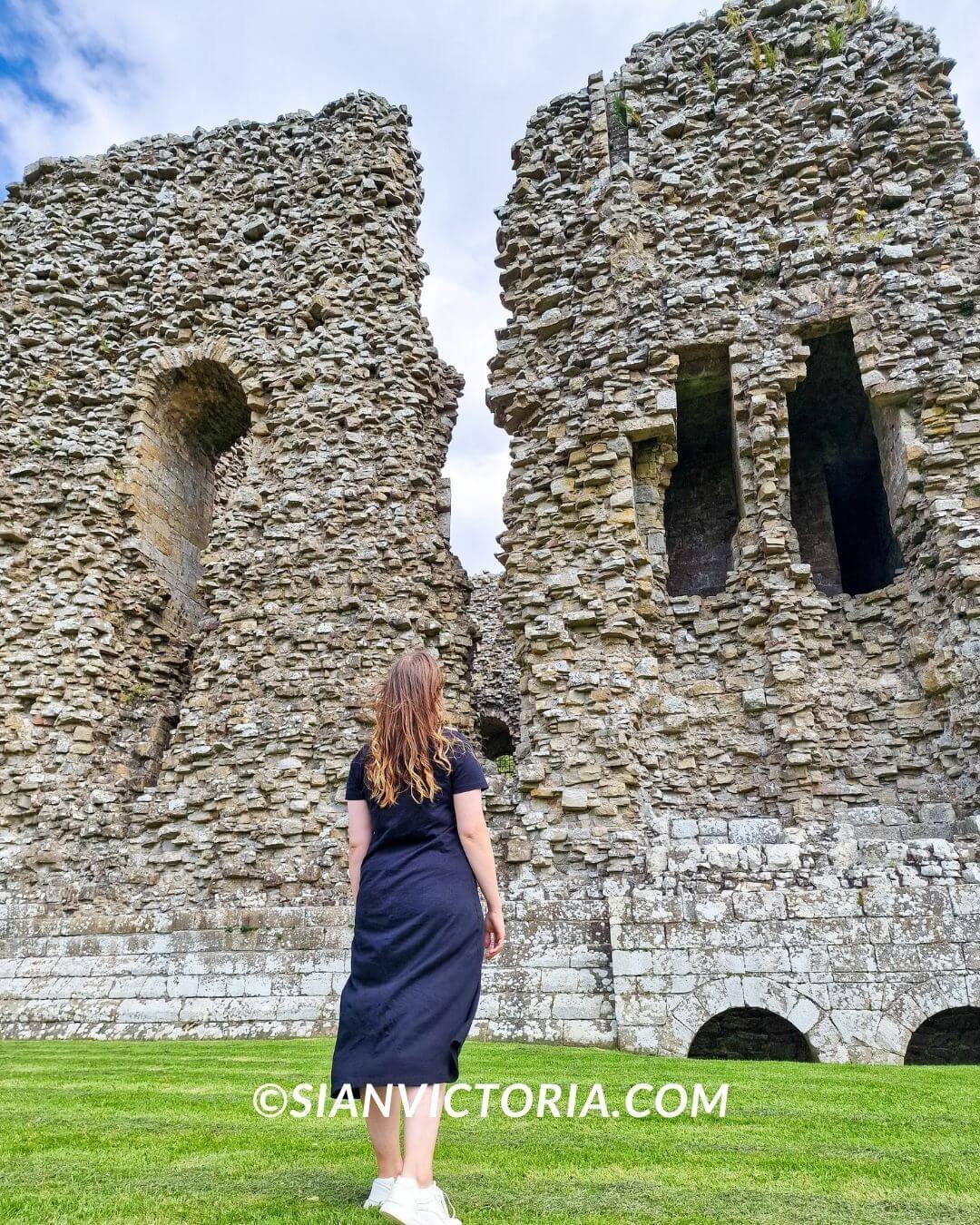
Sian Victoria © - Brough Castle, Kirkby Stephen, Cumbria
16. Brough Castle, Kirkby Stephen
Brough Castle is a rugged survivor sitting on a ridge that has been a strategic hotspot since the Romans built their fort of Verterae here in the 2nd century. The medieval castle you see today was constructed inside the northern corner of that original Roman footprint, using the old ramparts as a ready-made defence. It was a vital link in the chain of fortresses guarding the Stainmore Pass, the main gateway through the Pennines. Because of its location, it spent centuries being battered by Scottish raids, most notably in 1174 when King William the Lion of Scotland burned it to the ground during a brutal siege.
The most impressive part of the ruin is the three-story keep known as Caesar’s Tower, which was rebuilt in the late 12th century. The castle’s survival is largely thanks to the formidable Lady Anne Clifford, a 17th-century powerhouse who spent her life fighting to reclaim her family’s northern estates. She found Brough in a state of total collapse after a disastrous fire during a Christmas feast in 1521. At the age of 60, she personally oversaw its restoration, adding a new bakery and brewery to make it a grand residence once again. After her death, however, her descendants stripped the lead from the roof and the stone from the walls to build a local country house, leaving it to become the romantic shell it is today.
The site is now a peaceful spot where you can still trace the outlines of the Great Hall and the massive gatehouse. From the top of the ridge, you get a clear view of the "Hellgill" landscape, where the Roman road once cut through the fells. There is a local legend that a massive golden calf is buried somewhere beneath the castle mound, though centuries of curious locals have yet to find it. It remains one of the few places where you can walk through Roman and medieval history simultaneously without the usual crowds or gift shops.
17. Bowes Castle & St Giles Church
Bowes Castle is a massive, blunt-edged fossil of a fortress that sits right in the middle of a Roman fort called Lavatris. Built in the 1170s by King Henry II, the castle was designed specifically as a "keep-only" stronghold to defend the vital trans-Pennine road against Scottish raids. It is a rare example of a 12th-century tower that never had a traditional outer wall because it relied entirely on the crumbling Roman ramparts for its secondary defence. If you look closely at the masonry, you can actually see where the medieval builders recycled the red Roman stones to patch up the 82-foot-tall walls.
Just a few steps away, St Giles Church feels like a living museum of the village’s layered history. The church was built using even more stone scavenged from the Roman fort, and you can still find two Roman altars tucked inside, one of which was dedicated to the goddess Fortune by a centurion stationed here. The graveyard holds a more sombre, literary connection to Charles Dickens. After visiting the nearby academy in 1838, Dickens was so horrified by the treatment of the boys that he used the school as the inspiration for the infamous Dotheboys Hall in Nicholas Nickleby. The headstone of George Ashton Taylor, a boy who died at the school, is still a focal point for visitors today.
The castle itself is a hollow shell now, but you can still walk through the massive basement vaults that were used to store supplies during the long winters. It was eventually abandoned in the 1300s when the threat from the North faded, and it was partially dismantled during the English Civil War to prevent it from being used by rebels. Today, the site has a quiet, wind-swept energy where the cattle often graze right up to the medieval ruins. It is the kind of place where you can stand in a Roman barracks, a Norman keep, and a Victorian literary landmark all within a five-minute stroll.
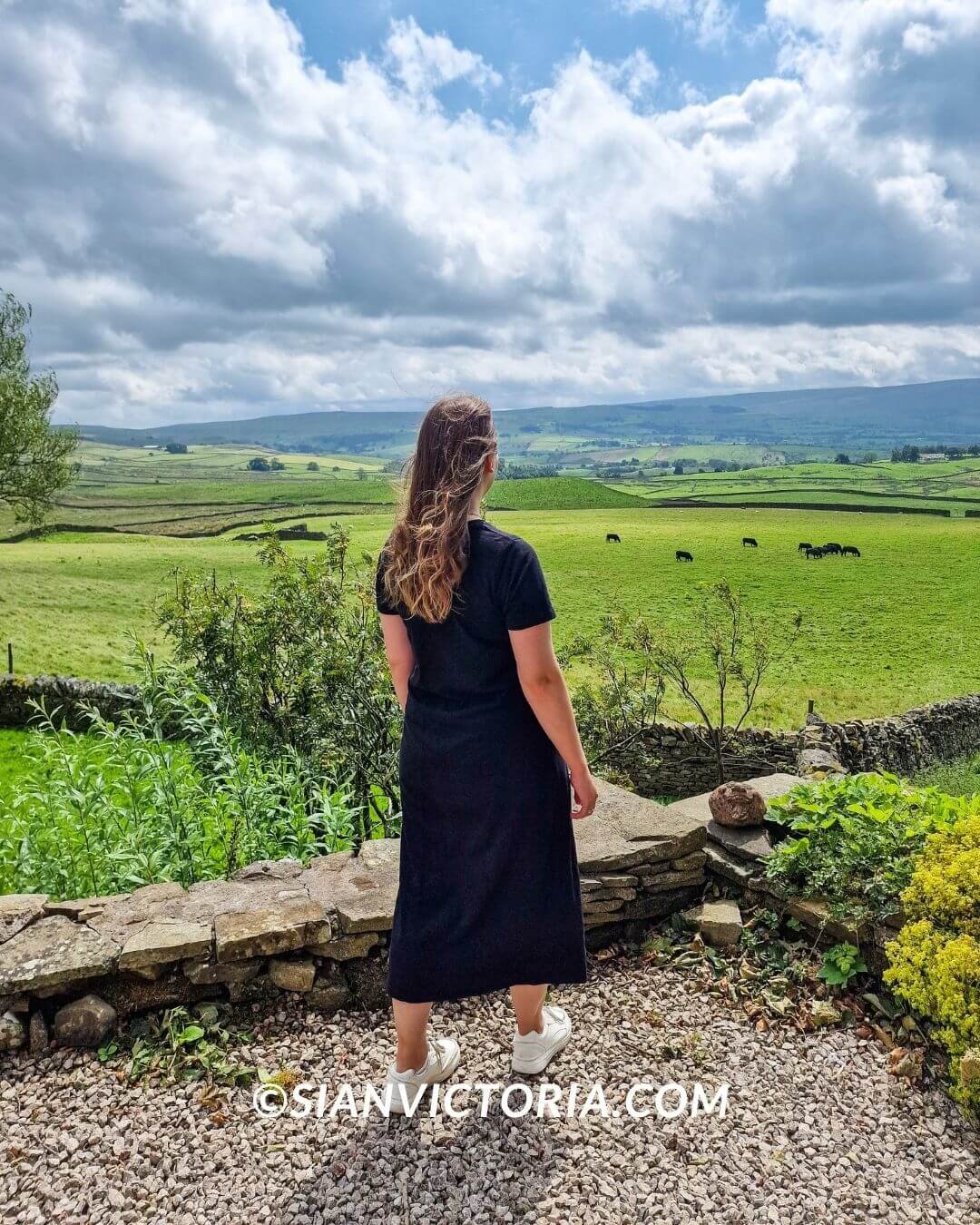
Sian Victoria © - Fields of North Stainmore, Kirkby Stephen
18. North Stainmore, Kirkby Stephen
North Stainmore is a rugged, high-altitude stretch of the Pennines that feels like the edge of the world, sitting right on the ancient trans-Pennine route used by everyone from Roman legionaries to Viking raiders. This is a landscape shaped by Carboniferous limestone, creating a dramatic "karst" terrain full of deep sinkholes and hidden cavern systems. The area was once a bustling industrial frontier, and if you look closely at the hillsides, you can still see the grassy humps of bell pits where lead and coal were mined by hand centuries ago.
The area is most famous for the Rey Cross, a weathered stone stump that marks the traditional boundary between the ancient kingdoms of England and Scotland. Legend says it was erected as a memorial to Eric Bloodaxe, the last Viking King of York, who was reportedly ambushed and killed on these desolate moors in 954 AD. While the cross is now a silent relic by the side of the A66, it once served as a vital meeting point for medieval travellers who braved the "Stainmore wolves" and the notorious mountain mists that can swallow the horizon in seconds.
Walking through North Stainmore today, you are likely to stumble across the remains of the Stainmore Railway, once the highest line in England. The massive Smardale Gill Viaduct nearby is a Victorian engineering marvel that looks like a Roman aqueduct spanning the valley. This is also a prime spot for seeing the "Helm Wind," the only named wind in the British Isles, which creates a strange, rolling cloud cap over the fells. Between the Viking ghosts and the whistling mountain winds, it is a place for anyone who prefers their history raw and their landscapes completely untamed.
To conclude
The Lake District is undeniably special, but it is no secret that parts of it have been heavily impacted by overtourism. The "honeypot" towns can often feel more like crowded city centres than rural escapes, with the quiet magic sometimes buried under a layer of traffic and gift shops. However, if you are willing to look beyond the famous postcard spots, you can still find the version of the Lakes that inspired the poets and the hikers—the one where the only sound is the wind across the fells or the rush of a hidden waterfall.
The real beauty of this region lies in its variety, from the crumbling Roman ruins of the high passes to the silent, mossy depths of the Borrowdale rainforest. When choosing the lesser-known trails and exploring the smaller valleys, you can still tailor an adventure that feels entirely your own. Hopefully, this travel guide helps you bypass the crowds and stumble across the more authentic, rugged attractions that this incredible landscape still has to offer.


