11 Tips For Creating an Eco-Friendly Wildlife Garden

Sian Victoria © - Bluebells in a wild garden at sunset
Eco Gardening Guide: How to Make Your Yard More Sustainable
Creating an eco-friendly wildlife garden is a worthwhile hobby which benefits the environment and your physical and mental health. This guide to sustainable gardening shares practical tips to help you make your yard a welcoming space for local wildlife. You'll find suggestions on choosing native plants and using water-saving techniques that will improve both the beauty of your garden and its ecological impact.
Regardless of your level of gardening experience, these tips will help you nurture a sustainable wildlife area. When offering natural habitats and food sources, you'll attract a variety of species that can thrive in your space. So, be sure to take a look at these methods and see how you can positively influence your local ecosystem.
1. Native Plant Selection
Choosing native plants is a fantastic way to build a sustainable wildlife garden. These plants naturally thrive in our local climate and soil, so they usually need less water and care. When you opt for native species, your garden is more likely to flourish with minimal fuss while simultaneously feeding and sheltering the local wildlife.
Take coneflowers, for instance; they’re great for attracting bees. Milkweed is a must-have for monarch butterflies, and goldenrod is perfect for supporting various pollinators. When you’re planning your garden, remember to think about different layers—like ground covers, shrubs, and trees—to create a range of habitats.
This variety will help draw in more wildlife, boosting your space's overall biodiversity. Focusing on native plants means you’ll have a garden that looks good and helps keep the environment healthy.
2. Water Conservation Techniques
Water conservation plays a significant role in keeping a wildlife garden flourishing. One of the best ways to achieve this is through rainwater harvesting. This method captures and stores rainwater from your roof and gutters, allowing you to use it for irrigation. This helps lower your reliance on your local water supply.
Another handy approach is using drip irrigation systems. They deliver water right to the roots of your plants, which reduces evaporation and runoff. Adding mulch around your plants is also a smart move. It keeps the soil moisture intact and cuts down the frequency of watering.
Choosing drought-tolerant plants can really help, too. Native species, in particular, are often well-suited to the local climate and need less water once they’re established. Plants with comparable water needs can be grouped together to make your watering efforts even more efficient.
For your irrigation system, adding a rain sensor is a great way to prevent overwatering, as it will turn off the system when it detects rain. Another option is using greywater from sinks and showers for your garden. Adopting these strategies will keep your garden looking lush while also saving valuable water resources.
3. Composting
Composting is a worthwhile practice for anyone looking to have an eco-friendly garden. It takes kitchen scraps and yard waste and turns them into nutrient-rich compost that can really benefit your soil. To start, choose a good spot for your compost pile or bin; a shaded area that’s easy to access works best.
Mix green materials like vegetable peels, coffee grounds, and grass clippings with dried leaves and other brown components, cardboard, and straw. This balance is important for efficient decomposition since green materials provide nitrogen, while brown materials provide carbon.
It’s helpful to turn the pile regularly. This aerates it, which speeds up the composting process and helps keep odors at bay. Also, keep an eye on the moisture level. Occasionally watering the compost if it gets too dry can help maintain a consistency similar to a damp sponge. Avoid adding meat, dairy, or oily foods, as these can attract pests and create unpleasant smells.
When you use compost in your garden soil, it improves structure, helps retain water, and provides nutrients for your plants. This can cut down on the need for synthetic fertilisers, making for a healthier garden environment. Plus, composting reduces the amount of organic waste that ends up in landfills, which helps cut down greenhouse gas emissions. Making composting part of your gardening routine is a great way to contribute to a more sustainable ecosystem right in your backyard.
4. Creating Habitats for Wildlife
To attract different kinds of animals to your backyard, it's a good idea to incorporate elements that provide food, water, and shelter. A mix of nectar-rich flowers and fruit-bearing shrubs can really help draw in pollinators like bees, butterflies, and birds. Putting up seed-filled bird feeders or suet is a great way to welcome different bird species. Additionally, installing birdhouses and nesting boxes can offer safe spots for birds to build their nests.
If you're looking to support local bee populations, consider adding bee hotels in sunny, sheltered areas. These little structures provide solitary bees with a perfect place to settle down. Additionally, while tending to your hives, using a bee smoker can help calm the bees, making the process safer and more efficient for you and the bees.
If you can, create a small pond or a water feature to provide a fresh water source for birds, amphibians, and insects. You could plant some floating plants like water lilies for resting spots or even just set out a shallow dish of water with stones for perching.
Adding logs, rocks, and leaf piles can provide hiding places for small mammals, amphibians, and beneficial insects. Allowing a section of your garden to grow a bit wild, with tall grasses or a small brush pile, can offer important cover and foraging opportunities.
Using native plants throughout your garden is a great option, as they’re more likely to meet the needs of local wildlife. When you thoughtfully add these features, you can create a welcoming space that supports a variety of creatures and encourages a connected ecosystem right in your backyard.
5. Organic Pest Control
A thriving eco-friendly garden thrives on natural methods for pest control, helping to maintain balance without resorting to harmful chemicals. One great way to encourage this balance is by drawing beneficial bugs such as lacewings and ladybirds, which love to feast on pests like aphids. Planting flowers such as dill, fennel, and yarrow could lure these beneficial insects to your yard.
You might also consider introducing nematodes, tiny organisms that live in the soil and target pests that don't damage your plants or much-needed insects. Herbs such as basil, mint, and rosemary can also help keep pesky bugs at bay. These herbs naturally repel mosquitoes, flies, and other unwanted visitors. Companion plants like garlic and marigolds are fantastic for deterring pests and protecting your more vulnerable crops.
When applied correctly, organic solutions like insecticidal soaps and neem oil provide effective pest control without compromising the health of your plants or beneficial insects. Regularly checking your garden for signs of pest activity allows you to tackle any issues before they escalate. Cultivating a balanced ecosystem in your garden encourages natural growth, reduces the reliance on synthetic pesticides, and promotes a healthier environment overall.
6. Sustainable Lawn Care
Adopting sustainable lawn care practices is a great way to lessen your environmental footprint. Start off by selecting native grasses that thrive in your area’s climate. These grasses typically need less water and fertiliser, making them easier to maintain. When it comes to feeding your lawn, choose organic fertilisers and soil amendments that promote soil health without the chemicals found in many conventional products.
Using a higher setting to mow your lawn can really help it grow deeper roots. This makes it more resilient and better able to withstand dry spells. Think about leaving the lawn's grass clippings in place as they can return valuable nutrients to the soil, which cuts down on the need for extra fertiliser.
Aerating your lawn once a year can do wonders for its structure, helping it absorb water and nutrients more effectively. If you're up for it, think about converting sections of your lawn into wildflower meadows or other low-maintenance plants. This not only reduces the amount of mowing you have to do but also provides much-needed habitats for pollinators.
Keep an eye on your watering needs with a rain gauge, so you only water when it’s truly necessary. Setting up a smart irrigation system can help you manage water usage even better, adjusting according to weather conditions. With these sustainable lawn care tips, you can keep your yard looking great while conserving resources and supporting local ecosystems.
7. Permeable Paving Options
Permeable paving is a great choice for anyone looking to create an eco-friendly garden. This approach uses materials that let water seep through, which helps to reduce runoff and encourages groundwater recharge. Unlike traditional paving, permeable options help prevent issues like erosion and waterlogging.
You’ll find plenty of popular materials to choose from, such as gravel, permeable concrete, and specially designed pavers that have gaps or porous surfaces. These materials are not just functional; they are available in a multitude of colours and styles, so you can keep your garden looking great while making a sustainable choice.
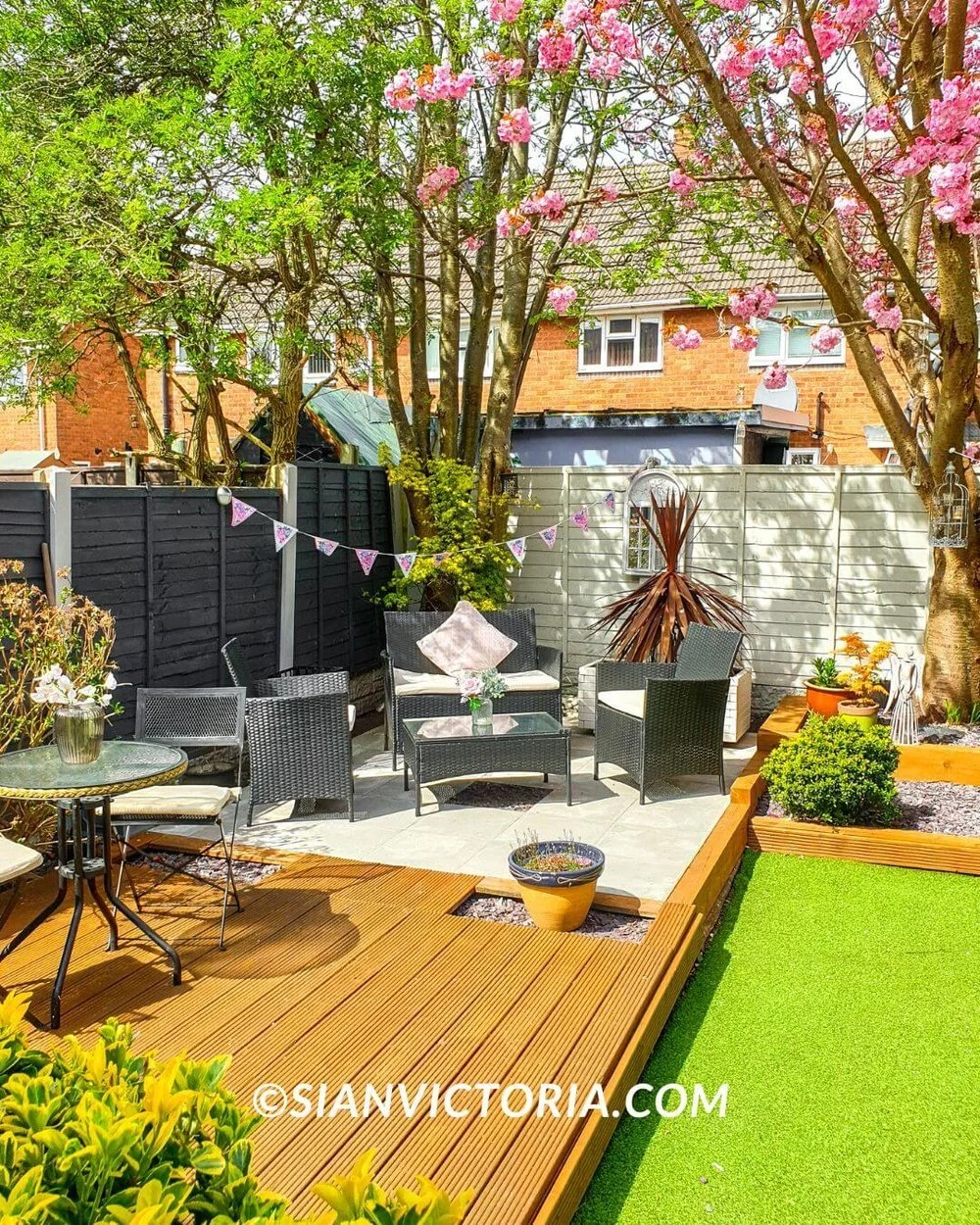
Permeable paving is perfect for pathways, driveways, and patios. It provides durability while also supporting a greener outdoor space that can be used to work or lounge. Plus, it contributes to better water quality by filtering pollutants from stormwater. Another bonus is that these materials generally reflect heat better than conventional paving, keeping your outdoor area cooler during hot weather.
For a harmonious look, consider pairing permeable paving with other sustainable features, such as rain gardens or mulching. Whether you're updating existing walkways or planning new ones, choosing permeable paving can make a real difference in creating a more eco-friendly garden.
8. Rain Gardens
An excellent method of controlling stormwater runoff is through rain gardens while improving your garden's eco-friendliness. These gardens are designed as shallow depressions that capture and filter rainwater from roofs, driveways, and other hard surfaces. A successful rain garden begins with choosing moisture-tolerant plants that can thrive in varying conditions, whether wet or dry. Consider ferns, sedges, and specific types of ornamental grasses; they bring beauty to your garden while improving soil structure and helping water soak in better.
When setting up your rain garden, start by picking a spot that naturally collects water, like a low area in your yard. Dig a shallow basin and mix in some compost to improve the soil’s ability to retain moisture. It’s important to size your garden to handle runoff from a typical rainstorm, based on the areas that contribute to this runoff.
Layering soil, sand, and gravel at the base prevents water from collecting and aids in drainage. Arrange your plants according to how much moisture they prefer, placing the most water-loving varieties in the deepest part of the garden. Adding a berm or a low wall around the garden can help contain the water and direct it towards the plants.
Rain gardens not only manage water effectively but also give local creatures a place to live and food. They’re a win-win for both your garden and the environment, adding to the overall quality of your outdoor space.
9. Mulching
Mulching is a great practice for making your garden more sustainable. It involves putting a layer of material over the surface of the soil to increase soil health and support plant growth. Using organic mulches like straw, wood chips, shredded leaves, and compost is especially beneficial since they decompose gradually, returning nutrients to the soil.
Mulch helps regulate soil temperatures, which is important for keeping plants healthy. It also helps keep moisture in the soil by reducing evaporation, so you won’t have to water your garden as often. Additionally, it prevents weeds by obstructing sunlight from reaching weed seeds, minimising competition for water and nutrients.
When mulching, try to get a thickness of around 2-4 inches. Just make sure it’s not piled up against plant trunks or stems to prevent decay. Refreshing the mulch layer each year will help maintain its effectiveness and improve the appearance of your garden.
Mulch neatens pathways and areas around trees and shrubs and supports healthier plant growth. In vegetable gardens, it can help keep produce cleaner by preventing soil splashes. Overall, adding mulch to your gardening routine makes your garden more nutritious and resilient while looking great.
10. Solar Lighting
Solar lighting is a great way to bring both style and practicality to your garden while keeping your carbon footprint low. These lights soak up sunlight throughout the day and automatically light up your outdoor space at night. You can find them in various styles—from pathway lights and string lights to spotlights and decorative lanterns—so you can easily match them to your garden’s vibe. Long strings of solar festoon lights are particularly appealing, as they create a warm and inviting atmosphere, perfect for evening gatherings or cosy nights outdoors.
For the best results, place solar lights in spots that get direct sunlight for most of the day, and steer clear of shaded areas since too little sunlight can impact their performance. Most solar lights are simple to set up and don’t require any wiring or electrical skills, making them a hassle-free option for anyone who enjoys gardening.
Solar lights aren’t just eco-friendly; they also improve safety by lighting up walkways and entry points, which helps prevent trips and falls. Some models even come with motion sensors, adding extra security to your outdoor space. Integrating solar lighting not only sets a warm and inviting mood but also supports a more sustainable and energy-efficient garden.
11. Edible Gardens
Growing your own vegetables and herbs brings several advantages, including lowering your carbon footprint and having fresh, organic produce available right at home. If you’re just starting out, consider planting easy options like tomatoes, lettuce, and basil. They do well in a variety of climates and don’t need too much attention.
Companion planting is a smart way to maximise your garden's potential; for instance, planting basil alongside tomatoes can improve their flavor and help keep pests away. If you're short on space, raised beds or containers are great choices. Just make sure they drain well and are packed with nutrient-rich soil, which you can keep healthy by adding compost regularly.
Vertical gardening is another method to consider. Trellises and hanging baskets can help you make the most out of limited areas. Plus, using organic mulch around your edible plants inhibits weeds and keeps the soil wet, and gradually adds nutrients back as it breaks down.
Make it a habit to harvest your veggies often. This encourages growth and lets you enjoy the freshest flavors possible. Adding an edible garden to your outdoor area not only supports a more sustainable lifestyle but also gives you the satisfaction of caring for your own plants and growing your own food supply.
To conclude
Creating an eco-friendly wildlife garden is not only rewarding because it lets you enjoy garden parties and lounging among nature, but it is also highly impactful. When choosing to plant native species, you can support local ecosystems while simplifying the overall care of your garden. Implementing techniques such as rainwater collection and drip irrigation allows you to save water efficiently, helping to maintain a lush garden while conserving valuable resources and reducing expenses.
Making use of composting for kitchen scraps and yard waste improves soil health and decreases reliance on artificial fertilisers. Additionally, using organic pest control methods and sustainable lawn care practices benefits the environment.
To manage water runoff effectively, consider adding permeable decking or paving, along with rain gardens. These features help reduce erosion and promote groundwater recharge, ensuring a healthy ecosystem. Mulching is another great practice that improves soil quality, retains moisture, and suppresses weed growth. Furthermore, installing solar lighting offers an eco-friendly way to illuminate your garden while increasing the outdoor security of your home.
Finally, growing an edible garden not only provides you with fresh, organic produce but also benefits your lifestyle while lowering your carbon footprint. So, when adopting these eco-friendly practices, you can create a vibrant, sustainable outdoor space that benefits both nature and yourself.