12 Design Blunders to Avoid for Flawless Home Interiors
*AD: In collaboration with The Mill Shop

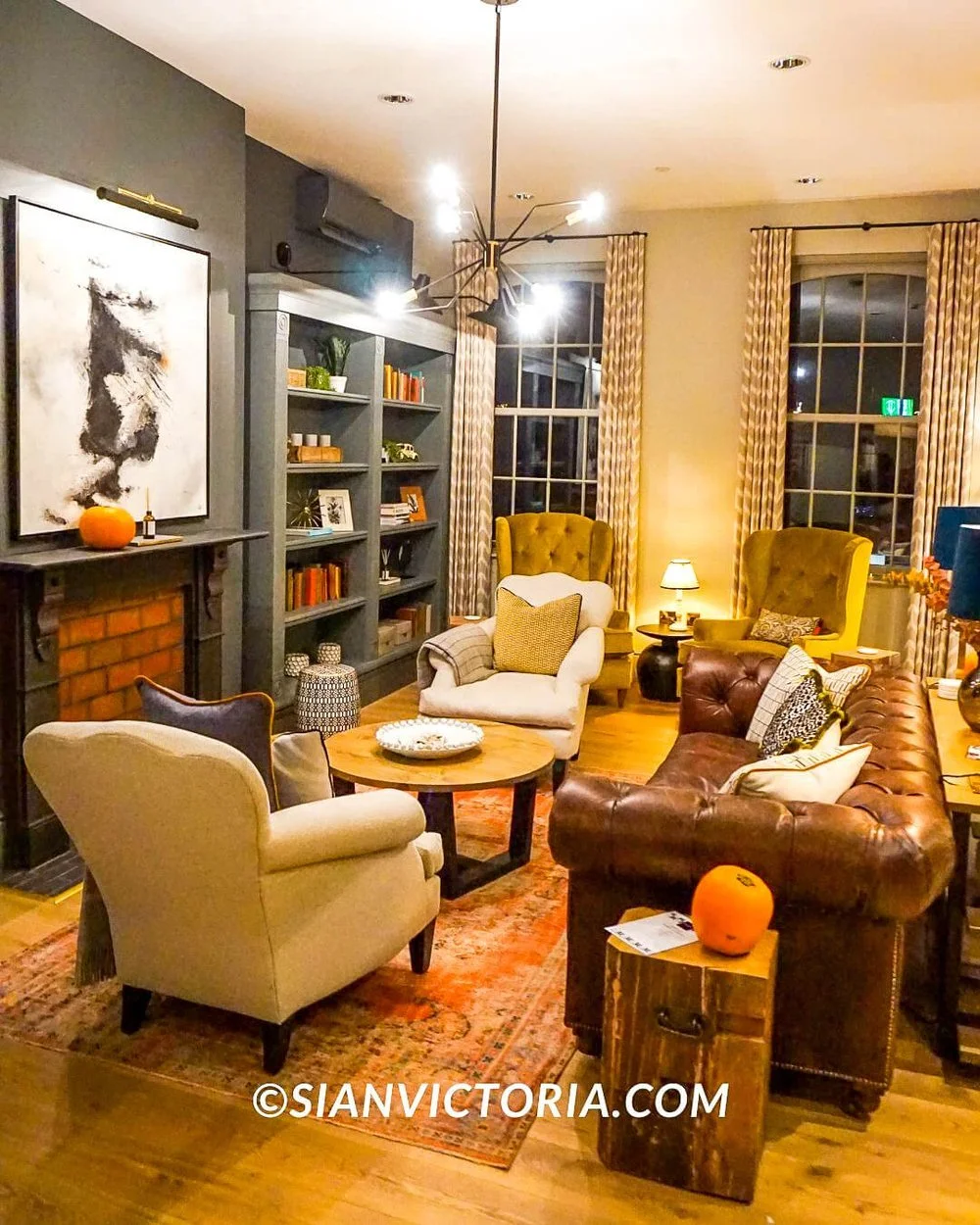
Sian Victoria © - The Whitmore Collection, Birmingham Apartments
Tips for Avoiding Home Interior Design Mistakes
Designing a warm and inviting house might be intimidating, particularly if you are not experienced in interior design. With so many aesthetic choices and furnishing options, it's ideal to avoid common mistakes that can detract from the look and usability of your space.
This article, in collaboration with The Mill Shop, will highlight the top 10 interior design mistakes to avoid to create beautiful and functional home spaces. By the end of this guide, you'll have tips to avoid these pitfalls and create a sophisticated, practical home.
So, let's explore the intricacies of home decor and provide guidance to help you succeed while avoiding common errors.
1. Overcrowding Your Space
One common mistake in home design is cramming too much furniture and decor into a room, which makes the space feel cluttered and disrupts its flow. Imagine having to weave through a sea of furniture to reach the sofa—not very practical or welcoming, right?
To avoid this, follow the "less is more" principle, something the Swedish are experts at as they embrace the Lagom lifestyle. Start by evaluating your space and determining what's necessary. Do you need three side tables in your living room, or can one suffice? To cut down on clutter, choose items that have several uses. For example, consider using an ottoman with storage that can also function as a coffee table.
Another practical approach is to arrange your furniture to create a sense of spaciousness. Placing more oversized items against walls can open up the centre of the room and ensure plenty of space to move around. A well-designed space is not just about what you put in it but also about what you choose to leave out.
Through my experience transforming an overcrowded living room into an airy, peaceful space, I've learned the importance of thoughtful curation over simply accumulating items. It's about creating an environment that reflects your style while maintaining balance and ease of movement. You can achieve an attractive and practical interior by being selective and intentional with your furnishings.
2. Neglecting Lighting Layers
Lighting is essential in home design, but it's often overlooked, leading to spaces that feel too dull or overly bright. The concept of lighting layers promotes ambient, task, and accent lighting to create a lively and inviting atmosphere.
While task lighting is intended for specialised tasks like cooking or reading, ambient lighting provides general illumination. Accent lighting adds depth and highlights artwork or architectural features. It's a mistake to rely solely on one type of lighting, as it can result in a flat, uninspiring space.
To avoid this, using various light sources at varying levels and intensities is ideal. For example, in my kitchen redesign, I combined recessed ceiling lights, pendant lights, and under-cabinet lights, enhancing both the room's aesthetic and functionality. Adopting the concept of lighting layers can change your home, turning everyday spaces into attractive spaces that cater to all your needs.

Sian Victoria © - The Whitmore Collection, Birmingham Apartments
3. Choosing Style Over Comfort
When choosing furniture and decor for your home, it's essential to prioritise comfort alongside style. I once made the mistake of opting for modern chairs that looked great but weren't comfortable. No one wanted to sit in them! That experience taught me that functionality should never be sacrificed in the name of style.
Before making any purchases, it's crucial to consider how you'll use the items in your daily life. Test drive the furniture to ensure it offers the comfort you require. Sitting on sofas and chairs and checking the lighting from lamps can make a big difference in how much you'll enjoy your space.
Combining ergonomic furniture into your home design can be a game-changer. Ergonomic pieces are designed to be both stylish and supportive, prioritising comfort and health. I found ergonomic options that fit my home's aesthetic, proving you can have the best of both worlds.
Remember, your home should be a place of relaxation and comfort, not just a showpiece. Prioritising pieces that promote relaxation will help you create a beautiful and inviting space you'll love to live in.
4. Overdoing Themes
Finding a balance is essential when designing your home with a specific theme. While it might be tempting to go all out, overwhelming your space with a theme can detract from its cosy feeling. I learned this hard when I went all in with a maritime theme. It became clear that subtlety is key. You don't need every room to scream 'nautical' to make the theme known.
Adding a few well-chosen pieces that nod to the theme rather than overtly shout it out can be more effective. For example, a striped navy and white rug or some sea glass-inspired vases can elegantly bring in the nautical vibe without overpowering the space.
Introducing a theme should enhance your home's personality, not overpower it. It's all about finding the right balance to create a comfortable, welcoming space that reflects your style and not just one narrow interest. This approach makes your design more timeless and gives you more flexibility for future updates.
5. Playing It Too Safe with Colours
Don't be afraid to add some vibrant colours to your home decor. Many people tend to stick to neutral tones, which can create a calm atmosphere but may also make your space feel a bit bland. You don't have to paint every wall a bright colour to add life to your home; small changes like colourful cushions, artwork, or a statement rug can make a big difference.
By starting small and gradually introducing more colour, you can transform a room's energy without feeling overwhelmed. Experimenting with colour is a great way to show off your style and mood, making your home a true reflection of who you are. And don't worry about making mistakes—when it comes to painting, nothing is permanent, and every attempt is a step toward mastering your home's interior design.

Sian Victoria © - The Whitmore Collection, Birmingham Apartments
6. Ignoring Texture and Pattern
Incorporating various textures and patterns is essential in interior design, as they can greatly improve any room's aesthetic appeal. Often, people focus solely on colour schemes and furniture arrangement, overlooking the significance of texture and pattern in creating a dynamic and lively environment.
Textures, such as the gentle touch of fabric curtains, the roughness of a wooden bookshelf, or the coolness of metal accents, provide a tactile experience that enriches the space. Meanwhile, patterns add visual interest and can prevent a room from feeling too uniform - think of striped curtains, geometric rug designs, or botanical motifs on wallpaper.
During my home renovation, I discovered the powerful impact of blending diverse textures and patterns. Incorporating plush velvet seating, knitted blankets, eye-catching printed curtains, and unique design cushions allowed me to create a multidimensional area that emanated comfort and style. Striking a balance is essential, as an excessive amount of texture or pattern can overwhelm a space, but the right combination can enhance depth and captivate the eye.
Take a moment to contemplate how you can integrate different textures and patterns into your own living space. For instance, you might contrast a sleek leather sofa with a patterned rug or pair a clear coffee table with vibrantly patterned curtains. A thoughtful selection of patterns and a mix of textures can add to your home's character and appeal, infusing it with your style.
7. Forgetting Personal Touches
Adding personal touches to your home's design is necessary for creating a space that represents individuality. This often-overlooked aspect of interior design sets a house apart from a home. It could be a cherished family heirloom, a collection of personal photographs, souvenirs from your travels or artwork created by close friends—these elements tell your unique story. These items bring warmth and character to your home, offering visitors a glimpse into your life and making your space more inviting and meaningful.
To incorporate these personal touches effectively, you may consider dedicated shelves or wall spaces for displaying your treasured items. Rotating these pieces occasionally can keep the decor fresh and reflective of your evolving tastes or significant life events. It's not just about filling spaces with possessions but curating a personal gallery that resonates with your identity.
By infusing personal stories into your decor, your home becomes a sanctuary that celebrates your journey, interests, and the people closest to you. Avoiding this design mistake ensures that your interiors are stylish and filled with the spirit of what makes them uniquely yours.
8. Underestimating the Power of Greenery
Adding indoor plants enhances the look of your home; they add vitality to every corner, creating a peaceful haven. Underestimating the influence of greenery is a common oversight, but it can be easily remedied.
Houseplants can turn a dull space into a lively, breathing environment, cleansing the air and introducing a pop of colour. Whether it's a majestic fiddle leaf fig standing out in a room or a cluster of succulents adorning your windowsill, each plant is crucial in bringing life and health into your home.
I've found that incorporating various indoor plants lifted the style of my living areas and my mood and productivity. Tending to them creates a daily routine and a sense of achievement. Choosing the right plants for your space is crucial, considering light levels and care requirements. For example, a snake plant thrives in low light and requires minimal maintenance, making it an excellent choice for beginners or people like me with hectic schedules.
Integrating plants into your home decor is a straightforward yet impactful way to enhance your living environment. It's an opportunity to embrace nature, bringing a piece of the outdoors into your retreat.

Sian Victoria © - Scandi style bedroom interiors
9. Misjudging Scale and Proportion
Getting the scale and proportion right when designing your home is crucial. Choosing either too big or too small furniture can throw off the balance of a room, making it feel cramped or empty. It's all about finding pieces that fit the physical space and complement it visually.
During my home makeover, I learned the importance of measuring the room and the furniture I planned to add, considering the room's size and ceiling height. For example, a tall bookshelf in a room with low ceilings can make the space feel smaller, while the perfect-sized sofa can tie everything together.
Before splurging on oversized items, try using painter's tape to outline dimensions on the floor and visualise the space. It's not just about the size of the pieces but also how they relate to each other and the space around them. Remember, achieving balance through scale and proportion is crucial for a well-designed home interior.
10. Skimping on Storage Solutions
Don't overlook the importance of having enough storage when designing your home. Lack of adequate storage can lead to cluttered spaces that detract from the beauty and functionality of your living space.
Incorporating intelligent storage solutions is essential to maintain a tidy and visually pleasing environment. In my home, I found that investing in built-in wardrobes and versatile furniture made sense and enhanced the overall appeal of each room. Choosing pieces of furniture with concealed storage, such as beds with drawers or coffee tables with compartments, allowed me to store everyday items out of sight while keeping them easily accessible.
Additionally, adding wall-mounted shelves provided a practical way to display books and decor without wasting valuable floor space. Replacing drawer slides and hardware improved existing storage functionality and contributed to a more streamlined interior look.
Creative storage solutions that utilise vertical space and seamlessly blend with your interior design are crucial. Remember, a clutter-free home is more inviting and comfortable to live in. Giving priority to innovative storage options helps create a more spacious, organised household that is visually appealing and functional.
11. Hanging Artwork Incorrectly
One common mistake that can throw off the look of your home is hanging artwork incorrectly. This happens often, making art look too small on big walls or cluttering up smaller spaces. Aim to centre your artwork at eye level, usually around 145 cm from the floor, to get it right. This rule ensures that your art can be seen without straining your neck or bending down.
It's also important to consider your artwork's size, furniture, and walls. A small piece can get lost on a large wall, while a big piece might overwhelm a space. In my living room, I've discovered that hanging artwork in groups can create a focal point, making the area more enjoyable. The spacing between multiple pieces is necessary; they are too far apart, seem disconnected, too close, and look messy. It takes some patience and experimentation to get the ideal balance.
And don't forget about frames – they can either enhance your decor or clash with it, affecting the room's overall look. Choosing frames that go well with your space, whether in colour, texture, or style, can seamlessly integrate artwork into your home, giving it a more polished feel.
12. Choosing the Wrong Rug Size
Picking the right rug size is crucial for a room's look and feel. It's a common mistake to choose a rug that's too small, as it can disrupt the flow of the furniture and make the space feel disjointed. However, a large mat can also overwhelm a room and make it look smaller.
The perfect rug size should anchor the furniture while creating separate areas without overpowering the space. In the living room, for example, the rug should be large enough for the front legs of the sofas and chairs to rest comfortably on it. I've found that measuring my living room and visualising the rug's placement before buying made a big difference. It completely transformed the space into a cohesive and inviting area.
One practical suggestion is to use painter's tape to outline the rug's dimensions on the floor. This will give you a clear visual guide to finding the perfect size. This step will help you avoid choosing the wrong rug size, ensuring your room maintains its aesthetic appeal and functional harmony.
To conclude
When designing your home, it's all about paying attention to the details and finding the perfect balance between style and functionality.
Avoiding common design mistakes like overcrowding, neglecting to use light, focusing too much on style rather than comfort, going overboard with themes, being too conservative with colours, ignoring texture and pattern, forgetting to add personal touches, underestimating the importance of greenery, misjudging scale, and not prioritising storage solutions is vital to creating spaces that not only look great but also genuinely represent your style.
Additionally, it's essential to ensure that your spaces are comfortable for everyday living. This includes considering seating arrangements, ease of movement, and practical storage solutions. Balancing these aspects will help create a home that is both visually appealing and functional for your daily needs.
*SHOP THE POST
Transform your home interiors by avoiding common design blunders with these must-have items! Brighten any space with an elegant set of dimmable LED lights that offer versatile illumination options. Enhance the ambience with a chic area rug that adds texture and cosiness to your floors. Complement your walls with stylish floating shelves, perfect for showcasing decor while maximising space. Upgrade your sofa with decorative throw pillows that bring colour and comfort to your living room. Finally, keep your home clutter-free and organised with a chic storage ottoman that may be used as additional seating. Incorporate these essentials for a flawless and functional interior design.