10 Things to Do Before Selling Your Home and Steps Involved
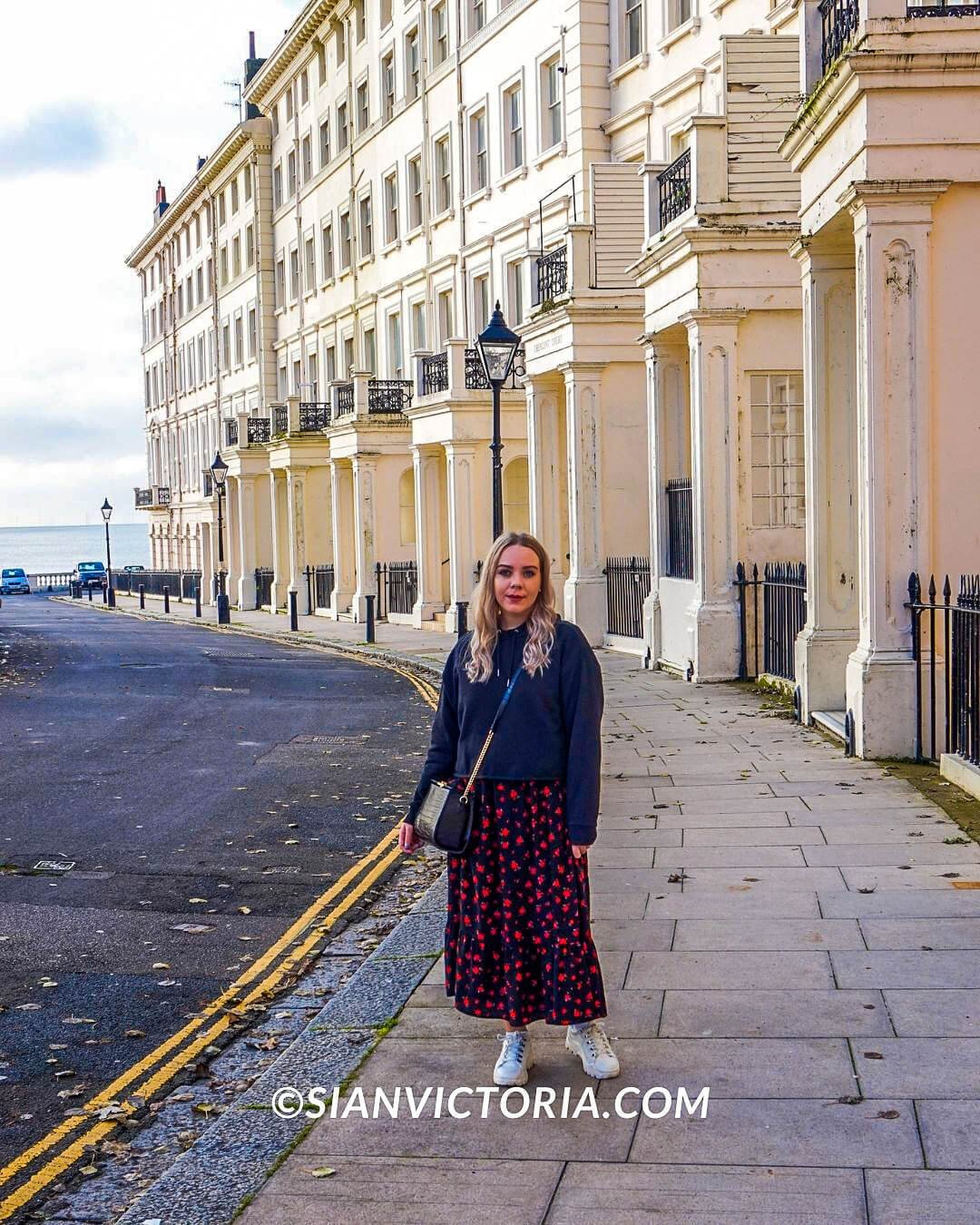
Sian Victoria © - Standing outside a row of homes in Brighton
Guide of How to Sell Your Home and the Process Explained
Selling your home is a big decision requiring careful consideration and preparation. Whether you’re moving for a new job, seeking a change of scenery, or wanting to take advantage of a hot property market, it’s important to showcase your home in the best light. To do this, understanding local market trends, making necessary upgrades, and marketing your property effectively can make a notable difference in appealing to potential buyers.
Taking the time to prepare your home may make the difference between a successful and speedy transaction or a longer, more stressful process. It’s helpful to know what today’s buyers are after—features, styles, and even little touches that can catch their interest.
In this post, I’ll share some practical advice and information to assist you in selling your house confidently. I’ll explain how you can make this journey smoother and more successful. From staging your home to understanding pricing strategies, I’m here to guide you through the ups and downs of the selling process.
What Professionals Do You Need to Sell a House?
When you're planning to sell your house, it’s a good idea to team up with a few professionals to help make the process smoother. Here is a brief summary of the main services you’ll need to sell your home:
Solicitor: Having a solicitor on your side can make a big difference. These legal pros are there to help you with all the legal stuff involved in selling a house. They’ll handle important paperwork, ensure that your contracts are solid, and communicate with the buyer's solicitor to get everything sorted for the transfer of ownership. Their expertise ensures that the sale goes off without a hitch.
Conveyancer: Conveyancers focus specifically on the legal side of property transactions. They can be solicitors who specialise in conveyancing or licensed professionals in their own right. Their main job is to manage the process of transferring property ownership, making sure all the legal requirements are met along the way.
Estate Agent: An estate agent is your go-to person for marketing your property and finding potential buyers. They help you figure out the right price for your home, arrange viewings, and negotiate offers. Plus, they can offer tips on how to present your home in the best light to attract buyers. Their industry connections and advertising strategies can really help you find the right buyer.
Mortgage Broker: If you’ve got a mortgage on your property, a mortgage broker can guide you on how to handle it during the sale. They are also helpful if you're thinking about buying another place after selling your current home. They can help you find the best financial options to suit your needs.
Surveyor: While surveyors are often hired by buyers, they can also be valuable for sellers. You might choose to get a property survey done to check for any issues that could pop up during the sale. Identifying and addressing these problems ahead of time makes your home more appealing to prospective buyers.
So, when it comes to selling your house, teaming up with these professionals can help simplify the process and keep everything on track. It’s all about making the process as straightforward as possible, ensuring you can close the chapter on your old home and move forward with confidence.

Sian Victoria © - Beautiful large home surrounded by trees
Overview of the Legal Process for Selling a Property
Selling a property can often feel like wandering through a maze of rules and paperwork. It all kicks off with picking the right estate agent to not only market your home but also guide you through the sales process. You’ll want to choose an estate agent who are open about their fees and what services they provide—this way, you won’t run into any unexpected surprises down the line.
Once you’ve got your estate agent sorted, it’s time to bring in a solicitor or conveyancer. These professionals play a key role in this journey. They handle the legal documents, prepare contracts, and take care of all the property forms that are part of the sale.
After you accept an offer, your solicitor jumps into action to keep everything on track. During this time, they’ll verify the buyer’s finances and carry out important property searches. These checks might uncover issues related to local authorities, environmental concerns, or even water and drainage matters that could impact the sale.
You’ll also need to gather a few important documents yourself, such as proof of ownership and any warranties or guarantees related to work done on the property. The buyer’s solicitor will look over these details and may ask for more information. Thankfully, your solicitor will handle those inquiries for you.
When everything looks good, and you and the buyer are on the same page with the contract terms, you’ll move to the exchange of contracts. This is a significant moment because it’s when the deposit gets paid, making the sale legally binding. The final step is completion, where the remaining funds are transferred, and ownership is officially handed over to the buyer. Throughout this process, your solicitor will take care of the financial transactions and ensure that the Land Registry updates correctly reflect the new owner.
When following these steps, you can make the property selling experience as smooth as possible, ensuring that you stay informed and prepared for what lies ahead.
Tips for Selling Your Home
Now that you understand which professionals you'll need to work with to sell your home and the general process involved, I will explain the best ways to enhance your home's appearance, both inside and out. I'll also outline the main steps involved in selling your home to ensure everything goes smoothly. This way when you make the effort to improve your home's look, you can maximise its value and attract potential buyers quickly.
1. Boost Curb Appeal
Making a strong first impression of your home to buyers, starts with the exterior. Your front door can look fantastic with a new coat of paint. Your home will feel more welcoming right away if you combine that with some sleek, contemporary hardware. It's surprising how much of an impact such a small alteration can have.
Your garden is another area that deserves some attention. A well-kept lawn, trimmed hedges, and tidy flower beds can significantly add to your home’s curb appeal. Including some hanging baskets or potted plants here and there can bring in a splash of colour that catches the eye and brightens up the space.
Don’t forget about the paths and driveways leading up to your home. Removing weeds, fixing cracks, and ensuring smooth surfaces can make a world of difference. If you’ve got a pressure washer, use it to thoroughly clean your exterior walls, driveway, and walkways. You’d be surprised how a good power wash can make everything look brand new.
Outdoor lighting is another element that’s worth considering. Upgrading your light fixtures can highlight the best features of your home while also providing safety and security. Make sure your house numbers are visible and in good shape, as these small details show that you care about your home’s appearance.
Lastly, take some time to check your roof and gutters. Removing dirt and leaves from the gutters and inspecting for any damaged or missing tiles will help keep everything in tip-top shape. When potential buyers see a well-maintained exterior, it sends a clear message that the home has been cared for, creating a positive impression right from the start.
2. Declutter and Remove Personal Items
Preparing your home for sale can feel like a big task, but creating a warm and tidy space doesn’t have to be hard work. When you get started, take it room by room. Start organising your possessions and putting them aside if there’s anything you don’t really need right now. Personal photos, keepsakes, and extra furniture can make your space feel cramped, so it’s a good idea to pack those away.
If you have items you want to keep but don’t use daily, renting a storage unit can be a helpful option. This clears out your home and sets a welcoming tone that potential buyers will appreciate. Don’t forget about your cupboards and closets—they’re often a big area of interest for buyers. Make sure these spaces are organised and free of clutter since people like to see how much storage a home offers.
In the kitchen, clearing off the countertops is a simple trick to make the space feel larger. Stash away small appliances like your air fryer, toaster and blender to showcase that practical kitchen area. For the bathroom, keep personal hygiene products out of sight and display just the basics. A neatly folded towel and a stylish soap dispenser can go a long way toward creating a clean look.
Using neutral colours in your décor helps make a blank canvas that will appeal to more people with different likes. This way, buyers can focus on the space itself rather than getting caught up in your personal style, which may put them off. The goal is to help them envision how they could make the home their own.
With these tips, you’re on your way to making your home more appealing to buyers without losing your personal touch!

Sian Victoria © - Exterior of a modern new build home with landscaping
3. Undertake Necessary Repairs
Getting your home ready for sale is all about making a great first impression. Before you hit that 'list' button, take a moment to address those small repairs that have probably been on your to-do list for a while. Things like leaky faucets, chipped tiles, or outdated fixtures might feel minor, but taking care of them can really boost your home's appeal to potential buyers. When they see a well-maintained property, it gives them confidence that they’re making a smart investment.
Focus on high-traffic areas, like the kitchen and bathrooms. I always recommend tightening loose cabinet doors, replacing worn seals around sinks, and checking that all your appliances are running well. Consider improving the lighting in your bathroom to create a cleaner, brighter and more inviting space where buyers can envision themselves grooming without the annoyances of lack of light. And don’t forget to check for any safety issues – like shaky railings or faulty electrical outlets – and fix those right away.
Windows and doors also deserve some attention. Make sure everything opens and closes smoothly, and if there are any broken locks or cracked glass panes, those should be sorted out as well. In shared spaces, addressing scuffed hardwood floors or stained carpets can really stand out since those are often the first things buyers notice.
Don’t leave out the outside of your home either. Repair any broken fences and check that your roof is in good condition. Taking care of these repairs not only makes your home more inviting but can also smooth out the selling process. Attending to these details can make your home feel more polished and ready for the market.
4. Stage Your Property
Preparing your property for sale is all about grabbing the attention of potential buyers. A little staging can go a long way in making a positive impression. One of the first things you might want to do is rearrange your furniture. Creating a welcoming vibe with an open layout helps buyers envision themselves moving around comfortably.
When it comes to colours, choosing neutral shades for your walls and furnishings can really pay off. Because these colours suit a variety of tastes, buyers can more easily envision how they could personalise the room.
In the living room, try to set up the seating in a way that encourages conversation. Adding a few personal touches, like a platter of fresh fruit and an arrangement of fresh flowers or some eye-catching artwork, can uplift the room and make it feel inviting. Moving to the kitchen, keeping countertops clutter-free is a must. A nicely set dining table showcases just how inviting it can be for family meals or casual get-togethers.
For the master bedroom, think about creating a relaxing, luxurious atmosphere. Invest in plush bedding and keep decorations simple to make the room feel serene. This helps buyers visualise it as their own personal retreat.
Don't skip over the bathroom; cleanliness really makes a difference here. Stocking fresh towels and displaying attractive toiletries can create that spa-like feel that many buyers appreciate. A few thoughtful details, like scented candles, can add a nice touch.
Lighting is another important aspect. Making sure each room is well-lit is key, so consider combining natural light with different lamps to create a warm and inviting ambience.
When preparing your home for a showing, it’s also crucial to check for signs of mould and dampness. Look out for any dark patches on walls, a musty smell, or peeling paint, as these can indicate moisture issues. Inspect areas like bathrooms, basements, and around windows, which are common spots for mould growth. Addressing any signs of dampness early on can not only improve the appearance of your home but also ensure a healthier environment in your home. A well-maintained space, free from mould, not only looks better but also reassures potential buyers that your home is in good condition.
Lastly, take a look at your outdoor spaces. Ensuring that your garden is presentable with well-maintained landscaping is key. Any signs of poor decking or unkempt areas can detract from the overall appeal. Arranging garden furniture in a way that highlights how great it would be for entertaining at garden parties can really catch a buyer's eye. Thoughtful staging is all about helping potential buyers feel a connection to your home, and taking care of these outdoor details can significantly increase your chances of a successful sale.

Sian Victoria © - Mid-century style living room with black fireplace
5. Price Your Property Correctly
Pricing your property correctly is a key step in the selling process, and it definitely requires a thoughtful approach. First off, take some time to investigate the local housing market. You’ll want to get a grip on how much comparable houses are selling for in your neighbourhood. Keeping an eye on recent sales and actively monitoring listings around you can give you important insights into where your property stands.
Dealing with a competent real estate representative can really make the process smoother. They have a knack for spotting potential pricing pitfalls and can guide you through the complexities of the market. A comparative market analysis (CMA) can be a helpful tool here, as it allows you to compare your home to recently sold properties, helping you set a fair and competitive price.
Don’t forget to consider the unique features your home might have. Whether it's a new kitchen, a renovated bathroom, or just a lovely garden, these aspects can add to your home’s value. That said, keeping a realistic view of what those features are worth is important. It’s easy to get carried away and overestimate, which can lead to disappointment down the line.
You should also think about the overall condition of your property. If there are areas that need repair or updating, you may need to set a more modest price. On the flip side, if you’ve made recent upgrades, such as functional additions like a full bath with a macerating system and high-end finishes like decorative wall panels and kitchen sides and cabinets it could warrant a higher asking price.
Finally, stay flexible with your pricing. If your home isn't attracting interest or you’re not getting any offers, it might be time to reassess your strategy. The price you initially set can greatly affect how quickly your home sells and how smoothly the entire process goes.
In the end, setting the right price is all about combining what you know about your home with the realities of the market.
6. Market Your Property Effectively
In order to draw in a diverse array of potential buyers for your property, mixing up your marketing strategies can make a big difference. First off, make sure your home stands out on popular online platforms. High-quality photos and an engaging description that highlights what makes your property special can really draw people in. And if you can, add a virtual tour of your home with a well-developed video, 360-degree photos and floorplans! It’s a great way for potential buyers to get a feel for the place without having to step foot inside.
Don't forget about social media. Platforms like Facebook, Twitter, and Instagram can help you reach a broader audience. Sharing eye-catching posts and updates can bring more eyes to your listing before you know it.
On the offline side, don’t overlook traditional methods. Create some appealing flyers to share in your local community, and think about hosting an open house. This gives interested buyers a chance to walk through your home and ask any questions they might have—it's a chance to really engage with them. Plus, teaming up with a proactive estate agent can be a smart move. Make sure they’re using their network to get the word out and are active with their advertising efforts.
Combining these online and offline tactics can really boost your property's visibility and help you attract more potential buyers. Just remember, the goal is to showcase your home in the best light possible!

Sian Victoria © - Tightening screws on the kitchen cupboards
7. Get Ready for Viewings
When it comes to showing prospective purchasers your house, making a solid first impression is key. Start with a thorough clean. Focus on areas that people notice right away, like the kitchen, bathroom, and living spaces. Don’t forget the details—clean windows, polished surfaces, and spotless floors can really make a difference. It’s also a good idea to declutter each room. A tidy space will have a more open feel, which can help buyers envision themselves living there.
Creating a warm atmosphere is another way to impress. Open those curtains and blinds to let in lots of natural light, and don’t hesitate to turn on lights in any darker corners. Personal touches can bring life to the space, whether that’s arranging fresh flowers or placing a bowl of colourful fruit on the counter. These little things can give your home that cosy vibe that many buyers are after.
Comfort matters, too. Make sure the temperature is just right—warm in the winter and cool in the summer. If you have pets, it might be best to keep them out of sight during showings. Some visitors may not feel comfortable around animals, and you want them to focus on your home.
Finally, pay attention to any lingering odours. A pleasing scent can have a profound impact. Open the windows for a good air out, use air fresheners, or even bake some cookies or bread before a showing. There’s something about a nice scent that can welcome buyers and create a comfortable atmosphere.
These simple steps can help make your home more appealing and create a positive impression that lasts.
8. Collaborate with a Professional Estate Agent
When it's time to sell your home, having a knowledgeable real estate agent can really make things easier. They know the ins and outs of the property market, which helps when it's time to set a competitive price and decide the best time to list your home. An agent isn’t just about the numbers; they offer practical insights on how to present your property so it grabs the attention of potential buyers.
One of the big perks of working with an estate agent is their extensive network. They’ve built relationships with potential buyers, other agents, and industry insiders, ensuring your home gets the exposure it needs. This network can be incredibly helpful in generating interest and attracting serious offers.
Coordinating home viewings can quickly turn into a juggling act, but that’s where estate agents really shine. They take on the task of scheduling everything and handling inquiries, allowing you to relax, knowing they’ve got it covered. Plus, they gather feedback from visitors, which can be a valuable tool in making your property even more appealing.
Negotiation is another area where agents excel. They manage offers and counteroffers with finesse, working hard to get you the best deal possible. And, let’s not overlook the paperwork—they handle all the legal documents so that everything is in order and submitted on time. This kind of support can significantly reduce the stress associated with the selling process, making it a lot smoother overall.
So, if you're ready to sell, consider bringing a skilled estate agent on board. It might just be the best move you make.

Sian Victoria © - Tin of paint in a living room
9. Handle Offers
When you begin receiving offers for your property, it’s a good idea to take a step back and look at each one carefully. Sure, the offer price can grab your attention, but you’ll want to consider the buyer’s financial background and the specifics of their proposal, too. Sometimes, a slightly lower offer could actually be more attractive if it comes without the headaches that a higher bid might involve.
Having a knowledgeable estate agent on your side can make this entire process smoother. They can assist you in balancing the benefits and drawbacks of each offer and can negotiate terms that work best for you. You might want to think about how quickly you want to complete the sale or if there are any requests for repairs or financial credits. Their experience really comes in handy here. Plus, it's smart to evaluate how likely each buyer is to secure financing and whether they genuinely want to follow through with the purchase.
If several buyers show interest, your agent can manage that situation effectively, too. A common strategy is to ask everyone to submit their best and final offers. And keep an eye out for any offers that depend on the buyer selling their current home, as that can affect your sale’s timing and certainty.
Maintaining clear communication with potential buyers is also important throughout this process. It creates a friendly atmosphere for negotiations and keeps everyone informed. After all, a smooth transaction is what we all hope for when selling a home.
10. Legal Considerations in Selling
Selling a property involves quite a few steps, and it’s definitely more than simply posting a "For Sale" sign and hoping for a buyer. One of the smartest moves you can make is teaming up with a solicitor. They know the ins and outs of property law and can really simplify the entire process for you.
First off, your solicitor will take care of all the legal paperwork you’ll need. This starts with drafting and reviewing the contract of sale, and it continues all the way through ensuring that the transfer of deeds happens without a hitch. Their expertise helps you avoid any nasty surprises down the road, which is something we all want when selling.
Beyond the paperwork, your solicitor will conduct some important checks. They’ll verify the buyer's financial situation and perform various property searches. This could include local authority checks to spot any potential issues concerning planning permissions or restrictions. Additionally, environmental assessments and water drainage evaluations can uncover any underlying problems you might not have considered. It’s all about protecting yourself from future complications.
Another part of your solicitor's job is communicating with the buyer’s legal representative. They handle questions, provide necessary documents like proof of ownership, and share any warranties related to work done on the property. When it comes to negotiation, having someone experienced on your side can really make a difference, especially if any discrepancies in the documents pop up.
On the financial side, your solicitor will oversee the transfer of funds and make sure everything is properly registered with the Land Registry. Managing these details lets you breathe a little easier, knowing that your interests are being looked after throughout this often stressful process.
Overall, having a solicitor on your side turns a complicated sale into a smoother experience. Whether you’ve sold properties before or this is your first time, their expertise can help you feel more confident as you move forward.

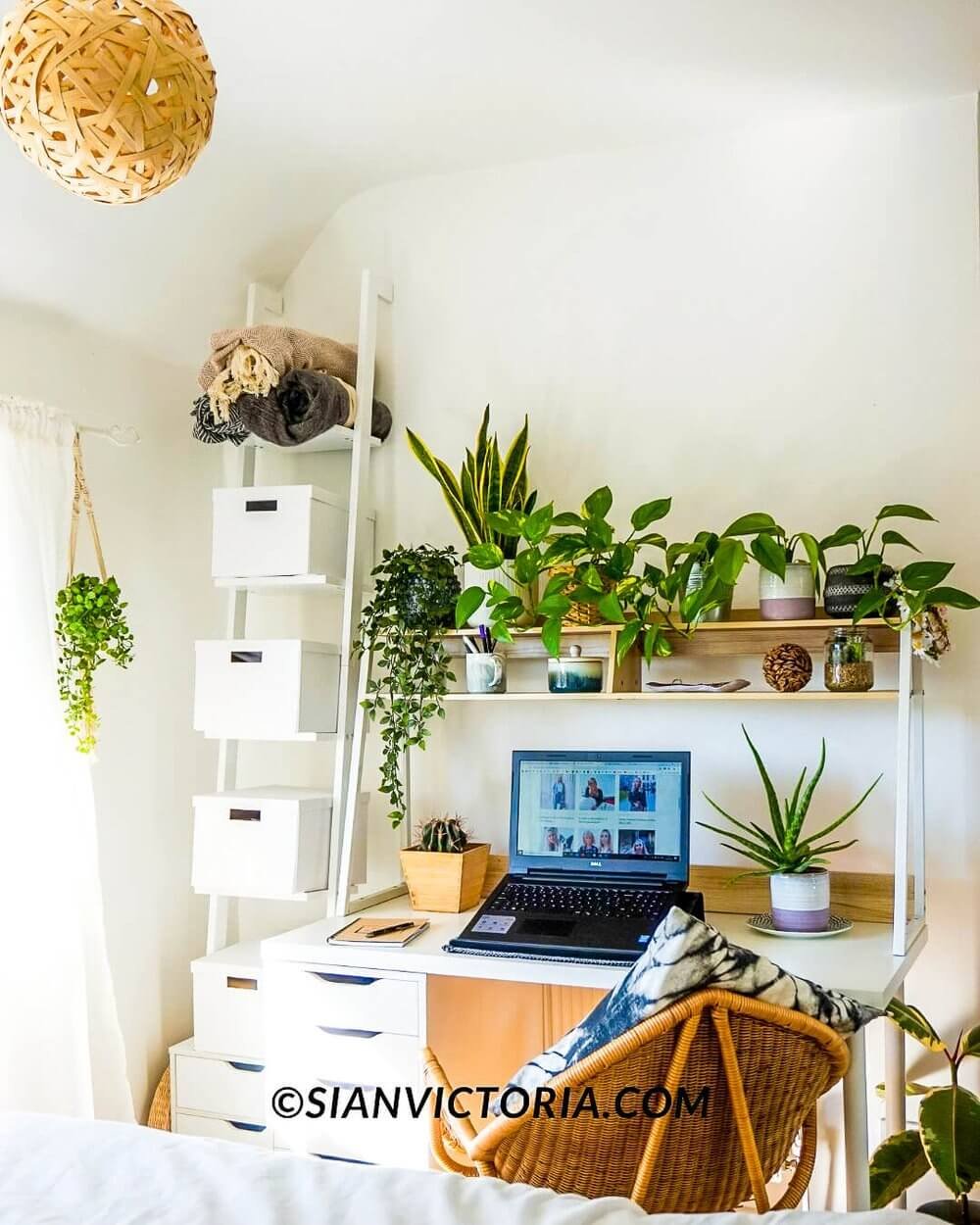
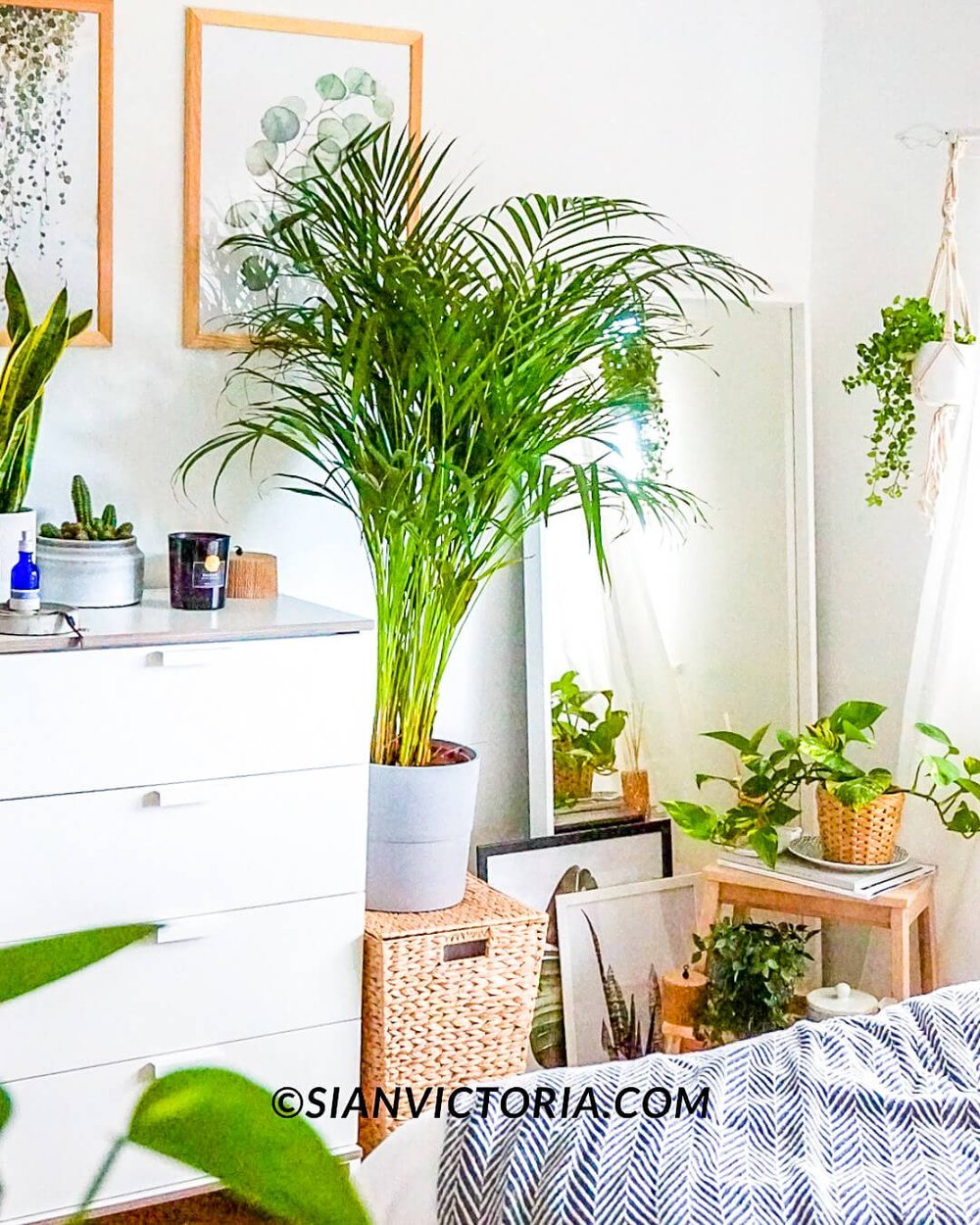
Sian Victoria © - Clean, modern and fresh bedroom with plants
To conclude
Selling your home can feel complicated, they say buying a home and moving homes is one of the most stressful things some experience in life, but with the right steps, it doesn't have to be. A big part of attracting buyers starts with how your home looks from the outside. A well-maintained exterior can grab attention and make a fantastic first impression. Once potential buyers come inside, creating a welcoming vibe is key and making any necessary home improvements.
I recommend decluttering your space and organising it to show off its best features. Don’t forget to take care of any repairs—you want everything to feel fresh and inviting. Make sure to check the plumbing as well; addressing any leaks or issues can greatly enhance the overall appeal of your home.
Setting the right price is also a major factor in the selling process. I suggest taking some time to research current market trends in your area. This kind of insight helps in setting a competitive price that buyers will find appealing. A strong marketing plan can help you expand your audience and draw in additional possible clients. Keep your home neat and presentable for viewings; a clean and orderly space will resonate well with visitors.
Working with a knowledgeable estate agent can make a significant difference. They provide insightful information and contacts that may guide you through any obstacles you may face when selling your house. Additionally, as offers begin to come in, pause to carefully evaluate each one. Making educated selections can result in better results.
Lastly, don’t overlook the legal aspects. Hiring a reliable solicitor to handle the paperwork can keep things running smoothly. When following these steps, you’ll not only make your home more appealing, but you’ll also make the selling journey a lot simpler, leading to a successful sale.