12 Tips on What to Wear Hiking to Be Prepared and Comfortable
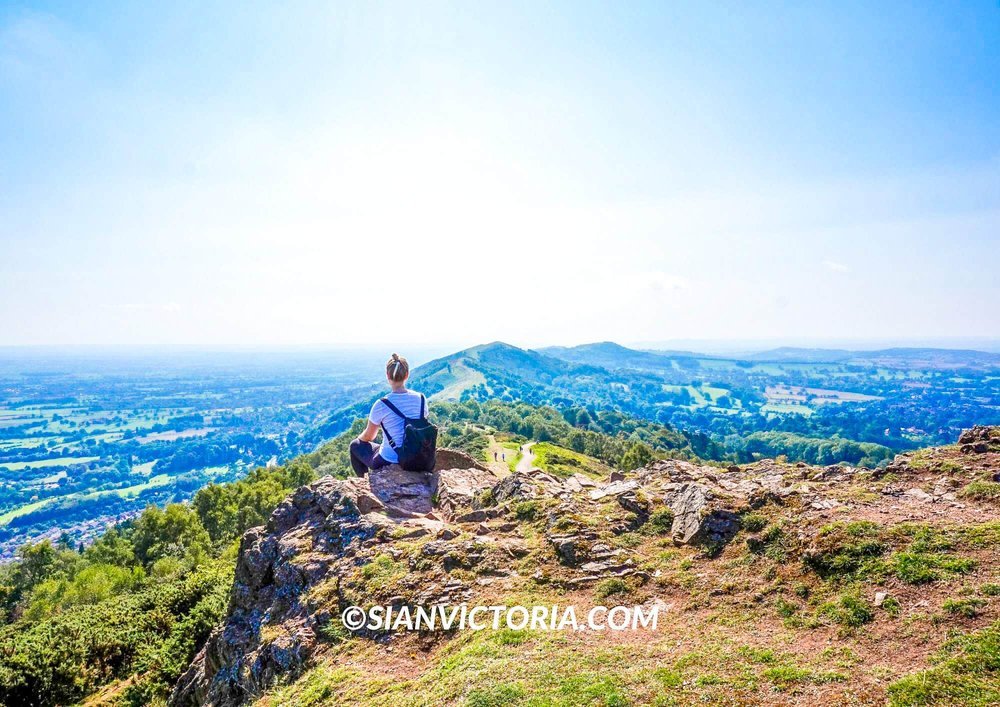
Sian Victoria © - Sitting at the top of Malvern Hills, England
Guide: What to Wear on Outdoor Walking Holidays and Trips
There is absolutely nothing worse than being three miles into a steep backcountry trail only to realise your shirt is chafing, your socks are bunching up at the toes, and a sudden afternoon drizzle is soaking straight through your clothes.
I’ve been there, and honestly, it completely ruins what should be a great day outside. What you choose to wear on a hike isn’t about looking like a sponsored outdoor influencer or spending a fortune at a premium gear shop. It is entirely about staying dry, comfortable, and safe when you are miles away from the nearest radiator or change of clothes.
Getting your clothing right for a walking holiday means you can actually look up and enjoy the views instead of cursing your poor wardrobe choices the entire way up the mountain. So, here is a straightforward, no-nonsense guide to nailing your hiking outfit, whether you’re just tackling a quick local weekend loop or heading out for a gruelling, full-day mountain trek.
1. Think in Layers, Not Just One Heavy Coat
Weather in the mountains or out in the woods changes incredibly fast. You might start your hike in the freezing early morning fog, sweat through your clothes during a steep incline, and then get hit by freezing winds the second you step onto an exposed summit. The best way to handle this rollercoaster is by dressing like an onion. You want to piece together a system of layers that you can easily pull off or throw back on as your body temperature fluctuates.
First, you have your base layer. This sits right against your skin, and its only job is to pull sweat away from your body so you don’t get clammy. Next comes the middle layer, which is your insulation. Think of a lightweight fleece or a packable down jacket that traps your body heat without adding a ton of restrictive bulk.
Finally, you have your outer layer, or the shell. This is your shield against wind, snow, and rain. If you get too hot while climbing a steep switchback, you just roll up a layer and chuck it in your pack. If the wind picks up while you’re eating lunch, you throw it back on. It keeps you perfectly regulated without requiring you to pack your entire closet.
2. Ditch the Cotton Entirely
If there is one absolute, non-negotiable golden rule of hiking apparel, it’s this: leave the cotton at home. That means no denim jeans, no classic cotton hoodies, and definitely no standard everyday cotton t-shirts. Cotton feels great when you're lounging around the house, but it behaves like a massive sponge on the trail. It holds onto moisture forever. Once you start sweating or get caught in a light shower, cotton stays wet, clings to your skin, and rapidly chills you right down to the bone the moment you stop moving.
This is the only time I’d recommend non-natural materials. Instead, look for synthetic fabrics like polyester and nylon, or natural performance options like merino wool. Merino wool is a massive favourite among long-distance hikers and is a top choice of clothing for marathon runners for good reason. It regulates temperature beautifully in both hot and cold weather, dries incredibly fast, and somehow doesn't smell terrible even after hours of heavy sweating.
3. Invest in the Right Footwear
Your feet do all the heavy lifting on the trail, so treating them well is a priority if you want to make it back without limping. The right shoe depends entirely on the specific terrain you are planning to walk.
If you’re sticking to relatively flat, well-maintained gravel paths, a pair of lightweight trail running shoes or low-cut hiking shoes will do the job perfectly. They give you flexibility and keep your feet light. However, if you’re tackling rocky, root-filled, muddy, or incredibly steep terrain, you will want a pair of sturdy hiking boots that offer solid ankle support and a stiff sole.
Whatever you buy, make sure there is a bit of wiggle room for your toes. If your toes jam against the front of your shoes while walking downhill, you are going to end up with bruised, black toenails by the end of the day.
4. Never Skimp on Your Socks
People will spend hundreds of pounds on top-tier boots and then wear cheap, thin everyday socks they found at the bottom of their drawer. That is a fast track to blister city. You need to pair your footwear with dedicated merino wool or synthetic hiking socks.
Good hiking socks are designed with extra, dense cushioning in the heel and the toe areas where friction happens most frequently. They also play a huge role in pulling moisture away from your skin.
A quick word of advice: Leave the old-school double-sock method behind. People used to think wearing two pairs of socks added extra padding, but in reality, it usually just creates extra friction, traps heat, and causes the exact blisters you were trying to avoid. One high-quality pair of hiking socks is all you need.
5. Check the Forecast (and Pack for the Worst Case)
The sky might look completely blue when you leave the house for your mini adventure holiday, but you should still pack a anorak jacket to shield you from rain. Wilderness weather is notoriously unpredictable, and a lightweight, packable waterproof shell is worth its absolute weight in gold when the clouds suddenly open up out of nowhere.
If you are hiking in the dead of summer under intense sun, opt for lightweight, long-sleeve sun shirts with a high UPF rating to avoid getting fried. If you are heading up to high altitudes where the wind whips across the ridges, a simple, windproof layer can keep you from freezing when you stop to catch your breath. Always look at the mountain forecast, not just the weather for the nearest town.
6. Keep Things Lightweight and Stretchy
When you are hiking, you want clothing that actively moves with you, not against you. Rigid fabrics or heavy canvas pants will tire you out unnecessarily and severely restrict your movement when you need to scramble over fallen logs or step up onto high rocks.
Look for lightweight hiking trousers, tech pants, or shorts that feature a bit of built-in spandex or elastane stretch. It makes a massive difference in comfort. Bonus points if the pants have a durable water repellent (DWR) finish, which allows them to easily shrug off a light mist or the morning dew clinging to overgrown bushes along the trail.
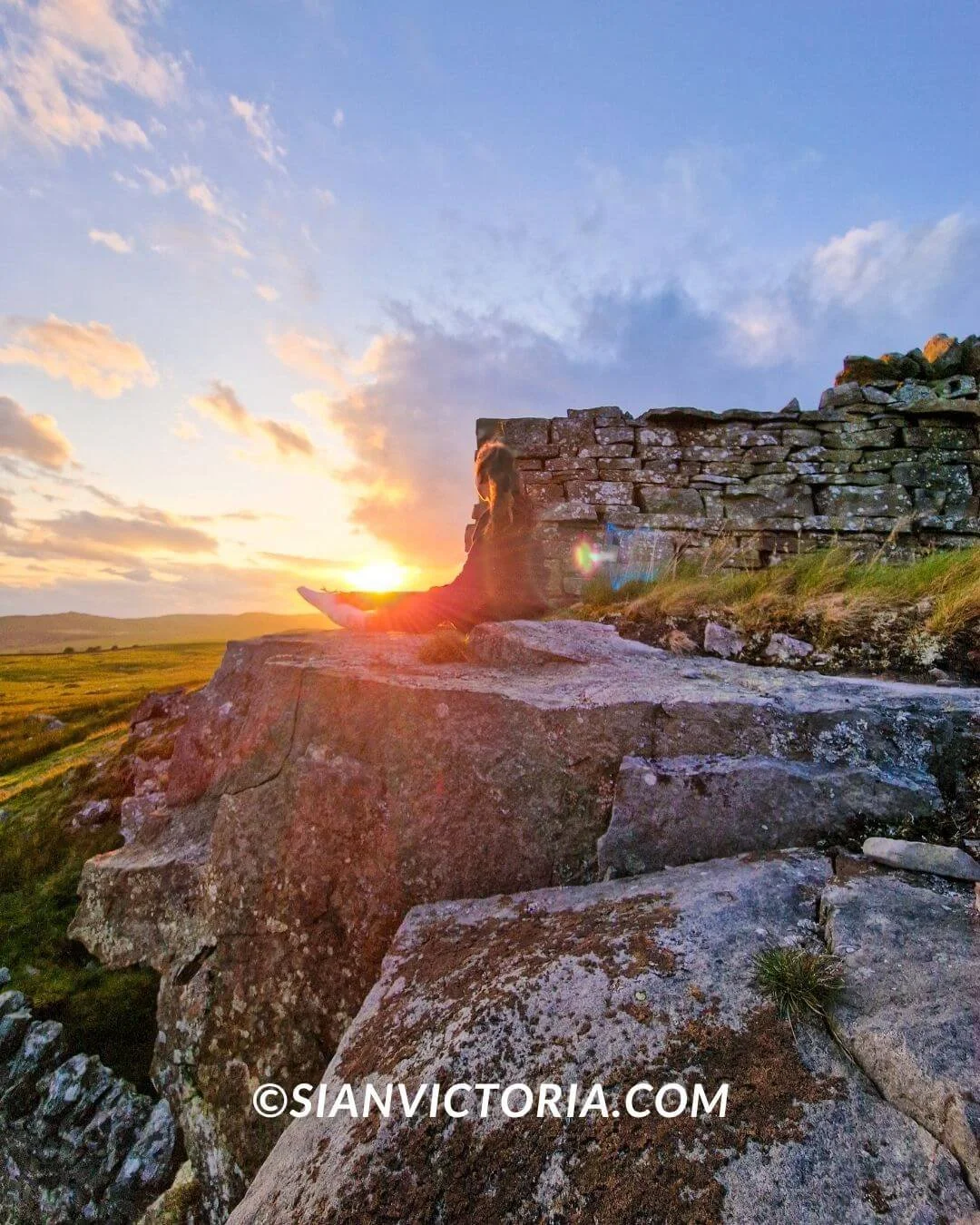
Sian Victoria © - Hiking in North Stainmore, Cumbria
7. Protect Your Head from the Elements
Spending a few hours under direct, relentless sunlight can sap your energy incredibly fast and leave you with a brutal headache before you even finish the hike. A good wide-brimmed sun hat offers the absolute best protection because it shields your face, ears, and the back of your neck all at once.
If you prefer a standard baseball cap, that works completely fine too—just remember to be extra diligent with the sunscreen on your neck and ears. Look for hats made from breathable, mesh-lined materials, so you don't end up trapping an oven's worth of body heat right on top of your scalp.
8. Bring Sunglasses Built for the Trail
Eye fatigue is a very real thing, especially when you are staring at bright dirt trails, highly reflective water, or patches of snow for hours on end. So, it's ideal to know how to protect your eyes during outdoor activities. A solid pair of polarised sunglasses cuts down on glare significantly and helps you see rocks, roots, and trail obstacles much more clearly.
Try to pick a pair that has a relatively snug, sporty fit. The last thing you want is a loose pair of fashion sunglasses that constantly slides down the bridge of your nose the exact moment you look down to get around a tricky, steep step.
9. Get a Pack That Actually Fits Your Body
You definitely don't need a massive, multi-day backpacking frame for a casual afternoon trip, but a proper, dedicated daypack (usually anywhere between 15 to 25 litres) makes a world of difference for your back and shoulders.
Look for a pack that includes a supportive waist belt and a chest strap. These straps aren't just for show; they shift the bulk of the weight away from your shoulders and down onto your hips, which are much better suited for carrying a load.
Having easy-access side mesh pockets for your water bottles and a small exterior zip pocket for your keys, phone, and snacks saves you from having to completely unpack your entire bag every single time you want a quick break.
10. Blend Out, Don't Blend In
Earth tones, deep greens, and muted browns like these cosy sweatshirts with birds on look fantastic in trail photos, but wearing high-visibility colours is a much smarter choice when it comes to basic safety during an adventurous trip.
If you ever happen to get lost, twisted around, injured, or caught out past dark, a bright orange, blue, or red jacket makes you instantly recognisable to search teams or other folks on the trail.
Furthermore, if you are sharing multi-use trails with fast-moving mountain bikers, a distinct pop of bright colour gives them plenty of advanced warning to slow down before they round a blind corner.
11. Use Accessories Wisely
You don't want to overpack unnecessary gadgets that just weigh down your bag, but you absolutely should bring along the specific extras that match your environment:
- Lightweight Gloves: A simple liner pair can completely save your fingers from freezing winds or rough rock scrambles early in the morning.
- Gaiters: If you are walking through deep mud, loose gravel, scree, or wet, overgrown grass, these wrap around your lower legs and shoes to keep annoying debris from slipping into your boots.
- Neck Gaiter: A simple cloth buff is incredibly versatile. It can protect your neck from sunburn, keep dust out of your mouth, or keep the chill off your face.
12. Do a Thorough Trial Run Before the Big Day
Never, under any circumstances, break in a brand-new pair of stiff boots or a brand-new pack on a long, gruelling twelve-mile hike. That is a recipe for disaster. Wear your new gear around the house while doing chores, take them on short neighbourhood walks, or test them out during a quick trip to the local park. Figure out if the backpack straps chafe against your neck, or if those new trousers ride up uncomfortably, well before you are miles away from civilisation and cell service.
To conclude
At the end of the day, sorting out your hiking gear isn't about following a set of strict, elitist rules—it's just about setting yourself up to have a great, uninterrupted day outside. If you stay completely away from cotton, protect yourself from sudden weather changes, and keep your feet happy and dry, you are already 90% of the way there. So, pack smart, double-check the local forecast before you leave the driveway, and go enjoy the trail!


