8 Tips For Picking Anorak Jackets and Outdoor Adventure Gear
AD: In collaboration with Heinnie Haynes

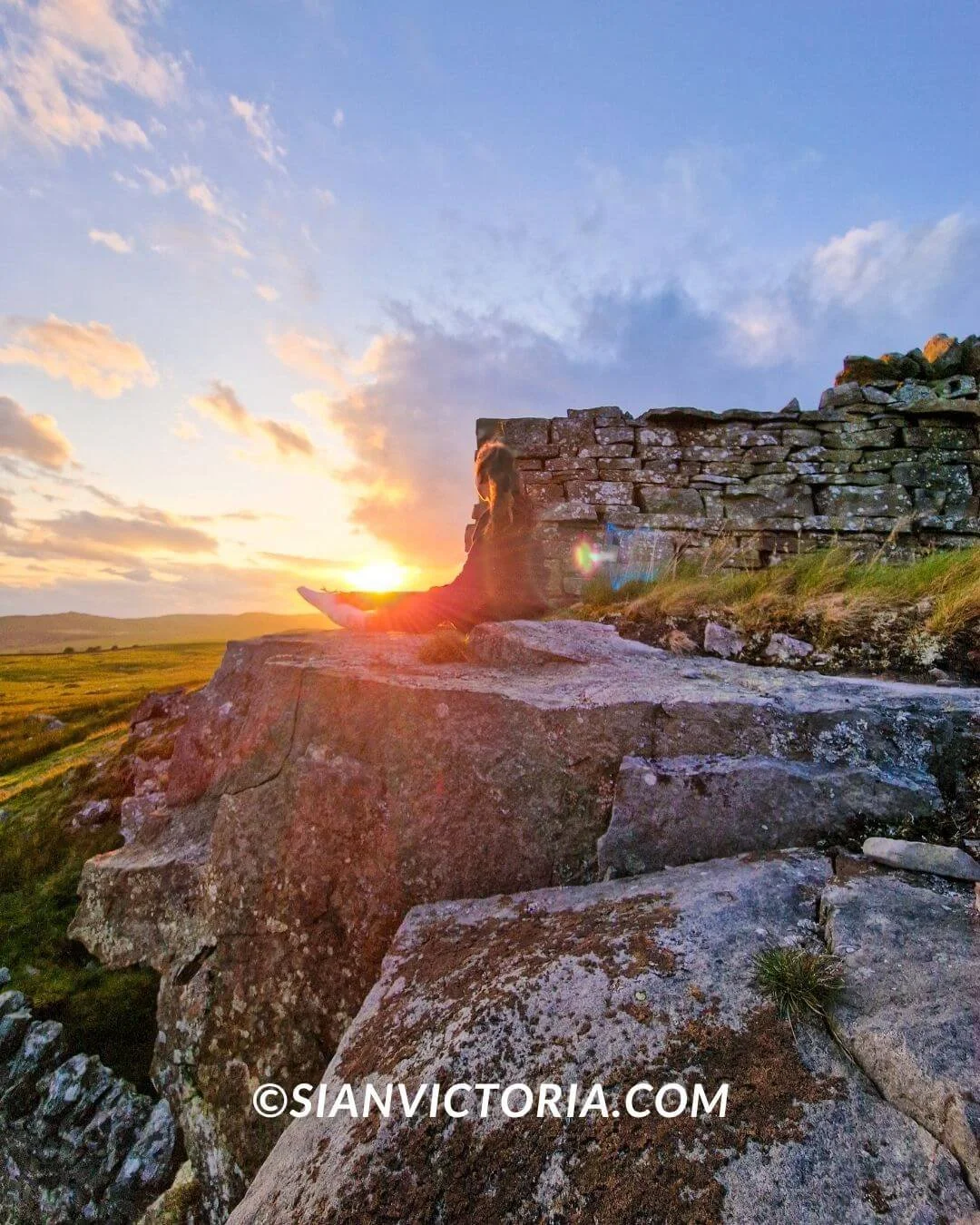
Sian Victoria © - Wearing an anorak jacket hiking in Cornwall
Guide to Choosing Outdoor Coats & Clothes for Adventures
Picking the proper clothing is necessary when gearing up for an adventure outdoors. The appropriate attire boosts comfort and significantly contributes to well-being and performance in varying conditions. With various options available, from waterproof jackets to layered outfits designed to adapt to changing weather—it might feel difficult to decide what you need.
Whether you're planning to hike through rugged mountains, stroll along forest trails, or wander coastal paths, it's essential to understand what to look for in your outdoor gear. In collaboration with Heinnie Haynes, this guide will offer some helpful insights and tips to make your choice easier and ensure you're ready for anything nature throws your way. When considering these essential features and how they apply to your specific outdoor activities, you will be better equipped for your adventures.
What is the Best Waterproof Coat on the Market?
When finding the best waterproof coat on the market, many think of anorak jackets. Typically, anorak jackets are long, full-sleeved, hip-length garments with a closed front and a small zipper for easy wear. Their design focuses on protection against cold and wet weather, making them an excellent choice for those needing reliable, waterproof outerwear.
Before your trip, consider these top-rated waterproof coats—these premium options offer superior protection and functionality. When picking the right activewear for your needs, I recommend ensuring it is made of breathable materials, has an adjustable hood, and ample storage pockets to enhance your outdoor experience.
Prometheus Defiant Hoodie: A hoodie remains one of the most essential items in a survival pack. Lightweight and versatile for rain and shine, investing in a durable hoodie anorak that performs well under pressure is necessary. The Prometheus hoodie is weatherproof and secure, protecting from the elements without unnecessary bulk. It can quickly adapt to various conditions, making it a reliable all-rounder.
Carinthia G-Loft ISG Pro: If you need something challenging yet incredibly comfortable, this jacket from Carinthia is an excellent choice. It's abrasion-resistant, making it suitable for challenging climates and terrain. With a fleece-lined interior and a secure hood, this jacket offers warmth and protection, making it the perfect companion for any outdoor activity.
TAD M-65 Rs Field Jacket: The M-65 is a proven military design in a classic Ranger Green colour that has gained extensive field experience since World War II. Its rugged yet flexible design allows for adaptability and manoeuvrability when needed. Stylish and functional, it's an excellent choice for any true adventurer.
1. Grasping Fabric Innovations
Outdoor clothing has come a long way, thanks to impressive advancements in fabric technology that cater to those who love adventure. Brands have introduced game-changers like Gore-Tex and eVent. These materials offer top-notch protection against both water and wind while still letting your body breathe. This means you can stay dry outside while moisture from your skin escapes, keeping you comfortable no matter the weather.
Softshell fabrics have also gained popularity. They combine hard shells' for rugged durability with traditional materials' for flexibility, making them perfect for activities that require freedom of movement without sacrificing protection.
Many modern garments now boast advanced lamination and coatings, creating substantial barriers against harsh conditions. Seam sealing is another crucial feature that helps prevent water from sneaking in through those tricky spots. Plus, with Durable water-repellent (DWR) treatments on the fabric, water is less likely to cling, allowing it to bead and roll off easily.
Breathability is critical, especially during high-energy activities. Fabrics designed to wick away moisture help keep you comfortable by maintaining a stable temperature, thus avoiding overheating or getting too cold. Innovations in synthetic insulation, like PrimaLoft, mimic the warmth of down while still performing well when wet, making them a smart choice for chilly adventures.
On the eco-friendly front, there's a growing trend toward recycled and sustainable materials. These options provide excellent performance without the environmental impact, allowing you to choose gear that aligns with your values.
Understanding these advancements in outdoor clothing can help you make smarter decisions about gear for all kinds of adventures, ensuring you're prepared for whatever nature throws your way.
2. Layering for Versatility
The multi-layer approach is highly effective for dressing for outdoor adventures. It's a versatile way to stay comfortable and protected, no matter what Mother Nature throws your way. The key is to use three essential layers: a moisture-wicking base layer, an insulating middle layer, and a protective outer layer.
The base layer's main job is to manage moisture. Opt for materials like merino wool or synthetics such as polyester, which do a great job of wicking sweat away from your skin. Keeping dry is critical for maintaining body heat and enhancing overall comfort during activities.
Next up is the middle layer, which provides insulation. Think fleece, down, or insulated synthetic jackets. These materials trap warm air close to your body, ensuring you stay warm without feeling bulky. If you're looking for lightness, synthetic insulations like PrimaLoft offer warmth without the extra weight.
The outer layer protects against the elements—wind, rain, or snow. A high-quality waterproof and windproof jacket is indispensable here. Modern materials like Gore-Tex and eVent offer fantastic protection without compromising skin airflow, perfect for high-energy outdoor pursuits.
One of the great things about layering is its flexibility. You can easily adjust to sudden weather changes or fluctuations in your activity level. For example, remove the insulating layer if you're hiking and feel too warm. Conversely, if the chill sets in, you can quickly add a layer of warmth.
Layering lets you personalise your outfit to fit specific conditions and style preferences. You can mix and match various pieces, ensuring you're always ready for whatever outdoor challenges lie ahead. This adaptive strategy enhances your comfort and prepares you for anything the adventure may bring.
3. Considerations for Weather
When you set out for the mountains or any off-the-beaten-path location, remember that the weather can change unexpectedly. That's why it's essential to choose your clothing wisely. The appropriate equipment can significantly increase your safety and comfort while on your excursion, whether facing the wind, rain, snow, or bright sunshine.
Waterproof and windproof outer layers are essential when it's windy and rainy. If temperatures dip, pack thermal wear to maintain your body heat. Conversely, lightweight clothing that provides UV protection becomes your best friend when the sun is blazing down.
By being mindful of these weather conditions and preparing accordingly, you'll be better able to handle whatever challenges nature throws.
4. Fit and Comfort
Finding the perfect fit is essential when picking the proper outdoor clothing. Clothing that's too tight can limit your movement and become uncomfortable, while pieces that are too loose might get in your way and feel clunky. The goal is to choose items that let you move freely without any excess fabric causing distractions. Comfort is paramount, especially on longer outings, as poorly fitting clothing can lead to chafing or skin irritations.
It's a good idea to try various sizes and styles to discover what works best for your unique shape and the activities you enjoy. Features like adjustable drawstrings, elastic hems, and Velcro cuffs can improve your comfort and allow you to tailor the fit to your needs. These adjustable options can accommodate layering, giving you a snug fit that responds to changing weather conditions.
Think about the activities you'll be engaging in. A tighter fit may benefit high-energy pursuits like climbing or trail running, while a looser style might suit a more leisurely day of camping or casual hiking.
The fabrics used in your clothing can also significantly affect your comfort levels. Opt for soft, breathable materials that help reduce the risk of skin irritation. Look for smooth seams and flat stitching to avoid annoying rubs leading to blisters or soreness during your adventures.
Lastly, try on your outdoor gear alongside the clothes you're considering. Putting on your backpack or any gear you plan to use will help you spot potential fit or comfort issues before you head out. Attention to these details will ensure that your clothing supports your outdoor experiences instead of hindering them.

Sian Victoria © - Wearing an anorak jacket hiking in Cornwall
5. Durability and Longevity
Durability and longevity are essential elements to take into account when choosing outdoor clothing. Your equipment must endure the difficulties of the wild, so it's wise to look for jackets and pants with reinforced stitching. This extra reinforcement at stress points gives your clothing the strength it needs to handle harsh environments.
Fabric matters, too. Opt for abrasion-resistant materials for activities requiring wearing certain clothes that protect you against rough surfaces. This will ensure that your gear stays put. Also, pay attention to the importance of sturdy zippers. Choose options with robust teeth and solid pulls, as these are much less likely to get stuck or break.
Ripstop fabrics can also be game-changers. They're designed to prevent small tears from turning into big problems, keeping your gear intact over time. Pay attention to the quality of little details like buckles and snaps; they should be made from dependable materials that can withstand regular use without falling apart.
Another factor is how well your gear withstands the sun and unpredictable weather. Prolonged exposure can wear out fabrics, so choosing materials designed for resilience is crucial.
Keeping your outdoor clothing in good shape isn't just about buying quality items—maintenance plays a huge role, too. Stick to the manufacturer's care guidelines to preserve features like waterproof layers and unique fabric treatments. When storing your gear, find a cool, dark place away from moisture and direct sunlight to help maintain its condition.
Additionally, consider investing in high-quality synthetic and natural fibres for longevity. Polyester and nylon fabrics are renowned for their resilience, while merino wool offers a cosy, durable option for base layers.
Investing in well-made, durable clothing saves you money on replacements and allows you to enjoy your adventures without worrying about gear failure. Durable gear provides lasting protection and comfort, allowing you to focus on what matters most—your outdoor experiences.
6. Weight and Ease of Packing
Weight is essential when gearing up for an adventure. Heavy clothing can quickly become uncomfortable and tiresome. Instead, opt for lightweight options that ease the burden on your back, enabling you to traverse greater distances with less fatigue. Seek out robust materials that can withstand outdoor challenges without being overly cumbersome.
Another essential aspect to consider is packability. If you're tight on space when packing, clothing that compresses easily is a game changer. Many modern jackets and trousers come with their stuff sacks or can be neatly folded into pockets, which helps keep everything in your pack organised and within reach.
Also, consider the bulkiness of your gear. Bulky items can take up precious space, making it hard to fit everything you need into your pack. Seek out streamlined designs that offer the protection and insulation you need without taking up too much room. Synthetic insulation like PrimaLoft boasts fantastic warmth for its weight, making it a smart choice for travel.
Layering is another strategy that can help manage both weight and bulk. By choosing versatile layers that can be mixed and matched, you can adapt to varying weather without needing to lug around several heavy pieces of clothing. Lightweight base layers, mid-layers, and outer layers that complement each other provide the necessary flexibility for any adventure.
Lastly, consider the volume of your packed clothing. Items that fold or roll into compact shapes will be far easier to handle. Compression bags and packing cubes can condense your gear, simplifying organisation and transport. By prioritising weight and easy packing, you'll create an efficient and comfortable kit ready for any adventure.
7. Ventilation and Moisture Management
Proper ventilation is essential for staying comfortable, primarily when engaging in activities that get your heart pumping, such as skydiving or hiking. When shopping for outdoor jackets and trousers, look for features like pit zips, mesh-lined pockets, and back vents. These details boost airflow and help prevent the dreaded overheating, allowing you to regulate your body temperature better, no matter how intense the activity.
Moisture management is another key factor in outdoor wear. Materials that efficiently remove perspiration from your skin can help keep you dry and maintain your body heat. Look for materials like merino wool, polyester, and advanced synthetic blends designed to pull perspiration away from your body and facilitate evaporation. This helps you avoid the uncomfortable, clammy feeling associated with damp clothing.
In cold weather, managing moisture is even more crucial. If your clothing gets wet, it loses its ability to insulate, making it much harder to keep warm. That's why choosing items that excel in moisture-wicking properties is essential, helping you stay cosy and dry.
When putting together your outfit, remember that layering is key. The base layer, which sits closest to your skin, should be made from moisture-wicking fabrics. The middle and outer layers should also allow for good breathability to prevent moisture from getting trapped between them.
Remember that the way garments are made matters, too. The general design and positioning of seams can significantly affect how well they ventilate and manage moisture. Well-placed seams can enhance airflow and, consequently, overall comfort.
Lastly, include accessories like moisture-wicking socks and gloves in your outdoor gear. These often-overlooked items are essential for managing perspiration and can significantly enhance your comfort while enjoying your adventures. Paying attention to these details can dramatically improve your outdoor experience.
8. Extra Features
When hunting for outdoor clothing, looking for characteristics that will significantly improve your travels and make your life hassle-free is essential. One significant aspect to consider is adjustable hoods. They shield you from wind and rain and let you tweak the fit to your liking—a plus when weather conditions are unpredictable.
Pockets are another essential element. Multiple pockets can be a game changer for stashing away things like maps, snacks, and gadgets, keeping everything within reach. Ensure they have secure closures like zips or flaps; you want your essentials to stay put while moving.
Safety shouldn't be overlooked, either. Reflective strips on outdoor gear can significantly improve visibility in dim light, which is crucial for hiking at dawn or running in the evening. Some jackets also come with built-in insect repellent—an absolute lifesaver in areas where bugs are prevalent, sparing you from constantly applying sprays or lotions.
Think about breathability as well. Features like pit zips or ventilation flaps allow for better airflow, helping you stay cool during intense activities or changing weather. Also, adjustable cuffs and hems let you create a snug fit that helps keep out the elements.
Versatility can be a significant advantage in outdoor gear, so look for clothing with modular systems. These designs allow you to add or remove parts like liners or hoods based on Mother Nature's demands.
Lastly, remember the little things, like the quality of zips and fastenings. Sturdy closures will help ensure that your clothing holds up when you need it the most—keeping it reliable on all your adventures.
To conclude
When picking out outdoor clothing, balancing quality and cost is ideal. While cheaper options may be tempting, investing in high-quality gear usually proves more cost-effective over time, as it lasts longer and performs better.
Watch for sales and discounts during the off-season to find great deals on quality items. Thrift stores and online marketplaces can offer lightly used gear at lower prices, and many brands provide warranties or repair services for added value.
Focus on essential features that match your activities, like waterproofing and breathability. Consider adaptable pieces with several uses, which can save money compared to buying specialised items.
Build your outdoor wardrobe gradually, starting with the basics and adding gear as needed. Lastly, choose classic styles that remain functional and stylish for years.
When picking out the perfect Anorak jacket, don’t just think about how it works. Personalising it can add a fun twist to your outdoor trips. Custom patches are a cool way to decorate to make your jacket pop, showing off your style and adventurous vibe!
You can customise these patches based on your outdoor activities, your favourite natural elements, or your own personal adventure stories. For example, if you're a mountaineer, you could create a custom patch featuring a mountain image and the name of your highest summit. For hiking, you could choose a patch with a map outline and your favourite trail.
These custom patches not only enhance your jacket but also provide a unique way to share your adventures with your companions. The beauty of express customisation is that it allows you to quickly transform your ideas and adventure stories into physical objects, allowing you to personalise your gear before you set out, making every adventure even more memorable.