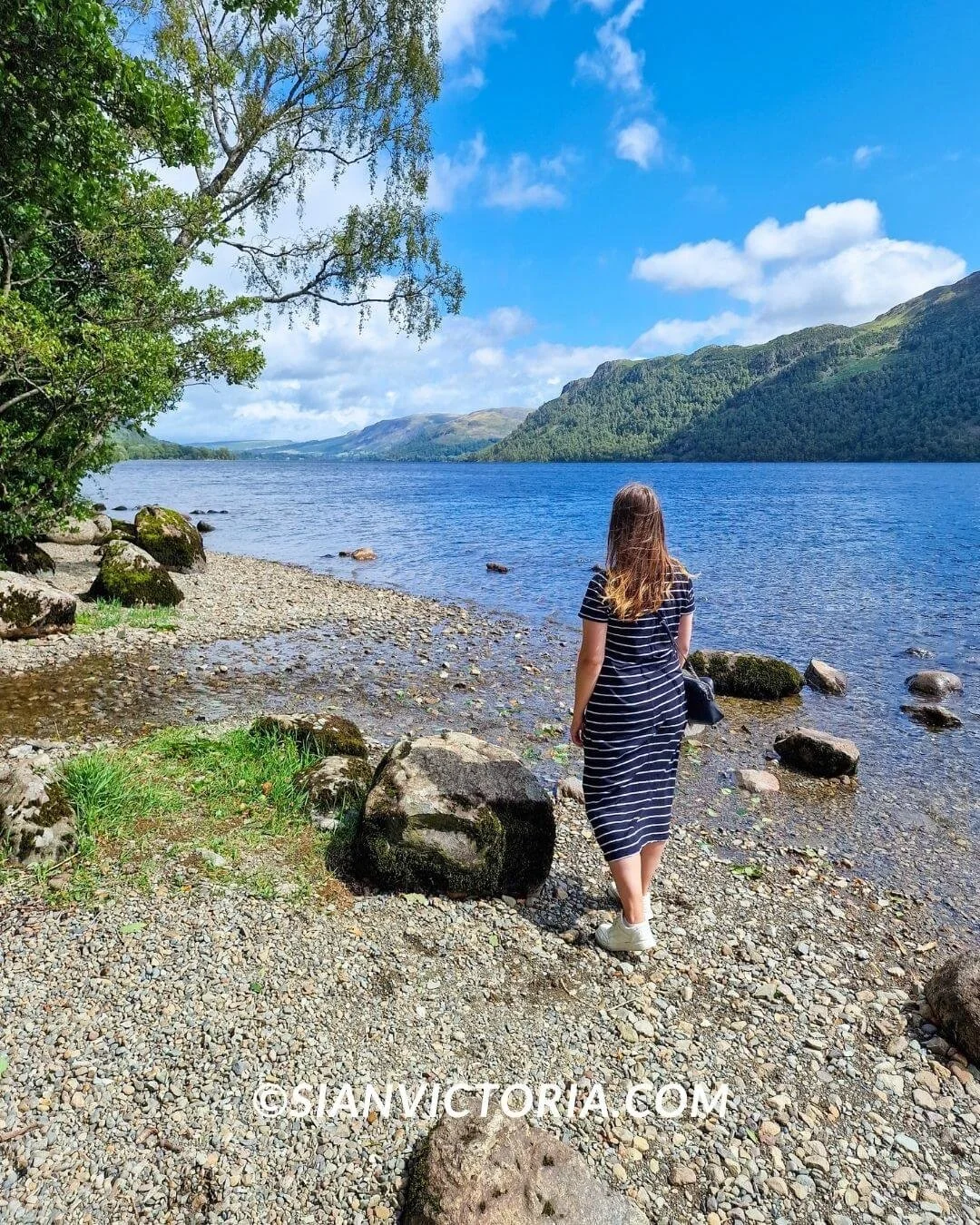
10 Tips to Plan Your Next Adventure Holiday Abroad
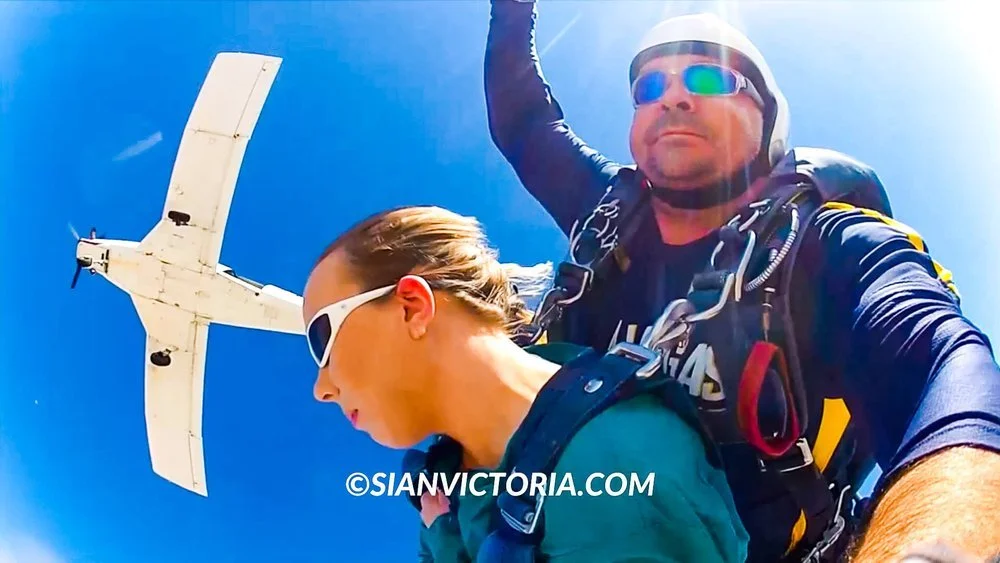
Sian Victoria © - Tandem skydive in Las Vegas
How to Organise an Adventure Vacation for Thrill Seekers
Planning an adventure for those who crave excitement involves more than merely choosing a location, throwing some gear into a bag, and heading to the most exciting backpacking destination. If you're thinking about bungee jumping, white-water rafting, or tackling some serious mountain biking trails, there’s quite a bit of prep work to make sure everything goes smoothly. Paying attention to every detail can really amp up your experience while keeping things safe and fun.
Start by looking into destinations known for their action-packed activities. Knowing where to find the best experiences can totally change how much you enjoy your trip. Make sure you have the right gear and get yourself in shape for what lies ahead. It’s all about finding that sweet spot where you can experience the excitement without sacrificing your security. This way, you can jump headfirst into your adventure without worrying too much.
Whether you’re an adrenaline junkie or just looking to step out of your comfort zone, a solid plan can help you maximise your adventure. The key is to find the ideal mix of excitement and security so you can go after those heart-pounding moments without losing your cool. This travel guide will provide you with some tips for planning your next adrenaline-filled outing that you might find useful!
1. Investigate Travel Destinations
Choosing the right travel destination can really shape your whole adventure. Taking the time to find the place that will bring you the most joy is well worth it. Begin by thinking about the activities that really excite you. For instance, if you have a passion for rock climbing, Norway’s or Finland’s impressive cliffs might just be the ideal spot. On the other hand, if you enjoy sandboarding, Morocco or Dubai’s vast deserts could provide an unforgettable experience. A little research about each location can go a long way in understanding what they have to offer and how they fit into your vision of the perfect getaway.
When planning your trip, safety is definitely something to keep in mind. Look for destinations that are known for good safety measures and easy access. Reading reviews from fellow travellers can give you valuable insights into the vibe and safety of a place. It’s also a good idea to check if there are adequate medical facilities and essential services nearby, just in case something unexpected comes up.
Don’t forget to think about any regulations tied to the activities you want to try. Some fun sports might require permits or certifications, so getting familiar with these requirements ahead of time can help you avoid any bumps along the way.
Lastly, consider how your travels might impact the local environment and community. Opting for destinations that support sustainable tourism and honour local cultures not only adds depth to your trip but also helps preserve the beauty and traditions of the places you visit. When keeping all of this in mind, you can pick out a destination that matches your adventurous spirit while making sure you have a safe and memorable experience.

Sian Victoria © - Top of Mount Qingcheng, Chengdu
2. Establish a Budget
Organising an adventure for thrill-seekers is an exciting task, but it can also get a bit tricky when it comes to budgeting. I find that making a solid financial plan helps keep the fun intact without breaking the bank. First off, write down all the possible expenses you might encounter. This includes travel, lodging, meals, and any activities you have in mind. Don’t forget to factor in equipment rental or purchases if you'll need anything special for your trip. It's also smart to set aside some cash for any unexpected costs, like changes in plans or medical needs.
As you go through your budget, look for ways to save on travel without sacrificing enjoyment. Opting for budget-friendly places to stay can offer comfort without emptying your wallet. Travelling during off-peak times can lead to better airfare and transport deals, plus you might catch some discounts on adventure packages that fit your budget.
It's easy to overlook the smaller expenses but trust me, they can add up fast. Travel insurance, visa fees, and daily costs for food and local transport should all be part of your planning. Having some extra cash on hand for surprises can save you from travel-related stress while you're on the road.
I’ve found that using budgeting apps or tools can really help keep track of spending. It gives you a clear picture of your money so you can make wise decisions as you go along. Planning ahead and keeping tabs on your budget makes it easier to enjoy those action-packed moments without worrying about money later. At the end of the day, the goal is to focus on the fun of your adventure, so taking charge of your finances can help make that happen.
3. Organise Your Schedule
Creating a memorable adventure often comes down to how well you plan your itinerary. I like to kick things off by jotting down all the activities that catch my eye and then ranking them based on how excited I feel about each one. This way, I can allocate specific days and times for everything, and I try to arrange them to limit travel time between spots. Nobody wants to spend all their time commuting, right?
I’ve learned that finding the right balance between busy days and downtime really makes a difference. It’s important to catch your breath and fully enjoy what you’re experiencing instead of racing from one activity to the next. Leaving some flexibility in your schedule for spontaneous outings can lead to those unforgettable moments that you didn’t even plan for—those are often the highlights of any trip.
Incorporating local events or cultural activities can really add a unique touch to your journey. It’s a great way to look deeper into the place you’re visiting. Before you head out, it’s a good idea to check local event calendars for any festivals or special happenings that align with your travel dates. You might stumble upon something amazing!
Using digital tools can really simplify your trip planning. Calendar apps are fantastic for keeping track of reminders and coordinating with friends or family you’re travelling with. Having a digital copy of your itinerary on hand means you can easily access all your information or make quick changes while you’re on the go.
Lastly, staying flexible is something I can’t stress enough. Sure, having a plan is important, but it’s also nice to keep an open mind. If something exciting comes up unexpectedly, go for it! Being adaptable can lead to some of the best experiences on your journey. After all, adventure is all about the surprises, isn’t it?

Sian Victoria © - Riding a bike along promenade, Cyprus
4. Monitor Weather Conditions
When planning your next trip, it’s important to pay attention to the climate of your destination. Before you start packing, take some time to look up the typical weather for the time of year you’ll be travelling. Knowing whether to expect cooler temperatures, possible rain, or hot sunny days will help you get ready for the adventure.
As your trip approaches, check the local weather forecast regularly. Weather can be unpredictable, and changes in conditions might throw a wrench in your plans. For instance, a sudden rainstorm could make outdoor activities like rock climbing dangerous, while strong winds might damper a paragliding session. Using reliable weather apps and websites can give you accurate insights, letting you adjust your plans when needed.
It’s always a good idea to have a backup plan just in case the weather doesn’t play along. Whether this means rescheduling some outdoor activities for a sunny day or finding fun indoor spots to explore, being flexible can really save you when things don’t go as expected.
Staying updated on the weather also helps you choose the right clothes for comfort and safety. Layering is often a good approach since it allows you to adapt to changing temperatures. Don’t forget to include waterproof gear and sun protection in your packing list based on what the forecast suggests. When keeping an eye on the weather and staying adaptable, you can enjoy your trip to the fullest, even if Mother Nature throws a few surprises your way.
5. Acquire the Necessary Gear
Heading outdoors for an adventure requires more than just a love for nature; having the right gear is key for both your safety and enjoyment. When planning for my outdoor activities, I always create a checklist tailored to what I’ll be doing. Whether it’s a rock climbing trip complete with a harness and climbing shoes or hitting the slopes for some snowboarding, making sure I have everything I need is a top priority.
Before heading out, I recommend checking your gear thoroughly. Equipment that's been worn down can lead to unnecessary accidents, so swapping out any old or damaged items is wise. If you find yourself missing something important, think about whether it makes more sense to buy or rent it at your destination. Renting can be especially helpful for bulky items, like kayaks or surfboards, which can take up a lot of space in your luggage.
It’s also a good idea to check the weather forecast. Depending on your destination, you might need to pack a rain jacket, sunscreen, or warm layers. Don't forget to put together a tech survival kit that includes extra batteries and portable chargers for gadgets like GPS devices or e-sims for reliable phone calls abroad and action cameras to keep them powered up while you’re out having fun.
Finding the right mix of packing light and being prepared can be a bit of a balancing act. I like to focus on the basics and look for lightweight, multifunctional gear, which helps prevent me from feeling weighed down by too much stuff. This way, I can make the most of my time outdoors without getting held back by unnecessary baggage. Whether it's for a quick day trip or a weekend getaway, being organised can definitely enhance your outdoor experience.
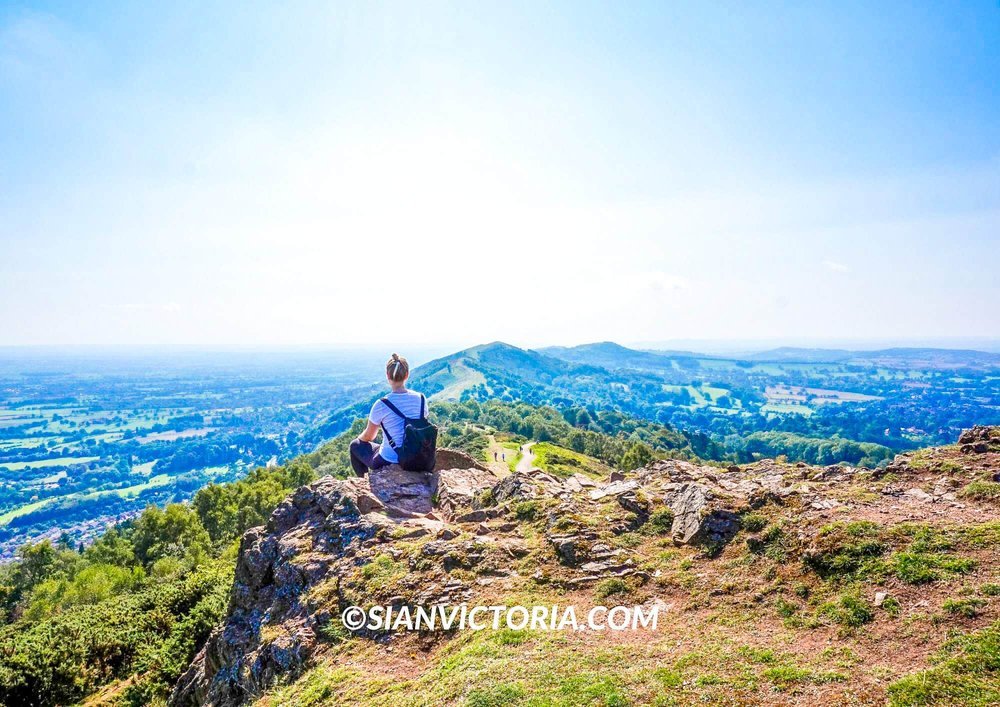
Sian Victoria © - Sitting at the top of summit, Malvern Hills
6. Prepare for Emergency Situations
Life can be unpredictable, and when injuries or severe accidents happen, it pays to be prepared. I recommend putting together a first-aid kit that suits your specific activities. A solid kit might include items like band-aids, antiseptic wipes, pain relievers, and any regular medications you take. It’s also a good idea to brush up on basic first-aid skills. Knowing how to treat minor injuries, perform CPR, or recognise symptoms of heat exhaustion can be really beneficial in a tricky situation.
In emergencies, being able to reach out for help is super important. Whether you’re carrying a local SIM card for your phone or have a satellite phone for remote areas, make sure you and your travel companions know how to use these tools effectively, especially if you are travelling solo.
When it comes to finding your way, having a physical map and compass on hand can really save the day. Plus, it wouldn’t hurt to download offline maps on your smartphone as a backup plan. You never know when reception might dip.
Lastly, sharing your travel itinerary with someone you trust back home is a smart move. Keeping in touch regularly gives the comfort of knowing that someone knows where you are. They can notify the authorities if necessary if something goes wrong. Getting prepared like this means you can tackle surprises with confidence and focus on enjoying your journey to the fullest, without the stress.
7. Ensure You Are Physically Fit
Getting ready for exciting activities like rock climbing, mountain biking, or trail running means you’ll want to be in good shape. It’s a good idea to take a look at your current fitness level to spot any areas where you can improve. Tailoring your workout routine based on the adventure you have in mind can make a big difference. If rock climbing is on your agenda, focusing on your upper body strength and flexibility will really help. For those long trails, building up your cardiovascular fitness is a must.
Having a well-rounded workout routine is key to feeling prepared. Mixing in strength training, cardio, and flexibility exercises can boost your overall fitness and can even help you perform better in different sports. If you’re unsure where to start, consider reaching out to a personal trainer who can help create a personalised action plan that matches your goals.
Staying consistent with your workouts is important. Aim to get moving several times a week, and as you get fitter, gradually increase the intensity. This approach not only helps your body adapt but also builds up mental toughness, which is really helpful when facing those adrenaline-pumping challenges.
Nutrition also plays a big role in your fitness journey. Consuming an abundance of nutrient-dense, well-balanced foods gives you the energy you need, plus it helps with muscle recovery. Don’t forget to stay hydrated—drinking enough water is especially important during tough workout sessions.
Lastly, listen to your body. It’s easy to push yourself too hard, but overdoing it may result in injury or burnout, so make sure to include rest days in your routine. Recovery is just as important as the workouts themselves. If you focus on gradually improving your fitness, you’ll be ready for the exciting adventures that await you.

Sian Victoria © - Exploring Cabo de Gata, Almeria in Spain
8. Secure Travel Insurance
When planning your next trip, getting the right travel insurance should definitely be on your list of things to do. I’ve learned that many standard policies don’t cover extreme sports or high-risk activities, which means you’ll want a plan that fits your specific itinerary.
Take some time to check out the available coverage options. It’s beneficial to look for a policy that offers extensive medical cover, including evacuation services. This can really come in handy, especially if you’re heading to remote or rugged locations.
Make sure to read the fine print. Understanding the terms and conditions is important. Pay attention to exclusions or limitations—this could save you from unexpected hassles when it comes time to file a claim. Keeping your insurance policy details handy, whether saved on your phone or printed out, can really make a difference if you ever need to reach out.
Consider buying your travel insurance soon after booking your trip. This not only covers you in case of cancellations but also for any unforeseen events that might pop up before you leave. Choosing the right travel insurance allows you to take it easy and relish your journey without worrying about potential outcomes. Depending on the destination, you may also need to research if there are other ways to stay protected during your travels to ensure everything is legal.
9. Seek Guidance from Local Experts
When it comes to travel, connecting with local guides can really change how you experience a new place. These folks have a wealth of knowledge about their surroundings, often sharing insights you won't find in your typical guidebook. They can take you to spots that might be off the radar, help you figure out the best times to see popular attractions and explain local customs so you can truly appreciate the culture.
One of the great things about local guides is their understanding of safety in the area. If you're unfamiliar with a destination, having someone who knows the lay of the land can make a big difference. They can warn you about neighbourhoods to avoid and give you tips for enjoying outdoor activities without any hiccups. Plus, they've got their fingers on the pulse of local events and changes in the weather, which means your travel plans can stay flexible and enjoyable.
Having a local guide not only boosts your understanding of the sites you visit but also adds a personal touch to the stories and histories surrounding those places. Their unique perspectives can turn a simple tour into a memorable experience. Engaging with locals takes your trip to another level, allowing you to discover the traditions and history that make your journey a one-of-a-kind adventure.
So, next time you plan a trip, consider teaming up with a local expert. It could lead you to experiences that stick with you long after you've returned home.

Sian Victoria © - Sitting on an edge at the Grand Canyon
10. Record the Experience
Documenting your adventures is one of the best ways to relive those exciting moments and share them with your friends and family. To capture everything—from stunning landscapes to spontaneous fun—having a decent camera or a reliable smartphone is key. If you’re gearing up for some outdoor activities or exploring the trails, it’s worth looking into photography equipment and a sturdy, weather-resistant case to keep your gear safe.
If you want to take it up a notch, consider an action camera like a GoPro. These little gadgets are perfect for capturing your experiences from a first-person perspective, especially for those adrenaline-pumping activities you love.
Aside from snapping photos and recording videos, keeping a journal during your travels can add another layer to your memories. Jotting down your thoughts, feelings, and observations not only personalises your experience but also gives you a chance to reflect on those moments later. If you’re travelling with friends, why not invite them to contribute their stories, too? You might end up with a fantastic collection of shared memories.
Additionally, consider starting a travel blog or filming vlogs to share your experiences on platforms like YouTube. This allows you to connect with others who might be interested in your adventures, and it creates a wonderful way to document and relive your journeys for years to come. If you choose to start taking videos, consider looking into reviews of vlogging cameras and get one that has a flip screen and is lightweight.
Lastly, don’t forget about protecting your digital files. Regularly backing them up using cloud storage or a portable hard drive is a smart move to ensure those cherished moments are safe and sound. Being mindful of how you document your adventures will assist you in building a wealth of memories to look back on for years to come.
To conclude
Planning an adventure can be a bit intimidating at times, but the amazing experiences that await you make it all worthwhile. Begin by choosing a destination that piques your interest. There are many great places for activities like hiking and cycling or whatever else you enjoy. Whether you're interested in skydiving in Las Vegas, going to Turkey for a hot air balloon ride, hiking a volcano in Santorini, exploring Egypt's pyramids, or going on a road trip in Mississippi, there are countless exciting options to consider.
Budget wisely and outline a flexible itinerary that allows for spontaneity since travel often comes with surprises. When packing, focus on comfort for your planned activities and always check the weather forecast for smart packing decisions. Don’t forget about travel insurance to protect against unexpected issues.
Connecting with locals can enrich your trip in ways you might not anticipate, providing insights you won’t find in guidebooks. Also, having a basic emergency plan can be a helpful safety net.
Lastly, make sure to document your journey through photos or a travel journal, as these memories will be cherished for years. With these tips, you’re all set for an exciting adventure.