15 Best Money, Energy & Waste Saving Tips for the Kitchen

Sian Victoria © - Drinking coffee, lounging on sofa
How to Reduce Energy Use & Best Kitchen Appliances
With the increase in the cost of living, a recession, and the need to be more eco-conscious and sustainable for the benefit of the planet for now and future generations. It’s never been a better time to try and start making some changes in the way we live.
Whether it’s the rising costs of bills plaguing your mind, or you’re eager to reduce your carbon footprint and limit wastage. Finding ways to reduce your energy output in everyday life is something more and more of us is doing.
This post looks at some of the best ways you can go about saving energy and cutting down on spending with some of my tried and tested tips and tricks you can add to your daily routine. You’ll also come across some handy energy efficient appliances for the kitchen hitting the market that are kinder to the planet and your bank account.
What is the most energy-efficient appliance in most kitchens?
Kitchen appliances that use the least electricity are air fryers, halogen ovens, microwaves, electric pressure cookers and slow cookers.
These energy-efficient kitchen gadgets use a lot less energy in comparison to a conventional oven that requires a lot more time to heat up due to its size. Therefore, cooking with a smaller alternative to an oven will help you save money on your energy bills, while also saving you time as they cook food a lot quicker and in most cases heat food more efficiently, so they often make food a lot tastier and evenly cooked too.

Sian Victoria © - Portable electric hot plate, induction hob
What is the best alternative to using a gas hob?
If like me, you are trying to significantly reduce your gas usage due to raising costs and environmental concerns. Swapping your conventional gas hob to an electric induction hob is the best alternative option. They are cheaper to buy, they cook food in the pan a lot quicker and evenly while also using a lot less energy in comparison to the gas hob.
Plus, they are a lot easier to clean, especially if you’ve been using a gas hob with many fittings as I had been for the past 13 months until recently. Gas hobs are so time-consuming to clean I’d never choose to have one.
How to save money on energy, cook food healthier and shop savvy in the supermarket
I’m always looking for ways to save money while also being more sustainable and eco-friendlier. Here are just a few simple kitchen appliance alternatives to use, shopping hacks to start doing to save money and how you can keep an eye on your household’s energy consumption. While also consuming food and drink in a healthier way to reduce its fat, sugar, and calorie content for overall health benefits too.
1. Swap your gas hob for an electric induction hob

Sian Victoria © - Cooking with a portable electric hot plate, induction hob
Although this may not be something that immediately springs to mind when you start thinking of ways to be more energy conservative, this is perhaps one of the best changes you can make to reduce energy output in the kitchen.
Induction cooking has been proven to use less energy than traditional gas hobs, with electric heat being provided quickly and heating the bottom of the pan in its entirety more evenly. Not only are these hobs so much more energy efficient, but they’re a more modern choice, giving your kitchen a contemporary touch, and are so much safer when operating thanks to there being no open flame and not having to worry about gas leaks.
When it comes to buying an induction hob, you have two options. Either purchase a built-in electric hob to be installed under your fan or have an affordable two or one-ring portable induction mini hot plate hob to put on top of your old gas hob as I have in the photo.
It may not look aesthetically pleasing, but who cares if it’s saving you money? The lightweight appliance can easily be moved to a cupboard when not in use. It’s a quick low-cost solution to start saving money on cooking immediately in your household.
With the hob being electric and heating food a lot quicker and evenly they have great energy efficiency, using much less power when cooking. Swapping a gas hob for an electric induction hob is worth considering when weighing the benefits of the two.
Last year, I moved to an offshore island, so with the monopoly of increasing gas prices, making the swap was essential. I bought this two-ring hot plate using an Amazon coupon code, which made it around £30 and is perfect for just me and my partner’s cooking needs as we use the pan far more than any other cooking methods.
2. Use an air fryer, halogen oven or mini oven instead of an oven

Sian Victoria © - Small kitchen appliances, blender and pancake maker
As well as swapping from a gas hob to an induction hob, why not take it one step further and replace your oven with a much more energy-efficient alternative available on the market? Whether it’s an air fryer, halogen oven or mini oven, all these appliances will prove to save you more money while being just as useful as your traditional oven.
Air fryers are the newest trend within the home, as a healthier alternative to traditional oven cooking due to reducing fat from food and are one of the best ways to conserve energy. Due to having a smaller cooking chamber and a fan that circulates the air, you’ll find it heats up much more quickly than an oven, and therefore food is cooked more rapidly.
You can cook a wide variety of foods with this handy appliance and cut down the time you spend on cooking as well as the energy you use. Air fryers can be purchased from around £40, or up to £300 depending on the standard and litre size of the appliance you need. But ultimately, it’s worth purchasing an air fryer and discovering the benefits of this brilliant appliance yourself.
Alternatively, a halogen oven is another great way to cut down on cooking times and therefore your energy bills. Their faster cooking times make these appliances a much more convenient choice than a traditional oven, cooking food around three times quicker. These appliances are on the market starting from around £50, making them a much more affordable choice than a standard oven.
Finally, a mini oven is another alternative you should consider. Performing all the same functions as a normal oven but taking up much less space and needing much less energy. These appliances have a whole load of benefits. With prices starting as low as £38, these handy mini ovens are a great choice for those wanting to save money and are perfect for those cooking in a small space and for just one or two people.
3. Make food healthier with a grill or air fryer

Sian Victoria © - Vegan burgers & Veggies on a George Foreman Grill
Air fryers and grill fryers are renowned for their benefits, one of the main ones being how much healthier they make the food you’re cooking. As they don’t require oil to cook, and they encourage the fat from food to drip away and therefore cuts down on calories and fat consumption. Making your meals healthier for all the family.
The George Foreman grill known as the ‘Lean Mean Fat-Reducing Grilling Machine’ is a perfect example of how incredible these energy-saving appliances can be for cooking food in a much healthier way. This electric portable grill uses non-stick grill plates and allows fat to drain away, allowing you to enjoy all the food you love without the excess fat content.
Plus, the portable size means this appliance is super handy, fitting neatly onto your counter. If you haven’t yet tried out a fat-reducing cooking grill, now is certainly the time. Retailing from around £25 onwards, these grills are affordable and worth the purchase. I’ve been using them for years as you’ll see in my Halloween cooking at home post.
4. Cook with smaller kitchen appliances, especially if you’re cooking for one
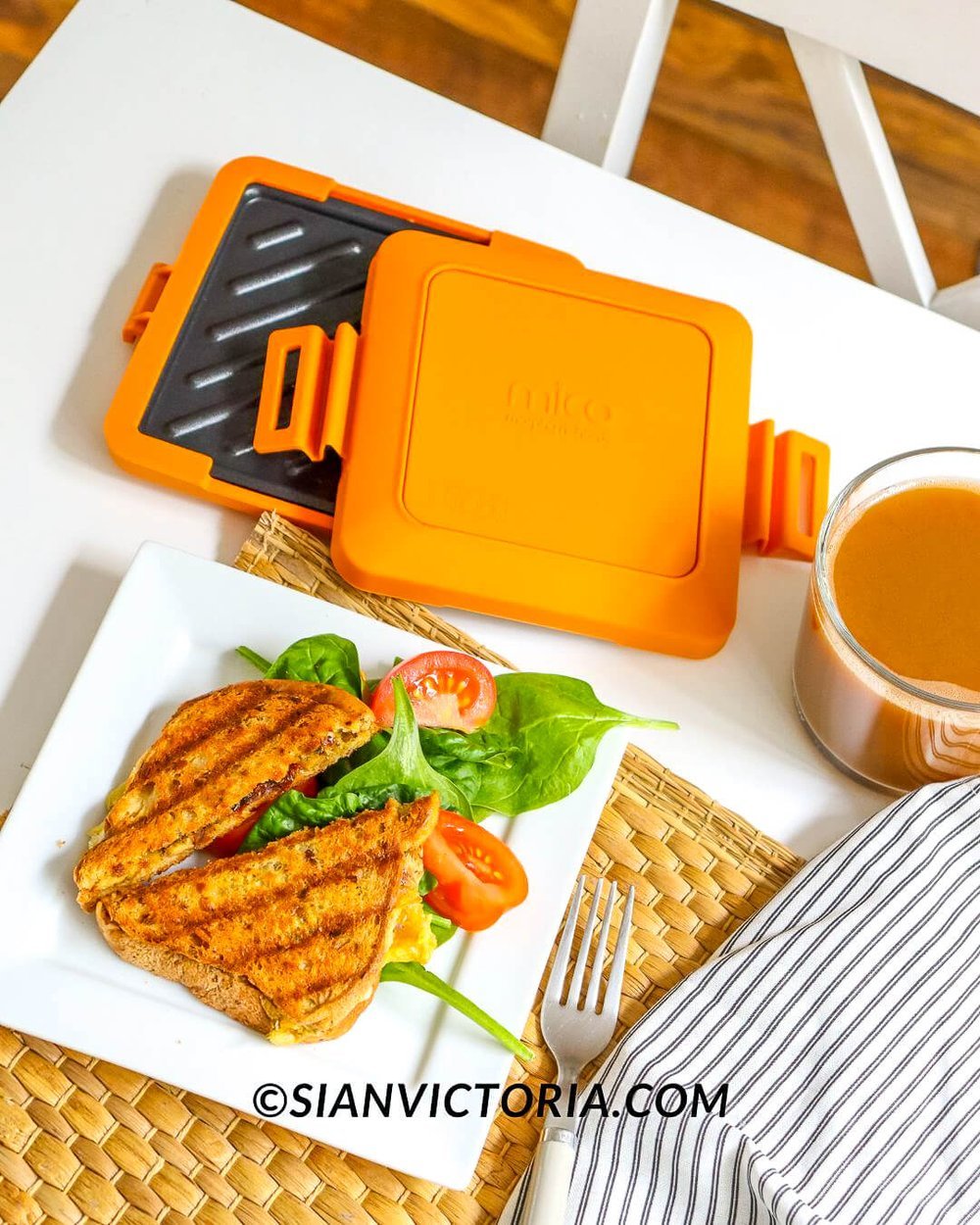
Sian Victoria © - Morphy Richards Mico Toastie Maker
If the George Foreman Grill has caught your eye, why not explore the seemingly endless variety of smaller, excellent kitchen appliances on the market?
If you’re cooking solo, the Morphy Richards Mico Microwave Toastie Maker might be the one for you. Perfect if you’re craving a traditional toastie, or even if you want to experiment with your culinary skills. Try cooking croissants, waffles, and French toast, this handy toastie maker that you pop in the microwave does it all.
Vegetables and vegan plant-based foods are great choices to cook in this small appliance due to the ‘plant meat’ not needing as long to cook as animal meat. I got my hands on a Mico Toastie at the start of lockdown and have used it ever since to make quick and delicious tofu pittas and grilled veggie wraps, it cooks food quickly and efficiently.
Plus, this toastie maker couldn’t be easier to use, clean and fit onto your counter or cupboards in its mini, portable size. Retailing for just £30 and allowing you to cook a variety of meals perfect for lunchtime, it’s certainly worth considering this useful kitchen gadget.
If you eat rice often like in our household. Another handy appliance that you could try out, especially if you’re cooking for one or two like I do is a rice cooker. These compact devices come either in a plastic bowl to put in the microwave or as a plug-in format that allows you to boil and steam rice to fluffy perfection quickly without the need for boiling on a hob for 20 minutes. Helping you to save time, energy, and money.
5. Swap fizzy drinks for sparkling water makers

Sian Victoria © - Sodastream sparkling water maker
A great way to make healthier lifestyle choices for you and the planet is swapping the shop-bought fizzy drinks for an at-home sparkling water maker.
Sparkling water has many health benefits. From aiding your digestion and helping your hydration while skipping out on the caffeine and sugar add-ons you find in traditional fizzy drinks. If you’re interested in making this switch, you might want to consider trying out a Sodastream sparkling water maker.
This modern appliance creates sparkling water from tap water by forcing carbon dioxide gas into the drink and creating fizz. Just like the process, your shop-bought fizzy drink has been through just without sugars and the added unnecessary ingredients. You’ll be able to make your sparkling water in an instant from your own home. You can either enjoy plain sparkling water or add a variety of flavours.
As well as being able to enjoy delicious drinks, this sparkling water maker comes with a whole host of benefits. As well as reducing your consumption of calorific drinks, you’ll be able to reduce plastic consumption too by not having to buy drinks in plastic bottles.
If your household consumes a lot of fizzy drinks, you may find this to be a healthier alternative while also being cheaper. For example, one 60-litre Sodastream gas cylinder can be bought for £22.99 and will make you up to 60 litres of fizzy water (38p a litre). Whereas buying a 1-litre bottle of coke for example especially branded will cost between £1-£2 each while adding to the world’s plastic crisis.
Of course, you must consider the cost of tap water too. However, at most places where you can buy the cylinders such as Argos, you can have them re-filled so you can save considerably more as you’re only paying for the gas fizz, not the cylinder. So overall, sparkling water makers are healthier, cheaper and reduce single-use plastic.
6. Swap plastic water bottles for a filter jug and reusable bottle

Sian Victoria © - Filter water jug
Go one step further with reducing your plastic consumption by swapping out the wasteful plastic water bottles for reusable bottles or start using a water filter jug instead.
Although it may be an easy choice to buy a plastic water bottle each time you’re shopping, you likely aren’t aware of the negative effects these choices have on the environment. Plastic bottles are reported to take up to 450 years to decompose, they also release over 2 million tons of harmful carbon dioxide into the atmosphere, as well as microplastics. You can massively help the environment by making the simple switch to a reusable bottle.
You’ll not only be saving marine life and the overall environment but your health too. Since studies have found that drinking from a plastic water bottle can leach harmful chemicals into your drinking water and cause several health problems. So, it’s best to avoid PET and BPA bottles and purchase a stainless-steel bottle or a glass water bottle.
If you don’t drink fizzy drinks, it may be an option for you to use a water filter jug if you’re against using tap water, although a lot of water brands fool us by using tap water anyway. Simply store the jug in the fridge and enjoy clean, fresh water whenever you want – plus, you can pour this into a reusable bottle to use whenever you are on the go. So, it’s perfect for those with a busy lifestyle.
Although, rather than using a plastic water filter jug with plastic filter inserts, I’d go for the more sustainable option and purchase a glass water dispenser to keep in the fridge and drop in a charcoal filter stick that can last up to 3-6 months. The charcoal will naturally absorb all the nasties found in tap water and produce purified tastier drinking water with health benefits.
8. Install an Energy Monitor to keep an eye on your usage and spending

Sian Victoria © - Home energy monitor
With a cost-of-living crisis upon us, it can be helpful to know how much energy we use in our everyday lives. Perhaps one of the best ways to be aware of this and know where you need to start saving money and cutting down on energy use is to invest in an energy monitor.
Costing anywhere from £30 to £100 to install or is free with some energy companies. Energy monitors are a great device to have in the home. Not only do they accurately measure the energy you’re using and break down the cost, but these monitors will help raise your awareness of just how much energy the appliances you use without thinking require.
This monitoring will help you cut down on your energy usage and allow you to manage your energy consumption better. At my old home in Birmingham, in the morning when I had just woke up it would say I’d spent pennies on energy, but as soon as I put the kettle on and had a shower it jumped into the pounds. Throughout the day working from home, it didn’t increase much just using my computer and charging my mobile. But as soon as evening came, and we would use the oven it would jump up again. So, I knew what appliances were costing us the most money.
So, from monitoring our usage we stopped using the oven and bought an air fryer, made our showers shorter and only boiled the water we needed. These everyday activities are known to be some of the most costly and high-energy appliances to use.
9. Buy pantry essentials in bulk and store them in jars to keep fresh

Sian Victoria © - Pantry wholefood essentials, plant based meat alternatives
Rather than doing frequent shopping to stock up on the foods you eat regularly and wasting unnecessary money, why not figure out what your essentials are and buy them in bulker packs? This helps to make a saving and reduce plastic packaging.
Pantry essentials often have a long shelf-life, such as wholegrain rice, pasta, oats, sugar, tea bags, coffee and more. If you can figure out what foods or ingredients you tend to buy that can be stored for a long period, you’ll be able to buy these essentials in bigger packs and store them carefully to make sure you can get as much use out of them as possible while reducing food waste and mess.
For example, buying food seasonings that come in affordable own-brand packets rather than branded plastic tubes. The latter option increases the price for practically the same food ingredient as the supermarket version. To make a saving and cut down on plastic either buy glass seasoning jars or re-use the plastic tube you have and re-fill using the packet seasoning instead.
You’ll even find that most of these products tend to be cheaper when buying in bulk, such as plant-based meat alternatives, like soya chunks, soya mince, lentils, and chickpeas, making your shop even more affordable. And, to make things even better, you’ll be cutting back on plastic consumption and helping the planet too. What’s not to love?
If you consume a lot of rice and pasta as we do, then buying in bulk and pouring them into secure jars to keep them fresh for longer is a great option for you. You’ll find your cupboards will be a lot tidier and there won’t be fallen pasta shells everywhere, helping to cut down on food waste. When you come to use the whole food pantry essentials such as rice just scoop in a measuring spoon to help you measure the quantity you need to cook.
When buying pantry essentials you use often in bulk, I’m not suggesting stocking up on everything that’s on the shelf and leaving nothing for others. I mean instead of buying a 1kg bag of brown rice for £1.95 or a 500g pack of 4 boil in the bag box. Buy a 2kg pack of brown rice instead for £3.
That way you’ve got more for your money, saved £1 and it will last you twice as long. Especially if you put them in glass jars or ensure the pack is fastened securely so they stay fresh and don’t spill. (Prices based on Tesco 21/11/22).
10. Batch cook food to save time, energy, and money

Sian Victoria © - Batch meal prepping lunches, food storage containers
Another brilliant way that will help you cut back on food waste, as well as spending, is to start batch cooking. Meal prepping and cooking food in batches is a much better choice – your bank account will thank you, too. By planning what meals you’re going to cook, you’ll be able to make sure you don’t unnecessarily buy food on the way home from work as you already have something prepared that just needs heating up. This is also a great way to balance your diet and control your portion size too.
Batch cook these pre-planned meals and store them in the fridge or freezer, ready to be conveniently eaten whenever you feel like it. Plus, you can go the extra mile and use BPA-free reusable food containers. There are also glass alternatives that can be used in the microwave.
This is a great tip especially if you’re cooking for one, as it will make your life easier as well as potentially prevent you buying takeaways on the days you just don’t have time or feel like cooking. Plus, if you’re cooking for a big family, it reduces your stress at mealtimes. Things like curries and pasta are my favourite meals to batch cook as they freeze and reheat well.
11. Use handy kitchen tools to reduce food waste

Sian Victoria © - Frozen vegetables in freezer, food seal clips
Still, looking for ways to reduce food waste? Another indispensable tip is to look out for handy kitchen tools and gadgets that will help you to store food correctly and make sure no food will go stale.
A great way to do this is by using food seal clips to close bags of things like vegetables when storing them in the fridge or freezer. These can be cheaply bought from most supermarkets or in IKEA. If you’re looking for a way to store things like cheese, opened bags of salad or other foods that can’t necessarily be re-sealed with a clip, put them in food containers that seal with a lid to help you lock in the freshness for longer. These are brilliant for storing food that spoils quickly.
Something essential in most kitchens is olive oil. As we use the oil in most of our cooking, you’ll find that it’s cheaper to buy this in a larger bottle as this works out as much cheaper if it’s a necessity in your cooking.
Of course, pouring a bigger bottle into the frying pain is likely to make you use excess amounts and lead to waste. So, to avoid this pour the oil into a refillable oil spray dispenser. This will make your oil last even longer and make sure none goes to waste. Plus, it is a great way to manage your calories and fat content and spread the oil evenly across the pan.
Finally, why not start freezing your bread, wraps and burger buns etc? These carbs are another pantry essential for so many of us, so store them in their plastic packaging or if you prefer a freezer-safe container quickly after purchasing. This will allow you to keep your bread fresh for longer and make sure none of it goes to waste.
These food hacks allow us to not have to drive to the supermarket often, as we usually manage to last 2 – 3 weeks without having to re-stock and that’s usually only because we have run out of fresh stuff.
12. Steam food rather than boil

Sian Victoria © - Small kitchen appliances, blender and pancake maker
A great way to reduce the amount of time you spend in the kitchen is to start steaming your food rather than boiling it.
Particularly for vegetables, steaming food will allow you to cut down on energy use as well as time spent cooking, as this doesn’t need as much water to cook. Additionally, this is a great way to make sure you’re staying healthy – steaming vegetables allows the food to keep as many of its nutrients and health benefits as possible.
Food steamers retail for as cheap as £20, so it’s worth considering purchasing one of these handy appliances if you’re keen to try out a new way of cooking. Alternatively, rather than buying a new appliance, you can use a microwavable steamer for cheaper.
12. Swap coffee shop visits for homemade tea & coffee on-the-go

Sian Victoria © - Pantry wholefood essentials, loose leaf herbal teas and coffee
I love catching up with friends and family at a coffee shop and trying out the variety of drinks on offer. However, when I’m alone and on the go with errands to do, it’s much cheaper to ditch the frequent coffee shop visits and make coffee at home instead. Not only is this cheaper, but it’s much more sustainable to do so, especially if you don’t visit with a reusable coffee flask for them to re-fill.
If you’re rushing to get to work, it may seem the most practical choice to pick up a coffee on your way. However, these high street coffee shop visits will add up and will cause a lot of unnecessary spending if money is tight. By simply making your tea and coffee at home, you can cut back on your spending and save on the £3-£5 you might be spending per cup in a shop.
You can even use a reusable thermal travel bottle to drink hot coffee or hot tea on the go, perfect for if you’re late for work and would usually visit a coffee shop.
13. Stop using the dishwasher and don’t wash up as often

Sian Victoria © - Washing up cutlery, drying on rack
Although dishwashers may seem like the easiest choice when cleaning up, you may not be aware of the amount of energy they need to run. We have one in our apartment and haven’t used it once, despite washing up being the number one chore I hate doing most.
A full dishwasher cycle uses between 1200-2400 watts, which will start stacking up on your energy bill. Plus, with dishwashers costing anywhere from £200 to upwards of £1,000, why not skip out on the unnecessary spending and wash up instead – while also not wasting unnecessary space in the kitchen?
If you live alone or with someone else and have enough cutlery to skip washing up for a day. You can save money even more by washing up just once a day, or every other day instead. This way, you’re not filling up a bowl of hot water and washing up liquid for just a few plates and pans to clean. This will help to save on water, heating, liquid, and your valuable time.
As it’s just the two of us in our household I’m able to skip a day of washing up because I’ll alternate what we eat, for example, we will use the pans one day and the air fryer the next. And we’ll keep a neat pile of the used plates and cutlery ready to be washed up when they need to be before the following day.
This may not appeal to some if you have people visiting you often (or have a full household), but it works perfectly for us being just the two of us, as it saves us money and gives us extra time in the evenings to either get back to the desk, go for a run or relax together. It may be considered slobby, but if it benefits us greatly, who cares, because we sure don’t.
14. Defrost food in the fridge, keep leftovers and make the most of your freezer

Sian Victoria © - Pantry wholefood essentials, seeds, nuts, dried berries
Cut back on unnecessary food waste by keeping leftovers wherever you can. This will allow you to reduce your spending on groceries as you’ll be able to make sure you get the most out of the food you buy, as well as help you get the most out of batch cooking and meal prepping.
There are so many ways to make sure you get the most out of your freezer. Try buying frozen fruit rather than spending unnecessarily on fresh every week, as well as freezing batch cooked food to be enjoyed later. It’s important to make sure you use this kitchen staple to the best of your abilities.
You must be careful re-heating leftover food if it contains meat. But if you’re vegan it’s not a problem. Store any leftovers in a container and pop them in the fridge to keep them fresh. I often eat my leftovers for lunch the following day.
15. Only boil the water you need

Sian Victoria © - At home coffee, using kettle
A final tip that you’ll find to be important when in the kitchen is to only boil what you need when making tea and coffee. Make use of the ml display on the kettle so you know how much water you are pouring in, so you have what is needed for your cup.
It can be easy to fill up the kettle without thinking and use large quantities of water when it’s not necessary. However, if you’re aware of the energy that kettles require to use, you might start being more careful with your usage.
Unnecessary usage can mean you end up spending up to £50 a year on boiling water you didn’t need. It’s so much more efficient to only boil the water that you need. Especially when some studies say that re-boiling the same water can cause significant health problems.
To conclude
There we have it. Just a selection of some of the indispensable money-saving tips and energy-efficient kitchen appliances that you can start using in your everyday life in this increasingly expensive climate.
Let me know if you plan to try out any of the things I’ve suggested and leave a comment if you have any greater tips to share that can help people cut back on unnecessary spending in the home while being kinder to yourself and the environment.


