10 Best Thing's to do & Places to Visit in Transylvania
*This website contains sponsored posts & affiliate links

Sian Victoria © - Bran Castle, Transylvania
Transylvania Romania Sightseeing & Tourist Attractions
Although Transylvania may not immediately come to mind when thinking of an ideal holiday destination. The central Romanian region is an amazing place to travel and deserves recognition. It's perfect for those seeking to learn about the tales of historical legends and supernatural creatures.
But also, for sightseeing, boasting incredible landscapes, historical architecture, and a myriad of quaint, mesmerising villages. And perfect if you’re planning a sunny getaway or a winter wonderland escape.
Dominated by a variety of countries throughout history, it was only after WWII that the iconic region was reclaimed by Romania. Bordering the Carpathian Mountains and surrounded by unexplored forests, it's no wonder vampire superstitions are still upheld. I had a wonderful time exploring the Transylvanian regions of Brasov, Bran, Hunedoara, Targu Mures and Sighisoara during a two-week press trip exploring some of the best areas of Romania. As well as visits to Bucharest, Timisoara, and Oradea.
We were shown just a glimpse of the many incredible things to do in Transylvania. Hopefully, these best regions to visit for sightseeing and the best attractions and landmarks in each destination will inspire you for planning where to visit.
With a somewhat continental climate, you might want to plan to visit in the spring or early summer months to ensure you have the best weather for exploring. Alternatively, if you’re seeking festive Transylvania experiences January, February and March are when it’s most likely to snow. Perfect if you’re visiting for the slopes to ski. In this case, you may find my review of the Teleferic Grand Hotel in Poiana Brasov helpful when looking for where to stay.
Now here are just a few of the many wonderful things to do and the best places to visit in Transylvania that I experienced during my tour of Romania.
Brasov

Sian Victoria © - Brasov Historical Center, Transylvania
Although Bucharest is perhaps the most popular tourist destination in Romania, the beautiful region of Brasov is a close second. Considered an amazing example of a preserved medieval city, Brasov is only slightly modernised to pander to its growth rates of tourism.
With traces of the city reaching back to the 11th century, the city is teeming with fascinating history, with eclectic architectural styles such as Renaissance, Neo-Baroque and medieval being showcased across the region. From the 15th century Black Church structure to the iconic Feldioara fortress, there are many fascinating sights to see.
Engulfed by flourishing forest and enchanting natural scenery, each cobbled, winding street in Brasov is picture-perfect. Every area of the region has its charm and is worth exploring.
1. Explore Brasov Historical Center the medieval Old Town with a historic Council Square

Sian Victoria © - Brasov Historical Center, Transylvania

Sian Victoria © - Brasov Historical Center, Transylvania

Sian Victoria © - Brasov Historical Center, Transylvania
Without a doubt, the best way to explore Brasov's rich history is by wandering through the Old Town. So, why not start your Brasov experience in Piata Sfatuliu, Council Square? The heart of the historical centre, Piata Sfatuliu is home to buildings that represent a piece of the past, with examples of Gothic, Renaissance and Baroque architecture to be found on every street corner.
If you want to make sure you see as many iconic landmarks as you can, pay a visit to the Council House. Perhaps the most prominent feature within the square, it's said to be the most visited building in the whole of Brasov. Initially built in the 15th century, this monumental structure fuses a range of traditional architectural styles, with a baroque tiled roof and gothic and renaissance interior.
There's an extensive array of medieval buildings to be discovered in Piata Sfatului that emphasise just how omnipresent the Baroque elements of Brasov's past are. You can even enjoy alfresco dining and try out some delicious authentic cuisine while admiring the intricate beauty of the Old Town.
If you love Italian cuisine, then I’d recommend eating at the popular Cucinino Pasta Bar. We ate some delicious and flavoursome food here with a glass of vino and it’s in the perfect location with a great view of the iconic Brasov sign.
2. Enjoy panoramic views with a hike or cable car to the Brașov Sign at the top of mount Tâmpa

Sian Victoria © - Brasov sign, Mount Tampa

Sian Victoria © - Brasov Historical Center, Transylvania

Sian Victoria © - Brasov Council Square (Piața Sfatului)
You don't need to be in Los Angeles to see the infamous Hollywood Sign, because sitting at the top of Mount Tâmpa is Brasov's very own version of the sign. Seen from all over Brasov, the sign is one of the region's most iconic attractions, making for a great photo opportunity.
You can reach the peak of Mount Tâmpa and see the sign for yourself by travelling by cable car, where you'll ascend right over the region and be able to take in the picturesque landscape of Bravos.
While the 10-minute cable car journey is practical, you might decide to be more adventurous and try to hike up the mountain. Follow several trusted hiking trails if you're feeling up to the 60 to 90-minute walk and work your way through the thick forest. Where you'll eventually be rewarded by the incredible panoramic views of the region.
Whether cable car or hiking takes your fancy, I'd recommend taking a photo with Brasov's version of the Hollywood sign if you get the chance.
3. Admire The Black Church a 15th-century Gothic Roman Catholic structure

Sian Victoria © - Black Church, Brasov Council Square

Sian Victoria © - Black Church, Brasov Council Square
If there's any landmark that should be a must-see on your itinerary, it should be The Black Church - or Biserica Neagra as it is known locally.
The second biggest church in Romania and the most important in Transylvania. This medieval structure was constructed between the 14th and 15th centuries and showcases how beautiful the Gothic architectural style can be. Considered a symbol of Brasov, the church commands your attention with its grandeur, towering above Piata Sfantului with its colossal size.
Admire the pointed arches of its exterior and its magnificent baroque interiors inside when you pay 15 RON to enter the historic site. It’s also home to one of the biggest organs in Europe and the largest bell in Romania.
The sheer scale of the church speaks for its reputation as a sight to see in Bravos. Originally the Church of Saint Mary the Black Church gained its name due to a fire giving its exterior a black appearance.
The 500-year-old church was partly destroyed and re-building parts of it took 100 years to complete as a result, it lost a lot of its original gothic charm.
It’s also home to some of the oldest and largest collections of Anatolian carpets in Europe.
4. Walk one of the narrowest streets in Europe to explore colourful picturesque streets and many religious sites

Sian Victoria © - Brasov historical center

Sian Victoria © - Brasov historical center

Sian Victoria © - Brasov historical center

Sian Victoria © - Brasov historical center
After you've taken in the beauty of The Old Church, take a stroll down the narrowest street in Europe, just around the corner. Created as a safe passage for firefighters back in the 17th century, Strada Sforii or Rope Street sits at 53 inches at its widest point, and 44 inches at its most narrow.
If you want to see something aside from the usual iconic landmarks of Transylvania, it could be worth checking out this Instagrammable spot.
Walking out into the Old Town, you'll come across a plethora of medieval buildings lining Brasov's cobbled streets with their distinctive architectural styles. If you're eager to learn more about the history of the Old Town's buildings, such as the Town Hall or Catherine's Gate, built in the 16th century and representing the old defensive fortifications of Brasov, you can enjoy a guided walking tour of Brasov to discover the city’s hidden gems.
5. Dine with scenic mountain views of Poiana Stânei Turistice

Sian Victoria © - Brasov Poiana Stânei Turistice

Sian Victoria © - Stana Turistica Sergiana restaurant, Brasov
The largest mountain resort in Romania, Poiana Brasov is known for its beautiful scenery and ski slopes that make for an amazing day of ski-jumping, snowboarding, and sledging if you're an adrenaline junkie.
Reach the snowy mountains and looming trees via a short bus ride from the centre of Brasov for a day of memorable fun. Or if you’re driving, they have a large carpark next to it.
You can appreciate the stunning landscape of the resort by sitting down for a bite to eat at the Stana Turistica Sergiana restaurant, found within Poiana Brasov. Select a delectable dish from an extensive menu of European and Romanian cuisines within the warm interior of the cosy log and deep wood furnishings.
While enjoying your meal, you can look out to admire the mountains of Poiana Stânei Turistice and the ski resort and see those on the beautiful slopes when visiting in Winter. Otherwise, be treated to lush green landscapes.
We visited the restaurant in the summer of 2019 and at that time the menu did lack options for vegans and vegetarians so bear that in mind as Romanian cuisine is generally very meaty. Nonetheless, the views alone were more than worth the visit which I enjoyed admiring with a light salad.
6. Feldioara Fortress is a hidden gem in Brasov with countryside views

Sian Victoria © - Feldioara Fortress, Brasov

Sian Victoria © - Feldioara Fortress, Brasov

Sian Victoria © - Feldioara Fortress, Brasov

Sian Victoria © - Feldioara Fortress countryside views, Brasov

Sian Victoria © - Feldioara Fortress, Brasov
One of the oldest forts in Brasov is the 13th-century Feldioara fortress - Marienburg it is an incredibly impressive structure that stresses the deep historical roots of the region. Built by Teutonic Knights, the medieval fortress had unfortunately deteriorated over the centuries but was renovated recently to preserve the beauty of the structure.
As such a beautiful example of medieval architecture and Brasov's historical fortifications, it's no wonder that this fortress is a tourist hotspot. It's worth checking out this hilltop structure to appreciate its history and take in the beautiful views of the surrounding, flourishing landscape.
Upon arrival, we were greeted by knights on horses who guided us up the small hilltop and through the gates into the fort so that we could explore the historic grounds and look out from the many viewing towers that offer mountain and countryside views. There’s also a museum to discover historical artefacts from the region.
Bran

Sian Victoria © - Bran Castle, Transylvania
Bran lies southwest of the city of Brasov. Its roots stretch back to the early 13th century, largely used as an area of fortification. It can be easily accessed from the centre of Brasov via a short bus ride. Completely immersed in beautiful countryside, the little town has picturesque landscapes that are simply stunning.
However, it isn't the views that you can experience in Bran that draw in the tourism – it's the castle. Tied to supernatural legends, Bran castle is an iconic attraction across Transylvania.
The town itself is worth a visit just to appreciate its encompassed natural beauty.
7. Roam the shadowy halls of Dracula's crib at Bran Castle
Sian Victoria © - Bran Castle, Transylvania

Sian Victoria © - Bran Castle, Transylvania

Sian Victoria © - Bran Castle, Transylvania

Sian Victoria © - Bran Castle, Transylvania

Sian Victoria © - Bran Castle, Transylvania
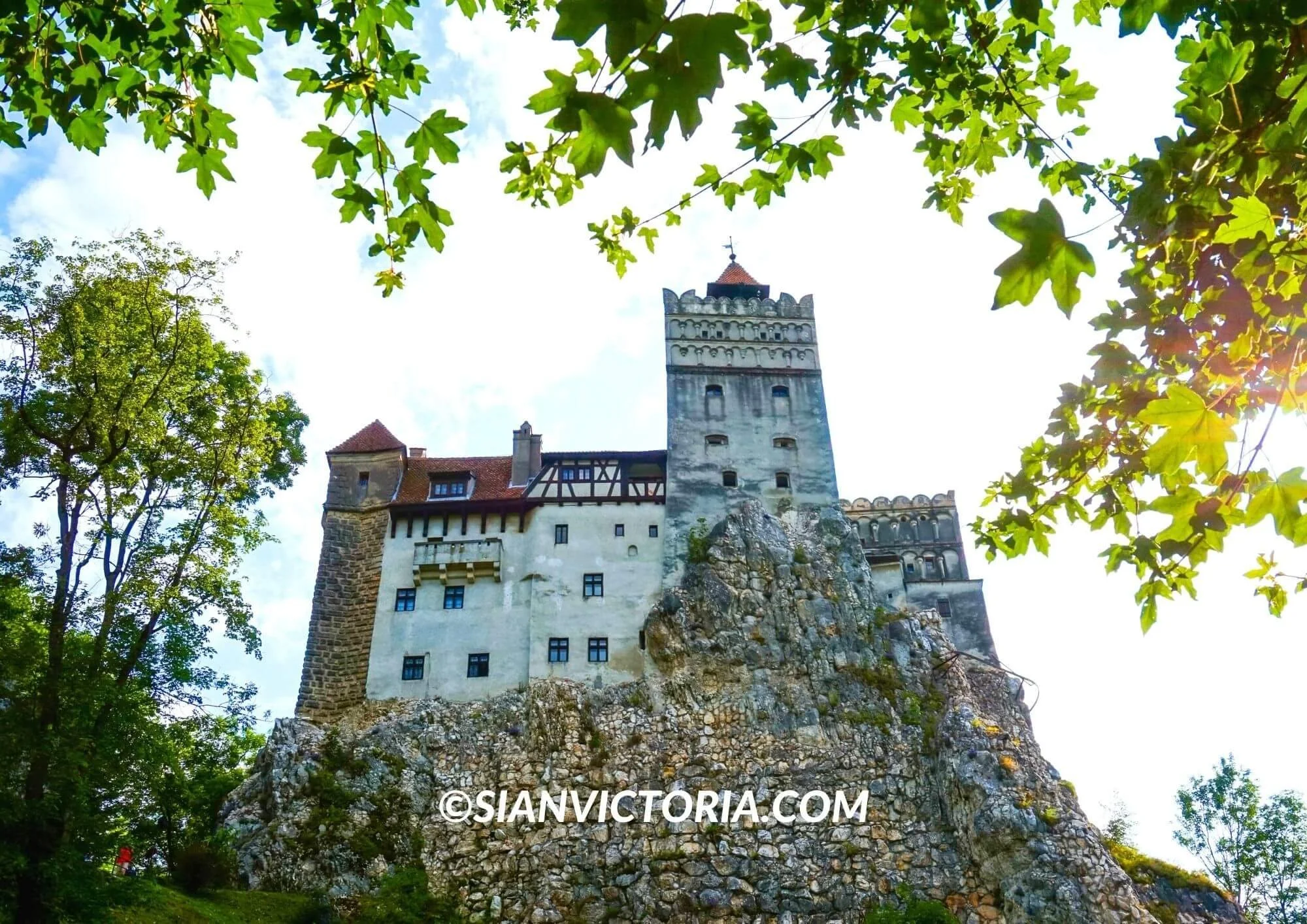
The main tourist attraction across the whole of Transylvania, Bran Castle, also known as Dracula's Castle, served as a source of inspiration for Bram Stoker's classic vampire tale. Follow the myth of Dracula's haunting residence and discover where the legend originated.
Originally built in 1212 by Teutonic Knights as a fortress, the castle sits high on a steep with imposing towers and pointed turrets that can be seen for miles below. Although serving as a royal residence in its past, the mysterious castle is now a museum, hosting artefacts and historical pieces to honour Romania's 20th-century royalty Queen Marie.
Though tourists flee to the castle seeking the magic and thrill of the vampire, it's worth visiting the castle to appreciate its importance as a feature of Transylvania's history. There's so much to see inside the walls of the castle's grandiose exterior - as well as boasting sensational village views.
Growing up as a lover of Buffy the Vampire Slayer and all vampire-related movies and TV shows. Visiting Dracula’s Castle has been on my bucket list for as long as I can remember. Although I did have fun strolling around the grounds and capturing photos with fellow travel bloggers. When it came to exploring inside it was disappointing simply because of how busy it was meaning that it couldn’t be enjoyed properly as the small hallways were crammed with people, so it was a little difficult to appreciate and generally look at things.
So, as some of us were feeling a little claustrophobic we ended up finding the nearest exit. But I would like to visit again one day so I’d recommend doing so during a less busy time of year or day.
Hunedoara
Sian Victoria © - Castelul Corvinilor (Corvins' Castle), Hunedoara
Near the picturesque Poiana Ruscă mountains, you'll find the city of Hunedoara. A somewhat overlooked tourist gem in Transylvania, Hunedoara is a haven of quaint villages, historical architecture, and idyllic countryside hills.
Home to ethno-folkloric traditions and tales, you can explore tales of the past; if you have a chance, pay a visit to the county capital Deva. Previously used as a Dacian settlement, the roots of Deva stretch back to 450 BC, making it a great spot for history-lovers.
It takes around 4-5 hours to reach the city from Brasov, and the sights in Hunedoara are certainly worth it. The main tourist attraction is indisputably Corvins' Castle, but you can also visit Deva's 13th-century Fortress, or one of the oldest churches in Romania, the Densus Church.
8. Experience Corvins' Castle one of the largest castles in Europe

Sian Victoria © - Corvins Castle, Hunedoara
Sian Victoria © - Corvins Castle, Hunedoara
Sian Victoria © - Corvins Castle, Hunedoara

Sian Victoria © - Corvins Castle, Hunedoara

Sian Victoria © - Corvins Castle, Hunedoara
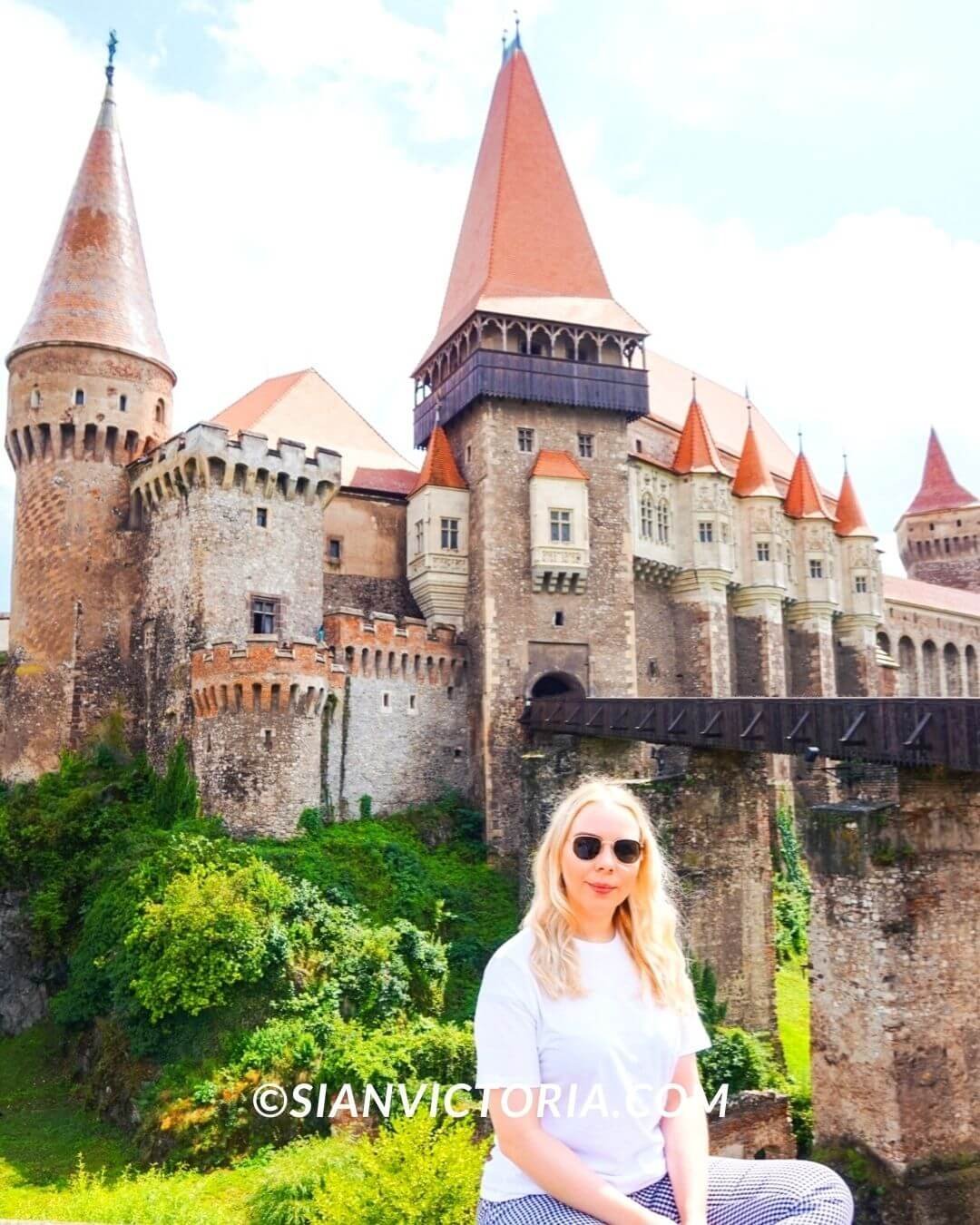
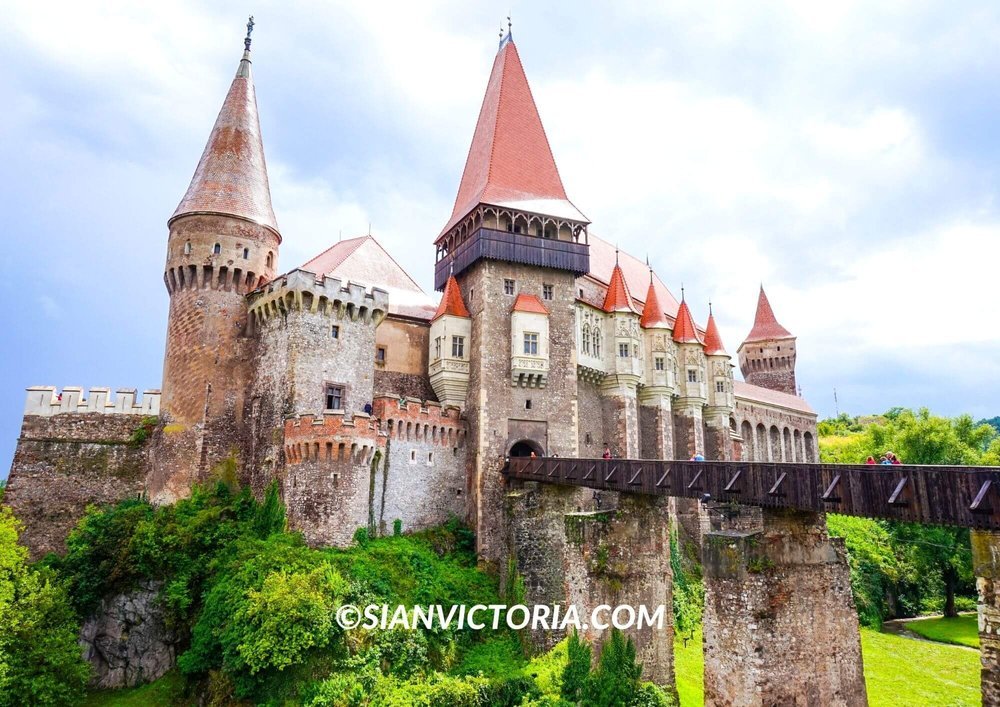
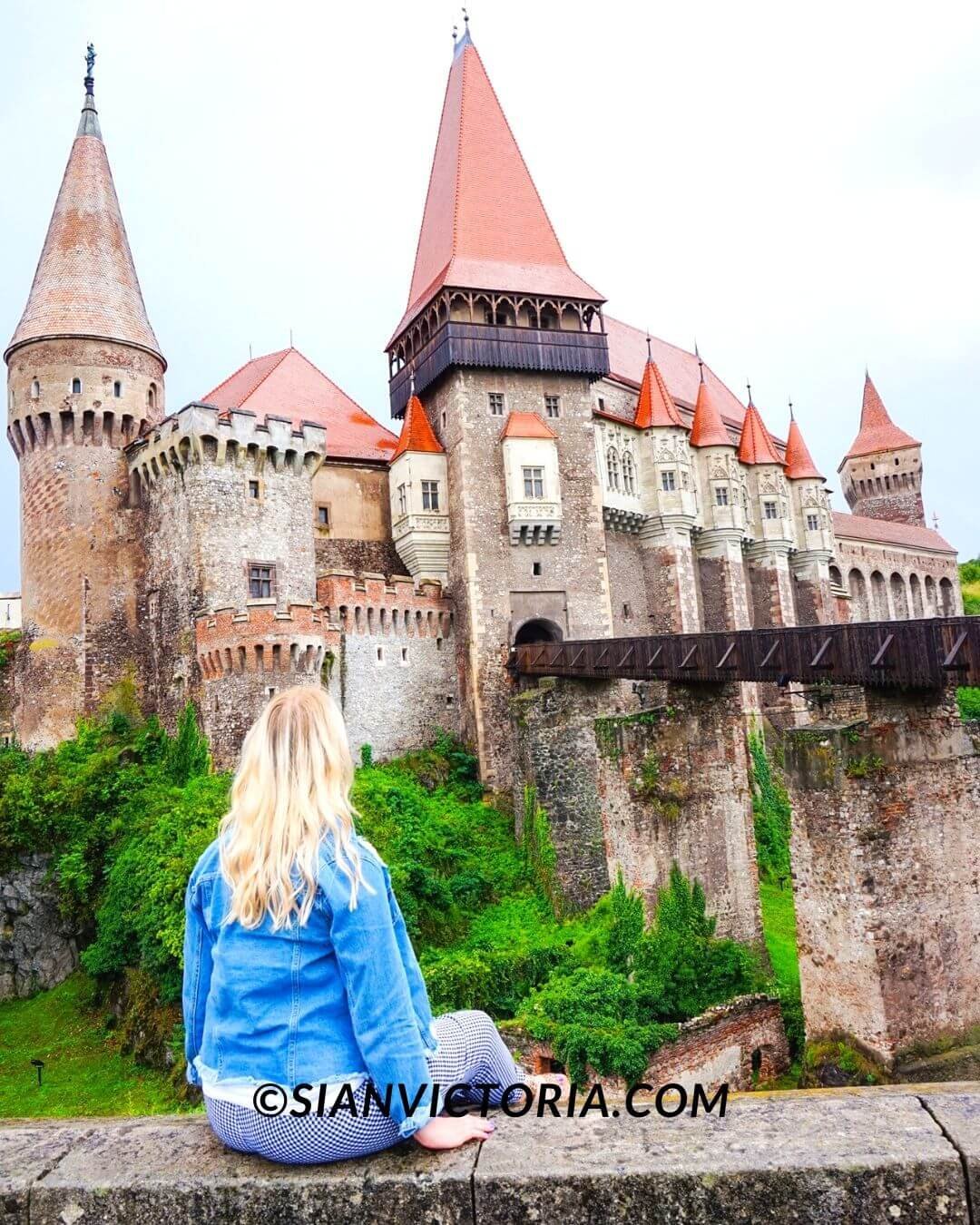
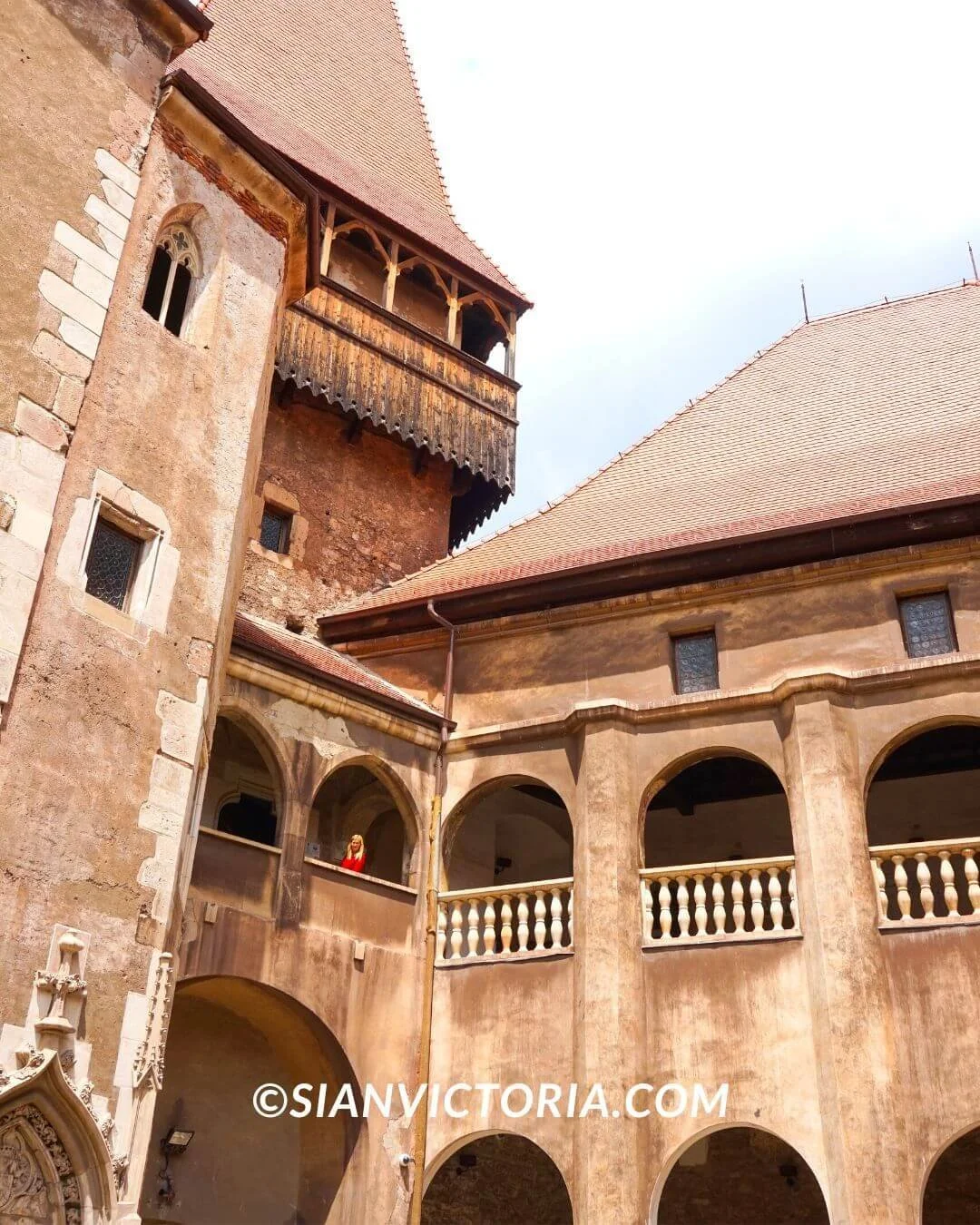
One of the most beautiful castles in Transylvania, and one of the largest throughout Europe. Corvins' Castle is a masterpiece of Gothic architecture. As one of the Seven Wonders of Romania, it's clear to see that this stately structure is one of the country's iconic landmarks.
The castle was built in the 15th century and was initially utilised as a fortress before serving as a residence for the ruler Iancu of Hunedoara. The inside of the castle is teeming with historical treasures – walk over the drawbridge and discover the Knights Hall, The Golden Chamber, and the Council Hall, with every location echoing the beautiful Gothic-Renaissance style.
Every single room inside the castle will make you gaze around in awe, with pointed arches and reaching ceilings emphasising the ornate decorations and the historical importance of the structure. It's impossible to skip out on Corvins' Castle when in Transylvania – with such a tie to Romania's military and royal history, discover the beauty of the castle for yourself.
I prefer Corvins’ Castle to Bran Castle because although it was still busy the site is far bigger to explore so you’re not cramped and can stroll around at your own pace.
The overall experience was also far more enjoyable too. For instance, when you walk the drawbridge, you’re greeted by knights with swords, and you may potentially hear a loud explosion and see the smoke from a historic gun that gets shot from the towers above.
While we were here, the weather quickly turned from sunshine to thunder, dark clouds, and torrential rain, which added to the overall eerie atmosphere. The weather of course can’t be planned but it certainly made it a memorable visit.
Sighișoara

Sian Victoria © - The Clock Tower, Historic Centre of Sighişoara
Founded by the Transylvanian Saxons in the 12th century, the town was utilised as a military stronghold for centuries. Scattered across the city are medieval sights that preserve this rich history, including the UNESCO Heritage Site the 12th century Sighisoara Citadel, the Clock Tower, and the Monastery Church.
Alongside being home to centuries-old structures that retain the traditional nature of the city, Sighisoara is worth a visit simply for its beautiful landscape. From quaint cobbled streets, boutique shops and merchant houses to panoramic village views and charming character, a trip to this city will make a holiday to Transylvania even more memorable.
9. Visit the medieval Historic Center of Sighisoara, a cultural UNESCO World Heritage Site

Sian Victoria © - Historic Centre of Sighişoara

Sian Victoria © - Historic Centre of Sighişoara

Sian Victoria © - Historic Centre of Sighişoara

Sian Victoria © - Historic Centre of Sighişoara

Sian Victoria © - Historic Centre of Sighişoara

Sian Victoria © - Historic Centre of Sighişoara
Steeped in history, the Historic Center of Sighisoara allows you to discover what the city once was and take in the beauty of centuries-old buildings that have withstood the test of time.
Piata Cetatii, or Citadel Square, is a must-see when in Sighisoara. Soak in the baroque-medieval architecture of this 12th century Saxon square, where public executions used to be held, locals would peruse market stalls and partake in witch trials.
The square is engulfed by terraces of brightly-coloured buildings, souvenir stores and homely cafes – try out some alfresco dining while taking in the intrigue of the historical surroundings.
After you've wandered through the square, head on over to the 14th century Clock Tower. A symbol of the city, this attraction used to defend the entrance to Sighisoara at a staggering 64 metres high. Now a museum for Romanian historical artefacts, the tower showcases the authenticity of the Old Town.
Sighisoara, alike cities across the whole of Transylvania, is home to stunning examples of traditional Gothic architecture, the 13th century Dominican Monastery is a must-see. Although having undergone renovations in recent years, the interior is still bursting with traditional Baroque elements.
If you fancy seeing where the real Dracula stayed in Transylvania. Vlad Dracul House – considered one of the oldest buildings in Sighisoara – is reportedly the place where the legendary ruler Vlad the Impaler was born in 1431. Visit the attraction to uncover this piece of history.
Targu Mures

Sian Victoria © - Targu Mures, Transylvania
Known as the city of roses, Targu Mures is one of Transylvania's most underrated historical centres. Gaining its nickname due to the beautiful rose bushes lining its streets, the city lies on the second-longest river in Romania, the Mures River, and boasts incredible natural scenery and culture.
Targu Mures was once under Hungarian occupation, meaning the city uniquely fuses Romanian and Hungarian cultures and is home to both interesting architectural styles and historical relics. You'll even find that almost half of the city's population is from Hungary.
An hour's journey outside of Sighisoara, you can visit this city and see the fortress that used to defend it, the Targu Mures Palace of Culture.
10. Wander the historical streets in Targu Mures home to the second largest river in Romania

Sian Victoria © - Ascension of the Lord Cathedral, Targu Mures

Sian Victoria © - Targu Mures Fortress
Stroll along the flowered streets of Targu Mures and explore the attractions. If there's any sight in the city that's a necessity to visit, it's the fortress. The oldest building in Targu Mures, built in the 14th century, only certain elements of the fortress are still prevalent today.
Observe the bastion, array of defence towers, and exhibitions on show within the rooms. You can even have a relaxing walk through the spacious courtyard in the surrounding areas of the fortress, too.
The Targu Mures Palace of Culture, or the Palatul Culturii. This 20th-century palace showcases a unique example of secessionist-style architecture that evokes the style of traditional Hungarian structures. It's considered to be the most famous building in the city and is a must-see for the ornate art pieces, grand furnishings, and stained-glass windows on its interior.
One of the best ways to take in the stunning views of the city is by visiting Platoul Cornesti park. Take in the sensational natural beauty of the park and landscape of the city after visiting the best attractions in Targu Mures.
To conclude
So, there we go, a rundown of the best tourist attractions and sightseeing landmarks in a few of the most popular cities in Transylvania. If you're planning a visit to the region, it's worth putting down some of these sights on your itinerary to ensure you can explore all the culture, rich history, and beauty of Transylvania.