13 Advanced Hair Re-Growth Treatments to Reverse Hair Loss

Sian Victoria © - Female hair loss
Hair Loss: Causes & Cutting-Edge Treatments for Re-Growth
Having to cope with hair loss can be challenging. I’ve been through it myself, and the reality is that many people from all walks of life—no matter their age or background—experience it. It often stirs up a range of emotions and can leave you looking for effective solutions to restore your hair. Thankfully, advancements in medical science and technology have opened the door to a variety of treatments aimed at tackling hair loss and encouraging regrowth.
When it comes to making the right choice for your needs, having a solid understanding of the options available can make all the difference. In this blog post, I’m excited to share thirteen innovative hair regrowth treatments that you might find interesting. We’ll explore how each treatment works, what benefits it offers, and the kind of results you can realistically expect. So, whether you’re tempted by the latest hair restoration methods or just want to learn more about what’s out there, I’m here to tell you everything I know.
When Are the Frequent Causes of Hair Loss?
Hair loss is a topic that many of us might encounter at some point in our lives, and understanding the reasons behind it can really make a difference when it comes to managing the situation. Let's take a look at some common causes of hair loss and why it could be happening to you or someone you know.
Family History: First off, let's talk genetics. Male or female pattern baldness is often inherited, so if your parents dealt with hair loss, it's likely something you might experience as well.
Hormonal Changes: Hormones can be tricky. Life events such as menopause, thyroid issues or pregnancy can lead to temporary hair thinning or shedding. It's pretty common and can often resolve on its own.
Health Issues: Certain medical conditions, like alopecia areata, can cause patchy hair loss, while scalp infections like ringworm can also play a significant role in hair health.
Medication Side Effects: Some medications, especially those for serious health issues like cancer or heart conditions, can lead to hair loss. If you’re on any medication and are concerned, chatting with your doctor about potential side effects is always a smart move.
Nutritional Deficiencies: If your diet lacks must-have nutrients such as iron or protein, it can weaken your hair, leading to increased shedding. Maintaining a balanced diet can support overall hair health.
Stress Levels: Telogen effluvium, a kind of hair loss, can be brought on by emotional and physical stress, where hair enters a resting phase and falls out more than usual. Finding ways to manage stress can benefit both your mind and hair.
Hair Care Practices: It matters how you take care of your hair. Regularly using harsh chemicals such as SLS in shampoos, excessive heat, or tight hairstyles can cause damage over time, leading to thinning hair. Even rinsing your hair with hard water can be bad for your scalp.
Aging: As we get older, it's natural for a reduction in hair growth and thinning. Many people have noticed less volume over the years.
Scalp Health: Conditions like dandruff or psoriasis can create an unhealthy environment for your hair. Taking care of your scalp is important for maintaining healthy hair growth.
Environmental Factors: Pollution, harsh weather, and UV rays can weaken your hair and make it more susceptible to damage and loss.
Illness: Even minor health issues, like the common cold, can impact hair growth temporarily. More significant illnesses or surgeries may have a greater effect.
DHT Levels: High levels of dihydrotestosterone (DHT) are known to contribute to male pattern baldness, particularly in people who are genetically predisposed. To reduce DHT in your scalp, there are many simple solutions to try before considering any extreme options.
Understanding these factors gives you some control over how to tackle hair loss. When you are aware of what might be behind the issue, you can make informed choices and explore solutions that fit your needs. Whether you're looking for treatment options or simple lifestyle changes, knowing the causes can help steer you in the right direction.
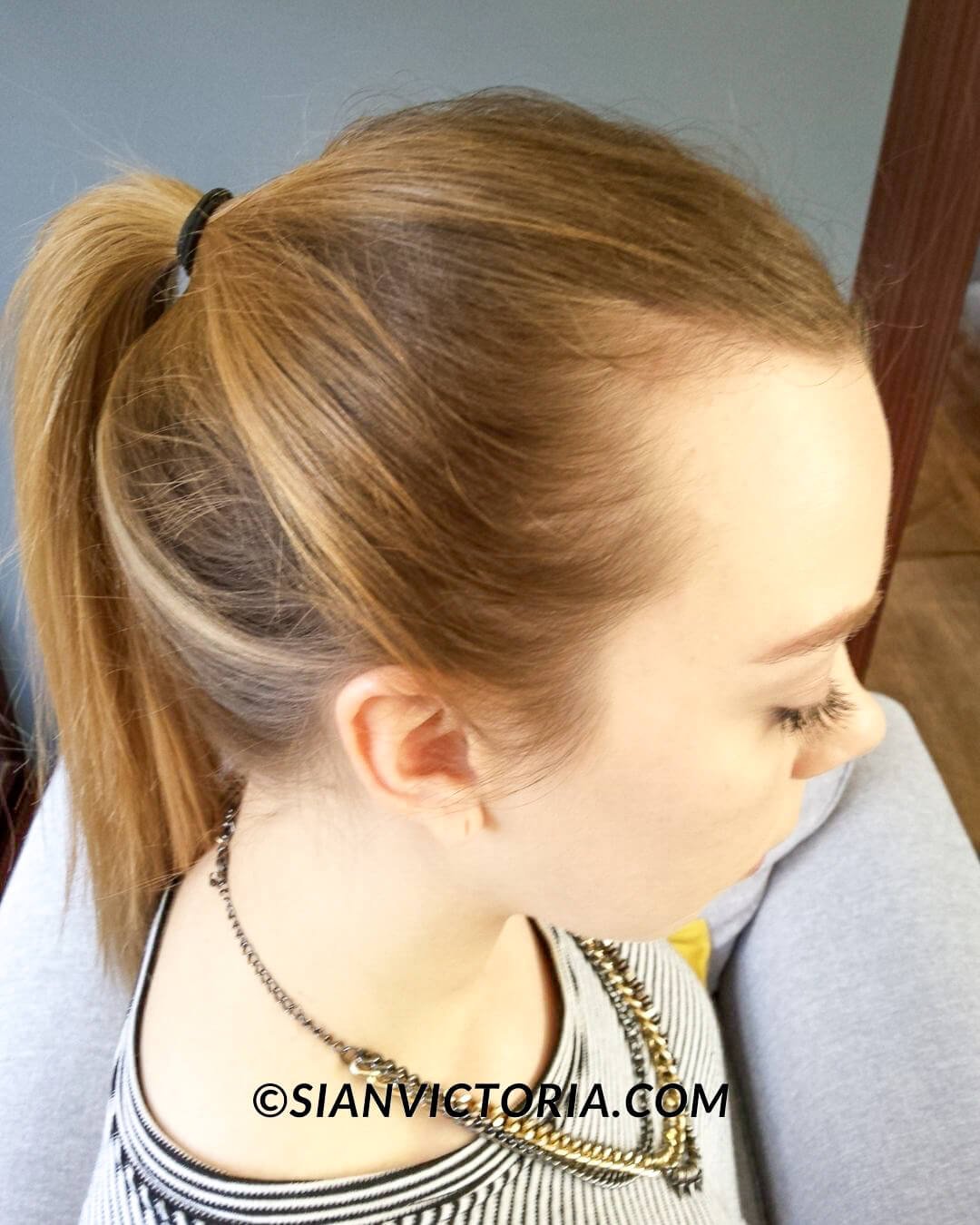
Sian Victoria © - Female hair loss
Best Innovative Treatments For Hair Re-Growth
Now that you’re aware of the common causes of hair loss, it’s time to look into natural ways to prevent or even reverse it. If you think you might need more advanced treatments, the following section suggests some innovative solutions, including both invasive and simple at-home options. You’ll find a variety of methods to help boost your hair growth and scalp health.
1. Laser Treatment
If you're on the lookout for effective ways to support hair growth, you may have heard of low-level laser therapy (LLLT). This interesting treatment uses light energy to give hair follicles a gentle boost, promoting growth. Essentially, it involves specific wavelengths of light—often in the red or near-infrared range—that can penetrate the scalp. This process enhances cellular activity and improves blood flow, which means hair follicles get more oxygen and nutrients. In turn, this helps create a solid foundation for your hair to thrive.
One of the best things about laser therapy is that it’s non-invasive, so you won't need to undergo any surgery or face significant discomfort. Many people find the procedure quite manageable, with only minimal side effects. This makes it a fantastic option for anyone dealing with thinning hair or experiencing hair loss. If you stick with the treatment over time, you might notice your hair becoming stronger and thicker, as it promotes a longer growth phase and helps reduce shedding.
There are a variety of laser devices out there, so you have options when it comes to your treatment. Whether you’re considering a professional clinic or would prefer the convenience of an at-home device, you can find something that fits your lifestyle. Some folks see improvements in just a few months, while for others, it might take a bit longer to notice the desired results. Patience really is key here, so staying committed to the treatment is important.
If you want to give your hair restoration efforts a little extra help, think about combining laser therapy with other hair loss treatments. Chatting with a healthcare provider can help you create a bespoke plan that considers the specific needs you have. A customised approach often leads to better results, making it worth the effort.

Sian Victoria © - Electronic and hand held scalp massager
2. Platelet-Rich Plasma (PRP) Therapy
Have you ever thought that your own blood might help you achieve a fuller head of hair? It may sound a bit unconventional, but let's talk about Platelet-Rich Plasma (PRP) therapy, a procedure that stimulates hair growth using your own blood.
The process is pretty simple. It starts with a blood draw, comparable to what you could encounter at a standard examination. After that, the blood goes into a centrifuge, which spins it around to separate the plasma from the other components. This plasma is packed with platelets and growth factors that play a role in healing. The enriched plasma is then injected into your scalp, focusing on the areas where you might be noticing thinning hair or hair loss.
PRP therapy works by waking up dormant hair follicles and boosting blood circulation in your scalp. Those growth factors in the plasma help shift the follicles into a more productive growth phase. Many people find that their hair feels thicker and that shedding decreases, leading to a fuller and healthier look.
The natural approach taken by PRP therapy is one of its attractive features. Since it utilises your own blood, there are very few adverse effects or allergic responses. The entire procedure is usually quick, lasting about an hour, and you can often get back to your daily routine right afterwards.
PRP therapy is versatile and can be effective at different stages of hair loss. It's especially beneficial when paired with other treatments like microneedling or topical solutions. For the best results, regular sessions are generally recommended. It’s wise to consult with a qualified healthcare provider who can help create a tailored treatment plan that fits your hair restoration goals.
So, if you're thinking about ways to restore your hair, PRP therapy is definitely worth considering.
3. Follicular Unit Transplant (FUT)
When it comes to hair restoration, one method that often stands out is Follicular Unit Transplantation or FUT. I’ve done quite a bit of research on this topic, so I thought I’d share some insights to help you better understand what the procedure entails and see if it might be the right fit for your needs.
FUT works by taking a strip of scalp from the back of your head, an area that's typically more resistant to thinning. This strip is then divided into smaller groups of hair follicles, usually containing one to four hairs each. These follicular units are precisely placed in the areas experiencing thinning or balding, aiming to achieve a natural-looking hairline and density.
One of the biggest benefits of FUT is that you can transplant a considerable number of grafts in a single session. If you’re dealing with more noticeable hair loss, this could be a solid option. Many people find that the results feel thicker and appear more natural compared to other hair restoration methods. And let's be real: fewer visits often mean a more cost-effective route when trying to hit those hair goals.
That said, there are some important considerations with FUT. Because the procedure requires making a cut, the donor site will have a linear scar. While the surrounding hair might cover this scar well, it could be visible if you like to keep your hair really short. Plus, recovery might take a bit longer than other, less invasive methods, and you might experience some temporary discomfort or swelling where the strip was removed.
In summary, FUT can lead to great results, although it's important to consider the advantages and disadvantages before deciding if it's the right choice for your hair restoration journey. A conversation with a qualified professional can really help you assess your options and make a well-informed decision.
4. Follicular Unit Extraction (FUE)
When it comes to hair repair, Follicular Unit Extraction (FUE) really stands out as a modern option. Unlike traditional methods that involve removing a strip of the scalp, FUE is all about extracting individual hair follicles. This is done using a specialised punch tool, which helps minimise damage to the surrounding skin. The best part? You won't have to deal with a noticeable linear scar. This makes FUE a fantastic choice if you prefer shorter hairstyles without any visible signs of surgery.
What I really find interesting about FUE is how it allows for a more natural-looking hairline and even distribution of hair. The procedure is performed under local anaesthesia, so you’ll feel comfortable during the process. Plus, recovery is usually quicker compared to older techniques. You might experience some slight swelling and redness, but that typically fades within a few days.
FUE is particularly beneficial for those with limited donor hair or for those who have previously undergone traditional strip methods and now find their scalp too tight for further treatments. Another appealing aspect is the flexibility of the procedure; if necessary, grafts can be harvested from other areas of the body, like the beard or chest.
While FUE can take a bit more time and can take several sessions to get the intended effects, the absence of a linear scar and the quicker healing process make it a popular choice among those looking for hair restoration.
Now, let's look into the costs involved in FUE. Prices can vary quite a bit, usually ranging from £3,000 to £12,000. Factors influencing the cost include the degree of hair loss, the number of grafts needed, and the location and reputation of the clinic. Sure, this might seem like a significant investment, but many find that the long-term benefits of having restored hair and boosted confidence make it worthwhile.
If you're considering hair restoration, it might be a good idea to weigh your options and see if FUE aligns with what you're looking for.

Sian Victoria © - Microneedling, Minoxidil and essential oils
5. Microneedling Technique
Microneedling is an interesting technique that’s gaining buzz for promoting hair regrowth, especially for those dealing with hair thinning or loss. Essentially, it involves using a device with ultra-fine needles to make small scalp punctures. You might wonder how a little needle prick can help with hair loss, but these small injuries actually kickstart the body’s natural healing process. This can stimulate hair follicles and encourage new hair growth. Plus, it’s believed that this method boosts collagen production and increases growth factors, both of which can contribute to healthier and thicker hair.
One of the great things about microneedling is its flexibility. You can opt to visit a professional in a clinic, or if you’re feeling adventurous, you can do it yourself at home with the right tools. During a session, the device is gently rolled or pressed over your scalp, creating controlled punctures. Most people find the process pretty tolerable. Sure, you might notice a bit of redness or sensitivity afterwards, but these minor side effects usually clear up pretty quickly.
If you’re considering microneedling, you might want to think about pairing it with other hair loss treatments like Platelet-Rich Plasma (PRP) therapy or topical minoxidil. Combining these methods often leads to even better results. To really see the benefits, maintaining a regular treatment schedule is key. Getting advice from a medical expert can help customise the best approach for your specific needs. They can offer you advice on how to include microneedling into your routine for the best results.
6. Red Light Treatment
Have you ever thought about how to boost healthier hair growth without needing any invasive treatments? Red light therapy might just be what you’re looking for, its actually the preferred choice that I often do. This method is growing in popularity for its potential to rejuvenate hair naturally. The therapy utilises specific wavelengths of light to stimulate blood flow in your scalp and activate hair follicles. The idea is to extend the growth phase of your hair, leading to fuller and stronger strands over time.
One of the best things about red light therapy is that it’s non-invasive and pretty comfortable. You won’t feel any discomfort during the sessions, which is a huge plus for anyone considering hair restoration options. Typically, the treatment involves devices that project red light, often through LEDs or lasers, with wavelengths of around 630 to 670 nanometers. These light waves penetrate your scalp, encouraging cellular activity in your hair follicles. This can help damaged follicles repair themselves and create a healthier environment for hair growth.
Incorporating red light therapy into your routine is quite simple. You can choose to visit a professional clinic for treatment, or you can invest in portable devices that let you do it at home. Many of these devices come in the form of helmets or combs, and the sessions usually last anywhere from a few minutes to half an hour. This flexibility makes it easy to fit into your daily life without taking up too much time.
Now, individual outcomes may differ, but many users, including myself, have reported seeing improvements in hair thickness and quality after several months of consistent use. To get the best out of your sessions, it’s a good idea to stick to a regular treatment schedule and consider pairing it with other hair loss solutions such as microneedling and applying rosemary oil. If you think red light therapy might be ideal for you, think about speaking with a medical expert who can help customise the treatment to your needs. It's worth exploring if you're looking to improve your hair health!
7. Minoxidil Application
If you're dealing with hair loss, I totally get how frustrating it can be to find solutions that actually work. One option that stands out for many people is Minoxidil. This treatment has gained a solid reputation for its potential to help stimulate hair growth. There are two types to pick from: liquid and foam, making it pretty easy to incorporate into your routine.
Applying Minoxidil is straightforward. Just use the solution or foam on the areas of your scalp where you're seeing thinning hair. It’s usually recommended to apply it twice a day for the best results. Staying consistent is key—if you skip applications, you might not see the results you’re hoping for. Just keep in mind that it can take a few months before you notice any significant changes in your hair thickness and volume.
It's important to know that reactions to Minoxidil can vary from person to person. Some users might experience slight side effects like scalp irritation or dryness. If you find yourself in that boat, consider switching from the liquid to the foam or adjusting how much you're applying. If you have sensitive skin like me, it might help to start with a lower concentration to see how your scalp reacts.
Another thing to think about is combining Minoxidil with other treatments like microneedling or laser therapy. These methods can complement each other and potentially boost your results. If you're exploring these options, a chat with a healthcare professional is a great way to get tailored advice for your situation. Remember, dealing with hair loss is a personal journey, and having the right guidance can really make a difference in how you approach it.

Sian Victoria © - Red light therapy lamp
8. Finasteride Usage
Finasteride is a medication many men turn to when they start noticing hair loss. It’s intriguing how this small pill makes a difference. Basically, it works by blocking an enzyme that converts testosterone into dihydrotestosterone (DHT). Now, DHT is the hormone often responsible for shrinking hair follicles, which can eventually lead to baldness. When lowering DHT levels in the scalp, finasteride can help slow down hair thinning and might even promote new hair growth for some users.
Most people take finasteride as a daily tablet, and if you stick with it, you might start seeing some changes in just a few months—typically within three to six months. Staying consistent is key; if you stop taking it, there's a good chance the hair loss could return. Keep in mind that while many folks see promising results, it’s not a one-size-fits-all solution. The effectiveness can really vary based on individual patterns of hair loss.
As with any medication, finasteride isn’t without its potential side effects. Some men have noted a decrease in libido, erectile difficulties, and mood swings. The good news is these side effects aren’t too widespread and often resolve after stopping the medication. It’s always smart to have regular check-ins with your healthcare provider to keep an eye on your progress and discuss any concerns you might have.
One thing to remember: finasteride is generally not recommended for women, especially those who are pregnant or could become pregnant, due to the risks of birth defects. If you’re exploring options for hair loss treatment, it’s best to chat openly with a healthcare professional to figure out what might work best for you.
9. Hair Transplant Procedure
When it comes to managing hair loss or those annoying bald spots, many people are turning to hair transplants as a solid option. I’ve mentioned what two procedures this involves above, however, most people know them to be simply a hair transplant, so I want to go into a little more detail. This procedure involves relocating hair follicles from a more abundant area—usually the back of your head—to spots that need a little extra help. One of the best aspects of this method is that it can create a natural look, letting the new growth blend right in with your existing hair.
For hair transplants, follicular unit extraction (FUE) and follicular unit transplantation (FUT) are the two main methods. Each has its own advantages. With FUT, a small strip of scalp is removed and broken down into tiny grafts. These grafts are then placed in areas that are thinning. FUE, on the other hand, takes individual hair follicles directly from your scalp using a specialised tool. This method leaves no noticeable linear scar, which is a big plus for many.
Before the procedure, you’ll receive local anaesthesia to keep things comfortable. After the surgery, it’s normal to have a bit of swelling or discomfort, but these symptoms generally ease up within a week. Most people jump back into their routines just a few days later, though it’s smart to stay away from strenuous exercise for a little while longer.
One thing to keep in mind is that hair transplants aren’t an instant fix. It often takes several months for the transplanted hair to settle in and start showing real growth. For those dealing with significant hair loss, this method can provide a long-term solution. Regular follow-ups are important to track how things are progressing and make any necessary adjustments. Ultimately, many people find that hair transplants do more than just add volume; they also help boost confidence, allowing you to feel more like yourself and look a bit younger in the process.

Sian Victoria © - Saw palmetto berries supplements
10. Stem Cell Treatment
When it comes to hair restoration, stem cell therapy has become a hot topic, and for good reason. This innovative treatment taps into the body’s natural healing abilities, offering hope for those dealing with hair thinning. Usually, the procedure starts with the extraction of stem cells from your own fat tissue or bone marrow. After a careful processing phase, these cells are injected back into the thinning areas of the scalp.
What’s fascinating about stem cells is their ability to change into different cell types, including those that can help create new hair follicles. This suggests they could potentially reverse the shrinking of hair follicles, which is often a major factor in hair loss. Additionally, stem cells work to create a healthier environment for your scalp, promoting natural hair regrowth.
Although stem cell therapy is relatively new, many people have reported positive outcomes. For instance, some individuals have noticed increased hair density and thickness in the treated areas. Since this treatment uses your own cells, the chances of having an adverse reaction are quite low, making it a safer option for those wanting to address hair thinning.
It’s important to have this treatment carried out by a qualified medical professional to ensure everything is done right, not at a cheap clinic down a back street. For those seeking to boost their hair restoration journey, considering a combination of stem cell therapy and other hair loss treatments could be a solid approach to regaining both hair and confidence. If you’re exploring options, it’s worth looking into.
11. Nutritional Supplements
When it comes to our hair, many of us often overlook just how much our diet plays a role. We all know that eating well is important, but it’s surprising how easily we can miss the right nutrients that keep our hair looking healthy and full. Hair thinning or dullness can sneak up on us, but that’s where supplements can come into play.
Let’s chat about biotin for a moment. This B vitamin is frequently mentioned by folks touting its benefits for both hair and nails. It’s like having a secret tool in your beauty kit that can help make a difference. Zinc is another nutrient that shouldn’t be ignored; it supports cell growth and helps keep hair follicles in good condition. Then there’s iron, which plays a key role in making sure your red blood cells deliver oxygen efficiently through your body. Not getting enough iron could lead to a flat-out loss of hair density, which nobody wants.
Omega-3 fatty acids are also fantastic; typically found in fish oil, they do a great job of nourishing hair follicles, contributing to that shiny, resilient look we all strive for. Adding a quality multivitamin to your routine can also be beneficial, especially if it has vitamin D, B12, vitamin E, and selenium. Plus, collagen peptides are worth considering since they help maintain the overall structure of your hair.
Before you rush to add these supplements to your pantry, it’s a smart idea to consult with a healthcare professional. They can help you figure out what’s best for your individual needs, recommend appropriate dosages, and ensure there are no unexpected interactions with any medications or health conditions you might have. Taking this thoughtful approach can help you effectively support your hair’s health while keeping everything safe and sound.

Sian Victoria © - Wearing the Hairguard Growband Pro scalp massager
12. Scalp Massage Methods
When it comes to showing your hair a little extra love, scalp massages are a fantastic option. They’re a simple way to get the blood flowing to your hair follicles, which helps them get the nutrients they need. Plus, a good massage can revive your hair roots and may even encourage hair growth. Just use your fingertips and make some gentle circular motions on your scalp, or invest in an electronic device.
If you want to mix things up, consider adding some essential oils like rosemary or peppermint. These oils can really invigorate your scalp and create a great environment for healthy hair to thrive. And let’s not forget the relaxing aspect—scalp massages are a wonderful way to relieve stress. Given that stress can contribute to hair loss, easing tension in your scalp might just create the right conditions for your hair to bounce back.
One of the best things about scalp massages is how accessible they are. You can easily do it yourself at home, or if you prefer, treat yourself to a professional massage. If you want to take it to the next level, try using scalp massagers or brushes. These tools help distribute pressure evenly, giving your scalp that extra boost it deserves. For those really looking to see some changes, establishing a routine of scalp massages a few times a week could lead to noticeable improvements over time.
Taking care of your hair is about more than just the strands themselves; it's about creating a nurturing environment for growth. So, why not give scalp massages a shot? You might be surprised by the difference a little extra care can make!
13. Herbal Solutions
Looking for natural ways to tackle hair loss? Herbal remedies might just be the path you want to explore. Many people have turned to herbs like saw palmetto, ginseng, and rosemary for their reported benefits in promoting hair regrowth and keeping your scalp in good shape.
Saw palmetto is particularly noteworthy because it’s believed to stop the production of dihydrotestosterone (DHT) from testosterone. This is similar to how some well-known medications, like finasteride, work to slow down hair thinning. Ginseng, known for its ability to improve blood circulation, may help provide your hair follicles with the nutrients they need. And then there’s rosemary, which is often used as an essential oil; it’s believed to stimulate hair growth by boosting cellular activity and nourishing the scalp.
Incorporating these herbs into your routine is easier than you might think. You can find them in various forms, including shampoos, conditioners, oils, and dietary supplements. For optimal results, consider pairing them with regular scalp massages and deep conditioning treatments to create a better environment for hair growth.
One of the lovely things about herbs is the fact that they usually have fewer adverse effects compared to traditional medications, making them a sensible choice for long-term use. Just make sure that you pick pure, top-notch products for the best results. Speak with an authorised medical specialist or an experienced herbalist for personalised guidance. This way, you can approach hair loss management in a well-rounded manner while exploring the potential benefits of these herbal remedies.
To conclude
Dealing with hair loss and looking for ways to promote regrowth can be a stressful journey for many. The good news is that there are plenty of modern treatments out there to help. Whether you’re interested in something simple like laser therapy or thinking about more involved options like hair transplants, each choice has its own benefits that might help you get the results you want.
It’s a good idea to talk with healthcare professionals to explore the effectiveness and benefits of different treatments. They can help you figure out a plan that fits your needs. For instance, combining microneedling with PRP therapy or using minoxidil in tandem with finasteride could lead to better outcomes than sticking with just one option.
And don’t overlook the role of lifestyle changes! Eating a balanced diet and giving yourself regular scalp massages can really improve hair health. I’ve seen that starting treatment early and being consistent with it can make a noticeable difference. So, exploring these innovative options and consulting with experts can really help you take positive steps toward restoring your hair and boosting your confidence.


