Vitamin B12: 9 Essential Health & Beauty Benefits and Uses
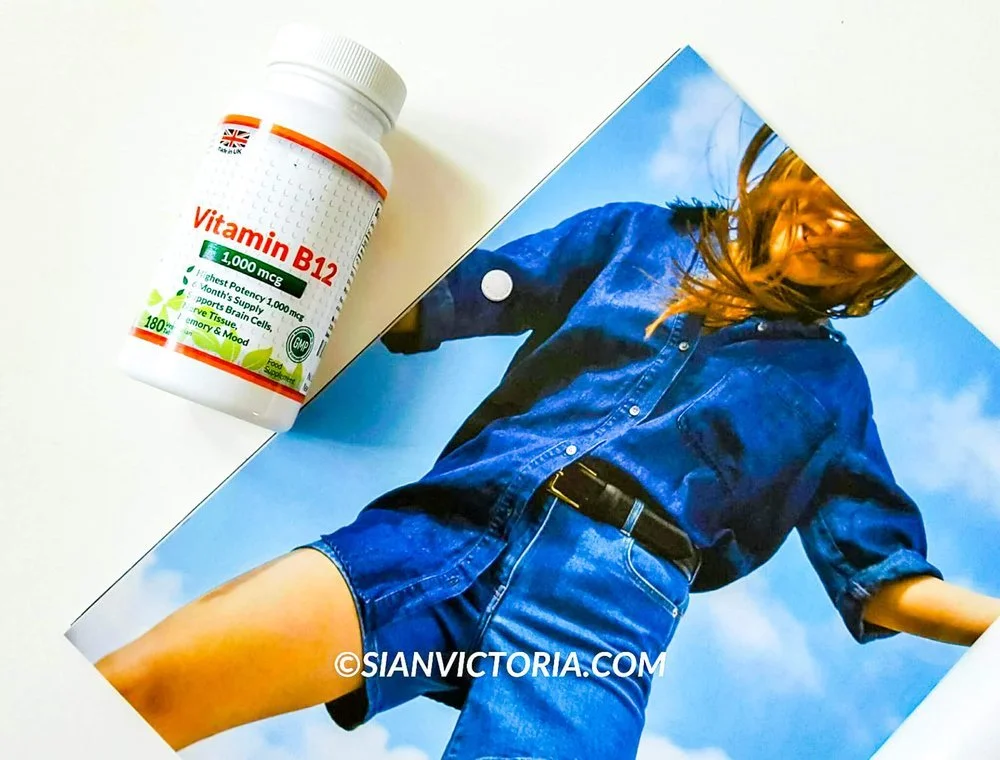
Sian Victoria © Vitamin B12 vegan food supplement
Guide to B12: Energy Vitamin You Need to Boost Your Health
Vitamin B12, also referred to as cobalamin, is a critical nutrient that plays a vital role in taking care of our overall health and well-being. Despite its importance, numerous individuals are unaware of its benefits. This essential vitamin is responsible for various functions in our body, such as the production of red blood cells, supporting a healthy nervous system, and assisting in the metabolism of protein and fat.
Additionally, it is vital for DNA synthesis and plays a key role in maintaining cognitive function and mood. Through this blog post, I’ll share the various benefits of B12 and explain why it is necessary to ensure sufficient intake of this vitamin in our daily diets.
By understanding the significance of B12, whether you are a vegetarian, vegan, or meat-eater, you can make informed decisions about your diet and well-being. Therefore, let's explore the wonders of B12 and how it can benefit our bodies in numerous ways.
What is Vitamin B12?
Vitamin B12 is a water-soluble nutrient that falls under the B-vitamin family. The inclusion of cobalt makes it the only vitamin with a trace element, thus earning it the name cobalamin. B12 plays a significant role in several metabolic processes that keep our bodies functioning at their best.
Unlike some other vitamins, we cannot produce B12 in our bodies naturally, and therefore we must rely on external sources, such as animal-based foods or supplements. After ingestion, B12 is absorbed into our bloodstream and contributes to various essential functions, such as creating red blood cells, maintaining our nervous system, aiding in DNA production, and more.
We can store excess B12 in our liver for future use, but a deficiency in B12, whilst rare, can result in severe health complications, highlighting the importance of obtaining enough of this vital nutrient through our diets.
When is the Best Time to Consume B12?
The optimal timing for B12 intake varies based on individual factors, including dietary habits and health needs. A balanced diet that incorporates B12-rich foods throughout the day is generally recommended for consistent vitamin supply and optimal absorption.
For those taking B12 supplements, morning consumption is often advised due to the vitamin's ability to boost energy and alleviate fatigue. However, since each person's body responds differently, some may find later consumption to be more suitable. High doses may require split intake throughout the day to enhance absorption.
Healthcare professionals' or supplement packaging directions should always be followed for safe and effective consumption. Ultimately, the best B12 consumption timing is unique to everyone’s health requirements and circumstances.
Who Needs Vitamin B12?
Vitamin B12 is an essential nutrient for maintaining overall health, but certain groups face a higher risk of deficiency. Pregnant and breastfeeding women require higher levels of B12 to support their child's development, whilst the elderly may need increased supplementation due to age-related decreases in absorption.
Those with digestive tract conditions or who follow a vegetarian or vegan diet are also at higher risk, as are those who have undergone weight loss surgery or who smoke and drink heavily. To prevent deficiency, these individuals must work with a healthcare professional to monitor their B12 levels and consider supplementation as needed.
Best Natural Sources of Vitamin B12
Animal sources are the primary providers of Vitamin B12, with clams and beef liver offering substantial amounts of this vital nutrient. Fish like salmon, trout, and tuna also contain high levels of B12, whilst sardines and crab are noteworthy seafood sources.
Poultry and red meat, such as chicken, turkey, and beef, are excellent choices for meat eaters. Dairy products like milk, cheese, and yoghurt, as well as eggs, can also supply B12 in your daily diet. In case your diet falls short of the daily B12 requirement, supplements in sublingual or oral forms can provide a feasible solution.
However, seeking advice from a healthcare professional before starting a supplementation regime is crucial. A well-planned intake of the above-mentioned sources can help optimise your health by achieving the recommended daily intake of vitamin B12.
What Foods are High in B12 for Vegans?
For vegans like me who follow a plant-based diet, obtaining enough B12 is a challenge as the diet itself is deficient in this essential vitamin. Hence, it is crucial to incorporate fortified foods or supplements into their diet. Fortified plant-based milk, such as soya, almond, and oat milk, are excellent sources of B12, as are certain cereals and meat-free substitutes.
Nutritional yeast, a widely popular cheese substitute, is often fortified with B12, adding a dose of this nutrient to vegan meals. Some plant-based spreads and yeast extracts are also infused with B12. However, the absorption of B12 from plant-based sources can vary significantly, which is why vegans are advised to consider B12 supplements to meet their daily requirements.
To be on the safe side, it's advisable to monitor B12 levels regularly. Always read product labels carefully to ensure B12 content and consult a healthcare professional before beginning any supplementation regimen.
What are the Benefits of Vitamin B12?
Having acquired knowledge about the role of vitamin B12 in the body and how to incorporate it into your diet, it's time to look at its numerous health and beauty benefits. Familiarising yourself with these benefits and being mindful of the foods you consume can aid in identifying potential deficiencies and how vitamin B12 can assist you in overcoming them.
1. Helps with Red Blood Cell Formation
Red blood cells are responsible for transporting oxygen to various parts of the body, and Vitamin B12 is an essential nutrient required for their creation. Insufficient B12 levels may cause the production of megaloblastic red blood cells, which are abnormally shaped and larger. These cells move slowly from the bone marrow to the bloodstream, causing compromised oxygen supply to tissues.
As a result, individuals may experience weakness and fatigue, leading to megaloblastic anaemia. Therefore, it is vital to maintain healthy B12 levels by incorporating it into one's diet or through supplements to avoid this condition.
This is something that I experienced myself throughout college and supplementing with it and consuming fortified foods significantly helped in reducing my symptoms of anaemia.
2. Prevention of Major Birth Defects
Pregnant women must be diligent in maintaining adequate levels of Vitamin B12. This crucial nutrient is essential for the proper development of the foetus's brain and nervous system. Inadequate intake during pregnancy can result in serious neural tube defects, such as spina bifida, and may also increase the risk of premature birth or miscarriage.
To avoid these risks, expectant mothers are strongly advised to closely monitor their B12 levels and discuss their dietary needs with their healthcare provider, particularly if they follow a plant-based diet which may naturally lack this nutrient. By taking appropriate supplementation or adjusting their diet, pregnant women can ensure the healthy development of their baby.
3. Supports Bone Health and Prevents Osteoporosis
Adequate intake of Vitamin B12 is necessary in promoting optimal bone health, as studies have shown that its deficiency can lead to a decline in bone mineral density, which in turn, can increase the risk of osteoporosis and fractures as one ages.
To prevent the onset of such age-related bone issues, it is imperative to ensure an ample intake of this essential vitamin. This can be achieved through incorporating B12-rich foods into one's daily diet or opting for B12 supplements as recommended by healthcare professionals.
This is especially important for individuals following vegan or vegetarian diets, as B12 supplements may be necessary to compensate for the lack of this nutrient in plant-based foods. Therefore, B12 is a crucial pillar in maintaining bone health and preventing osteoporosis.
4. Reduces Risk of Macular Degeneration
The progressive eye condition, macular degeneration, affects the part of the retina responsible for sharp, central vision. Numerous research studies have emphasised the role of Vitamin B12 in counteracting this condition. This vital vitamin has been linked to a reduction in homocysteine, an amino acid present in your bloodstream that is associated with a heightened risk of age-related macular degeneration.
Ensuring an adequate intake of B12 can aid in keeping your homocysteine levels in check and potentially reduce your risk of developing this eye condition. By incorporating B12-rich foods into your diet or considering supplementation, you can maintain your overall eye health and preserve your central vision as you age.
5. Improves Mood and Symptoms of Depression
The potential mood-enhancing effects of vitamin B12 are believed to stem from its role in serotonin synthesis and metabolism, a neurotransmitter crucial for mood regulation. Insufficient levels of B12 may result in reduced serotonin production, potentially leading to depression.
Various studies suggest that supplementing with B12, particularly in combination with antidepressants, can significantly alleviate depressive symptoms. It is important to note that while B12 may improve overall well-being and mood, it should not replace professional medical advice and treatment for depression. Consulting with a healthcare professional is always recommended for accurate diagnosis and treatment options.
6. Promote Healthy Hair
Healthy hair is heavily dependent on the presence of Vitamin B12, which plays a critical role in supporting red blood cell production and oxygen supply to hair follicles. Therefore, proper oxygen delivery is crucial to thicken thinning hair and boost growth.
In addition to this, B12 aids in the creation of DNA, which is the fundamental genetic material that composes hair. B12 deficiency can cause hair abnormalities or even hair loss. B12 has also been proven to reduce stress and improve mood, indirectly contributing to hair health.
Hair loss is frequently associated with stress, and positive emotions can promote overall wellness and hair health. It is thus advisable to incorporate B12-rich foods in your diet or take supplements, as recommended, as a viable method for maintaining healthy, gorgeous hair.
7. Grow Stronger Nails
The health of nails, much like hair, depends greatly on the presence of Vitamin B12. This essential nutrient facilitates the cell reproduction process necessary for nail growth and contributes to the production of red blood cells which supply oxygen to the entire body, including the nail beds.
With adequate oxygen supply, healthy nail growth can be sustained, while the risks of discolouration and brittleness are mitigated. Additionally, Vitamin B12 supports the synthesis of genetic material in the nails, namely DNA and RNA, which are essential components of nail structure.
Neglecting the intake of Vitamin B12 may result in atypical nail growth, abnormal shape, and unusual colour. For this reason, incorporating Vitamin B12-rich foods in your diet, or following recommendations for supplementation from a healthcare professional, may be a helpful approach to maintain healthy, resilient, and beautiful nails.
8. Support Skin Health
The significance of Vitamin B12 in improving skin health is undeniable. This crucial vitamin plays a vital role in facilitating the production of cells throughout the body, including skin cells, which can effectively alleviate common skin concerns such as inflammation and excessive dryness, resulting in a smoother and healthier-looking complexion.
Additionally, B12 can offer potential aid to those struggling with acne by regulating skin cell production and preventing pores from clogging, which can ultimately reduce acne breakouts. Another distressing skin problem linked to a B12 deficiency is hyperpigmentation, characterised by darkened skin patches, and vitiligo, a condition resulting in the development of white patches due to a lack of pigment.
Hence, maintaining adequate levels of this vital vitamin in your body can potentially avert these skin-related problems to achieve a flawless and trouble-free complexion.
9. Boosts Your Energy Levels
Vitamin B12 is an essential component in energy production, as it assists in converting food into glucose which the body uses to maintain energy levels. Adequate B12 levels are crucial in preventing feelings of fatigue and weakness.
Additionally, B12 is vital in supporting the proper functioning of the nervous system, which directly impacts one's energy levels. As mentioned, a deficiency in this vitamin can result in anaemia, which is characterised by a lack of red blood cells and haemoglobin to carry sufficient oxygen around the body, leading to feelings of lethargy and fatigue.
Therefore, ensuring a sufficient intake of B12 is a natural way to keep you active throughout the day and boost your energy.
To conclude
Like biotin, B12 is a key vitamin that is essential for overall health and well-being. It plays a vital role in many body functions, including the formation of red blood cells, maintenance of healthy skin, hair, and nails, and mental health regulation.
Additionally, B12 is crucial for energy production and promotes vitality as we age and physical activity. Regardless of your dietary preferences or lifestyle, it is essential to ensure adequate intake of B12 to reap the many health benefits.
However, monitoring B12 levels and consulting with a healthcare professional before starting any supplementation is crucial. Understanding and appreciating the importance of this essential vitamin can help make informed dietary choices and lead to a healthier, more vibrant life.


