13 Easy Tips to Prevent Hair Loss That You Might Be Causing

Sian Victoria © - Receding hairline
Guide to Common Causes of Hair Loss and How to Stop Them
As someone who has battled with thinning and losing hair in clumps over the years, I know that hair loss is something that, unfortunately, a lot of us have to deal with, but making a few simple changes can really help out. There are plenty of reasons why people lose their hair, and the surprising thing is that some of them are totally within our control. Factors like stress, what we eat, and how we treat our hair can all play a significant role in its health. So, in this hair loss guide, I’ll share 12 easy tips to help tackle hair loss tied to our everyday habits.
From tweaking your hair care routine to making some lifestyle changes, these suggestions are all about keeping your hair strong and healthy. Becoming aware of these strategies can seriously shift how you think about hair care. Whether you want to slow down thinning or boost new growth, these tips are here to put you in charge of your hair health. You’ll find that these simple recommendations and small tweaks can make a big difference for your hair.
1. Avoid Too Much Heat Styling
Using heat styling tools like hairdryers, straighteners, and curling irons constantly can really damage your hair over time. These tools can weaken your hair, making it more likely to break or fall out. To keep your hair healthy, try to save these tools for special occasions or use them only once a week at the most.
When you do style with heat, keep the temperature low and definitely use a heat protectant spray first. These sprays help create a barrier to minimise damage from the heat. Also, try air-drying your hair when you can and rock some natural hairstyles to give your hair a break from all that heat. This can help keep your hair in good shape and lower the chances of losing it.
2. Adopt Gentle Ways to Wash Your Hair
How you wash your hair can really impact how healthy it looks and feels. Use lukewarm water instead of hot because hot water can strip away the natural oils. When you’re shampooing, just gently massage your scalp instead of scrubbing hard, so you don’t weaken the roots. Pick a shampoo that works well for your hair type and don’t wash it too often, or it might get dry and damaged.
After shampooing with a sulphate-free shampoo, slap on some conditioner, mostly at the ends of your hair where it needs it most. Make sure to rinse it out well to avoid that gunky buildup that can make your hair feel heavy and unhealthy. When drying your hair, just pat it with a towel instead of rubbing it, which can lead to breakage. Also, keep combing or brushing to a minimum when your hair is wet since it’s more fragile at that time. Following these tips can help keep your hair healthier and stronger!
3. Pick the Kindest Hair Products
Finding the best hair products is necessary for maintaining your hair's health and shine. Go for sulphate-free shampoos since they clean your hair without taking away those natural oils, which helps keep your scalp in check. Make sure your conditioner suits your hair type, whether it's oily, dry, or normal. The right products can really help with issues like dandruff, frizz, or thinning hair.
Give leave-in conditioners or serums a shot for some extra moisture and protection, especially if your hair gets dry or damaged. Stay away from harsh chemicals and heavy scents because they can irritate your scalp or cause allergic reactions. Natural, organic, vegan and cruelty-free hair products are usually gentler and good for your hair health.
Keep an eye on the ingredients and pick ones that have nourishing goodies like argan oil, shea butter, or coconut oil—they can really make your hair stronger and shinier. Don’t forget to tweak your hair care routine if the seasons change or if your hair starts acting differently, so it stays healthy and vibrant all year round.
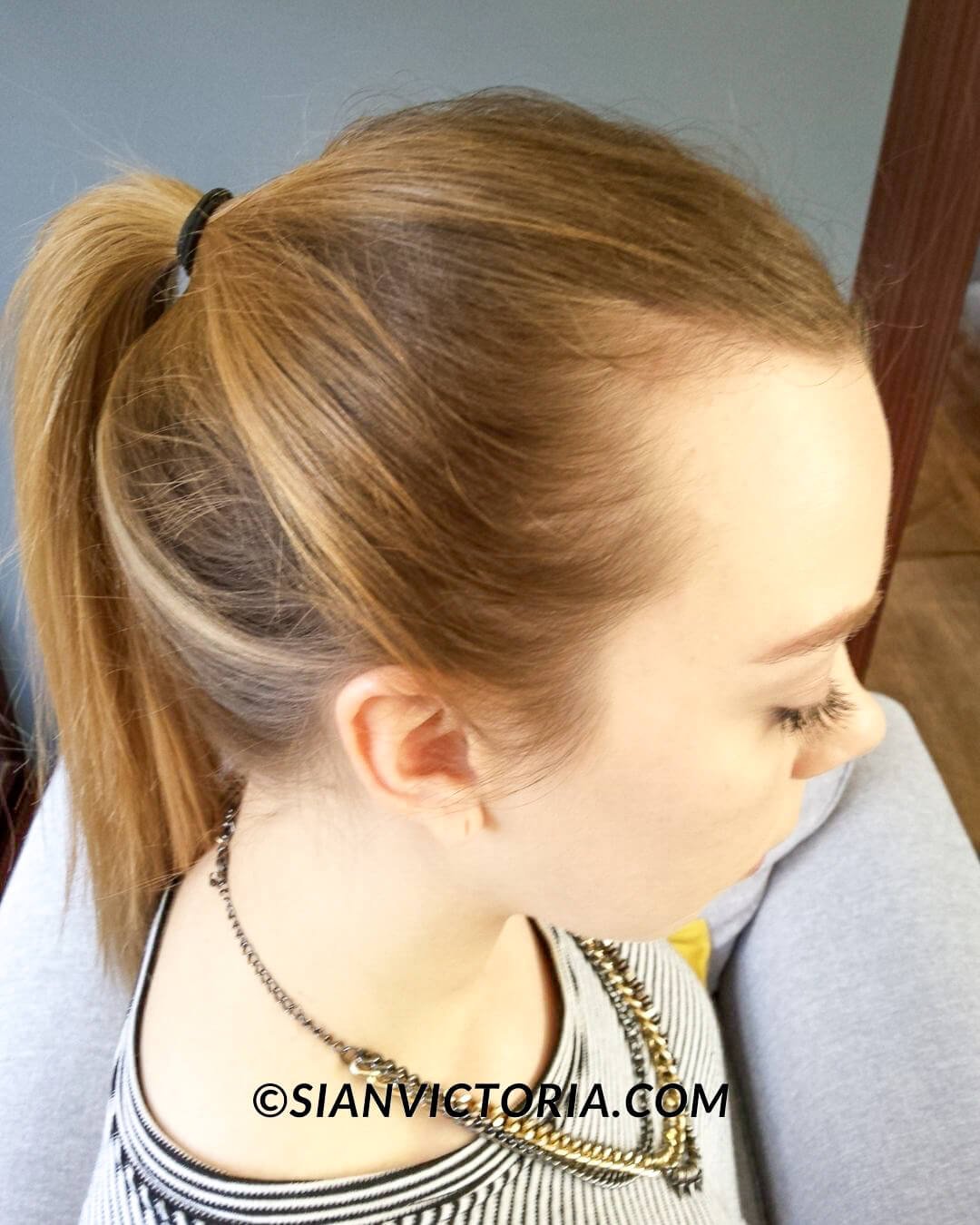
Sian Victoria © - Receding hairline
4. Use Gentle Hair Brushing Methods
Brushing your hair the right way can make a difference in keeping it healthy. It’s best to use a brush with natural bristles since they’re gentler on your hair and scalp. Always brush when your hair is dry, because wet hair is more delicate and can break easily. Try to section your hair into smaller parts to make the whole process smoother and more effective.
Start detangling from the ends and work your way up to the roots—this way, you won’t be pulling on your hair too much, which helps prevent your hair from breaking and keeps it healthy looking.
Make sure to clean your brushes regularly! Getting rid of hair and product build-up is key because it can cause irritation on your scalp. Just wash the bristles with some gentle shampoo and let them air dry completely. When following these tips, you'll keep your hair strong, minimise damage, and help it stay healthy overall.
5. Reduce Your Stress Levels
Stress can really mess with your hair, so finding ways to chill out is super important for keeping it healthy. Doing regular activities like walking, jogging, or swimming can really help lower stress. Plus, things like yoga and meditation are awesome for helping you relax and feel good mentally. Not only do these activities help reduce stress, but they also boost your overall health, which is great for your hair.
It's also worthwhile to have a balanced lifestyle that includes enough rest and time for hobbies you love. Chilling with friends and family is a great way to get some emotional support and take the edge off stress. Another tip is to keep your workload in check and set realistic goals so you don’t feel overwhelmed.
When fitting these stress-busting tricks into your routine, you can really boost not just your hair health but your overall well-being too.
6. Eat Real, Colourful and Nutritious Foods
Eating a healthy diet that's loaded with good stuff can really do wonders for your hair. Load up on fruits and veggies, and focus on adding lean proteins and whole grains to your meals. Grab foods packed with vitamins A, C, and E for a tasty boost! Plus, iron and omega-3 fatty acids are amazing for encouraging hair growth and keeping it strong.
Leafy greens like spinach and kale are awesome for getting your fill of iron and vitamins, while nuts and seeds offer healthy fats and zinc. Don't forget about getting enough protein—things like fish, chicken, and legumes are key for making keratin, which is what your hair is made of. Eggs are a great pick too since they have biotin, known for helping to reduce hair loss and strengthen what you've got.
Dairy, like yoghurt and milk, adds calcium and protein to your diet, giving your hair extra support. And don’t ignore hydrating foods such as cucumbers and watermelon; they help keep your hair moisturised. It’s smart to cut back on processed foods, sugar, and unhealthy fats since they can harm your hair health. Sticking to a nutrient-rich diet can help you achieve healthier and stronger hair.
7. Fill Nutrition Gaps with Quality Supplements
If your diet lacks important nutrients, taking supplements can help improve your hair health. Women can benefit from hair vitamins and supplements to get the nutrients they need for stronger, healthier hair. Biotin is a popular choice because it’s great for strengthening your hair and nails. Omega-3 fatty acids are basically those healthy fats you get from fish oil; they are ideal to keep your scalp in good shape and help your hair grow. You might also want to check out vitamins A, C, and E since they’re antioxidants that protect your hair from damage.
Iron and zinc are really key for helping your hair grow strong and stay healthy. When you're picking out supplements, just make sure you choose trusted brands and that they're free from any allergens or terrible fillers. Be sure to stick to the recommended dosage and keep an eye on how your hair changes over time. It's a good idea to chat with a healthcare pro before starting any new supplements to make sure they're safe for you. This way, you can fill in any gaps in your nutrition and give your hair a nice little boost.

Sian Victoria © - Receding hairline
8. Trim Your Hair Often to Prevent Split Ends
Getting regular trims is ideal for keeping your hair healthy and looking awesome. If you go too long without a trim, split ends can start to appear and make your hair look rough as the splits climb up the hair shaft, which causes it to break and fall apart, creating an overall messy look.
If you get a trim every 6-8 weeks, you can keep your hair looking good and healthy and get rid of those damaged ends before they get worse. This not only keeps your hair looking neat but also helps prevent serious breakage, which is a win for your hair health.
Plus, regular trims help keep your hairstyle fresh and make it easier to handle. On top of that, cutting off split ends makes your hair look thicker and way more bouncy. While trimming doesn’t speed up hair growth from the roots, it definitely helps your hair look and feel healthier by stopping damage from spreading up the strands.
9. Stop Wearing Tight Hairstyles
Tight hairstyles like high ponytails, buns, or tight braids can really pull on your hair and lead to something called traction alopecia, which is basically hair loss from too much tension on the follicles. This kind of stress can weaken your hair roots, making it more likely to break or fall out over time. To keep your hair healthy, it’s better to rock looser styles that don’t tug on your scalp.
Try using soft hair ties made of fabric or other gentle materials that are kinder to your hair than regular elastic bands. Instead of constantly pulling your hair back tightly, go for more relaxed looks like loose braids, low ponytails, or just letting your hair hang free. Mixing up your hairstyles often can also help avoid putting too much strain on the same areas of your scalp.
When you have to tie your hair back, be gentle and don’t pull too hard. At night, give your hair a break by leaving it down or loosely braided while you sleep. Being aware of these tips can help you prevent damage and keep your hair looking great. Something that I’ve highly recommended in recent years is having a soft and silky pillowcase to prevent friction. It's also best for your skin.
10. Lay Off the Chemical Treatments
Chemical treatments like dyes, relaxers, and perms can really weaken your hair and lead to breakage or even hair loss. These treatments usually involve strong chemicals that can take away your hair's natural oils, leaving it dry and more susceptible to damage.
To cut down on these harmful effects, try to avoid doing them too often. When you want to colour your hair, think about using more natural options like henna or vegetable-based dyes, which are usually gentler. Also, consider semi-permanent or temporary dyes instead of permanent ones to limit exposure to those strong chemicals.
If you’re regularly using relaxers, it's a good idea to give your hair some time between treatments to recover. If you're planning on using a chemical treatment, just make sure you stick to the instructions and do a patch test first to steer clear of any allergic reactions or damage. Regular deep conditioning can help you add moisture back in and strengthen your hair after processing.
If you’re thinking about ditching chemical treatments, just take it easy and be kind to your hair. Try to avoid doing multiple treatments on hair that’s already been processed, since that can lead to some serious damage. Going for protective styles that are low-maintenance can really help take the stress off your hair, too. When following these tips, you can keep your hair healthier and reduce the damage from those chemical treatments.

Sian Victoria © - Receding hairline growing back
11. Get Plenty of Beauty Sleep
Having sufficient restorative sleep is absolutely necessary for taking care of yourself, and that goes for your hair, too. While you snooze, your body is busy repairing and growing, which is key for healthy hair. Try to hit that 7-8 hours of sleep each night so your body has enough time to do its thing. A regular bedtime routine can really help you sleep better—think about things like reading a book, taking a cosy bath, or doing some relaxation exercises.
Creating a comfy sleep space is also a plus; keep your bedroom cool, dark, and quiet for the best rest. Try to skip caffeine and big meals just before you hit the hay since they can mess with your sleep. Plus, cutting down on screen time before you hit the hay helps, too, as the blue light from your devices can throw off your sleep cycle. When keeping up with good sleep habits, you'll not only feel better overall but also support the health and shine of your hair.
12. Reduce Excessive Hair Pulling Habits
Pulling out your hair, whether you do it on purpose or it's just a habit you picked up, can really mess up your hair and lead to hair loss over time. This behaviour, called trichotillomania, often kicks in when you’re stressed, anxious, or just bored. To help with this, it’s ideal to figure out what triggers you and find healthier ways to cope instead. Keeping your hands busy with things like a stress ball or a fidget spinner can really help distract you.
Plus, jumping into activities where you use your hands, like drawing, knitting, or even typing, can keep your mind off pulling your hair. Mindfulness stuff like meditation or just taking a few deep breaths can really help with those emotional triggers. Trying out hairdos that make it harder to access your hair, like braids or buns, can be a good preventive move, too. If it gets really tough, talking to a therapist or counsellor who knows about behavioural therapies can give you the tools you need to break the habit.
13. Chat to an Expert on Hair Loss
If you’re still facing hair loss despite trying different things, it could be a good idea to check in with a dermatologist or a trichologist. These experts can do a thorough check-up to figure out if there's something else going on, like hormonal imbalances, thyroid problems, or not getting enough nutrients. They might even do some tests like blood work or a scalp biopsy to get to the bottom of it.
They can also suggest specific treatments just for you, like prescription meds, topical treatments, or special hair care products that you can't find in stores. Sometimes, they might recommend therapies like microneedling, massaging the scalp or laser treatment to help get your hair growing again.
Besides that, they can give you tips on lifestyle and diet changes that could help your hair stay healthy, and they might suggest some supplements if needed. They can also help with managing stress and other factors that could be making your hair loss worse.
You’ll want to seek professional advice sooner rather than later; it can really make a difference to help stop more hair loss and make treatments work better. It's super important to have an open chat about your worries with your specialist so you can come up with a good plan together. Taking this proactive approach will help boost your hair health and deal with any issues that might be getting in the way of your hair growth.
To conclude
Handling hair loss is really about taking care of your hair properly, eating well with a pantry stocked with whole foods, managing stress, and sometimes getting a little help from the pros. To keep your locks looking good, try to avoid too much heat styling, wash your hair gently, and choose the most beneficial products when it comes to the ingredients list.
Regular trims, avoiding tight hairstyles, and cutting back on chemical treatments can really help, too. Plus, don’t forget that managing stress, getting enough sleep, and sticking to a balanced diet full of essential nutrients are super important for hair growth. If you’re not getting the nutrients you need from food, supplements can help fill those gaps.
Also, watch out for habits like pulling your hair. If you notice your hair loss isn’t improving, chatting with a dermatologist or trichologist can help you get advice and treatments that are just right for you. If you stick to these tips, you can keep your hair strong and healthy while lowering the risk of losing it.


