
Sian Victoria © - Woman in bed drinking tea
Guide to a Better Nights Sleep: How to Improve Sleep Quality
It is easy to forget how important proper sleep hygiene is to our day-to-day life. However, it is essential to our general health and should be prioritised. Quality rest isn't just about the hours we spend in bed; it involves various practices and habits that help us sleep better. Poor sleep hygiene can lead to problems like fatigue, irritability, and decreased cognitive function.
Luckily, simple yet effective strategies can improve your sleep environment and routine, leading to a more restful night’s sleep. In this blog post, I will suggest practical tips to enhance your sleep routine, facilitating sleep and allowing for a more restful wake-up. From creating the perfect bedroom conditions to establishing a calming pre-sleep routine, these tips blend perfectly with your way of life, helping you fall asleep more quickly and experience a more profound, fulfilling rest.
1. Create a Consistent Sleep Schedule
It's essential to have a regular sleep schedule to improve the quality of your slumber, especially if you suffer from various causes of insomnia. Your body loves routine, and sticking to consistent bed and wake-up times, even on weekends, helps regulate your internal clock, which affects your sleep-wake cycle. This makes it easier for you to fall asleep and wake up naturally.
Start by figuring out when you need to go to bed to get 7-9 hours of sleep, which is recommended for most adults. Once you've found your ideal bedtime and waketime, stick to them daily. It might be challenging, especially when you have plans or work, but it's worth it.
If you stay up late on weekends, try gradually returning to your regular schedule instead of suddenly changing. For example, if you go to bed two hours later on Saturday, try to wake up one hour later than usual instead of two, slowly returning to your routine.
Also, try not to nap during the day, as this may disrupt your sleep at night. A consistent sleep schedule will set you up for better sleep and overall well-being.
2. Make Your Bedroom a Sleep Sanctuary
Your bedroom and bed set-up should be a comfy and peaceful space where you can chill out and prepare for comforting sleep. To ensure this, use blackout curtains or an eye mask to block out light. You can also consider employing earplugs or a white noise generator to reduce disruptions.
Your mattress and pillows are essential for a good night's sleep, so ensure they are comfortable and supportive. Get bedding composed of natural, breathable fabrics, such as cotton. Keeping your sleep space clutter-free can also help create a soothing atmosphere.
The colours and scents in your bedroom can impact your sleep. Soft, calming colours on the walls and bedding can promote relaxation. You can also use calming scents like fragrant candles or essential oils, lavender or chamomile, but be sure to put them out before sleep.
It's best to keep your bedroom reserved for sleep and intimacy only. Try to avoid bringing work or electronic devices into your sleep space. This helps your brain associate the bedroom with relaxation and makes it easier to unwind and fall asleep when needed.
3. Limit Exposure to Blue Light Before Bed
Blue light is emitted by computers, tablets, and cellphones, which may disrupt your body's sleep cycle by impacting melatonin synthesis, the hormone that controls sleep. Reducing screen time is a good idea as you get closer to bedtime. Before bed, try to avoid using electronics for at least one hour. Instead, you can do relaxing activities such as reading a book, practising relaxation techniques, or enjoying soothing music.
If you can't avoid screens wholly, you can use blue light filters or apps that reduce the amount of blue light emitted by your devices. Many modern devices have a "night mode" feature that can be scheduled to turn on in the evening. Additionally, you can consider using blue light-blocking glasses if you need to work late or spend time in front of a screen.
Taking time to wind down without electronic distractions can improve your sleep quality. Your body and mind will appreciate the chance to relax without the stimulation from screens, making it easier for you to fall asleep and have a more restful night.
4. Establish a Relaxing Bedtime Routine
To enhance your quality of sleep, create a calming bedtime routine. Establish a regular time each night to wind down first. Take part in relaxing activities, such as a warm bath, to lower your body temperature and signal your brain that it's time for sleep. Reading a physical book or writing in a journal can also be soothing and free from the stimulating effects of screens.
Incorporate gentle stretches or yoga to release physical tension and prepare your body for rest. Practising mindfulness or meditation can help quiet a busy mind and reduce stress levels. Listening to soft music or natural sounds can further enhance relaxation.
Consider your environment: dim the lights an hour before bed to create a relaxed atmosphere. Avoid drinking alcohol or coffee right before bed because these substances can make it difficult to fall asleep. If you find your mind racing, to help you relieve stress, try making a list of things you need to complete the following day. Getting things off my mind and written down helps immensely, especially if I have a big day ahead.
By consistently following these steps, you'll condition your body and mind to associate these activities with sleep, making it easier to fall asleep and enabling you to sleep more profoundly and peacefully.
5. Be Mindful of Food and Drink Intake
Pay attention to what you eat and drink since it may affect your sleep quality. It's best to avoid heavy late-night dinners, which may cause discomfort and make it hard to fall asleep. If you're feeling hungry before bed, consider having a light snack. Foods high in tryptophan, such as bananas or yoghurt, can be beneficial.
Stimulants like nicotine and caffeine might interfere with your sleep, so it's a good idea to steer clear of them in the late afternoon and evening. Even small amounts of caffeine found in tea, chocolate, or certain pain relievers can affect your ability to sleep. While alcohol might make you feel sleepy at first, it can interfere with your sleep cycle and reduce the quality of your rest.
Staying hydrated is essential; however, try to avoid drinking too many fluids right before bed, as this can lead to getting up to use the bathroom at night. Herbal drinks made from valerian root or chamomile flowers can be a soothing alternative to caffeinated drinks and may help you relax and improve your sleep quality.
6. Get Regular Physical Activity
Being physically active regularly is crucial for encouraging restful sleep. Exercise helps regulate your body's internal clock and enhances the overall quality of sleep. Try getting at least 30 minutes of moderate exercise most days of the week, such as taking a brisk walk, cycling, or swimming. Remember to be mindful of the timing because it may energise your body; getting too much exercise right before bed can make it harder to fall asleep.
Try to complete strenuous exercise at least three hours before bed for best results. Mild exercises like stretching or yoga can be done closer to bedtime and may help. Additionally, exercise lowers stress and anxiety, which are common causes of poor sleep. Cardio and strength training helps me feel balanced and tired enough to sleep well.
Consistency is key. Making exercise a consistent feature of your daily schedule will improve your sleep and contribute to better overall health. Whether you prefer a morning jog or an evening dance class, finding an exercise routine you enjoy can make all the difference.
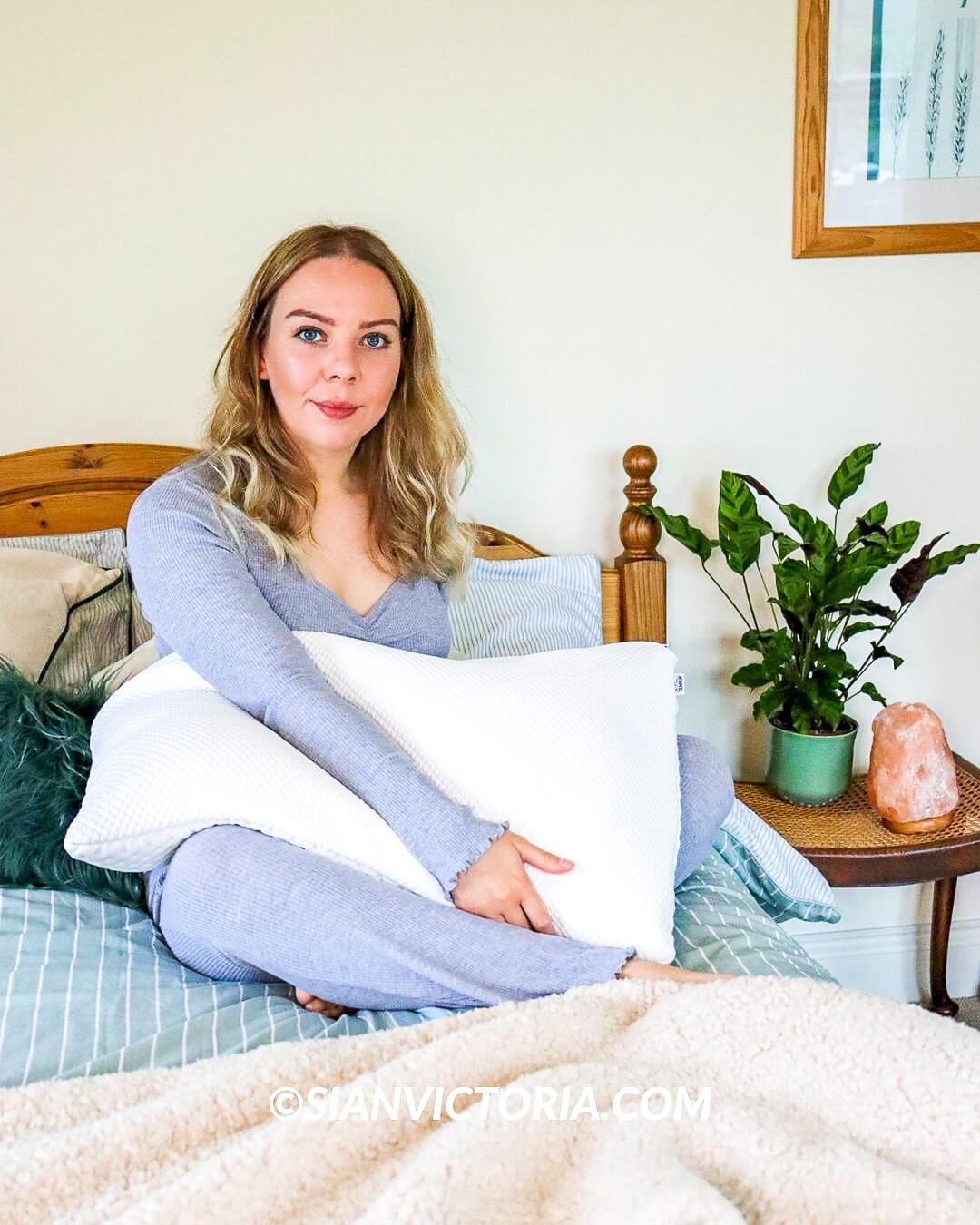
Sian Victoria © - Woman in bed, support pillow
7. Manage Stress and Anxiety
Dealing with stress and anxiety can mess up your sleep routine, making it challenging to relax and fall asleep. One way to tackle stress is by practising meditation with awareness. This entails paying attention to your breathing and living here and now, which can help calm your mind. Progressive muscular relaxation is an additional beneficial method. In this method, you tense and slowly release each muscle group, helping reduce physical tension.
Breathing exercises can also be beneficial. Techniques like the 4-7-8 method, inhaling for four seconds, holding for seven, and exhaling for eight, can promote relaxation and ease anxiety. It's also a good idea to keep a worry journal to jot down your thoughts before bed, which can relieve and prevent overthinking.
As mentioned earlier, physical activity is a great way to bust stress. However, it's essential to finish any intense workouts well before bedtime. Including hobbies and enjoyable activities in your daily routine can provide a mental break and reduce overall stress levels.
If stress and anxiety are getting to you, it's worth considering seeking professional help. A therapist can offer strategies and techniques tailored to your needs, ensuring you get the restful sleep you deserve.
8. Limit Naps During the Day
Taking a nap during the day can be tempting, especially after a rough night's sleep. But it's essential to limit napping to maintain a healthy sleep routine. Long or irregular naps can mess with your internal body clock, making it more difficult to sleep at night. If you need a nap, keep it short, like a 20-minute power nap, preferably in the early afternoon. This time, you can boost your energy and mood without making you groggy by entering deep sleep.
Avoid napping too late in the day, as it can disrupt your nighttime sleep. If you're sleepy, try doing something light, like taking a short walk or stretching, to help you stay awake. I've found that keeping my naps brief ensures I can still have a good night's sleep. Remember, while a quick nap can be rejuvenating, it shouldn't replace the restorative sleep you get at night. You can maintain a more consistent and effective sleep schedule by managing your naps wisely.
9. Exposure to Natural Light
Natural light is essential for keeping your body's internal clock on track. I spend around 30 minutes outside daily, especially in the morning. It keeps me awake and helps me get out of bed. If I can't get outside, I sit by a window or use a light therapy box to mimic sunlight.
I've noticed that having good natural light during the day helps me stay awake and focused. Then, I dim the lights in the evening to help me relax and wind down. It's all about keeping my body's sleep signals in check.
Taking a brisk walk in the morning puts me in a good mood and helps me sleep better at night. Making natural light a part of my daily routine has improved my sleep and how I feel when I wake up.
10. Consider Sleep Aids
Sometimes, using sleep aids can be helpful. Natural remedies like melatonin, a hormone that helps regulate sleep patterns, can be beneficial when used in the right amounts. Valerian root and magnesium are other natural options known for their calming properties. Over-the-counter sleep aids, such as antihistamines, can offer temporary alleviation; however, because of possible adverse effects, they should be taken carefully, as they cause things like drowsiness and have the potential for dependency.
Prescription medications, like zolpidem or temazepam, may be necessary for chronic insomnia but should only be used under a doctor's guidance. Despite their potential for effectiveness, these drugs include a dependency risk and should be considered as a last resort after trying other sleep hygiene practices. Personally, I’d avoid them and try nature's natural solution first.
Non-medical options like white noise machines or weighted blankets can improve sleep quality. White noise can muffle distracting noises, while weighted blankets provide a comforting sensation that can help reduce anxiety.
Speak with a medical professional before using any new sleep aid, especially if you are taking other medicines or have underlying health conditions. Combining natural supplements and a white noise machine significantly improved my sleep quality without relying on prescription drugs.
11. Pick the Right Bedding And Mattress
When it comes to getting a good night's sleep, your choice of bedding and mattress makes all the difference. First and foremost, your mattress should offer the right mix of support and comfort based on your preferred sleeping position. If you're a side sleeper, a softer mattress that cushions your shoulders and hips might be ideal, while back sleepers often need a firmer surface to keep their spine correctly aligned. It's worth investing in a high-quality mattress, as a subpar one can lead to discomfort and disrupted sleep.
In addition to the mattress, your choice of sleep pillows is equally essential. They should provide adequate support for your head and neck, aligning them with your spine. Various cushion materials, including down or memory foam, offer varying firmness and comfort, so selecting one that suits your needs is essential. For example, I use a TEMPUR memory foam pillow, and I’m lost without it; I could never return to a standard one.
The material you choose for your bedding can make a significant difference. Opt for breathable, natural fibres like cotton or linen, as they can help regulate your body temperature and wick away moisture. This is especially beneficial if you get too warm at night.
Lastly, pay attention to the importance of keeping your bedding clean and fresh. Regularly washing your sheets, pillowcases, and mattress protectors can help reduce allergens that may interfere with sleep. My sleep quality has notably improved after switching to high-quality, breathable bedding, and it's made bedtime something I look forward to.
12. Make Time for Relaxation Techniques
It is ideal to incorporate relaxing techniques into your everyday routine to improve sleep. One effective method is deep breathing exercises, which help calm the nervous system. Progressive muscular relaxation, where you tense and release each muscle group, is a beneficial method. Guided imagery, where you visualise a peaceful setting, can also help create a sense of tranquillity.
Listening to soothing music or natural noises can further improve relaxation. Apps that provide bedtime stories or guided meditations can be beneficial in providing a structured way to unwind. Listening to a short guided meditation helps me transition from the hustle and bustle of the day to a more relaxed state, ready for sleep.
Another approach is aromatherapy. Scents like lavender, chamomile, and sandalwood are known for their calming properties. Essential oils are excellent for a diffuser or applying to your pillow. Creating a consistent bedtime ritual involving these relaxation techniques will signal your body that it's time to sleep.
Lastly, consider keeping a gratitude journal. Reflecting on positive moments from your day can shift your focus away from stress, making it more straightforward to fall asleep peacefully.
13. Support Your Posture By Sleeping in the Right Position
Getting a good night's sleep is essential for your health and overall well-being, and your sleeping position plays a huge role. If you’re a side sleeper, especially on your left side, you might be improving your digestion and possibly preventing acid reflux. A little trick? Slip a pillow between your knees to align your hips and ease the pressure off your lower back.
If you prefer sleeping on your back, you’re doing it right! Your weight is more equally distributed in this position, which minimises pressure points. Just make sure your pillow supports your neck’s natural curve. A tiny pillow beneath your knees will also help ease lower back strain.
On the flip side, stomach sleeping isn’t usually advised. It may cause discomfort by putting tension on your neck and spine. If you can't shake this habit, try using a thinner pillow or even ditching it altogether; this might reduce some stress on your neck.
Remember to switch up your sleeping positions from time to time! This minor adjustment can help prevent stiffness and improve circulation. I’ve noticed a big difference since I started sleeping on my side with the right pillow. My morning back pain has eased, and my sleep quality has improved! So, find what works for you and enjoy those restful nights!
14. Seek Professional Help if Needed
If you've been trying different ways to improve your sleep but are still finding it hard to get a good night's rest, it might be time to consider getting help from a professional. Ongoing sleep problems could be a sign of underlying health issues like sleep apnea, insomnia, or anxiety disorders.
A sleep specialist can perform tests, such as sleep studies, to identify specific problems and suggest personalised treatments. Cognitive Behavioral Therapy for Insomnia, also known as CBT-I, is a proven method that's often recommended. It concentrates on altering unhelpful thoughts and behavioural habits that interfere with sleep.
Moreover, your family doctor can advise on managing stress, anxiety, or other factors affecting your sleep. In some cases, they may prescribe medications, but it's essential to use them under medical supervision to avoid dependency and side effects. I found that seeking help from a healthcare professional gave me valuable insights and solutions I hadn't thought of, making a big difference in the quality of my sleep. Bear in mind that asking for support is a move in the right direction towards improved well-being and sleep.
To conclude
Enhancing your sleep routine can make a real difference in your overall health. By setting a regular nighttime schedule, furnishing a cosy sleeping space, and finding ways to manage stress, you can significantly improve the quantity and quality of your sleep. Regular exercise and being mindful of your diet and hydration also play a significant role.
If these methods don't work, seeking professional help is a good idea. There has been a substantial change in the quality of my sleep by making these small changes. These suggestions can lead to better sleep and a healthier, more lively life.
*SHOP THE POST
Achieving a restful night's sleep is easier with the right tools. Start with a comfortable orthopaedic pillow that adapts to your sleeping style for optimal support. Pair it with a plush, temperature-regulating duvet to keep you cosy without overheating. Consider a white noise machine that can drown out distractions and lull you into slumber for a calming bedtime atmosphere. Enhance the experience with a lavender-scented pillow spray to promote relaxation and reduce stress. Finally, a sleep mask made from soft, hypoallergenic materials can block unwanted light, helping you drift off peacefully. These thoughtful additions to your bedtime routine can make all the difference.


