How to Start Teaching English in China and Ways to Earn
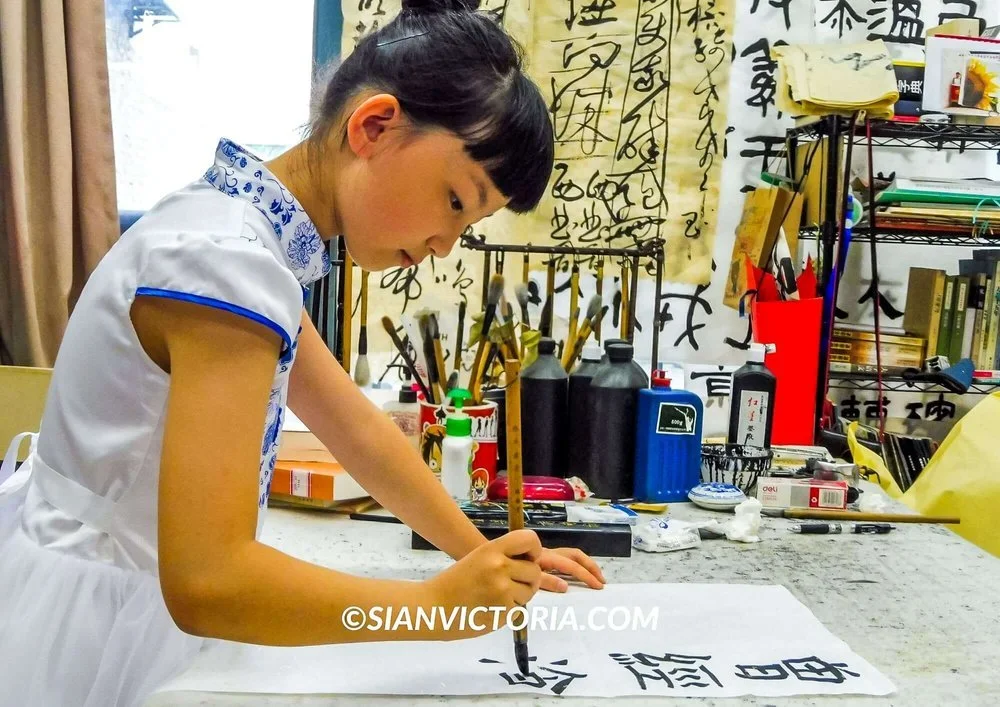
Sian Victoria © - Chinese calligraphy, Sichuan University, Chengdu
Guide to Get a Job and Work as an English Teacher in China
Are you thinking about teaching English in China? This comprehensive guide will give you all the information you need to start your journey as an English teacher in this fascinating country. The chance to teach English in China is unique for those who want to explore a new culture, gain valuable teaching experience, and maybe even learn a new language.
Given the swift expansion of its economy and the considerable need for English tuition, China has emerged as a primary choice for English educators worldwide. This guide will cover everything from the required qualifications and job market to cultural norms and tips for a successful teaching experience.
So, if you're ready for an exciting and rewarding adventure, keep reading to learn more about teaching English in China. After experiencing a summer there, I can assure you it's an experience you’ll never forget!
The Need for English Teachers in China
The growing need for English instructors in China is more than a temporary phenomenon; it demonstrates the country's worldwide aspirations and underscores the significance of English as a crucial tool for accessing international prospects.
With China's economic expansion and growing global presence, English proficiency has become a highly sought-after skill among Chinese students, professionals, and business leaders. This demand for English education has led to a surge in language schools, private tutoring, and English programs within public schools across the nation.
Picture entering a classroom filled with eager students, their eyes bright with the desire to connect with the world beyond their borders. That's the reality for English teachers in China today. Your role extends beyond teaching grammar and vocabulary; you are shaping the future of global citizens.
The enthusiasm for learning English is evident in active megacities like Shanghai, Beijing, or smaller areas, where foreign faces are less familiar. This excitement is not confined to young people; grown-ups and business professionals are as keen to enhance their English abilities to improve their career prospects. The industry is vast, and the opportunities for English teachers in China are as diverse as the country itself.
Requirements for Teaching English in China
Beginning your plans to teach English in China is an exciting yet overwhelming endeavour due to specific criteria that must be met. First, a bachelor’s degree in any field is a non-negotiable requirement; it’s your golden ticket to be considered for teaching positions.
Alongside your degree, obtaining a TEFL (Teaching English as a Foreign Language) certification is crucial. This certification demonstrates your proficiency and preparedness to teach English, especially if your degree isn't in education or English.
Another critical requirement is native English proficiency. Schools and language centres prefer candidates from native English-speaking countries due to the perceived authenticity and quality of teaching. However, fluent English speakers from non-native countries should not be discouraged, as opportunities still exist, especially with a TEFL certification and teaching experience.
Experience is the cherry on top. Though not obligatory, previous teaching experience can significantly boost your employment opportunities and potential salary. It’s the proof in the pudding that you’re not only capable of teaching but also have practical classroom management skills.
Lastly, China has an age requirement for work visas, typically between 18 and 60, and a clean criminal record is essential. So, pack your adaptability, patience, and enthusiasm alongside these qualifications, and you’re heading to a memorable teaching adventure in China.

Sian Victoria © - Tianfu Square, Chengdu
Finding a Teaching Job in China
The key to securing a teaching position in China lies in knowing where to look and how to present yourself. Begin by searching online job boards and websites to find opportunities for teaching ESL (English as a Second Language). These platforms offer a wealth of information, listing jobs from across the country and providing insights into different schools and their requirements.
Networking also plays a pivotal role. Interact in online discussion boards and social media communities where present and past educators exchange their insights and, occasionally, employment opportunities. Please don't underestimate the power of word-of-mouth in this digital age; it could lead you to your next teaching opportunity.
Creating a solid resume and cover letter designed explicitly for the Chinese educational sector is essential. Highlight your TEFL certification, teaching experience, and adaptability to new cultures. Schools are looking for candidates who are not just educators but also cultural ambassadors.
Lastly, recruitment agencies specialising in placing teachers in China should be considered. They can offer personalised advice, help navigate the visa process, and match you with schools looking for your skills. While they take some of the legwork out of your hands, research any agency thoroughly to avoid scams.
The Chinese Educational System
The Chinese educational system reveals a structured yet dynamic landscape that presents challenges and rewards for foreign teachers. The system comprises compulsory education for students aged 6 to 15, encompassing primary and junior secondary education, followed by senior secondary and higher education for those pursuing it.
Chinese students are recognised for their discipline and dedication, which are deeply ingrained qualities from a young age. As an English teacher, you will find yourself in this environment where the thirst for knowledge and the respect for educators can be incredibly inspiring.
One notable aspect is the Gaokao, China’s demanding university entrance examination, which underscores the competitive nature of Chinese education. The pressure to excel in this exam emphasises the importance of English, resulting in a high demand for quality English teaching.
Additionally, "face" or social standing holds significant value in Chinese culture, impacting classroom dynamics and student-teacher interactions. Grasping these nuances is crucial for creating a positive and effective learning environment.
Familiarising yourself with these aspects of the Chinese educational system will help you become a better teacher and enhance your cultural understanding, making your teaching experience in China even more fulfilling.
Legalities and Visas to Working in China
Getting around the maze of legalities and visas for teaching English in China can feel off-putting, but with the correct information, it’s a hurdle you can easily overcome. First, you’ll need a Z visa, which is the official work visa for foreign teachers in China.
Securing this visa requires effort; you must have a job offer, as your employer plays a crucial role in the application process. They’ll provide you with an invitation letter and a work permit, both essential for your visa application.
Next, prepare to visit the Chinese embassy or consulate in your home country armed with your passport, application forms, and documents from your employer. If you're from the UK like me, you may find the nearest embassy in Manchester; it was relatively straightforward when I arrived to collect the visa. Remember, the Z visa is your golden ticket, allowing you to enter China for work legally.
Once you've landed in China, there’s another step - converting your Z visa into a residence permit. This is typically done within 30 days of arrival and involves a health check-up, among other bureaucratic procedures. Your employer should guide you through this process, but it pays to be proactive and ask questions to ensure you follow the correct steps.

Sian Victoria © - Chinese calligraphy, Sichuan University, Chengdu
Preparing for Life in China
Adjusting to life in China is an exhilarating blend of challenge and discovery. From bustling cityscapes to serene countryside, each corner of this vast country offers unique experiences. Start by embracing the essentials.
Learn key phrases in Mandarin, China's predominant language. Even basic communication skills can significantly ease daily interactions and show respect for the local culture. Experimenting with local cuisine can expand your palate and cultural understanding. Keep in mind that most toilets will be squatting, which was a significant adjustment for me, along with the language barrier and food since eating vegan can be difficult.
Familiarise yourself with digital platforms popular in China, such as WeChat for communication and Alipay or WeChat Pay for transactions, as cash is becoming less common. You’ll also need to understand the importance of cultural norms, such as the value of harmony, saving face, and the significance of guanxi (relationships) in both professional and personal settings. It’s also important to note that you may struggle with accessing your apps like Facebook, Instagram, YouTube and Gmail; even though I was using a VPN, it was sometimes tricky since most Western platforms are blocked in the country.
Accommodation varies widely, from modern apartments in cities to more traditional housing in rural areas. Research and decide what suits your lifestyle and budget. Public transport is extensive and efficient, making it a practical choice for commuting.
Lastly, be open and adaptable. Immersing yourself in Chinese culture can be as challenging as it is rewarding, but with an open heart and mind, you'll soon find yourself at home in this vibrant, ever-evolving country.
Cultural Sensitivity and Classroom Management
Cultural sensitivity and effective classroom management in China require a combination of empathy, respect, and adaptability. Chinese classrooms often mirror society's hierarchical nature, with teachers enjoying great respect and authority. It's crucial to approach this dynamic sensitively and acknowledge your significant role in your students' lives. Establishing clear, respectful boundaries and expectations can help create a positive and productive learning environment.
Understanding the concept of 'face', or mianzi, is essential. It represents a person's reputation and dignity. In practice, this means avoiding putting students in situations where they might feel embarrassed or criticised in front of their peers. Instead, offer constructive feedback privately or in a manner that upholds their dignity.
Engaging students through interactive and participative methods can enhance their learning experience and effectively manage classroom dynamics. Chinese students may initially seem reserved, partly because they fear making mistakes in public. Encouraging participation through group work or pair activities can build confidence and break down barriers, creating a more inclusive and dynamic classroom atmosphere.
Lastly, take time to learn about your students' backgrounds and interests. This shows respect for their culture and enables you to tailor your lessons to be more relevant and engaging, further bridging the cultural divide.
Tips for Successful Teaching Strategies in China
Mixing creativity with flexibility in your teaching is ideal for doing well when teaching English in China. First off, it's important to get a feel for the vibe of each class. Start by checking out your students' English skills and how they learn best. This first step will help you tailor your lessons to fit their needs, making your teaching more effective and fun.
Interactive learning is critical. Incorporate games, storytelling, and role-plays to break away from traditional teaching approaches. These activities make learning enjoyable and promote active participation, which is fundamental for language acquisition. Remember, the aim is to establish a supportive atmosphere in which students can feel at ease expressing themselves without worrying about facing criticism.
Using technology can significantly enhance your teaching experience. Apps and online resources that complement your lessons can be handy, particularly those that support English listening and speaking practice. However, be mindful of the digital platforms available in China and adjust your resources accordingly.
Feedback is a valuable tool for improvement, but how it is delivered is crucial. Ensure your feedback is constructive and provided in a manner that motivates rather than discourages. Celebrating small successes and progress goes a long way in boosting your students' confidence in using English.
Lastly, never cease learning. Familiarise yourself with the cultural nuances that influence your students' learning approach. Stay open to exploring new teaching methods and be ready to adapt your strategies as you gain more insight into what works best in the Chinese educational context. Embracing this journey with an open heart and a willingness to adapt will make you an effective teacher and greatly enrich your experience in China.

Sian Victoria © - Chengdu city centre, China
Ways to Teach English While on the Road in China
While China offers numerous opportunities for English teachers, its education system is undergoing a significant overhaul. Therefore, it's more important than ever for teachers to stay informed, especially about the drastic changes to the online private tutoring industry last year.
Teachers can still explore the country despite the changes, but it may require more planning around working hours and academic terms. So, here are four of the best ways to teach English while exploring China, and most importantly, how you can earn an income while travelling.
1. Freelance Teaching Online
After the crackdown on private tutoring in 2021, many English teachers lost their income, but there are still opportunities to teach English to adult learners. The new legislation doesn't apply to adult learners, making English teaching a lucrative option. You can charge around $50 per hour to teach English to adult clients in person or online. Key cities to start in are Beijing, Shanghai, and Shenzhen.
Going freelance has challenges, and you'll need to establish a good reputation. Additional training in Business English may be necessary if it's not a niche you've taught before. It's essential to ensure that your computer and headset are reliable for online teaching, especially in cities with high-speed internet connections like those in China.
2. Public Schools
Public schools in China may not offer as high pay as other teaching jobs, but they are an excellent option for those who want to travel due to reasonable working hours and school holidays. The academic terms run from September to January and then from March to July, providing teachers at least two months off to explore China. However, it's essential to carefully review the contracts offered, as some schools do not provide paid holidays.
Public schools are generally suitable for new teachers who aren't accustomed to heavy workloads of lesson planning and grading and experienced teachers who prefer to follow a set curriculum. Additionally, teachers have greater flexibility in choosing the age group they want to teach: elementary students, middle schoolers, or high schoolers.
Regardless of age, teachers will receive assistance from a native teaching assistant, especially since class sizes could be as large as 45 students. This lightens the workload and provides an opportunity to work alongside Chinese teachers, aiding in getting accustomed to the local culture.
If this is your first teaching job in China, consider looking into teaching positions in cities like Chengdu, which is known for its welcoming locals. Alongside teaching, there are ample opportunities for cultural day trips in the city, such as visiting the Mao Zedong statue in Tianfu Square, exploring Wenshu Monastery, and venturing further afield to places like the UNESCO World Heritage site, Jiuzhaigou, on the Tibetan plateau, and hiking Mount Qingcheng.
3. Private Schools
Teaching English in China, especially in private schools, has always been highly competitive due to the attractive pay. English teachers can earn anywhere from $2,400 to $3,000 per month. So, even though you may work longer hours than a public school teacher, you can put more money aside for trips across China during your time off.
However, the nationalisation of the education system is starting to sweep across the country, with many once-private schools now publicly owned. This transition is expected to be completed by 2023, making private schools a thing of the past. What that means regarding future teacher salaries in these institutions remains unknown, but it is something to keep current with.
Money aside, teachers will have more freedom to teach what they want in private schools. They will also have excellent classrooms equipped with high-tech equipment. Some schools even offer the possibility of undertaking a PGCE while working there, allowing you to develop your skills further and become more employable.
4. Universities
Teaching at universities in China usually means higher pay and better benefits at more prestigious institutions. Consequently, positions at renowned universities are in high demand. Additionally, you may teach fewer than 20 classes per week and be compensated for summer and winter breaks, making this a comfortable job that can fund your travels.
The main difference between teaching at a university and public or private institutions lies in the content you can cover. You can teach more complex topics at a university and create your curriculum for the year. However, this also means you'll have additional planning responsibilities, which might not be problematic for experienced teachers.
Negotiating your teaching hours and salary with the university is essential, as these terms vary. Generally, the more experience you have, the better your chances of securing a position. Even if this isn't your first teaching role in China, aiming for a university position in the future is certainly an achievable goal.
To conclude
Teaching English in China presents a unique opportunity to immerse yourself in a vibrant culture and make a positive impact on eager students. Understanding the demand for English teachers, navigating the educational system, and meeting legal requirements are essential for a successful start.
Embracing the challenges, being culturally sensitive, and effectively managing the classroom are keys to success. Success lies in adapting and refining teaching strategies and connecting deeply with the language and the people.
*SHOP THE POST
If you’ve decided to take the leap and move to China, consider getting a China travel guide to help you with the cultural transition. A Mandarin phrasebook will be handy for everyday situations, and a universal adapter will keep your electronics powered up. Don't forget a water purifier to stay hydrated with confidence during those first few weeks of adjustment!


