9 Beautiful Monasteries & Temples with Gardens in Chengdu, China
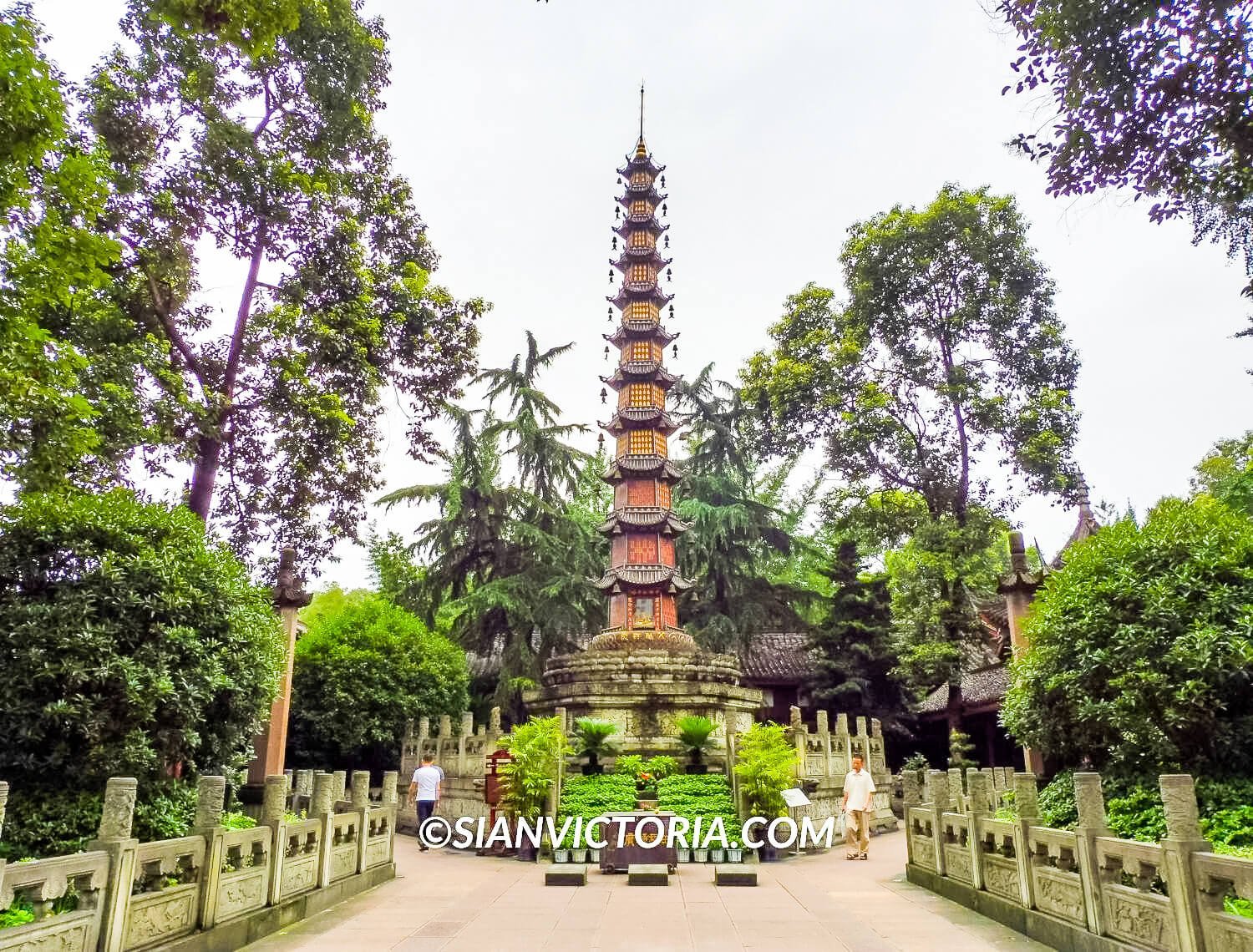
Sian Victoria © - Wenshu Monastery, Buddhist Temple, Chengdu, China
Chengdu: Historical Places, Buddhist Monastery & Ancient Sites
During my recent visit to Chengdu, I was given the unique opportunity to explore the city's vibrant cultural heritage through a cultural immersion programme offered by my university. The programme took us to some of the most magnificent monasteries, temples, and religious sites in Chengdu, each with its special charm and significance in the local community.
These sites not only boast beautiful architecture and intricate details, but they also offer valuable insights into the culture, history, and practices of the city. The peaceful gardens of Wenshu Monastery and the bustling crowds of Wuhou Temple provided me with a range of thought-provoking experiences that were both inspiring and enriching.
With this guide, I aim to take you on a journey through these sacred spaces and offer a glimpse into the soulful world of Chengdu's spiritual sanctuaries. So, join me and discover the best monasteries, temples, and religious sites that this city has to offer.
Sian Victoria © - Wenshu Monastery, Buddhist Temple, Chengdu, China
1. Wenshu Monastery
Wenshu Monastery is a shining example of both historical preservation and Buddhist contentment. Dating back to the Tang Dynasty, this holy sanctuary pays homage to Manjushri, the embodiment of wisdom.
Amongst the beautiful and calming gardens, visitors can explore the intricacies of the monastery's architecture. The vast collection of cultural relics, including ancient manuscripts and exquisite works of art, offers a unique insight into the richness of Buddhist heritage.
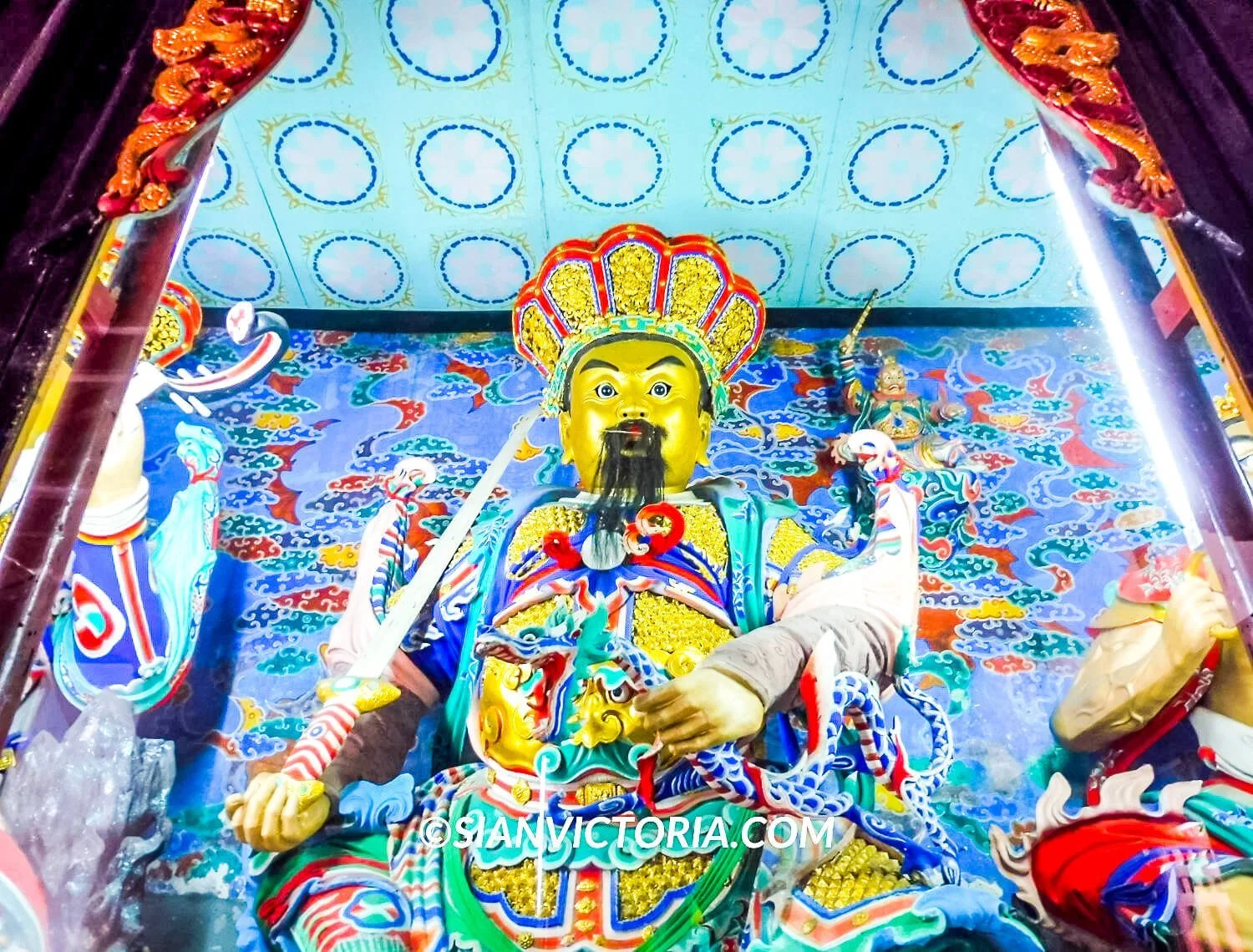
Adding to the charm of this sacred retreat is its teahouse, where traditional Chinese tea is served, capturing the essence of monastic life. Eye-catching statues dotting the grounds add to the already spiritual ambience, making Wenshu Monastery a must-visit for those seeking to experience the peace and depth of Buddhism.
With this top landmark being located close to the Fuhe river, you’ll also discover historical shopping streets in Chengdu nearby making it the perfect place to experience a cultural day trip in this fascinating district. It’s thanks to the rivers passing through this wonderful city that it was able to thrive all those years ago.

Sian Victoria © - Golden Lion statue, Wenshu Monastery, Buddhist Temple, Chengdu, China
2. Qingyang Palace
Qingyang Palace, also known as the 'Green Ram Temple', stands as a prominent symbol of Taoism in Chengdu. With its distinct bronze goat sculptures, the palace welcomes visitors to a composed sanctuary for spiritual contemplation.
Each hall and building within the palace exudes the detailed artistry of Taoist symbolism and historical architecture, offering a glimpse into the Taoist pursuit of harmony and enlightenment. The atmosphere is enriched by the fragrance of incense, luring visitors to pause and reflect.
Qingyang Palace is more than a religious site; it also plays a significant role in the cultural landscape of Chengdu. The palace hosts Chinese festivals and serves as a hub for Taoist learning, making it a must-visit for those interested in exploring the spiritual and cultural aspects of Taoism.

Sian Victoria © - Wenshu Monastery, Buddhist Temple, Chengdu, China
3. Baoguang Temple
Baoguang Temple, also known as 'Divine Light', is on the peaceful outskirts of Xindu and serves as a symbol of Buddhist culture and spirituality. One of its main attractions is the 'Five Hundred Arhats Hall', which features a stunning collection of uniquely crafted statues that effectively represent the teachings of Buddhism through the medium of art.
In addition to this, the temple boasts of a tranquil environment with ancient cypress trees dotting the grounds, which offer a peaceful and conducive setting for meditation and exploration. Visitors to Baoguang Temple can expect an enriching and immersive experience that tunnels into the depths of Buddhist philosophy and artistry.
The temple's magnificent architecture and sacred relics provide a profound insight into the rich spiritual heritage that has been carefully preserved through the ages, making it an essential stop for anyone seeking to board a spiritual journey.

Sian Victoria © - Wenshu Monastery, Buddhist Temple, Chengdu, China
4. Wuhou Shrin
The Wuhou Shrine, a place of great historical significance, stands as a tribute to the era of the Three Kingdoms and its honoured figures, including the renowned strategist and statesman, Zhuge Liang. It is more than just a memorial; it is a testament to the military and cultural strength of ancient China, seamlessly blending into the modern landscape of Chengdu.
Upon entering the Shrine, visitors are brought to a world where history and spirituality merge, with ancient artefacts and inscriptions offering glimpses into a bygone era. Surrounded by beautiful gardens and traditional architecture, the Shrine provides a peaceful space where the boundaries between the past and present fade away. It’s also one of the many beautiful outdoor spots to enjoy nature places in Chengdu.
It serves as a unique convergence of spiritual reverence and historical remembrance, inviting those who walk its paths to contemplate the enduring legacy of wisdom and virtue embodied by Zhuge Liang.
Sian Victoria © - Wenshu Monastery, Buddhist Temple, Chengdu, China
5. Daci Temple
Daci Temple stands out as a calm sanctuary within Chengdu's active blend of ancient and modern. Its roots trace back to the Jin Dynasty, filling the temple with a timeless quality that effortlessly holds its own amidst the city's contemporary buzz.
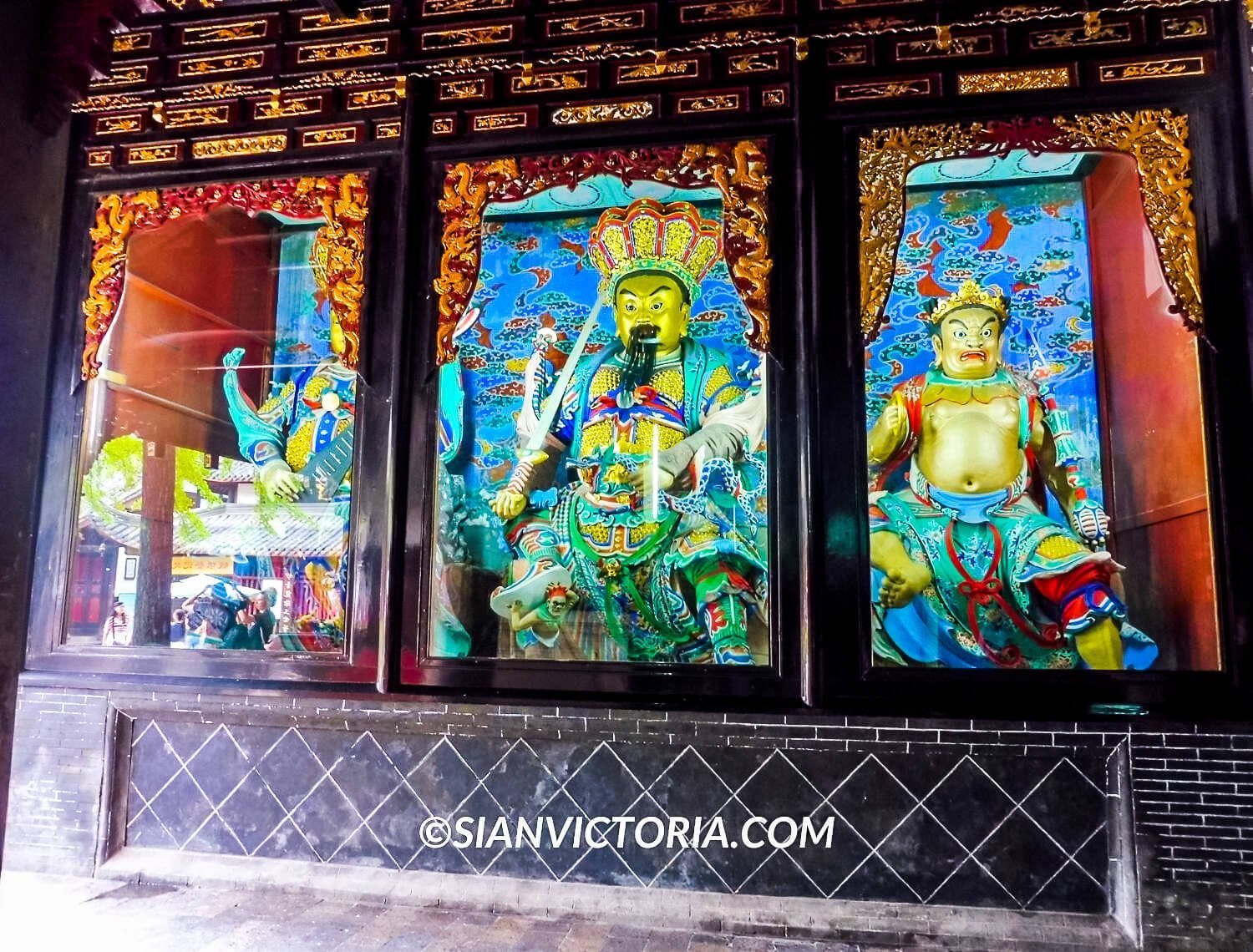
This unique destination unites historical landmarks like ancient pagodas and respected ginkgo trees with the vibrant energy of nearby shopping centres and cafes. For those seeking spiritual shelter, the temple's sacred halls and remarkable Buddhist sculptures offer a peaceful refuge.
Meanwhile, its location also signals the curious who are drawn to the fascinating contrast of historical sanctity and urban vibrancy. A visit to Daci Temple allows you to experience the standing legacy of Buddhism and the thriving pulse of a city that proudly embraces both its past and future.

Sian Victoria © - Wenshu Monastery, Buddhist Temple, Chengdu, China
6. Mount Qingcheng
Protected by lush foliage and misty atmospheres, Mount Qingcheng signals those seeking a break from the fast pace of life in Chengdu city. This sacred retreat boasts a rich collection of ancient temples and peaceful buildings, connected by winding paths that lead through dense forests whispering with life, including unusual spiders which I encountered on my way to the top of the mountain where Laojun Pavilion can be found, which is the tower at the peak of the holy site.
While the front mountain area is easily accessible and houses the bulk of the site's historical structures, the rear of the elevation provides a quieter and more contemplative route, allowing visitors to immerse themselves in nature's untarnished beauty.
As you hike to the highest point of the mountain you’ll also pass by waterfalls, and plenty of plant life and can take a cable car and a ride across the calm waters in a beautifully decorated boat. During my visit, there were also picturesque wildflower grounds surrounding the outskirts of the mountains.
Whether searching for spiritual serenity or a deeper connection with the natural world, Mount Qingcheng offers an opportunity to experience a harmonious blend of the heavenly and the natural, with something to offer both keen travellers and wandering souls in search of peace.
Sian Victoria © - Man doing handstand outside Wenshu Monastery, Buddhist Temple, Chengdu, China
7. The Grand Buddha of Leshan
Towering over all who visit the meeting of three rivers, the Grand Buddha of Leshan is an incredible monument that represents the Maitreya Buddha. The intricate precision of the carving into the sandstone at this rock face has made it the world's largest stone Buddha and a breathtaking sight not to be missed.
The unique location offers diverse viewing experiences, from an up-close walk down a winding path to riverboat rides that provide a striking perspective of this ancient wonder. This magnificent sculpture is surrounded by lush greenery peeping out from the cliffs.
More than just a visual masterpiece, the Grand Buddha which was completed in 803 AD has a significant place in Chinese Buddhist history. Its intricate craftsmanship and deep spirituality reflect the devotion and artistry of its creators, serving as a symbol of spiritual legacy that welcomes reflection on the profound messages of Buddhist art.

Sian Victoria © - Tortoise at Wenshu Monastery, Buddhist Temple, Chengdu, China
8. Zhaojue Temple
Zhaojue Temple stands out as a setting of Buddhist tranquillity and intellectual pursuit. Respected for its superb architecture and carefully maintained gardens, this temple serves as a flourishing hub for both monastic life and the distribution of Buddhist teachings.
The site boasts a distinct range of traditional structures, such as towering pagodas and a grand central hall, surrounded by calm ponds filled with blooming lotus flowers. Such an idyllic environment provides a perfect backdrop for meditation and spiritual contemplation.
However, the temple is more than just a place for reflection and enlightenment. It is also a significant contributor to global Buddhist dialogue, promoting cultural exchange and learning. Visitors to the Zhaojue Temple are invited to explore the sacred spaces, engage with the resident monkish community, and occupy themselves in an atmosphere dedicated to spiritual education and intercultural exchange.

Sian Victoria © - Bird at Wenshu Monastery, Buddhist Temple, Chengdu, China
9. Shijing Temple
Shijing Temple is surrounded by bamboo woods and soothing streams, it offers a perfect escape for those seeking solitude. The temple is dedicated primarily to Buddhism, and it blends spiritual devotion with the natural world effortlessly.
The architecture is a testament to traditional craftsmanship, featuring intricate wooden buildings and carvings that display peacefulness and harmony with the environment. Visitors looking for a break from the buzz of city life can find rest at Shijing Temple, as the air of calmness that spreads through the atmosphere makes it a haven for meditation and reflection.
The temple's tranquil environment enables guests to connect with nature and spirituality's calm aspects, making it a hidden gem worth exploring.

Sian Victoria © - Woman on bike outside Wenshu Monastery, Buddhist Temple, Chengdu, China
Things to Know When Visiting Religious Sites in China
When visiting historical and holy sites it is important to appreciate local customs and traditions while respecting those worshipping and any ancient discoveries displayed within these protected areas.
- Dress modestly and conservatively to show respect; avoid revealing clothing and shorts.
- It's customary to remove your shoes before entering certain sacred areas; look for signs or follow the lead of others.
- Photography may be restricted or forbidden in specific parts of the temples or monasteries. Always look for signage or ask permission before capturing images such as when photos of monks in worship.
- Speaking in a low voice and maintaining a quiet demeanour is expected to preserve the tranquillity of the spiritual sites.
- Many temples and monasteries have incense burning practices; purchase incense sticks as an offering if you wish to partake but observe how others do it respectfully.
- Donations are greatly appreciated but not mandatory. If you choose to donate, look for donation boxes typically placed near the entrance.
- Be mindful of the cultural significance of statues and artefacts; touching, leaning, or sitting on religious structures is generally considered disrespectful.
- Avoid eating or drinking within the main hall of worship as a sign of respect for the sacred space.
- If visiting during a religious festival or event, anticipate larger crowds and plan your visit accordingly to avoid congestion.
- Ensure you have sufficient cash for entrance fees, offerings, or transportation, as not all religious sites may accept digital payments.
- Be aware of your surroundings and follow any specific guidelines or instructions provided by temple staff or signage to ensure a respectful and enriching visit.
- In many places, it is considered disrespectful to have your back to a Buddha, so don’t take selfies or imitate poses that sculptures are making.

Sian Victoria © - Bullfrog at Wenshu Monastery, Buddhist Temple, Chengdu, China

Sian Victoria © - Wenshu Monastery, Buddhist Temple, Chengdu, China
Day in the Life: Visiting Wenshu Monastery in Chengdu
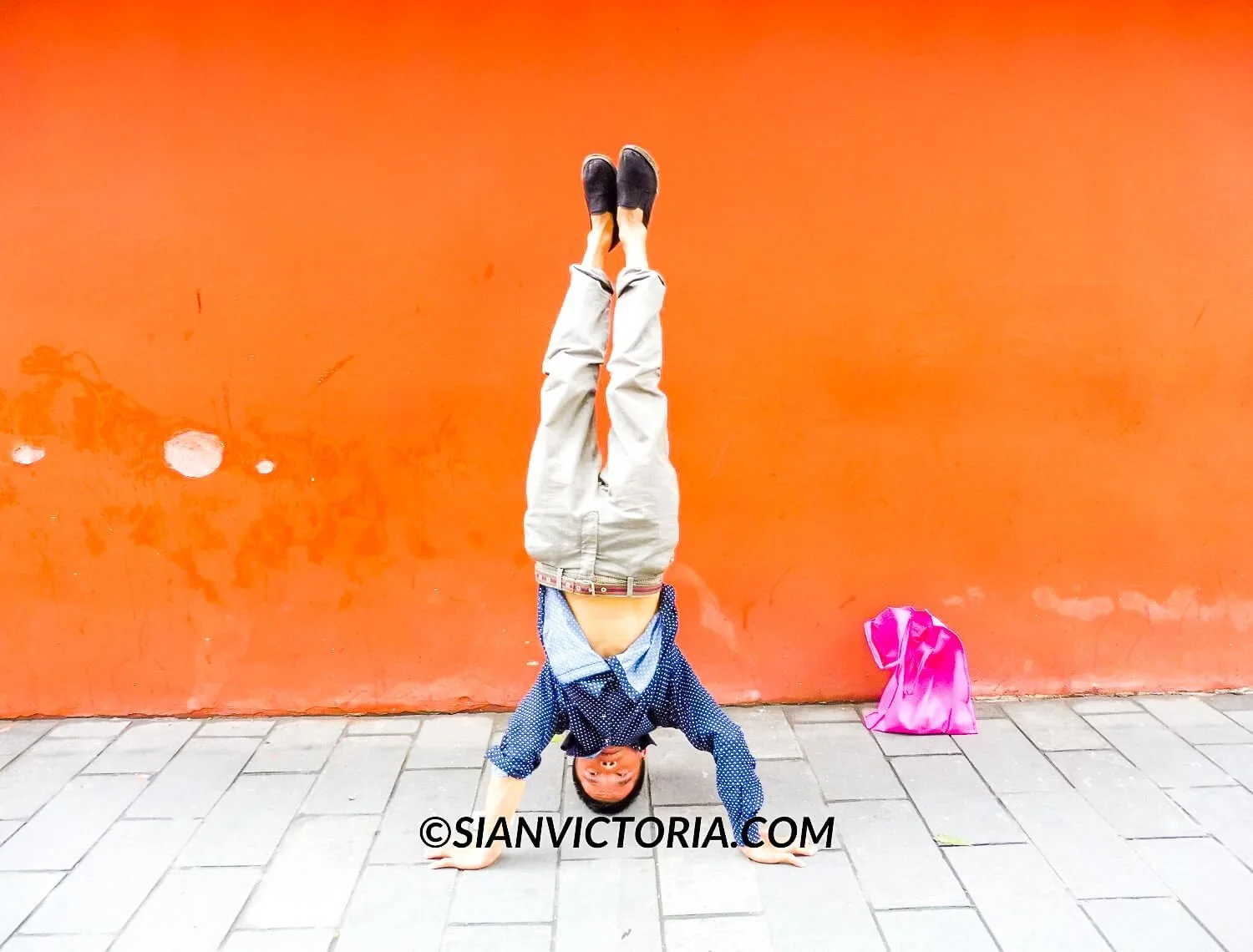
One of the most notable memories I have from my time in Chengdu is my visit to the Wenshu Monastery, a serene spiritual haven that stands out among the adventures I had in China. From my close encounters with pandas to trekking up Mount Qingcheng, the monastery was an unexpected trip that wasn’t originally included in the itinerary provided to us by the university. Even before stepping through its gates, I was greeted by a local performing a headstand, capturing my attention, and piquing my curiosity.
Once inside the monastery, I was struck by the deep calmness that surrounded the well-preserved structures. With my camera in hand, I documented the intricate beauty of the temple’s statues and the peaceful lives of its residents. We had a charming encounter with a Buddhist monk, not in prayer but in a lively game of table tennis, revealing the monastery's harmonious blend of worship and everyday joy.
Beyond the monastery's gates, the grounds were teeming with life, making it a wonderful safe shelter for wildlife. Capturing images of turtles basking in the sun, birds swooping between the trees, and cats lounging in the shadows, I was moved into a world where nature and spirituality intertwined effortlessly. The vibrant statues within the temple were nothing short of captivating, with intense details and vivid colours.

Sian Victoria © - Wenshu Monastery, Buddhist Temple, Chengdu, China
To conclude
The spiritual landscapes of Chengdu are a diverse journey through the core of China's cultural and religious heritage. With every temple, monastery, and sacred site, visitors experience a world where spirituality, history, and art come together to communicate stories of enlightenment and serenity.
The sanctuaries of the city, from ancient temple architecture to peaceful mountain retreats, provide exceptional insight into the profound philosophical ideas of Taoism and Buddhism. These places of worship also function as gateways to appreciate the great link between religion and humanity.
For anyone wanting to explore Chengdu's spiritual dimensions, these sacred places are not to be missed.


