11 Essential Tips for Travelling Whilst Studying Abroad
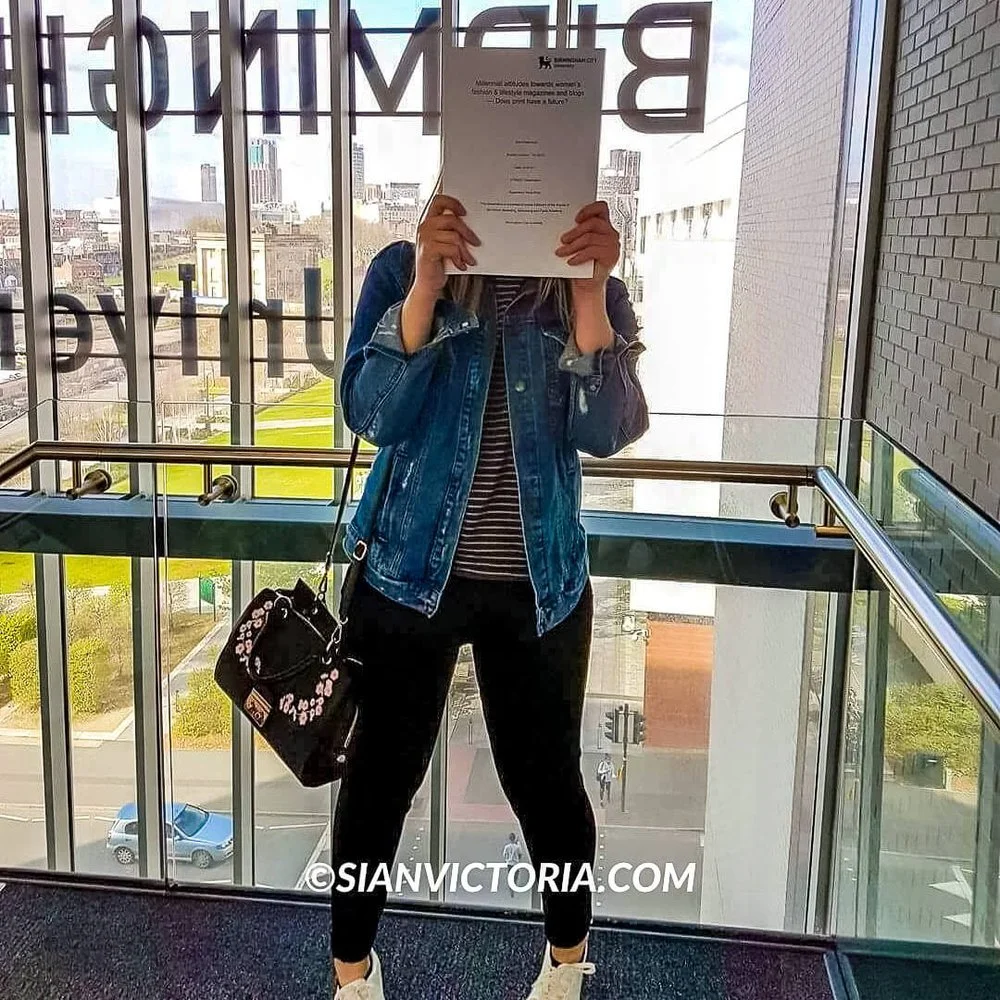
Sian Victoria © - Studying at Birmingham City University, Curzon Campus
Study Abroad Travel Guide: Things You Should Know
Studying abroad is not just a journey; it's a stimulating adventure waiting to be embarked upon. It's a chance to engage in another culture fully, pick up a new language, and acquire a global perspective.
As I know from my experience studying abroad in China, it's a life experience that comes with unique challenges, from managing finances to adjusting to a new environment. That’s why I’m here to guide you through these challenges with my ten essential travel tips while studying abroad.
Whether you're an experienced traveller or stepping into international adventures for the first time, these tips will help you make the most of your experience and create unforgettable memories to fully enjoy all the benefits of studying abroad and set you up for your future endeavours.
1. Research Your Destination Thoroughly
Before you go on your study abroad program, it's crucial to research your destination's culture. Educating yourself on local laws and customs is more than just a formality; it's vital to respectful and enjoyable interactions. What's expected in your home country might be offensive elsewhere, so conducting thorough research can prevent unintentional offences.
In addition, understanding the climate of your destination is more than just packing the right clothes. It's about preparing for seasonal activities and potential health concerns. Whether heading to a tropical paradise or a snowy city, this knowledge can guide your travel and living arrangements for a more comfortable and safe experience.
Remember to investigate the local food scene. Food is a significant part of any culture, and knowing what to expect can be exciting and comforting, especially if you have dietary restrictions. For example, as a vegan, I found eating while studying in Chengdu challenging. The rural area we stayed in that rarely had Western tourists had little choice for me, so rice and watermelon were what my diet had to rely on. So, prepare yourself if you have severe allergies or morals, as you may be restricted by what you can eat.
Lastly, familiarise yourself with the political climate and current events. Staying informed will ensure your safety and enrich your study abroad experience, allowing you to engage more meaningfully with the community around you.
Remember, the goal is to combine preparation with spontaneity, so you're well-informed but open to the surprises that your study abroad journey holds.
2. Manage Your Finances Wisely
Dealing with your finances while studying abroad can be complicated. However, with some savvy planning, you can ensure your bank balance remains healthy, allowing you to embrace your overseas adventure fully.
Start by creating a budget that reflects your actual needs, including essentials such as groceries, rent, and transport, as well as a little extra for spontaneous travel opportunities. Be smart about exchange rates and bank fees; sometimes, opening a local bank account or getting a student card with low international transaction fees can make a big difference.
Please don’t underestimate the power of student discounts; they can provide affordable experiences. Apps and websites like UNiDAYS or ISIC offer access to various discounts on travel, entertainment, and dining. Additionally, learn about local shopping and dining practices. Markets and local eateries often provide the same delights at a fraction of restaurant prices.
Lastly, keep a close eye on your spending but allow yourself the flexibility to enjoy unique experiences that come with living abroad. Whether sipping a coffee in a quaint café in Paris or taking a gondola ride in Venice, these moments truly make your study abroad experience unforgettable.

Sian Victoria © - International Exchange Camp ceremony, Sichuan University
3. Secure Accommodation Early
Securing a place to live while studying abroad is like establishing a piece of your comfort zone in an unfamiliar land. It's best to start your search in advance to have the most comprehensive options available. You can choose from university halls of residence, which offer a lively community atmosphere, or private flats for more independence.
Consider the location carefully, as being close to your university can save you time and money on transportation. Use websites and student forums to gather information and read reviews. Be sure to review any lease or agreement carefully to avoid issues later.
Connecting with future classmates may also provide opportunities for shared accommodation, reducing financial burdens and forming friendships before you even arrive. Remember, the place you choose to live will be your sanctuary, study space, and social hub, so choose wisely to support all aspects of your study abroad experience.
4. Understand Local Transportation
Exploring the local transportation system in your new city is like completing the first level of genuinely becoming a local. It's not just about getting from point A to point B; it's about immersing yourself in the city's rhythm. Start by getting to know all the available options – buses, trains, subways, and even bicycles or scooters for a more scenic route. Every form of transportation has benefits and drawbacks.
Download a transport app or obtain a map, which often provides timetables, routes, and sometimes real-time updates. It's not just about convenience but also about managing your budget, as public transport is typically less expensive than ride-sharing or taxi services. Check out transport cards or passes, which can offer unlimited travel for a certain period, making it easier to explore without worrying about transport costs adding up.
One piece of advice: don't hesitate to ask locals for guidance. Whether looking for the fastest way to reach a destination or understanding public transport etiquette, the insights you gain can significantly enhance your experience. Besides, it's a great way to start a conversation.
Embrace the adventure of figuring out bus timetables or navigating subway lines. It's all part of the study abroad experience, integrating you more deeply into the city you've chosen to call your temporary home.

Sian Victoria © - Birmingham City University, Curzon Campus
5. Stay Safe and Healthy
It's essential to prioritise your well-being while studying abroad. This means more than just avoiding sickness; It's about establishing a safety net so you may travel abroad and enjoy yourself worry-free.
Start by familiarising yourself with the local healthcare system. Find the closest clinic or hospital and know how to seek medical help if needed. Also, consider learning basic healthcare phrases in the local language to overcome language barriers.
Obtaining health insurance is crucial when studying abroad. Ensure that your coverage lasts the whole time you are there. Many universities offer specific policies for international students, so check what's available and what it covers. Remember, it's better to have insurance and not need it than to need it and not have it.
Staying healthy involves more than just avoiding illness; it's about maintaining a balance. Despite the thrill of studying abroad, ensure you exercise, eat a nutritious diet and get plenty of sleep.
Towards the end of my study abroad experience, I began to not enjoy the trip due to a lack of sufficient diet, not getting enough rest due to demanding schedules, and insomnia, so it is important to ensure that these don’t become an issue for you.
Although it may be tempting to overextend yourself, your health forms the foundation of your experience of studying abroad. Pay attention to your body, and recognise the importance of a well-rested mind and a nourished body in dealing with the challenges and joys of learning in a foreign country.
6. Learn the Local Language
Getting to grips with the local language is not just about mastering the art of ordering coffee without a hitch; it's about genuinely adopting the language of your new home. While grappling with unfamiliar sounds and syntax might initially seem intimidating, the payoff is excellent.
Start with the basics- greetings, directions, and common phrases. These linguistic building blocks will facilitate daily interactions and deepen your connection with the community. Don't be shy to practice out loud; locals appreciate the effort, even if your pronunciation isn't spot-on.
Leverage language learning apps or enrol in a course if you want a structured approach. However, immersion is essential. Try keeping a diary in the local language or joining language exchange meetups, which are fantastic for practising and making new friends in the same boat.
Remember, every misstep is a learning opportunity. With each conversation, you're enhancing your linguistic skills and weaving yourself more intricately into the cultural fabric of your host country. So, embrace the challenge, and soon, you'll find yourself speaking and thinking in a new language.

Sian Victoria © - International Exchange Camp ceremony, Sichuan University
7. Leverage Technology for Better Communication
While settling into your new study abroad environment, staying connected with your home base and new friends is essential. Thanks to the digital age, communication has become easier and more accessible.
Explore the various apps and platforms designed to bridge the gap between different time zones and languages. Instant messaging apps like Messenger and WhatsApp are essential for staying in touch, while platforms like Skype and Zoom allow for face-to-face conversations no matter the distance. Social networking sites like Instagram are great for sharing real-time moments and helping your friends and family back home feel connected to your experiences.
Additionally, translation apps can help smooth out language barriers, making signs and menus more straightforward to understand with just a quick snapshot. Offline maps and translation tools can also be handy when getting around your new city, ensuring you never feel lost.
Adopting these essential digital tools keeps your communication lines active and enriches your study abroad experience, turning every shared sunset and café discovery into a memorable story.
8. Embrace the Local Culture
Submersing yourself in the local culture can turn your study abroad experience from good to unforgettable. To do this, visit regional events, festivals, and traditions your new home offers. Every dance, meal, and conversation is an opportunity to deepen your understanding and appreciation of the world around you.
Attend local markets where the colours, smells, and sounds come alive, telling stories of centuries-old traditions. Participate in festivals, no matter how unfamiliar they may seem; these are the moments when communities come together, offering a unique window into the culture.
Don’t just be a bystander—engage! Join clubs or societies related to your interests but with a local twist. Whether photography, hiking, or cooking, sharing your passions with locals and other international students is a beautiful way to build bridges and create lasting memories.
Cultural exchange is a two-way street. Share aspects of your own culture with new friends and hosts. Organising an international evening where everyone brings something from their home country can spark fascinating conversations and mutual respect. Remember, embracing local culture is about more than just ticking boxes on a travel guide; it’s about opening your heart and mind to new ways of seeing and living in the world.

Sian Victoria © - Studying at home
9. Manage Your Study Schedule Effectively
Balancing your study time with the excitement of exploring a new country can feel overwhelming. Creating a study schedule that adapts to your adventures abroad is essential for meeting critical deadlines. Start by marking your semester's major deadlines and exams on a calendar. Visualising your academic commitments can help you identify free time slots that can be set aside for travel and cultural experiences.
Treat your study sessions as necessary appointments with yourself. Finding comfortable, quiet places where you can concentrate, such as a cosy local café or a corner of the university library, can make study time something to look forward to.
Don't forget to incorporate digital tools into your planning. Apps like Google Calendar or Trello can be beneficial for keeping track of assignments and coordinating group projects across different time zones. They can also serve as valuable reminders for when it's time to transition from scholar to explorer mode.
Lastly, staying open to impromptu changes is crucial. Sometimes, an unexpected travel opportunity or cultural event might require adjusting your plans. Embrace these moments with flexibility, knowing that each experience enriches not only your travels but also your academic journey.
10. Network and Make New Friends
Making new friends and building a network while studying abroad can seem scary, but it's an integral part of the experience that offers excellent rewards. Take advantage of every chance to meet people, whether they are locals or other international students. University clubs, social groups, and sports teams are great places to find individuals who share your interests. Participating in these activities expands your social circle and helps you dip yourself into the local culture.
Don't hesitate to start conversations; a simple greeting or asking for local recommendations can lead to new friendships. Use social media platforms and apps designed for travellers and ex-pats to connect with people in your area. These digital tools are perfect for organising meetups or joining events where you can meet like-minded individuals.
Remember, everyone is in the same situation, trying to make connections and navigate this new chapter of their lives. Be open, be yourself, and show genuine interest in the stories of those you meet. Friendships formed while studying abroad often become lifelong bonds, adding incredible depth to your experience and expanding your global network.
11. Keep an Open Mind and Be Adaptable
Going on a journey to study abroad is much like stepping into a mixture of cultures. Each turn reveals unexpected patterns and colours. Keeping an open mind and being adaptable are your trusty compasses, guiding you through this vibrant maze.
Embrace the unexpected; sometimes, the best plans are the ones you don’t make. That impromptu invitation to a local family dinner or a last-minute road trip with new friends? They could turn into the most cherished memories of your adventure. Challenges, too, are part of the journey.
Getting through misunderstandings or adapting to a different academic style can be daunting. Yet, it's in these moments that growth sprouts. Approach them with curiosity rather than frustration, as every obstacle conquered brings you closer to understanding a new way of life.
Adapting doesn’t mean losing yourself, but expanding your perspectives and learning that difference isn’t synonymous with wrong, just wonderfully diverse. So, as you pack your bags and set your sights on new shores, tuck away a hefty dose of openness and adaptability. They are the keys to opening the enriching experience of studying abroad, painting your adventure with broader strokes of understanding and acceptance.
To conclude
As I conclude my guide on essential tips for travelling while studying abroad, remember that this journey is about discovering the world around you and understanding yourself. Embracing the opportunities and challenges that come your way will enrich your educational experience and personal growth.
Whether navigating the complexities of a new culture, managing your finances, or forging lasting friendships, every action is a foundation for becoming a more adaptable, confident, and global citizen.
So, go forth enthusiastically, equipped with these tips, and make your study abroad adventure that you'll look back on with fondness and pride. The memories and skills you acquire will last a lifetime, shaping your academic path and your approach to life's countless adventures ahead.
*SHOP THE POST
Improve your study abroad experience with essential gear! A universal adaptor ensures your phone remains charged no matter where you are, and a portable water purifier guarantees you stay hydrated wherever your travels take you. A lightweight camera with a zoom lens is ideal for preserving those unforgettable moments. At the same time, a sturdy backpack allows you to carry all your necessities comfortably. Additionally, a pocket translator will significantly aid in exploring new areas and engaging with locals.