10 Steps to Prepare Your Home for Your New Dog

Sian Victoria © - Home with a blue merle border collie dog on sofa
Pet Guide: How to Get Your Home Ready to Look After New Dog
Bringing a new dog into your life is exciting. You’re not just getting a pet; you’re welcoming a new family member. If you’re ready to start this journey, a little preparation can go a long way in helping your furry friend feel at home from the get-go.
Creating a safe and inviting space for your dog is a great first step. Think about the specific needs of your dog’s breed and set up a cosy area just for them. This isn't just about picking out toys or a fluffy bed; it's about building a space that gives your dog a sense of security and calm during their adjustment period.
Getting into a routine can really help your new pup thrive in their new environment. Make sure to keep potentially harmful items out of reach and ensure everyone in the household is on the same page regarding care and training. Putting in the time for socialisation and training early on will set the stage for a well-behaved and happy companion.
In the end, your goal is to create an environment where your dog feels entirely at home and can bond with you and your family. In this guide, I’ll be sharing a few straightforward steps so you can prepare your home for a smooth transition, leading to a loving and joyful relationship with your new four-legged friend.
1. Investigate the Breed
Choosing the right dog can be tricky, and it's important to recognise that each breed has its own distinct traits and requirements. These specifics can assist you in developing a welcoming home for your new furry friend. For example, if you're considering getting a Border Collie like I have, be prepared for a lively pup that needs lots of exercise and mental challenges. On the flip side, a French Bulldog is often more relaxed and doesn't need as much physical activity, but it's not everyone's cup of tea. Alternatively, Chihuahuas, Poodles and Maltese are low maintenance too.
You should also think about health concerns specific to certain breeds. Larger dogs, like Great Danes, can face issues such as hip dysplasia, while flat-faced breeds, such as Pugs, may have breathing problems. Grooming a dog is another area where breeds differ significantly. If you’re leaning toward a long-haired dog, plan for regular brushing and a few visits to the groomer. Short-haired breeds typically need less upkeep.
Another aspect to consider is how your chosen breed will blend in with your family, particularly if you already have pets. Some dogs are naturally friendly and do well in homes with multiple animals, while others may be more suited to being the only pet. When thinking through these factors ahead of time, you’ll be in a great position to make a thoughtful choice that leads to a happy life for both you and your new canine companion.

Sian Victoria © - A blue merle border collie puppy in garden
2. Set Up a Safe Area
Establishing a friendly space for our animal companions makes a world of difference in their happiness and comfort. One of the best things you can do is set up a cosy spot for your dog. I recommend picking a quiet corner of your home where they can relax away from the daily chaos. This space should feel secure and free from any sharp objects or items that could pose a choking hazard.
A comfy bed is a must-have for your pup to curl up in. Adding a few of their favourite toys can keep them entertained while they settle into their unique area. If you have the room, consider including a crate or a playpen. Many dogs find that den-like setting comforting, providing them with a place to hide that is safe and secure.
Avoid placing their area in high-traffic zones like hallways or near the front door, where a lot of noise and movement might make them feel uneasy. A peaceful corner in the living room or a quiet nook in your bedroom can become the perfect retreat. If your floors are slippery, adding a non-slip mat or rug can help prevent any accidental tumbles, making it safer for them.
It’s also a good idea to keep a bowl of fresh water close by. Just ensure it’s stable enough that it won’t tip over or move easily. If you have other pets, keeping this space exclusive to your dog allows them to adjust without feeling stressed or crowded. The aim is to create a little sanctuary where your dog can relax, get some solid sleep, and truly feel at home in a space that belongs to them.
3. Make Your Home Pet-Proof
Creating a dog-friendly home is all about keeping your furry friend safe and happy while they explore their new surroundings. One of the first things to tackle is those tempting electrical cords. Dogs can’t resist chewing on them, so it's a smart move to cover them up or tuck them behind furniture. This simple step can help keep your pup out of trouble.
Take a quick scan of your space for any plants that might be harmful if your dog decides to snack on them. If you spot any potential hazards, either move them to a higher spot or swap them out for pet-safe plants. And don’t forget about small items like buttons, coins, or little toys — these can easily get swallowed, so keep them stored away where curious noses can’t reach.
Securing cabinets and drawers that hold cleaning supplies, medications, or anything else potentially dangerous in the house is another good idea. Installing a sturdy lock can keep those curious pups from getting into trouble. Also, make sure your trash cans have tight-fitting lids or are kept in a cupboard. Dogs love to rummage, and you want to avoid them digging through any harmful waste.
Checking your fences for gaps and ensuring your windows are securely closed can help prevent any escape attempts. If you have window screens, it’s worth reinforcing them, especially if you have a dog that likes to investigate. Your garden should be a safe space, too — remove any toxic plants, put sharp tools out of reach, and consider how easy it may be to dig underneath a fence, especially if your yard is close to a busy road.
Using baby gates can help establish boundaries in your home, particularly in places where you can't always supervise your dog. It’s also wise to rearrange furniture to reduce climbing risks that might lead to accidents. For example, some types of blinds might be easy for your dog to get stuck in. With these straightforward tips, you’ll create a welcoming and safe setting for your new dog buddy. This way, you can both relax and enjoy your time together without worrying about potential hazards.

Sian Victoria © - Home with a blue merle border collie dog on bed
4. Acquire Necessary Supplies
Getting ready for a new furry friend is an exciting adventure! Having everything set up ahead of time can help make the adjustment smoother for both of you. Let’s go over some key items you’ll want to have on hand for your new dog.
First off, comfort is key. A cosy dog bed will give your new pup the perfect spot to kick back and catch some Zs. Don’t forget sturdy food and water bowls to keep mealtime organised. A collar with an ID tag is necessary for safety, along with a reliable leash for those enjoyable walks you’ll both look forward to.
When it comes to dog food, it’s best to choose high-quality options that match your dog’s breed, size, and any specific dietary needs. Whether you’re dealing with a tiny terrier or a large retriever, there’s a perfect diet for your dog to stay nourished. Grooming supplies are also part of the package. Make sure you have a brush suited for their coat type, some nail clippers, and a good dog shampoo to keep them looking sharp.
Let’s not forget playtime! Stocking up on a variety of toys will keep your pup entertained and help them burn off energy. Chew toys, interactive puzzles, and fetch toys are great choices to keep boredom at bay and engage their playful spirit. These kinds of interactive dog toys that offer mental stimulation are essential for intelligent dogs like border collies, as this can help to improve your dog's mental health.
Training your new companion will be a lot easier with some planning. Puppy pads or a designated spot in your yard for bathroom breaks can save you some headaches, especially during those early days. Having cleaning supplies like stain removers and odour neutralisers nearby is also a smart idea for those little accidents that might happen along the way.
Lastly, consider getting a crate or travel carrier. It’s a perfect accessory for road trips and also serves as a comfy little hideaway for your dog at home.
When having these basics sorted out before your new friend arrives, you’re setting the stage for a smoother transition and helping to build a strong bond with your new canine family member.
5. Develop a Routine
Creating a routine for your dog can really make a difference, giving them the comfort of knowing what to expect each day. If a new furry buddy has just entered your life, establishing regular times for meals, walks, and play can help them feel more at home. A solid routine not only helps your dog adjust but also encourages good behaviour.
Start with set meal times. This consistency isn’t just about keeping your kitchen tidy; it helps with digestion and metabolism, too. Walking is more than just a chance to stretch their legs; it also helps to create a reliable bathroom schedule. And don’t forget about playtime! It keeps their minds sharp and caters to their natural need for activity. If you have a puppy, be sure to include nap times because those little ones need plenty of rest to grow.
It’s also helpful to stick to a consistent bedtime and morning routine. This way, your dog learns when it’s time to wind down and when it’s playtime. If you’re swamped with work during the day, think about using a pet sitter or dog walker to help maintain that routine when you’re not around.
While having a routine is important, it’s okay to have some flexibility. Life can throw curveballs, and you’ll want to adjust your dog's schedule if things change for you or them. Finding that sweet spot between a structured routine and a little wiggle room is key to keeping your dog happy and healthy.
6. Get Ready for Training
Bringing a new dog into your home is such an exciting experience, but it also comes with its own set of challenges. The secret to assisting your new pet is training to help them feel comfortable and build a strong bond between the two of you. When starting out, it's a good idea to focus on a few basic commands like sit, stay, and come. Consistency is really important, so ensure that all members of your home are using the same rewards and commands. This helps prevent any confusion for your pup.
Using positive reinforcement is one of the best methods for training your dog. Offering treats and plenty of praise can make a big difference in encouraging the behaviour you want to see. When your dog fulfils a command, give them a treat immediately so they can connect the dots on what they did right. Keep your training sessions short—about five to ten minutes works best—since dogs, especially puppies, often have short attention spans, like most of us humans nowadays. Try to fit in several of these mini-sessions throughout the day to keep your pup engaged without overwhelming them.
If you’re looking for some additional support, signing up for a basic obedience class might be a great option. These classes not only provide professional guidance but also give your dog a chance to socialise in a controlled setting, which can be really beneficial.
You might also want to consider training tools like clickers. They’re helpful for pinpointing the exact moment your dog nails a command. You can even incorporate training into your daily routine—whether it’s on walks or during playtime. This makes learning feel more natural and fun for your pup.
Above all, a little patience and consistency go a long way. Keep a positive mindset, and enjoy the rewarding journey of bonding with your new four-legged companion. Your efforts will definitely pay off as you both learn and grow together!
7. Schedule Vet Appointments
When bringing a new dog into your home, one of the first things on your to-do list should be setting up your first vet appointment. This visit is key to getting a good understanding of your dog's health and spotting any potential issues early on. During this appointment, the vet will do a full check-up to look for any signs of illness or underlying health problems. If you have any medical records or vaccination documents from their previous home, definitely bring those along—they can be super helpful.
While you're there, it’s a great idea to talk about a vaccination schedule. This will help protect your pup from common health risks. Your vet will also likely suggest preventive treatments for fleas, ticks, and worms, which are important for keeping your dog in good shape. Plus, this visit is a perfect chance to discuss things like your dog’s diet, exercise habits, and any specific breed concerns that may come up.
If you’ve adopted your dog from a shelter, you might also want to think about additional tests like blood work or dental check-ups. And don’t forget to inquire about microchipping. It’s a small step but can really make a difference if your dog ever gets lost, it's also mandatory in some countries.
Regular vet visits play a big role in maintaining your dog's health down the line. Setting up a routine for these check-ups can guarantee the happiness and health of your pet, catching any issues before they become bigger problems. Building a good relationship with your vet will not only boost your confidence in taking care of your dog but also provide you with useful support throughout your dog's life. So, take that first step and get your new pup well on its way to health and happiness!
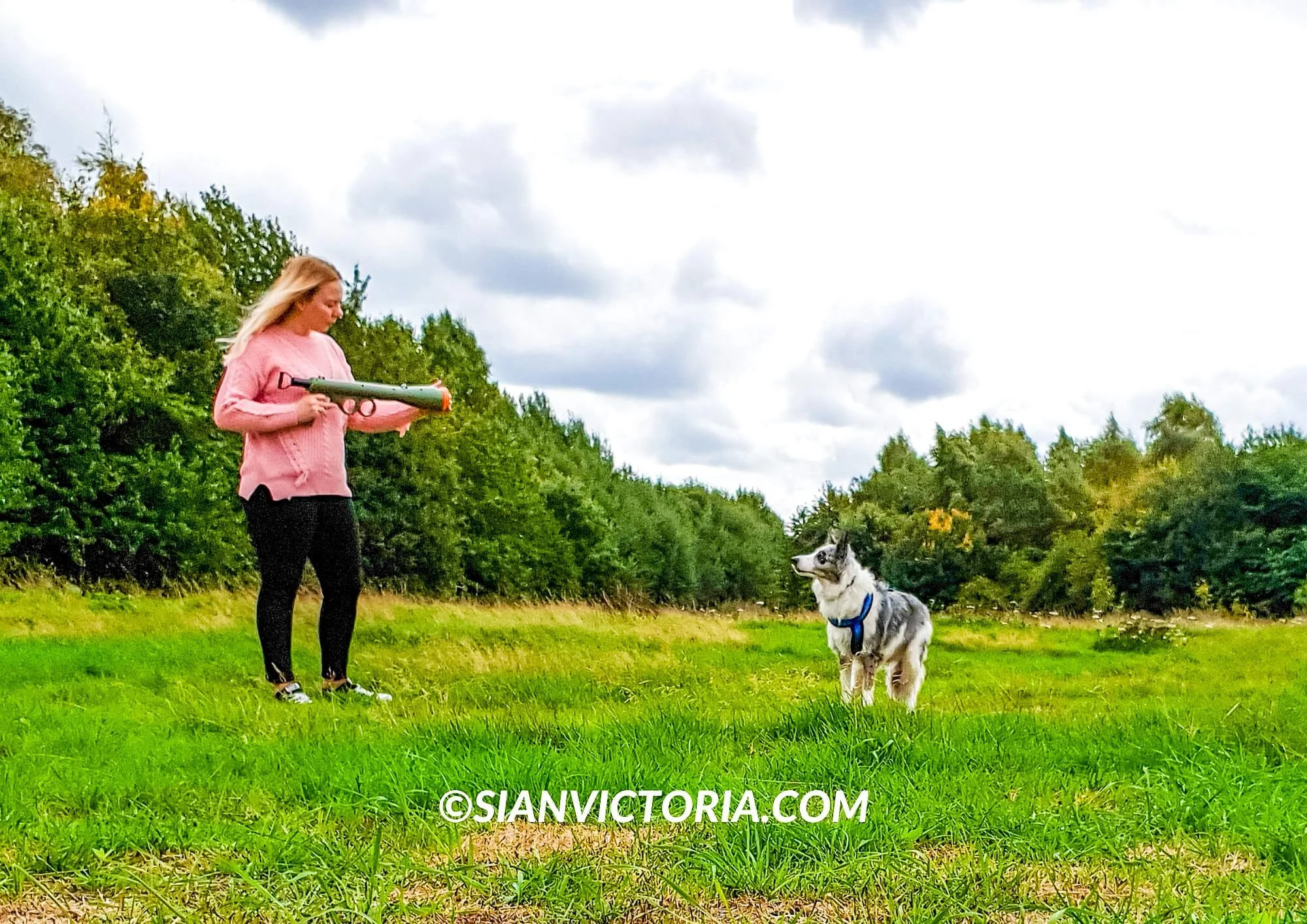
Sian Victoria © - Walking with a blue merle border collie dog in field
8. Introduce to the Household
Welcoming a new dog into your home is easy, and with a little preparation, you two can make the changeover easy and enjoyable. One of the first things to do is let your new furry friend explore their new surroundings in their own time. Allow them to sniff around and get used to the unique smells and sounds of your home. When introducing them to family members, keep the mood light and relaxed. It’s best to avoid quick movements or loud noises that might scare them.
If you have other pets, take your time with the introductions. Start with short, supervised meet-and-greets and watch how they interact. Picking a neutral location, like your backyard or a quiet room, can help ease any territorial instincts. It’s a good idea to reward both your new dog and your existing pets for positive interactions. This encourages them to bond and creates a friendly atmosphere.
Setting clear boundaries right from the start is a good move. Make sure everyone in your household is on the same page with commands and routines. This consistency helps your new pup understand what’s expected, which makes the whole adjustment period smoother.
Positive reinforcement is a fantastic technique. A few treats here and there, along with some praise, can help your dog link their new home to good feelings. It's also beneficial to create a specific safe space for them—a cosy corner where they can relax and unwind. This little sanctuary can help ease their transition into your home and make them feel more at ease.
Overall, welcoming a dog is about patience and creating a loving environment. With a bit of time and effort, you'll find your new furry friend fitting in like they’ve always belonged!
9. Socialise Your Canine
Welcoming a dog into your life is such an exciting chapter. One of the first things you’ll want to focus on is helping your new furry friend socialise. It’s all about introducing them to the world in a way that makes them feel safe and happy.
Getting your dog used to different people, places, and other dogs is key. Think of these outings as mini-adventures. You might take a stroll through various neighbourhoods, explore dog-friendly parks, or have friends come over to say hello. Each interaction is an opportunity for your dog to learn and grow.
Don’t forget the power of treats and praise! They can make a huge difference in encouraging good behaviour and building your dog’s confidence. If you want to take it a step further, consider signing up for puppy classes or obedience training. These settings provide a great environment for your pup to meet other dogs while being guided by professionals who know what they’re doing.
As you explore these new experiences, especially during those crucial early months, you'll likely notice fewer anxious or fearful behaviours. A well-socialised dog adapts better in various situations, making outings more enjoyable for both of you. Just remember to watch how your dog reacts and be mindful of their comfort level—rushing the process can lead to stress.
When creating positive experiences, you're setting the stage for a friendly, well-rounded canine companion. It takes patience, but the joy of seeing your dog thrive is truly rewarding. So, take your time and enjoy the experience!

Sian Victoria © - Smiling blue merle border collie dog on Cornwall beach
10. Prepare for the Transition Period
As a dog mum to a smart, loving, and adorable blue merle border collie, I find there’s nothing quite like the joy of having a furry companion by your side. However, let’s be real—it can also come with its fair share of challenges as your new pup adjusts to its new environment. My dog, Blue, was a nightmare at first, leading me to regret the decision quickly. However, after 6 months, he became a well-behaved housemate, and after 12 years, I couldn't imagine life without him. Be sure to watch the video of him growing up over the years!
If you notice some signs of stress or anxiety. Maybe they’re barking more than usual, chewing on things they shouldn’t, or even having a few accidents inside. Just remember, this is all pretty normal, and with a little patience, most of these behaviours are temporary.
One of the best things you can do is create a calm and inviting space for your dog. Keeping the noise levels down and avoiding sudden changes in their surroundings can make a big difference. Be sure to provide them with lots of love and encouragement when they stay calm or exhibit good behaviour. Building a regular daily routine not only helps your pup feel secure but also lays the groundwork for a strong bond.
Let your dog explore their new home at their own pace. You can gradually introduce them to different rooms, keeping an eye on how they respond. If they seem a bit uncertain, a gentle touch or a soft word of reassurance can go a long way. Setting up a specific area for them to retreat to when they’re feeling overwhelmed can really help them find their own space.
Don’t forget to engage your dog with some gentle play and make sure they get regular exercise. This is essential for them to release pent-up energy and ease any stress they might be feeling. Activities that stimulate their minds—think interactive toys or puzzle feeders—are great distractions and keep them occupied.
When you’re interacting with your new dog, try to use a calm and soothing voice. Building trust and forming a bond takes some time, but with a little patience, you’ll get there. Remember, every dog is different, so their adjustment period can vary. Be open to their unique needs as they settle in; it’s all part of the journey of becoming great companions.
In the end, welcoming a dog into your life can be one of the most rewarding experiences. So, enjoy the process, and soon enough, you’ll find your rhythm together!
To conclude
Overall, bringing a new dog home is an exciting experience, and a bit of planning makes all the difference. Start by researching the breed you have in mind to understand their unique traits and needs. Creating a safe space for your pup is key—set up a cosy corner and check your home for any potential hazards.
Gather the essentials like nutritious food, engaging toys, a comfortable bed, and grooming supplies. Establishing a routine will help your new companion settle in, and regular vet visits are important for their health.
When introducing your dog to the family, keep it relaxed. Let them adjust at their own pace, whether they’re meeting new people or pets. A little patience goes a long way, allowing your dog to explore their new surroundings comfortably.
With some time, love, and guidance, you’ll form a deep bond with your new friend, turning your house into a happy home filled with joy.


