How to Find Your Foundation Shade & Coverage for Skin Type
*Product bought by me
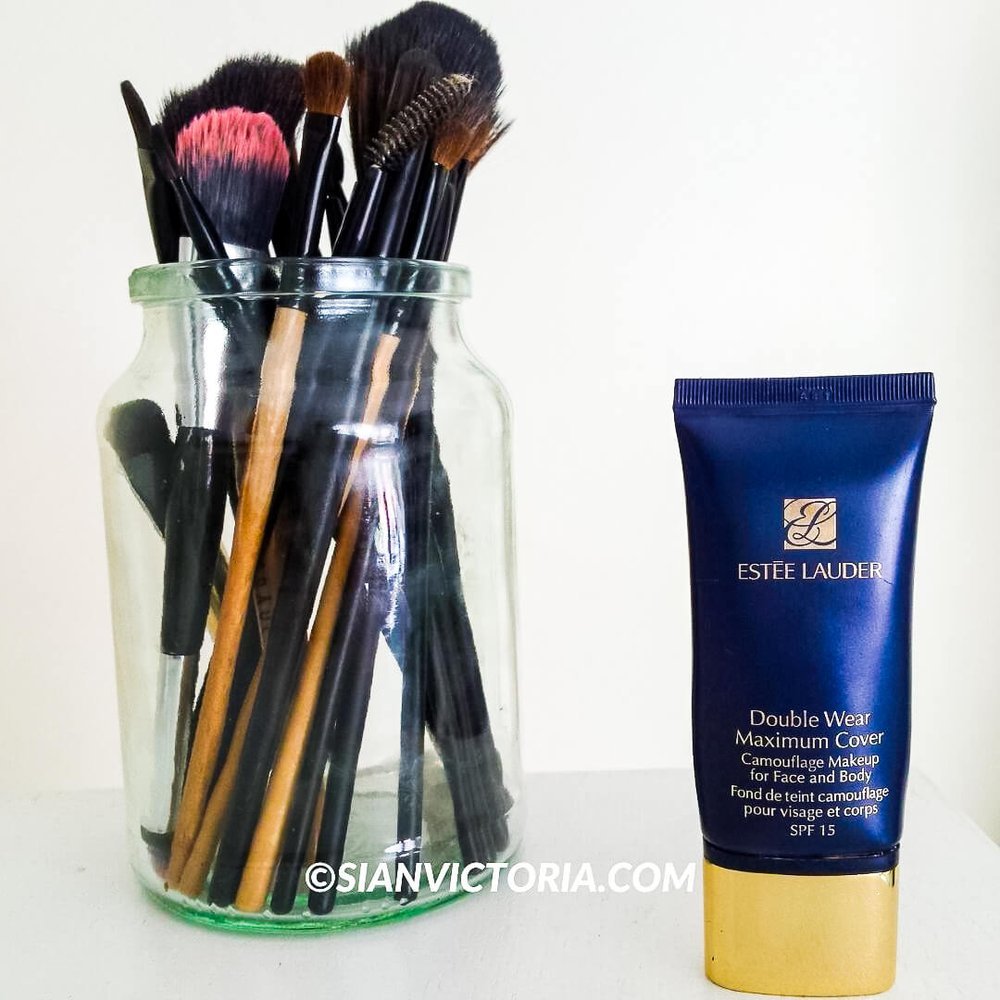
Sian Victoria © - Estee Lauder Double Wear Maximum Cover Foundation
Foundations Guide: Coverage Types, Undertones & Application
Are you tired of trying out countless foundation shades and coverage options, only to end up with a mismatched and cakey finish? Look no further, because we've got you covered! Choosing the right foundation shade and coverage for your skin type is crucial for achieving a flawless and natural-looking finish.
In this guide, we will walk you through the process of finding the perfect foundation for your skin, whether you have light, medium, or full coverage needs. Say goodbye to foundation woes and hello to a flawless complexion with our tips and recommendations.
What is the Difference Between Light, Medium, and Full Coverage Foundation
Achieving a flawless finish with foundation depends on selecting the right level of coverage. However, with the numerous options available, determining the ideal coverage for your skin type can be overwhelming. Therefore, it is necessary to evaluate your needs and desired outcome before delving into the world of foundation shades and coverage options.
- Light coverage foundation: Light coverage foundation suits those with already clear and even skin who seek a subtle, natural-looking boost. It provides a healthy, dewy glow by evening out minor imperfections and blurring the appearance of pores.
- Medium coverage foundation: Medium coverage foundation, on the other hand, offers more coverage whilst allowing the skin to breathe. It evens out skin tone, covers up redness or blemishes, and gives a more polished look without feeling heavy on the skin.
- Full coverage foundation: When covering more significant imperfections like acne, scars, or hyperpigmentation, full coverage foundation is the ideal option. It provides a completely opaque finish and is suitable for special occasions or when you want a flawless complexion that lasts all day.
Remember, your preference and skin condition determine the coverage you choose.
How Do You Know Your Skin Undertone?
Determining your skin undertone is vital to achieving the perfect foundation match. Your undertone is the underlying hue that shines through your skin, irrespective of its surface tone, and can be categorised as warm, cool, or neutral. Here are some methods for discovering your skin undertone and choosing the ideal foundation shade:
1. Analyse your veins: Look at the veins on your wrist. Blue or purple veins typically indicate cool undertones, while greenish veins suggest warm undertones. If you're unable to distinguish the colour, you likely have neutral undertones.
2. Observe your skin's reaction to sunlight: Cool undertones are susceptible to sunburn and may have difficulty tanning. Warm undertones, on the other hand, can easily tan and rarely burn. Neutral undertones may experience a sunburn initially but can tan afterwards.
3. Evaluate your jewellery choices: Those with cool undertones usually gravitate towards silver jewellery, while warm-toned individuals prefer gold. If you can wear both metals without one overpowering your skin, you may have a neutral undertone.
4. Consider your eye and hair colour: Cool undertones often have blue, grey, or green eyes with blonde, brown, or black hair. Warm undertones typically have brown, amber, or hazel eyes with red, strawberry blonde, or brown hair. Neutral undertones can have any eye and hair colour combination.
5. Utilise a white garment: Hold a white shirt or fabric close to your face. Cool undertones will enhance your complexion, making it appear slightly pinkish, while warm undertones will create a slightly yellow or peachy hue. Neutral undertones won't have a noticeable impact on the white material.
By determining your skin undertone, you can select a foundation shade that enhances your natural colouring, resulting in a seamless and flawless finish. It's essential to keep in mind that these are simply guidelines, and the final choice should ultimately be based on what looks and feels best on your skin.
Bridging the Gap Between Shades and Skin Type
When searching for the perfect foundation shade, it's not just about matching it to your skin undertone. It's also important to consider your skin type and its specific needs. Each skin type requires a different approach when it comes to foundation, so understanding these needs is crucial to achieving a flawless and natural-looking finish.
Dry skin: For those with dry skin it's crucial to choose a foundation that is hydrating and moisturising. Opt for foundations that contain ingredients such as hyaluronic acid or glycerine, which can lock in moisture and prevent dullness or flakiness.
Oily & Combination skin: If you have oily or combination skin, it's essential to choose a foundation that is oil-free and mattifying. These foundations help to control excess oil and keep your skin looking shine-free throughout the day.
Sensitive skin: For those with sensitive skin, it's best to select a foundation that is fragrance-free and hypoallergenic. Look for formulas specifically formulated for sensitive skin to minimise irritation or breakouts.
Mature skin: if you have mature skin, it's important to choose a lightweight foundation that contains anti-ageing ingredients such as peptides or antioxidants. These foundations help to minimise fine lines and wrinkles while still providing coverage.
By considering both skin type and shade, you can ensure that you find the perfect formula for your skin.
Personalising Your Palette: Creating a Customised Foundation Routine
After discovering the perfect foundation shade and coverage for your skin, it's time to create a personalised routine that will give you a flawless finish and meet your unique needs and preferences.
One approach to achieving this is to mix different foundation shades to get a perfect blend that matches your skin tone if you have trouble finding an exact match.
You can also customise your foundation finish by adding other products. For a more radiant, dewy finish, add some drops of liquid highlighter or moisturiser into your foundation. To get a matte finish, mix in a little loose powder.
Adjusting the coverage is another way to personalise your foundation routine. You can create a tinted moisturiser by mixing your foundation with a moisturiser or primer if you want a lighter coverage. When you need extra coverage for specific areas, use a concealer or colour corrector before applying your foundation.
Don't be hesitant to experiment with different techniques and products to create a foundation routine that caters to your specific needs.
How to Apply Foundation
Now that you have finally found the perfect shade and coverage of foundation for your skin, the next step is to learn the art of achieving seamless coverage for a natural-looking complexion. The key to obtaining a flawless finish lies in the application, and by following a few simple tricks, you will be able to achieve the desired result.
It is essential to prepare your skin before applying foundation to achieve a smooth canvas. Cleanse and moisturise your face to ensure that the foundation applies evenly. Using a primer will also help to fill any fine lines or pores, creating a smoother surface.
When it comes to applying foundation, remember that less is more. Begin with a small amount, and only build up if necessary. Apply the foundation using a brush, sponge, or your fingers in gentle, sweeping motions. Make sure to blend it well, especially around the edges of your face and jawline, to avoid visible lines.
For a natural finish, consider using a damp sponge to blend your foundation. This will ensure that the product blends seamlessly into your skin, giving you a more airbrushed effect.
If you need extra coverage in some areas like blemishes or dark circles, use a concealer before applying the foundation. This will prevent the foundation from appearing heavy or cakey in those areas.
To set your foundation and ensure that it lasts throughout the day, lightly dust some translucent powder over your face. This will mattify any shine and keep your foundation in place.
Finally, remember to blend your foundation down onto your neck and décolletage for a seamless transition, preventing any harsh lines and creating a polished and natural look.
With these tips in mind, you can achieve flawless and seamless foundation coverage every time. Remember that practice makes perfect, so don't hesitate to experiment and find what works best for you.
Best Full Coverage Foundations
Due to my skin being prone to acne, I find that I require a full-coverage foundation on a regular basis. As such, I would like to recommend a product that has consistently provided me with positive results.
Estee Lauder Double Wear Maximum Cover Foundation Review
Throughout all my years of wearing makeup, I have found that the Estee Lauder Double Wear Maximum Cover Foundation has been an absolute lifesaver. When I am having a bad skin day and my usual light foundation just won't cut it, I turn to this beauty essential. There have been times when my skin has been so terrible that I haven't even wanted to leave the house, but this foundation works wonders in covering up all my imperfections, and making me feel confident.
This foundation is an absolute game-changer and I only use it on days when I really need to because I prefer to let my skin breathe with light to medium coverage on a casual day. With my oily to combination skin, I find that my face can still get shiny after a few hours, whether I use this foundation or not. But, to refresh my face, I simply use blotting papers or loose powder. The foundation itself has a slightly clay-like texture, so I apply it quickly and sparingly, using just a tiny dot on my forehead, nose and chin. A foundation brush is perfect for blending it in.
It is also important to make sure every trace of the foundation is removed during your skincare routine, to prevent it from clogging your pores. Plus, the added SPF 15 protection is great for safeguarding your skin against premature ageing.
While this foundation may cost more than your average high street foundation, it has definitely been worth the investment for me. It has lasted me for so long, as you only need to use a small amount to achieve the desired effect. Overall, the Estee Lauder Double Wear Maximum Cover Foundation has truly been the best foundation I have ever used, as it has fully covered all my imperfections, leaving me feeling confident and ready to face the day.
*SHOP THE POST
Now that you have found your perfect foundation match, it's time to complete your flawless base. Get a foundation brush for streak-free application and a colour corrector to address stubborn dark circles or redness. If you have dry skin, use a hydrating primer to create a smooth canvas, while oily skin can benefit from a mattifying powder to control shine. Lastly, set your look with a weightless setting spray for all-day wear!


