Tips to Prevent Hair Heat Damage & Ways to Save Your Locks
*Product bought by me
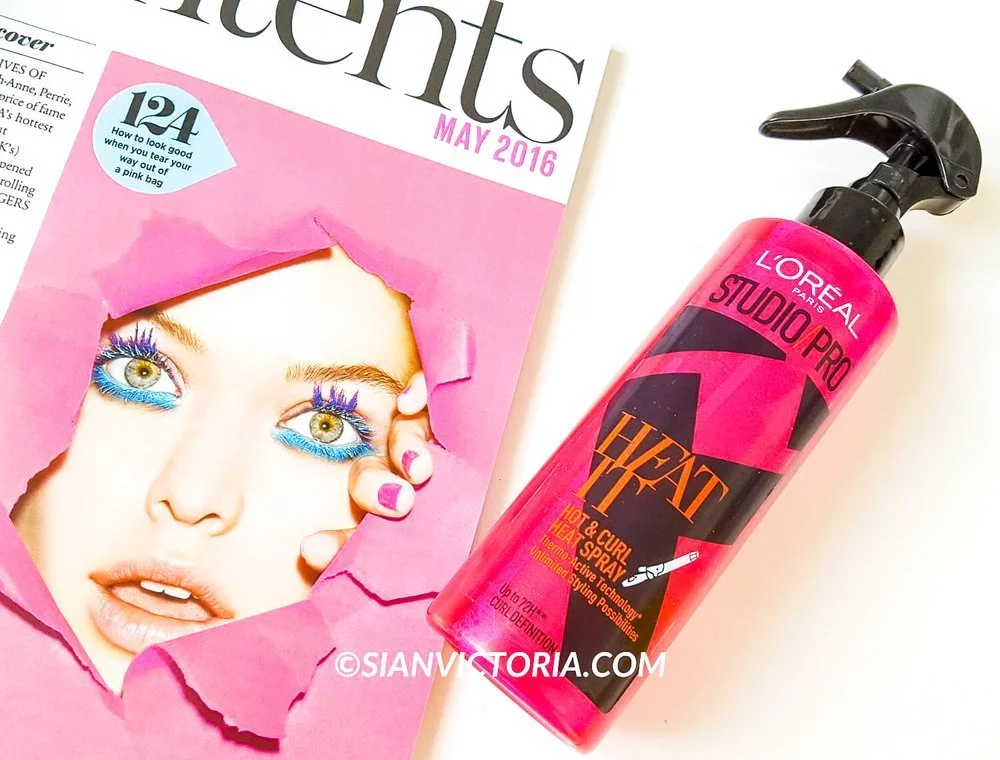
Sian Victoria © - L'Oreal Paris Studio Pro Hot & Curl Heat Protection Spray
Your Ultimate Guide: How to Avoid Heat-Induced Hair Damage
The convenience of using heat tools like hairdryers, straighteners, hot rollers and curling tongs to style our hair cannot be denied. In a matter of minutes, we can transform our tresses into sleek and smooth locks or bouncy curls that are perfect for any occasion.
However, it's important to note that the constant use of heat can damage our hair, resulting in breakage and a dull, lifeless appearance. Therefore, learning how to prevent heat-induced damage is essential to maintaining the health of our hair.
In this blog post, we will explore some of the best tips and techniques to safeguard our hair from the harmful effects of heat styling. By applying these simple steps, we can achieve the hairstyles we desire without compromising the health of our precious locks. So, let's look at these strategies and discover how to keep our hair looking fabulous and healthy, even when using heat tools.
Causes of Hair Heat Damage
When it comes to styling our hair, heat is often a go-to method. However, excessive use of heat-styling tools can lead to severe damage to our tresses. These tools strip away the natural oils that protect and nourish our strands, leaving them dry, brittle, and prone to breakage.
Additionally, applying direct heat onto damp hair can be detrimental, as the water in the hair shaft turns into steam, damaging the cuticle layer of the hair. Even the high heat settings on styling tools can weaken the keratin proteins that give our hair its structure and strength, resulting in a rough and dull hair surface, split ends, and in severe cases, irreversible damage, and possible hair loss.
It is crucial to protect our hair from heat damage, and one of the most effective ways is by using a heat protectant spray. These sprays create a barrier on the hair strand, reducing the amount of heat that directly impacts the hair cuticle. Without this protection, our hair is exposed to the harsh effects of heat, leading to damaged, dry, and brittle hair.
Identifying the causes of heat damage is the first step in preventing it, and by following proper protection methods, we can ensure the health and longevity of our hair.
Why You Need to Use Heat Protectant Products
Frequent use of heat-styling tools can take a toll on your locks, leaving them dull, damaged, and brittle. That's why it's important to apply heat-protectant products, which act as a shield to protect your hair from direct heat exposure. By coating each hair strand with a protective layer, these products significantly reduce the amount of damage caused by heat.
One of the key ingredients found in heat protectant sprays is silicone, which creates a barrier on the hair strand to not only protect against heat damage but also add shine and reduce frizz. These products are often infused with other nourishing ingredients such as argan oil, keratin proteins, and vitamins, which work together to fortify and strengthen your hair.
When it comes to application, it's important to apply heat protectant evenly across damp hair, ensuring that every strand is covered. If you have thick or long hair, sectioning your hair may be necessary to ensure proper coverage. Allowing the product to dry before using heat tools is crucial to prevent sizzling and potentially further damage.
While heat-protectant products offer significant protection, it's important to remember that they are not a cure-all solution. They can reduce but not eliminate the amount of damage caused by heat. Combining their use with other protective measures such as using lower heat settings, avoiding heat on wet hair, and taking regular breaks from heat styling can help maintain healthy, vibrant locks.
Picking the Right Heat Styling Tools
Making informed choices in heat styling tools can play a vital role in safeguarding your hair from heat damage. It's wise to choose tools with adjustable heat settings so that you can regulate the amount of heat applied to your hair and decrease the risk of damage. Lower temperatures (typically below 150°C) are advisable for people with fine or damaged hair, whilst those with normal hair can use temperatures around 180°C.
People with thick or coarse hair may require temperatures up to 200°C. Using straighteners and curling irons with ceramic or tourmaline plates is another good option. They spread heat evenly and prevent hot spots that could scorch your hair.
Additionally, these tools emit negative ions, which help to reduce frizz and smooth your hair. Investing in hair dryers with ionic technology that breaks down water molecules and speeds up the drying process is also an excellent choice.
Spending on high-quality heat styling tools may seem costly at first, but it's a worthwhile investment in your hair's long-term health. However, remember to use these tools responsibly, and in conjunction with heat-protectant products and proper hair care practices to minimise the risk of heat damage.
Why You Need Regular Hair Trims
To maintain healthy and manageable hair, regular trimming is essential, particularly for individuals who frequently use heat styling tools. Exposure to heat damage causes hair ends to become split and dry. Neglecting these split ends can result in further damage that spreads throughout the hair shaft, leading to unhealthy, frizzy, and difficult-to-manage hair.
Trimming the hair at regular intervals removes split ends, thereby preventing further damage and keeping your hair strong and healthy. While a trim every six to eight weeks is generally recommended, those using heat styling tools regularly may require more frequent trims.
Apart from enhancing hair neatness, regular trimming fosters optimal hair growth by preventing split ends from causing damage. Discuss with your hairdresser to determine the best schedule for your hair type and styling habits.
How to Create a Haircare Routine for Heat-Stressed Hair
The maintenance of heat-stressed hair demands a customised hair care routine. The first step is to rinse the hair with soft water and then cleanse the hair and scalp using a mild shampoo that does not have sulfates, which can cause loss of natural oils. Next, it is important to moisturise and revive the hair by conditioning it with products rich in proteins and amino acids, which will reconstruct and strengthen the hair structure. A deep-conditioning hair mask containing nourishing components like shea butter, argan oil, or coconut oil should also be used once a week to add hydration and reduce the dryness that heat damage causes.
Furthermore, a leave-in conditioner should be regularly included to prevent tangling and provide additional heat protection, locking in moisture, and decreasing frizz. It is crucial to refrain from rubbing the hair with a towel after washing and conditioning as this can cause friction and breakage. Instead, it is recommended to use a microfibre towel or a cotton t-shirt to gently squeeze out the excess water. Moreover, heat should never be applied to drenched hair; it should only be used on dry hair.
Ideally, it is worth considering switching to natural haircare to reduce the use of unnecessary chemicals on your hair while also being a vegan and cruelty-free alternative for hair. Lastly, it is vital not to forget about overnight treatments, which allow the hair to absorb the maximum amount of nutrients while sleeping. Keratin for strengthening, argan oil for moisturising, and tea tree oil for scalp health are some of the essential ingredients to watch out for.
Reasons Why You Should Give Your Hair a Break
Including days where heat styling is avoided in your weekly hair routine is an effective way to reduce the risk of damage caused by heat. The regular and excessive use of heat styling tools can make your hair more fragile and vulnerable to breakage. Giving your hair periodic rest from heat provides it with the chance to regenerate and restore its natural strength.
These heat holidays also permit your hair's natural oils to renew themselves, ensuring that your hair stays healthy and protected. Moreover, prolonged heat styling can lead to lacklustre hair, as the heat strips it of its inherent shine. By decreasing the frequency of heat styling, you are helping to maintain your hair's natural sheen.
In addition, your scalp may be affected by excessive heat. Heat can dehydrate your scalp, resulting in irritation and dandruff. By allowing your scalp to recover its natural balance during heat-free days, you promote the growth of healthier hair. Thus, incorporating heat-free days into your hair care routine is worthwhile for the overall well-being of your hair and scalp.
Ways to Prevent Hair Damage with Heatless Styling
Exploring heat-free styling methods can be a fun and inventive way to prevent heat damage to your hair. Begin by plaiting your hair before bed and unravelling it in the morning for soft, heatless waves. Additionally, twisting damp hair into a bun overnight can create relaxed, beachy curls, while traditional foam or cloth rollers can produce tighter curls when left in overnight.
Banding is another heatless method that involves tightly wrapping sections of damp hair with elastic bands or fabric strips, resulting in smooth, wavy hair when released. To add volume, try using velcro rollers at the roots of damp hair, allowing them to dry naturally.
Most importantly, embrace your hair's natural texture and utilise products tailored to enhance your specific hair type, like curl-enhancing creams or volumising sprays. By following these methods, you can confidently experiment with various hairstyles without jeopardising the health of your locks.
To conclude
In conclusion, whilst heat styling tools can help achieve the desired hairstyle, incorrect use can result in significant damage, and excessive use could cause hair loss. Preventative measures, such as using heat protectant products, selecting the appropriate tools, maintaining hair health by regularly trimming and employing a personalised haircare routine, taking breaks from heat, and exploring heatless styling techniques, can all help reduce the risk of heat-related hair damage.
So, adopt these methods to achieve the perfect balance of beautiful, styled hair whilst maintaining locks that are healthy, strong, and shiny.


