12 Tips to Prevent Your Hair from Heat Damage
*PR: Blogger event.

Sian Victoria © - Dyson Supersonic hair dryer demonstration, John Lewis, Grand Central, Birmingham
How to Reduce Heat Styling Hair Damage + Dyson Dryer Review
Using heated tools to style your hair has become a go-to for many people, but if you’re not careful, those high temperatures can really mess with your hair. Heat damage happens when your hair loses its natural moisture and structure, making it prone to split ends, looking dull, and feeling weak.
But you can still show off sleek, voluminous, or wavy styles without sacrificing your hair’s health. The trick is to be smart about how you style and take care of your locks. Getting your hands on the best tools and making a few simple yet very beneficial tweaks to your routine can make a difference to help you avoid heat damage while your hair still looks great.
So, in this guide, I’ll be sharing a list of tips to help you prevent heat damage to your hair. Plus, I’ll be sharing my experience of attending a beauty blogger event in Birmingham at the new John Lewis flagship store, where we got to meet people from Dyson who told us everything we need to know about the latest Dyson Supersonic hair dryer.
1. Make Sure to Use Heat Protectant
Using a heat protectant is an absolute must-do to keep your hair safe from heat damage. These products act like a shield to help lessen the damage from heat when you use styling tools. Many of them also have ingredients that lock in moisture, so your hair stays elastic and strong while you're styling.
When deciding on what product to go for, consider your hair type. For example, go for a light spray for fine hair or a thicker cream for coarser hair. For best results, always make sure to spread the product evenly over all your hair to get the best protection possible.
2. Turn Down the Heat
Using a lot of heat when styling can really mess up your hair over time. Luckily, most of the new styling tools let you adjust the temperature, so you can choose the ideal level for your hair type. If your hair is fine, it's better to keep it on the lower side. Thicker or coarser hair can handle more heat, but you still want to avoid cranking it all the way up.
Get familiar with your tool’s features to find that sweet spot. Also, try to use heat in short bursts instead of leaving it on for too long to prevent damage. When you’re using things like straighteners or curling irons, work with small sections and heat them evenly so you don’t have to keep going over the same spot.
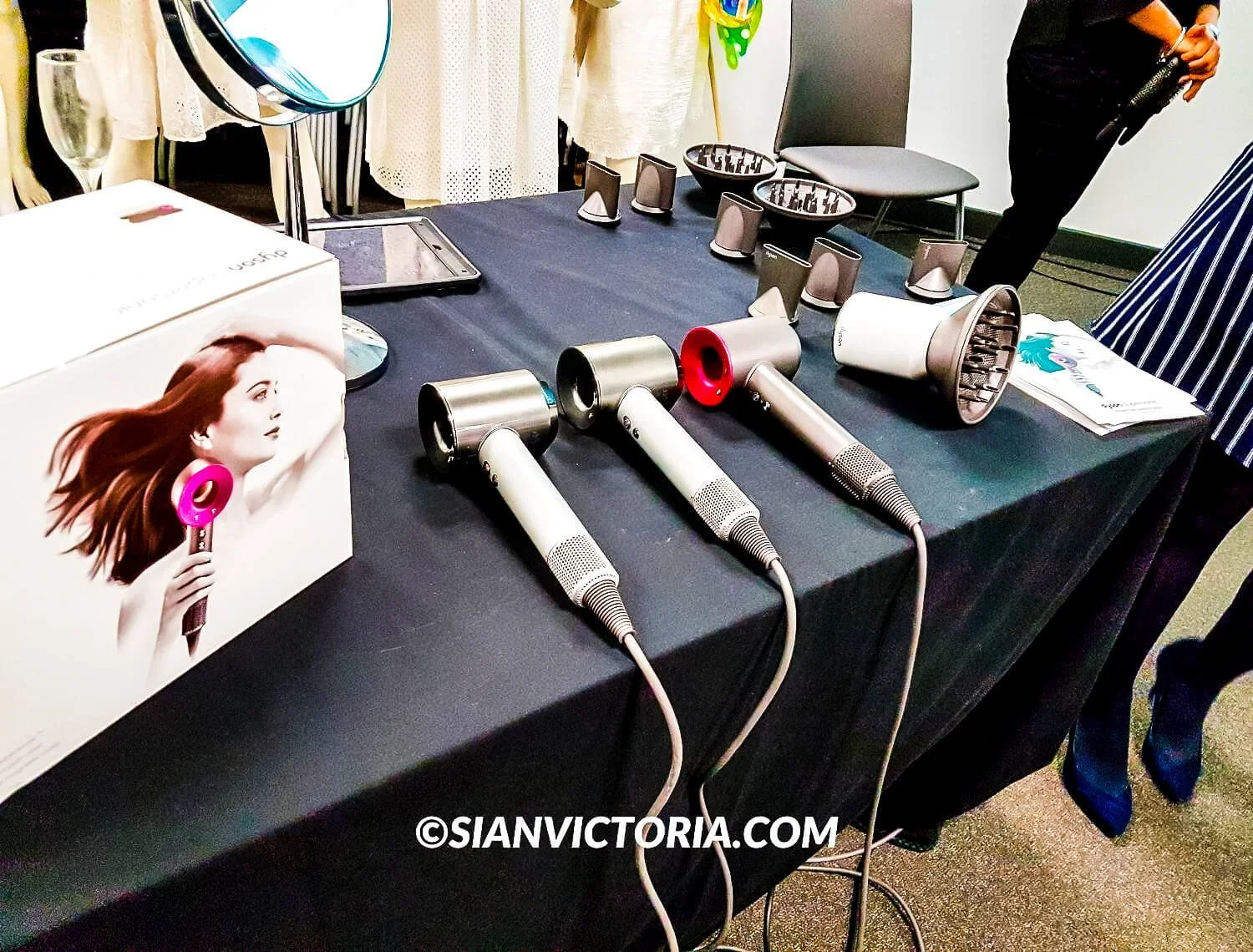
Sian Victoria © - Dyson Supersonic hair dryer demonstration, John Lewis, Grand Central, Birmingham
3. Cut Down on the Heat Styling
Relying on heated styling tools a lot can really take a toll on your hair over time. Instead of using heat every day, why not try some no-heat styling techniques? For instance, if you braid or twist your damp hair, you can end up with some gorgeous natural waves once it dries. Plus, foam or fabric rollers can help you create curls or add some volume without the heat damage. These methods are not just kinder to your hair but also let you mix up your looks for different occasions.
When you do need to use heat, try to plan your hairstyles better to make them last longer. After straightening or curling your hair, using some mousses or light-hold sprays can help keep the style for days, so you won’t have to restyle it constantly. Also, sectioning your hair properly while styling allows you to get the look you want with fewer passes of the tool.
Cutting down on heat styling and trying out these alternative techniques can really reduce the stress on your hair and help keep it healthy overall. Focusing on low-heat or no-heat methods will protect your strands and help them keep their natural strength and shine for longer. Additionally, it will also help prevent hair loss, as heat styling can significantly damage your strands and cause pulling to the scalp.
4. Let Your Hair Dry Naturally
Let your hair air dry instead of blasting it with heat. It’s a much gentler way to keep it healthy. After you wash your hair, grab a microfibre towel or even an old cotton top to gently squeeze out the extra water. This helps cut down on frizz and avoids damaging your strands.
To show off your natural texture, you might want to put on some leave-in conditioner or styling cream when your hair is still a bit wet. It can help define your waves or curls and keep things smooth. For a bit of extra volume, try flipping your hair upside down for a bit or scrunching it with your hands.
If your hair tends to get tangled, use a wide-tooth comb to detangle. When it's still wet, begin at the ends and move your way up to avoid breakage. And don’t forget to part your hair like you want it before it dries, so it sets nicely.
You can also mess around with no-heat styling, like making loose braids or buns to get those soft waves or natural curls when it dries. Just adjust your drying routine to suit your hair type and the style you’re going for, and you’ll end up with great-looking hair without any heat damage!
5. Make Sure to Use Good Styling Tools
Getting the ideal tools is necessary for keeping your hair healthy while you style it. Look for gadgets that have cool features like ceramic or tourmaline-coated plates. These help heat evenly, so you won't get those nasty hot spots that can damage your hair. If you’re looking at hairdryers, go for ones with ionic technology, as they cut down drying time and keep your hair from getting too hot.
Adjustable temperature settings are a must, too, so you can set the heat just right for your hair type. A cool shot button on hairdryers is a nice extra, helping to seal your hair and lock in your style without more heat. For curling irons or straighteners, tools with floating plates or rounded edges are great because they make styling smoother and minimise the need to go over the same section multiple times.
Also, check the wattage and how fast they heat up, as faster heating tools can save you time while still getting the job done. When investing in tools with these features, you can protect your hair and enjoy a more efficient styling session. And don’t forget to clean your tools regularly to avoid product build-up, which can mess with performance and your results.
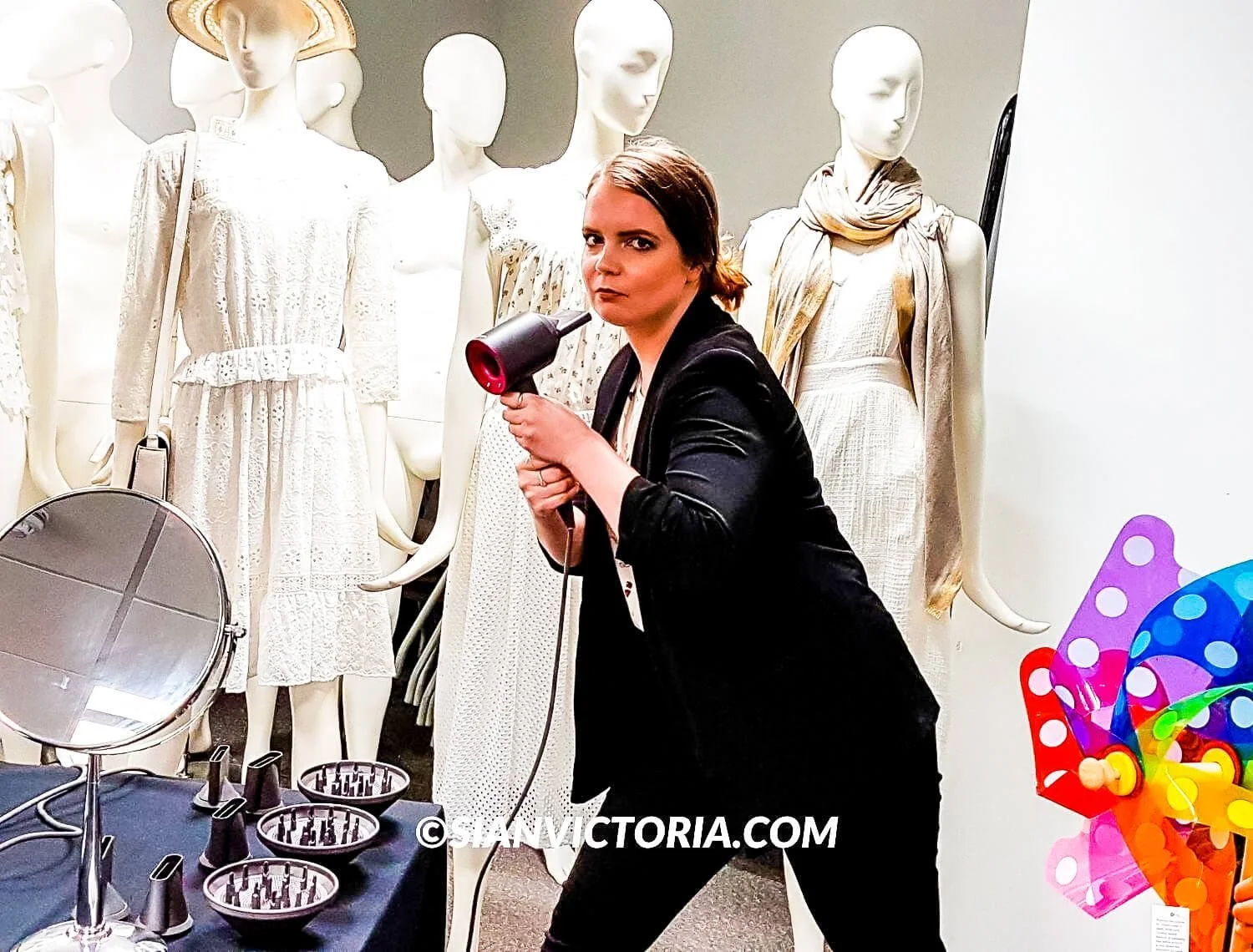
Sian Victoria © - Dyson Supersonic hair dryer demonstration, John Lewis, Grand Central, Birmingham
6. Take Care of Your Hair While You Snooze
Night-time beauty routines can really help keep your hair in good shape, especially by cutting down on friction and stress. Getting yourself a silk or satin pillowcase is a great idea since these materials provide a smooth surface that reduces tugging and tangling while you sleep.
To give your hair a bit of extra protection, try loosely tying it up in a braid, ponytail, or bun to prevent knots or damage overnight. If you have long hair, wrapping it in a protective style or using a silk scarf can help keep it under control.
Plus, applying a light leave-in conditioner or a bit of hair oil before bed can give your hair a moisture boost, making it soft and manageable by morning!
7. Get Regular Hair Trims
Keeping up with regular trims is super important for keeping your hair looking and feeling its best. Trimming gets rid of those damaged, split ends that can happen from heat styling or other factors, which helps stop the damage from spreading down the hair shaft. Cutting off those split ends helps keep your hair from tangling and breaking, making it way easier to style every day.
How often you should get a trim really depends on your hair type, lifestyle, and your styling routine, but a good rule is to go every 6 to 8 weeks. If you’re aiming for longer hair, you could wait a bit longer between trims, but don’t skip them entirely! Regular trims won’t slow your hair growth; instead, they actually help it stay strong and healthy, which allows your hair to grow better in the long run.
If you use heat tools a lot, sticking to your trimming schedule is even more necessary since those tools can dry out and weaken your hair over time. Chat with your local hair salon about a haircut that works with your routine and hair type. They can suggest ways to keep your hair in good shape while still rocking your favourite style.
8. Hydrate and Nourish Your Hair and Scalp
Hydrating yourself with plenty of water and fruits is absolutely necessary for making sure your hair stays strong and flexible, especially if you're using a lot of heat tools. Throwing in things like deep conditioners, leave-in treatments, and hair masks can really help add moisture and tackle dryness. Look for products packed with good stuff like coconut oil, shea butter, aloe vera, or argan oil, which sink into your hair to bring back that softness and stretch. Using these treatments weekly or based on what your hair needs can really up its game in both looks and health.
When picking out shampoos and conditioners, it’s ideal to pick ones that fit your hair type and any issues you have. Using the wrong products can really draw out those natural oils or leave your hair feeling dry.
If you have dry hair, sulphate-free shampoos are a solid choice for keeping that moisture locked in. And if your ends are looking and feeling a bit rough, just a tiny drop of hair oil or serum can help add some much-needed moisture and smoothness, plus it can make your hair a bit more resilient to heat damage.
The goal is to create a routine that hydrates while also strengthening your hair by balancing moisture with protein-rich products, which helps improve its structure and durability over time.
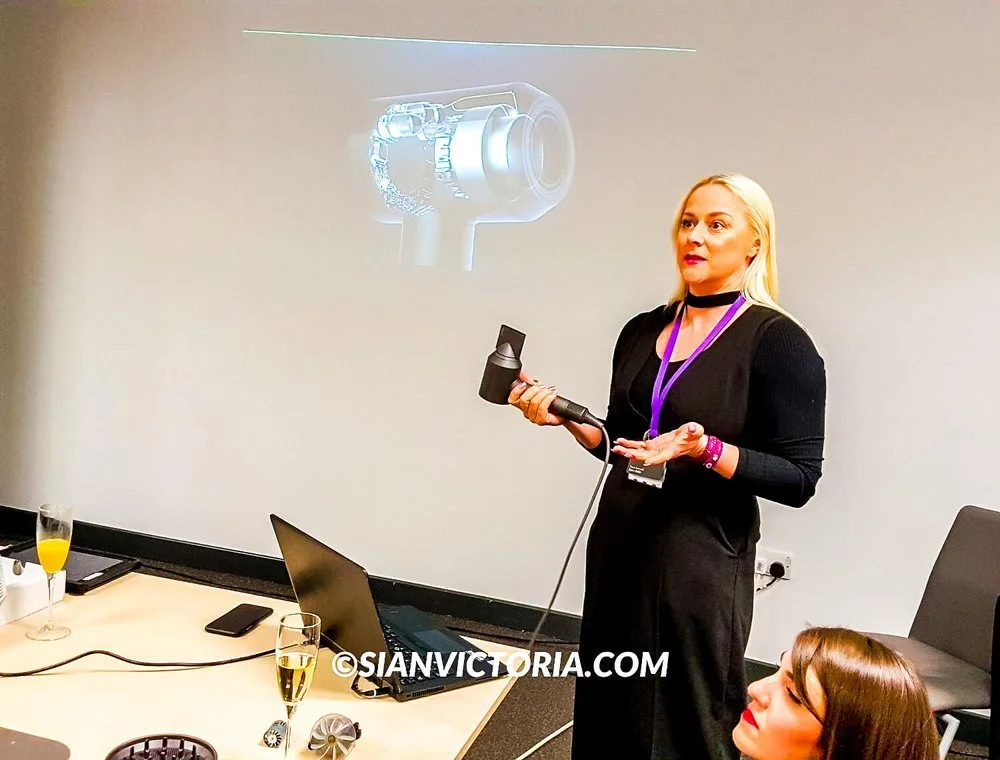
Sian Victoria © - Dyson Supersonic hair dryer demonstration, John Lewis, Grand Central, Birmingham
9. Skip Styling Your Hair When it's Wet
Wet hair is extremely fragile and more likely to break, so it’s ideal to handle it with care before using any heat. When your hair is drenched, the strands swell and the outer layer opens up, making it more susceptible to damage from styling tools. To prep your hair for heat, grab a microfibre towel or simply a soft cotton T-shirt to gently soak up the extra moisture. Avoid the rough towel-drying method; it creates friction and could lead to breakage.
If you’re pressed for time, use a hairdryer with adjustable heat settings and start on low to medium. Keep the dryer moving and hold it away from your scalp to prevent burning any one area. A nozzle attachment works wonders for directing the airflow, which helps smooth the cuticle and reduce frizz. Also, section your hair to make sure you dry it evenly, starting from the roots and working your way to the ends.
For added protection, consider using a lightweight heat protectant spray on damp hair before blow-drying. This not only shields your strands from the heat but also gives your hair a sleek, shiny finish. Being patient during this step can make a big difference in keeping your hair healthy.
10. Keep Your Eating Habits in Check
A natural diet with healthy habits can play a noticeable role in keeping your hair strong, shiny, and flexible. Make sure to add foods rich in biotin, like eggs, nuts, and whole grains, since biotin really helps with hair growth. Omega-3 fatty acids are a must-have, and you can find them in fatty fish like whitebait, salmon and mackerel, which are great for nourishing hair follicles and keeping your hair nice and moisturised, which helps prevent dryness and brittleness. Don't forget your leafy greens like spinach and kale, they're packed with iron and vitamin C, which aids extra blood flow to your scalp and makes sure your hair gets all the good stuff it needs.
Adding zinc-rich foods like pumpkin seeds, lentils, and chickpeas is a smart move, too, because zinc helps fix damaged hair and stimulates new growth. As I’ve said, drinking plenty of water is a must-do, too, as this will keep your scalp and hair hydrated from the inside out.
For a protein kick, include lean meats, beans, and tofu in your meals, as protein is essential for keratin, the main stuff that makes up your hair, so eating a good amount of protein can benefit your hair. Not only that, but eating a colourful diet full of natural foods packed with nutrients will make your hair healthier and more resilient, so it's better prepared for the heat of styling tools.
11. Use the Cool Setting
A lot of styling tools come with a cool air setting that can really benefit your hair. After you’ve used heat to dry or style, switching to cool helps lower the temperature of your hair, which cuts down on heat damage. This setting can also smooth the hair cuticle, making your strands look shinier and less frizzy.
For hair dryers, hitting that cool shot button at the end of styling is super helpful for locking in your beautiful hairstyles while keeping heat damage to a minimum. And when you’re using a curling iron or straightener, let your hair cool completely before touching or brushing it to keep the style intact.
12. Limit Your Use of Chemical Treatments
Chemical treatments like colouring, perming, and relaxing can really mess with the health of your hair, making it more likely to get damaged from heat styling. These treatments usually involve harsh chemicals that strip away your hair’s natural oils and weaken the protein bonds in each hair strand. To reduce the chance of further damage, it’s important to space out these treatments, giving your hair time to bounce back in between sessions if you can, and go for ammonia-free or gentler formulas since they’re less harsh on your hair.
Keeping up with a good routine of deep conditioning and protein treatments can help your hair regain its strength and resilience, countering some of the wear from chemical exposure. When you decide to get a chemical treatment, make sure to go to a professional stylist who can evaluate your hair’s condition and suggest the right products or methods to minimise stress on your strands.
Try not to combine several chemical processes in a short time, as that can increase the risk of dryness, breakage, and long-term damage. Instead, focus on nourishing and protecting your hair with quality products specifically made for chemically treated hair.

Sian Victoria © - Birmingham beauty bloggers, Dior lips, John Lewis, Grand Central
Dyson Beauty Blogger Event at John Lewis in Birmingham
Did you know that Dyson launched the Supersonic hair dryer a year ago? Vogue has dubbed it the "game changer"! To be honest, I was aware of the Dyson hair dryer thanks to my Instagram feed and mentions in beauty magazines, but I didn’t know much about its specifications or why it earned the title of "game changer."
As Dyson is known for their innovative and reliable products, like vacuums, I figured that the Supersonic hair dryer, priced at £300, had to be impressive. Recently, I attended a Dyson Supersonic event at John Lewis in Grand Central Birmingham to learn more.
At the beauty event, Dyson and Dluxe Magazine partnered with Aveda, Dior, and La Prairie, who offered complimentary hand massages and lip makeovers. After mingling with fellow Birmingham bloggers over delicious cupcakes and glasses of champagne, we posed for the best #DysonSupersonic selfie. Then we were invited to watch a presentation and see a live demo of the Supersonic hair dryer in action.
The presentation was fascinating and clearly justified the £300 price tag. Dyson invested five years and £58 million into researching and developing this product, using 600 prototypes and 103 engineers in the process. They even built their own hair lab and tested over 1,000 miles of natural hair to assess the dryer’s effects on each strand. After all this time, the finished product truly is a game-changer. The Dyson Supersonic is unlike any typical hair dryer, thanks to its innovative technology. Here’s why:
Review: Dyson Supersonic Hair Dryer
Intelligent Heat Control - This feature protects your hair from damage. Traditional hair dryers can reach a damaging 230 degrees, while hair can start suffering heat damage at just 150 degrees. Dyson’s hair dryer offers heat settings of 28, 60, 80, and 100 degrees, ensuring your hair stays safe. The best part? Lower heat doesn’t mean longer drying time.
Air Multiplier Technology - This allows you to dry your hair faster. Dyson is famous for its powerful suction vacuums and high-speed hand dryers, and this technology is utilised in the Supersonic hair dryer as well. The air multiplier sucks in 13 litres of air per second and multiplies it threefold, delivering an impressive 41 litres of air per second at speeds up to 105 mph! During the demonstration, we saw how powerful the Supersonic is; you can view a video of it lifting balls into the air on my Twitter.
This advanced technology not only allows your hair to dry quicker but also improves its condition, making it look smoother and sleeker. The Dyson team had gorgeous, shiny hair, so I’m definitely sold on that aspect.
Quieter Operation - The Supersonic is acoustically tuned to operate at a lower frequency. During the demo, we held the small, light motor of the Supersonic and compared it to the large, heavy motor of a traditional hair dryer. In the Supersonic, the motor is located in the handle, rather than at the top, making it easier to style the back of your hair. Plus, the small, powerful motor is encased in rubber, making it much quieter than typical hair dryers—meaning you won’t have to hide in another room to avoid waking someone up while drying your hair (and it shouldn't scare off the cat!).
Overall, the Dyson Supersonic is an impressive product, deserving of its title as one of the best hairdryers available, and it has completely changed the market. It’s innovative—there’s nothing else like it on the market, quieter, features low heat settings to prevent damage, and dries hair faster than traditional hair dryers. So, if you’re looking to invest in shiny, silky hair, this hair dryer is for you.
However, while I believe the hair dryer is worth the £300 price tag, I personally find it hard to justify spending that much at the moment. As someone who rarely invests time in blow-drying my hair and often lets it air dry, I’m hesitant.
I might change my mind if I get to see the Dyson Supersonic in action on my own hair. I’m planning to get a blow-dry soon at John Lewis, so I’ll update this post with my thoughts and some before-and-after shots when I experience the Supersonic for myself. In the meantime, I’ll continue using this Panasonic hairdryer and these blow-drying tips.
To conclude
Taking care of your hair and keeping it safe from heat damage is all about finding a good routine that focuses on long-term health. Making a few simple changes, like picking styling tools that have cooling options, using hair-bonding products that protect your hair from damage, and trying out different heat-free ways to style it, can really help keep your hair strong and looking awesome.
Being consistent is key because a mix of prevention and regular care will lead to healthier, more resilient hair over time. Sure, sometimes achieving your favourite styles might require some heat, but being mindful of how much you use it and keeping it to a minimum can help your hair stay in top shape.
So, focusing on hair health doesn’t mean you have to give up on style; it’s more about finding a balance that lets you get creative while still protecting your strands.


