Green Tea: Top Things to Know About the Camellia Sinensis Plant

Sian Victoria © - Whittard of Chelsea Jasmine Green Tea & Earl Grey
The Ultimate Guide to Green Tea: Everything You Need to Know
If you have an appreciation for tea or are a newcomer to the tea scene, you have likely come across green tea, which is known for its subtle flavour and extensive health benefits. Green tea has been an essential part of many cultures across the globe for centuries. In this comprehensive guide, we will explore into the rich history, cultural significance, and health benefits of green tea, along with other fascinating aspects.
A Brief History of Green Tea
The origins of green tea trace back to ancient China, where its initial consumption was recorded in 2737 BC by Emperor Shen Nung. This accidental discovery set in motion a journey of great importance for green tea, as it became deeply integrated into Chinese society and influenced various areas such as culture, medicine, and spirituality for centuries. As trading routes expanded and cultural exchanges grew, green tea spread its influence across the globe, reaching far corners such as Japan.
About the Camellia Sinensis Plant
The source of our beloved green tea is the Camellia Sinensis plant, a resilient evergreen shrub or small tree that originates from East Asia but now flourishes across the globe. This hardy plant prefers high-altitude regions with a subtropical climate, such as those in Northeast India, North Vietnam, and Southern China, and boasts glossy, dark green leaves and small, white flowers.
Despite being able to live for over a century, the plant's young, fresh leaves are picked to make tea, as they contain an abundance of potent antioxidants and other beneficial compounds that contribute to green tea's health-promoting qualities.
Surprisingly, all tea types, whether green, black, white, or oolong, originate from this one plant, but their diversity in flavour, aroma, and appearance comes from different processing methods post-harvest. The minimal processing of green tea ensures that its natural substances remain intact, allowing it to retain its original colour and maximise its benefits.
The Cultural Significance of Green Tea
Green tea has a rich cultural significance in numerous Asian societies, extending far beyond its role as a simple beverage. It serves as a symbol of hospitality, a calming agent, and a spiritual totem.
The tea ceremony, which dates back many years in Japan, centres on the preparation and consumption of Matcha green tea and is an elegant and serene ritual that encourages mindfulness and harmony, two values that are highly regarded in Japanese culture.
Green tea's symbolic meaning and cultural significance are evidence of its crucial role in social interactions and spiritual endeavours, elevating it beyond a typical drink. Over time, its cultural significance has persisted, embodying traditional values whilst evolving to fit contemporary societies.

Sian Victoria © - Whittard of Chelsea Earl Grey Tea
What Makes Green Tea 'Green'?
Green tea stands apart from black and oolong teas in terms of preparation technique. The unique process of promptly heating and drying the leaves of green tea prevents oxidation and helps retain its green colour, as well as authentic taste, aroma, and beneficial properties like catechins. Hence, the name green tea aptly represents its processing and physical appearance, which signify a tea that closely resembles the original leaf and offers numerous health benefits beyond just its colour.
What Nutrition is in Green Tea?
Packed with beneficial compounds, green tea is a low-calorie beverage that serves as a natural source of several vitamins and minerals such as B vitamins, folate, manganese, potassium, and magnesium. It is particularly rich in antioxidants, specifically polyphenols that actively combat cell damage and inflammation, offering a potent defence against chronic diseases.
The most prominent type of polyphenols present in green tea is flavonoids, with epigallocatechin gallate (EGCG) being the most noteworthy. Green tea contains modest amounts of caffeine, enough to produce a desirable alert effect without causing the jitters that accompany higher caffeine intake.
The presence of amino acids such as theanine adds to its unique flavour and relaxation properties, contributing to its varied and enriching nutritional profile. A cup of green tea thus presents a wholesome and beneficial option for health enthusiasts.
The Health Benefits of Green Tea
The health benefits of green tea have been extensively researched and widely acknowledged. It has been shown to have potential cardiovascular advantages, with studies indicating that its antioxidants may help lower cholesterol, manage blood pressure, and improve blood circulation.
Regular consumption of green tea has also been linked to improved insulin sensitivity and lower blood sugar levels, making it an invaluable drink for those managing diabetes. Its rich polyphenol content may aid in improving liver function and protecting against certain types of cancer.
Furthermore, green tea can benefit oral health by reducing tooth decay and bad breath due to its antibacterial properties. The antioxidants in green tea also have the potential to enhance the immune system, making it better equipped to defend against infections.
Therefore, including green tea in your daily diet can provide a significant boost to your overall health, as numerous studies have shown.
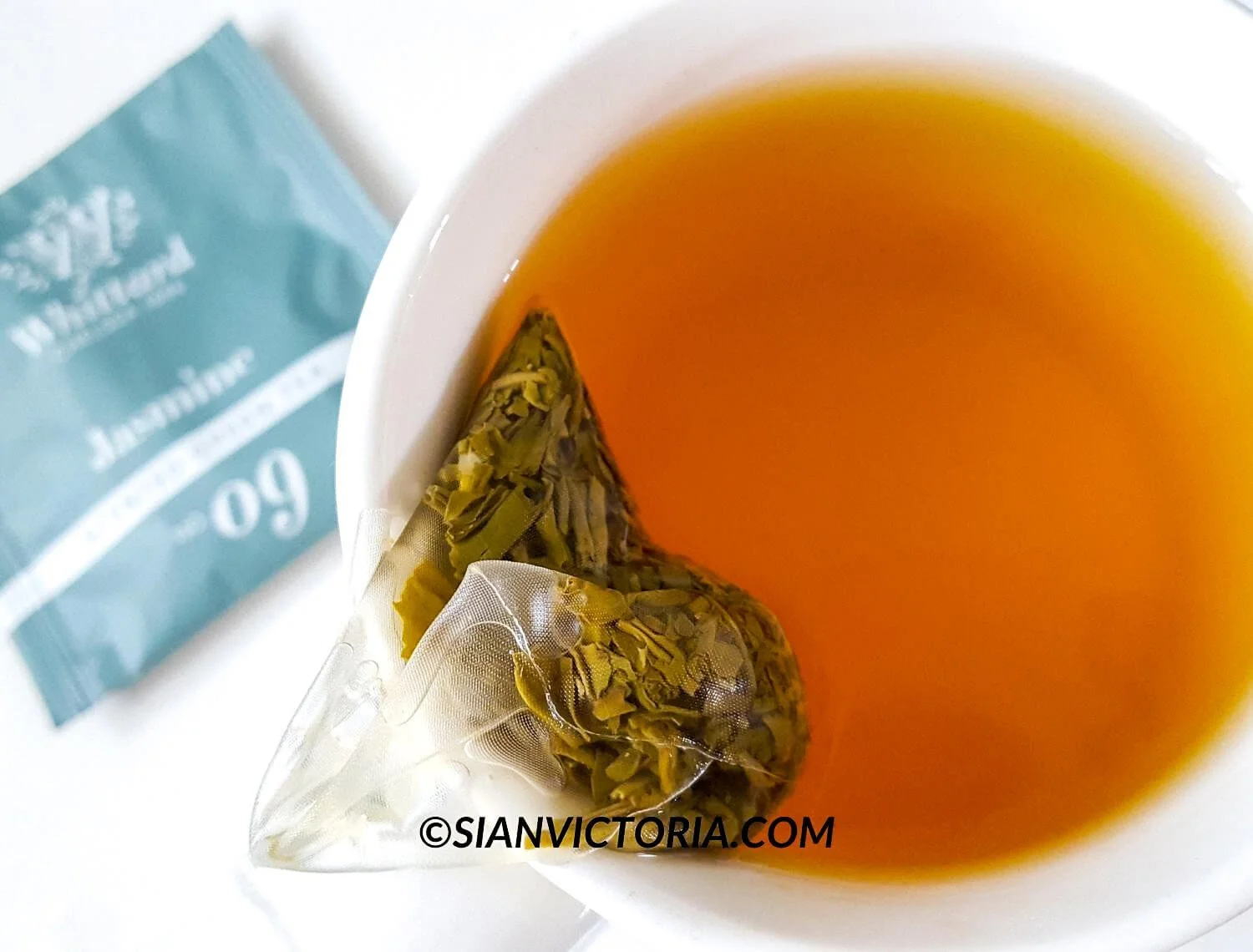
Sian Victoria © - Whittard of Chelsea Green Tea
How to Brew the Perfect Cup of Green Tea
Brewing the perfect cup of green tea requires precision and a keen attention to detail. To begin, the water should be heated to a temperature of approximately 80°C, being careful not to bring it to a full boil as excessive heat can damage the subtle flavours of the tea.
Steeping time should range from 1-3 minutes, as exceeding this timeframe can result in bitterness. In addition, the quality of the tea utilised is crucial to the final product. Loose tea leaves, rather than standard tea bags, can significantly enhance both the taste and aroma of the tea.
While the process may appear simple, the careful consideration of these factors can distinguish a mediocre cup of green tea from an exceptional one.
The Different Varieties of Green Tea
The world of green tea offers a vast range of flavours and aromas that stem from various regional and processing practices. One of the most well-known types is Japan's Matcha, a finely ground powder made from shade-grown tea leaves, which boasts a vivid colour, a rich texture, and a full-bodied taste. Sencha, another Japanese variant, is known for its clear green infusion and refreshing grassy flavour.
Meanwhile, in China, there is a wide array of green teas available, including Longjing (also called Dragon Well), celebrated for its flattened leaves, sweet taste, and jade-green hue, and Biluochun, famous for its fruity scent and floral aftertaste, which comes from its delicate spirally rolled leaves. Additionally, Maojian tea stands out for its silvery buds and leaves that give off a fresh and subtly sweet brew.
Nokcha, from Korea, is another popular choice known for its mild taste and pleasant aroma. Each variety of green tea possesses a unique identity, shaped by several factors such as the terroir, harvest time, and processing methods. Tea aficionados can take pleasure in exploring these options to find their perfect blend.
Green Tea and Weight Loss
In recent years, the popularity of green tea as a weight loss aid has increased due to its potential to boost metabolic rates and increase fat oxidation. The presence of caffeine and a specific catechin called epigallocatechin gallate (EGCG) is responsible for this effect. By working together, these two elements can help speed up the body's fat-burning process and improve exercise performance, providing a more effective approach to weight management.
For this reason, adding green tea to your daily routine can offer a natural and enjoyable way to supplement your weight loss journey and achieve your health goals.
Green Tea and Skin Health
Green tea has become increasingly popular in the skincare industry due to its potent natural properties. The high concentration of antioxidants, such as polyphenols, found in green tea contribute to skin health. By neutralising free radicals, which cause skin ageing, the regular consumption of green tea or the application of green tea-infused skincare products can combat signs of ageing like wrinkles, fine lines, and sagging skin.
Moreover, the anti-inflammatory properties of EGCG found in green tea make it beneficial for those with inflammatory skin conditions like psoriasis and rosacea. The antibacterial nature of catechins in green tea can also help reduce the prevalence and severity of acne breakouts.
Aside from these benefits, green tea's ability to improve skin hydration is vital in maintaining the skin's elasticity and overall health. The natural hydrating qualities of green tea make it an excellent choice for individuals seeking to improve their skin's moisture levels.
Recent studies have also indicated that the polyphenols found in green tea offer protection against harmful UV radiation, potentially reducing the risk of skin cancer and sunburn. While green tea should not replace essential sun protection measures like wearing sunscreen, it can serve as an additional tool in your sun protection arsenal.
Whether you enjoy sipping on a refreshing cup or absorbing green tea-infused products in your skincare routine, this versatile brew could be an invaluable addition to your pursuit of glowing, healthy skin.
Green Tea and Mental Health
Green tea has noteworthy mental well-being benefits due to the presence of an amino acid called theanine, which promotes relaxation and combats stress. By increasing dopamine and serotonin production, theanine enhances mood and general well-being. It also helps moderate the effects of caffeine, resulting in a balanced energy boost without the typical crash of other caffeinated beverages.
Green tea is believed to enhance brain function, specifically attention and focus, due to the combination of theanine and caffeine, making it a natural nootropic. Additionally, studies suggest that green tea consumption may lower the risk of neurodegenerative diseases like Alzheimer's and Parkinson's, thanks to its potent antioxidants, especially EGCG.
These antioxidants protect brain cells from oxidative stress, potentially slowing down the progression of these diseases. As such, savouring a cup of green tea may be more than a calming ritual, but also a means of supporting mental health and cognitive longevity.
Green Tea Cocktails and Recipes
Green tea's versatility goes beyond its traditional hot brew and extends into a diverse range of unique food and drink options. For a refreshing and revitalising cocktail, consider the 'Green Tea Mojito' which combines the subtle flavours of green tea with the bright freshness of mint and lime. Alternatively, a 'Matcha Latte' offers a soothing choice for those seeking a warming drink.
In the kitchen, the culinary uses of green tea are equally extensive, such as the popular 'Matcha Green Tea Ice Cream' which introduces a smooth, creamy, and subtly sweet experience to the palate. Additionally, 'Green Tea Noodles' add a distinct tea flavour to dishes, creating a truly rare dining experience. Keep in mind that the quality of the tea significantly influences the final flavour profile of these concoctions. By featuring green tea in your cocktails and recipes, you can explore and enjoy the fresh dimension of this versatile beverage.
Ways to Consume Green Tea: Bags, Loose or Compressed
Green tea is available in various forms, each with its distinctive features. Tea bags are the most prevalent and easy-to-use option as they contain pre-measured green tea enclosed in small, porous packets, providing consistency and simplicity in brewing.
However, some perfectionists may argue that loose-leaf green tea offers a superior taste and quality. Loose leaves, when steeped, expand, and release a broader spectrum of flavours and aromas, allowing for multiple steeps that reveal different notes.
Additionally, compressed green tea, found in tea cakes, involves whole tea leaves that are pressed into a solid form, and steeping allows for a slow, layered release of flavour. Whilst this method may require more effort, it is a fascinating alternative, especially for tea enthusiasts. Ultimately, the choice between bags, loose, or compressed comes down to personal preferences and the level of exploration one wishes to get on in their green tea journey.
Green Tea Risks
Although green tea is generally considered safe in moderation, it's important to be aware of potential risks and side effects. Consuming excessive amounts of green tea extract may lead to digestive issues and liver damage due to the high concentration of catechins. Even though the caffeine content in green tea is lower than in coffee, it may still cause sleep disruptions, jitters, or heart palpitations in sensitive individuals.
In addition, green tea can interact with certain medications or medical conditions such as heart conditions and blood thinners. It's crucial to note that not all green teas are of equal quality, and some may contain high levels of fluoride or other hazardous substances, particularly if grown in polluted areas.
It's highly recommended to source your green tea from reliable suppliers and seek advice from a healthcare professional if you have any underlying health conditions or concerns. Enjoying green tea as part of a balanced lifestyle is a better approach than using it as a standalone remedy or preventative measure.
To conclude
Green tea stands out as one of the healthiest hot beverages one can consume. It’s fascinating history, varied types, and numerous health advantages make it a highly rewarding choice. It offers a wide range of positive impacts on health, from assisting with weight control to promoting mental well-being.
Whether you appreciate its delicate flavours, benefit from its medicinal properties, or explore it as a cooking ingredient, green tea offers a versatile and enriching experience. So, be sure to embrace this ancient potion and allow it to augment your path to a healthy lifestyle.


