12 Advanced Skin Clinic Treatments For Hormonal Cystic Acne

Sian Victoria © - Before and after acne skin treatment
Guide to the Best Expert Treatment For Acne in a Skin Clinic
Hormonal cystic acne is when you get these painful, deep pimples under your skin, usually because your hormones are out of whack. You’ll often find them popping up around the jawline, chin, and cheeks, but they can show up in other spots, too. Unlike regular acne, these cysts form deeper down, so they don’t usually respond to the typical over-the-counter products.
There are many things that can trigger your skin to break out in spots. The most common things are your menstrual cycle, pregnancy, or other conditions that women can experience, such as polycystic ovary syndrome, also known as PCOS, which can lead to hormonal imbalances and affect reproductive health. As I mentioned in my ‘how I got rid of hormonal acne’ post, stress and what you eat might also make it worse. Thankfully, my cystic acne is gone now, as you’ll see in my before-and-after acne photos.
However, it wasn't until I reached out for some professional help that I was able to find something more advanced to tackle it, rather than pinning all my hopes on at-home treatments and lifestyle changes. While sticking to a good skincare routine can help, going to a skin clinic for advanced treatments generally gives better results, tackling not just the obvious signs but what’s really causing the acne underneath.
So, here’s a list of twelve skin clinic treatments you can get to tackle hormonal cystic acne. I’ve tried and tested five of them, which you can read about in my LED light therapy and clear skin laser treatment post.

Sian Victoria © - Advanced Environ facial treatment
1. Chemical Peels
Chemical peels are a well-known skincare treatment that can help with different skin issues, like hormonal cystic acne. Basically, they involve putting a chemical solution on your skin that exfoliates the top layers and boosts cell turnover. When getting rid of dead skin cells, chemical peels can help unclog pores and lessen breakouts.
At skin clinics, there are various types of chemical peels made to fit what your skin needs. Salicylic acid peels work great for people with acne-prone skin since they dig deep into the pores to tackle excess oil and bacteria. Glycolic acid peels are also popular because they help improve skin texture and deal with pigmentation issues left over from past acne.
The treatment usually starts with a thorough skin check to see which peel is best for you. The solution is then applied to your skin for a set amount of time and later neutralised. Overall, the process is pretty quick and tolerable, but you might experience some redness or peeling in the days after as your skin recovers.
For the best results in managing acne, regular treatments spaced a few weeks apart are key. Plus, it’s important to follow a good aftercare routine, especially using sunscreen, since your skin might end up being a bit more sensitive to the sun after the treatment.
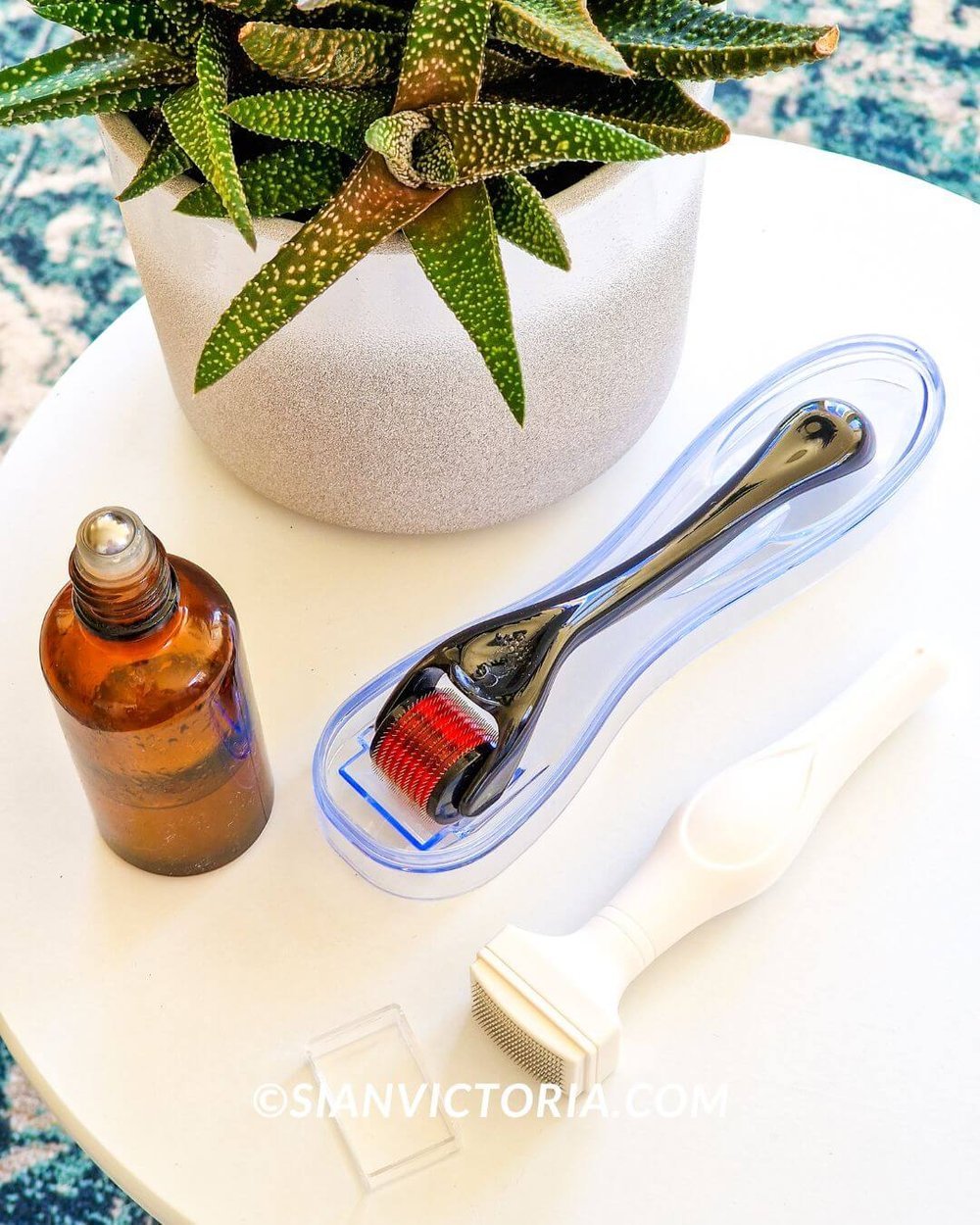
Sian Victoria © - Microneedling device
2. Microneedling
Microneedling is an unusual skin treatment that can really help with issues like hormonal cystic acne. The procedure uses a device with tiny, sterile needles that make small, controlled injuries on the skin. When you get these tiny injuries, they actually help your skin heal by ramping up the production of collagen and elastin. These two are essential for keeping your skin looking firm and elastic.
If you’re dealing with acne, microneedling can help smooth out uneven texture and fade post-acne scars over time. Plus, it makes your skin better at soaking up any skincare products you use afterwards, so it works great alongside other acne treatments. During the session, the depth of the needles can be adjusted to fit your skin’s needs, making it a personalised experience.
Before getting started, they usually apply a numbing cream to keep you comfortable, and the whole thing doesn’t take long at all. Afterwards, it’s normal to feel a bit red and sensitive, like a mild sunburn, but that fades away in a few days.
A lot of people find that they get the best results by having a few sessions spread out over a few weeks. How many you need really depends on how serious your skin concerns are. It’s necessary to stick to the aftercare tips from your clinician, like avoiding direct sun and using recommended skincare products, to help your skin heal properly.
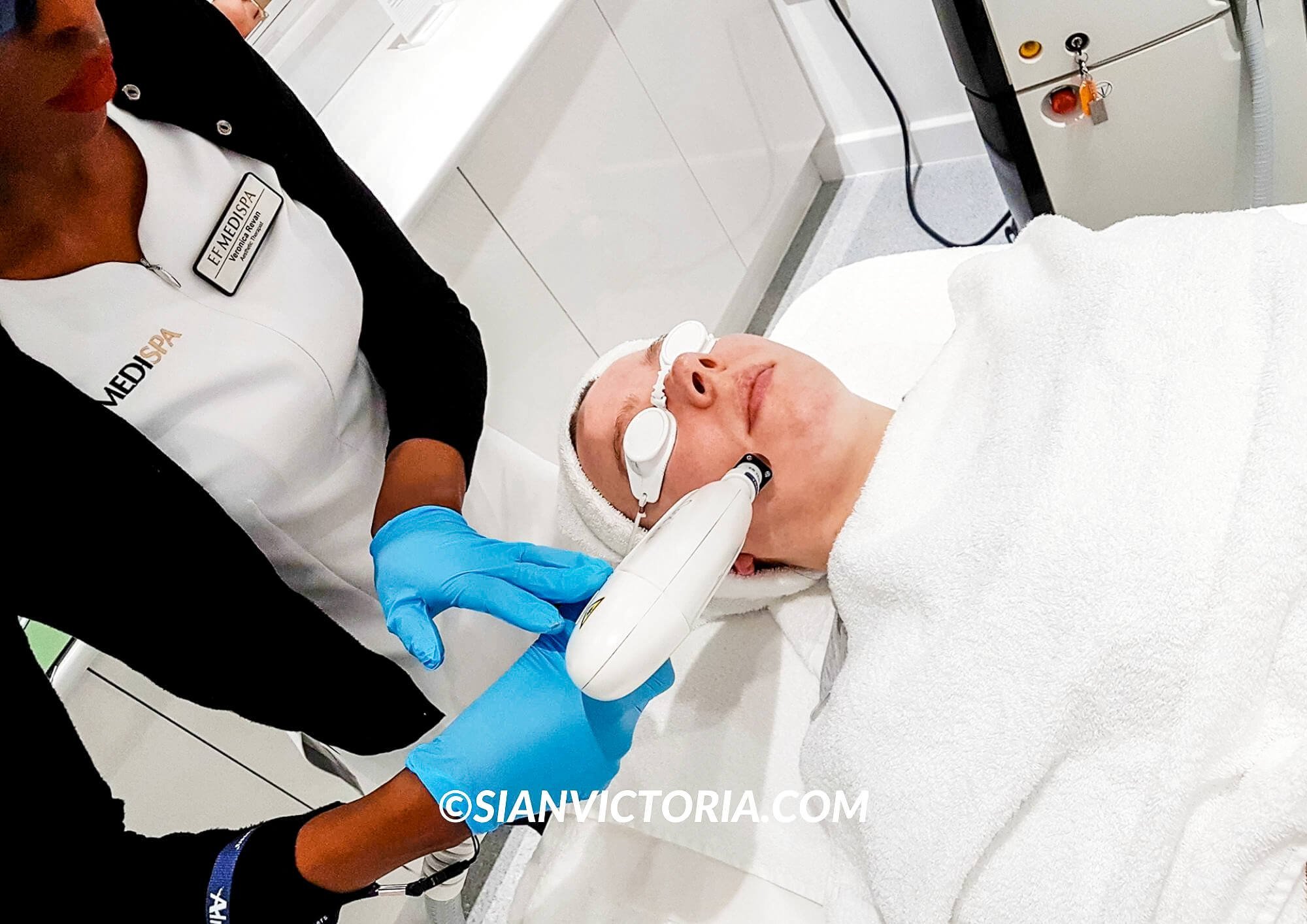
Sian Victoria © - Clear skin laser therapy
3. Laser Therapy
Laser therapy is a popular and modern way to tackle hormonal cystic acne by getting to the root of what’s causing those breakouts. This treatment uses focused light energy to beam its way into the skin and target sebaceous glands, which helps cut down on excess oil that often leads to acne. When doing this, it lowers the chances of new cysts and inflammatory spots popping up.
On top of that, laser therapy is also great for dealing with post-acne issues like dark spots and scars. The technology is precise, so it can focus on specific areas without messing with the surrounding skin. There are all kinds of lasers out there, each made for different skin types and issues. For example, fractional lasers help with skin resurfacing and boosting collagen, while pulsed dye lasers are aimed at easing redness and inflammation.
The whole procedure doesn’t take long; most sessions are likely to last about 15 to 30 minutes, but this depends on what area is being treated. People might feel a bit of discomfort, kind of like getting lightly snapped by a rubber band. After the treatment, it’s normal to see some redness or sensitivity, but that usually goes away in a few days.
For the best results, multiple sessions are usually recommended, spaced a few weeks apart so the skin can heal and respond properly. How many treatments you’ll need really depends on how severe the acne is and your skin’s overall health. It’s a good idea to have a detailed consultation with a professional to figure out the best treatment plan for you.
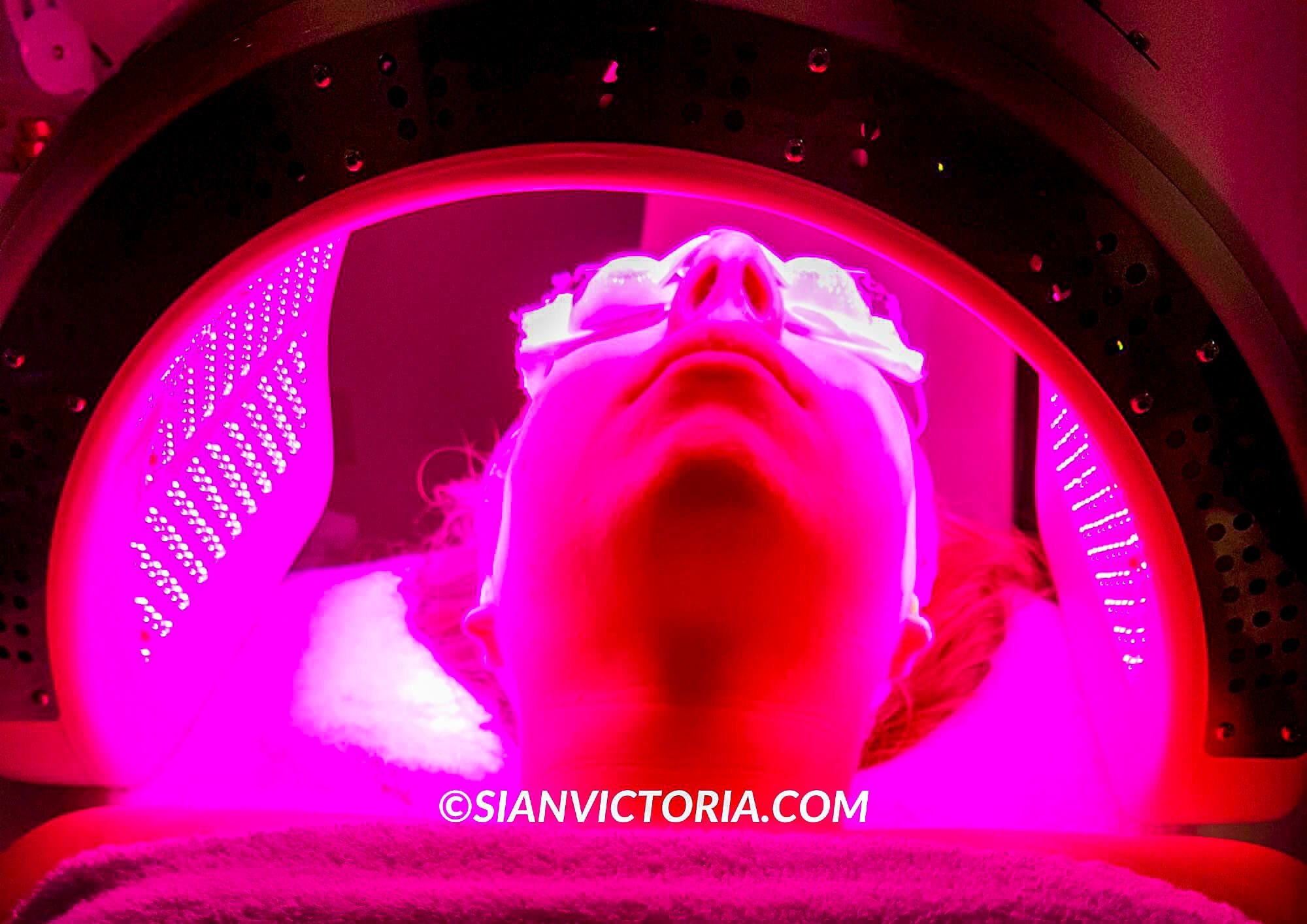
Sian Victoria © - LED light therapy
4. LED Light Therapy
LED light therapy is a simple, non-invasive way to tackle skin issues, especially hormonal cystic acne. Blue light is great at zapping the bacteria that cause acne, helping to keep new breakouts at bay. Red light, on the flip side, helps calm inflammation, boosts collagen production, and supports your skin’s healing.
This treatment is painless and doesn’t require any downtime, so it fits nicely into busy schedules. During the session, a handheld device or light panel beams the right wavelengths onto your skin. It’s all about personalising the treatment, adjusting the intensity and length based on how severe your acne is and how sensitive your skin might be.
LED light therapy works best with regular sessions, so it’s typically part of a bigger acne management plan. You can even combine it with other treatments, like chemical peels or skincare products, for even better results. The gentle approach makes this therapy suitable for everyone, including those like me with sensitive skin. Plus, it’s popular among people who want to avoid irritation or side effects. Although it can take a few weeks to see results, many people find the gradual improvements in skin texture and clarity totally worth it. Sticking to good skincare practices and following professional advice can really help with the overall results, too.

Sian Victoria © - Advanced Environ facial
5. Microdermabrasion
Microdermabrasion is a gentle, non-invasive skin treatment that helps slough off dead skin cells using a special device. It's a great way to get a smoother and more even complexion, especially for anyone struggling with hormonal cystic acne, since it can really help with uneven texture and overall skin appearance. The best part is that it’s safe for sensitive skin since it doesn’t rely on harsh chemicals.
In a session, a clinician will either use a handheld device with a diamond-tipped tip or fine crystals to lightly exfoliate the skin. At the same time, a vacuum feature sucks up the exfoliated particles and any impurities, leaving your skin feeling fresh and clean. The treatment is quick, usually taking about 30 minutes, so it fits well into a busy schedule.
Microdermabrasion can also make other acne treatments more effective by preparing your skin to absorb any creams or serums better afterwards. Some people see an immediate improvement in their skin texture, while others might need a few sessions to really notice the difference.
It’s important to use a broad-spectrum sunscreen for your face afterwards, since your skin can be a bit sensitive to the sun for a while. Getting regular treatments, along with some professional advice, can really make a difference to your skin’s clarity and smoothness.

Sian Victoria © - Electro sonic Environ facial treatment
6. Hydrafacial
The hydrafacial is a trendy treatment that really cleans, exfoliates, and hydrates your skin. It works on various skin issues like hormonal cystic acne. Using a special device, it combines gentle suction with infusing targeted serums to clear out clogged pores and get rid of any impurities. Not only does this help with acne, but it also boosts hydration and improves skin texture.
What makes the hydrafacial unique is that it can extract debris while simultaneously delivering good stuff like antioxidants and hyaluronic acid straight into your skin. Because it’s customisable, the treatment can fit different skin needs, making it great for everything from active breakouts to post-acne concerns.
It’s a totally non-invasive procedure, so you won’t experience discomfort or downtime, which is perfect for anyone wanting effective results without interrupting daily life. Each session is likely to last around 30 to 45 minutes, during which a clinician will carefully work on your skin for a thorough but gentle treatment.
If you’re dealing with hormonal cystic acne, the hydrafacial can be teamed up with other treatments like LED light therapy or chemical peels for even better results. Regular sessions, based on professional advice, can really help keep your skin clear, hydrated, and balanced over time.
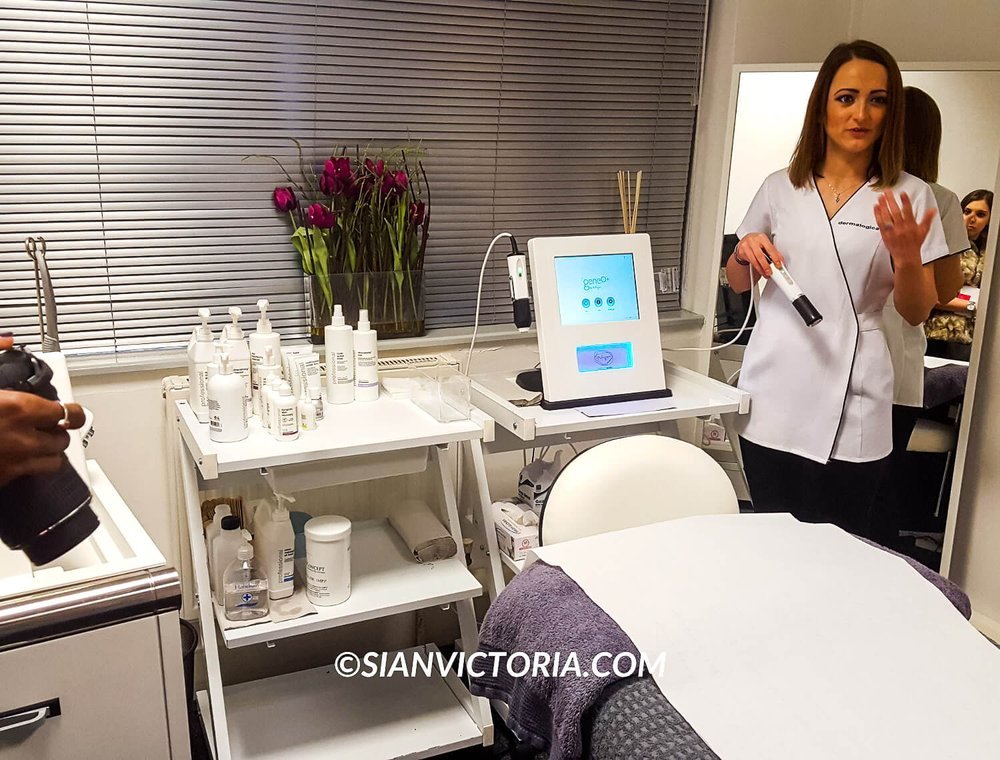
Sian Victoria © - Radiofrequency skin device
7. Radiofrequency Treatment
Radiofrequency treatment uses energy waves to warm up the deeper layers of your skin. This helps kickstart collagen production and gives your skin a nice overall boost in health. This technique is great for tackling issues related to hormonal cystic acne, as it specifically targets the sebaceous glands to help control oil production. Since too much oil can lead to clogged pores and inflamed cysts, reducing it can really help minimise breakouts.
The procedure involves special devices that send controlled radiofrequency energy to your skin. While it does generate some heat, most people find it comfortable, often describing the feeling as warm or tingly. Besides managing acne, radiofrequency can also make your skin firmer and smoother, addressing some of the changes that come from having prolonged or severe acne.
One of the best things about this treatment is that it’s non-invasive, making it a popular choice for those who want something with minimal downtime. After a session, you might notice some slight redness or warmth, but it usually goes away quickly. The treatment is customised for your skin’s needs, with the intensity adjusted to keep it safe and effective.
For the best results, multiple sessions are recommended, as the increase in collagen and skin improvement happen gradually over time. When combined with other acne-focused treatments, radiofrequency can really add to your overall skincare results.

Sian Victoria © - Facial treatment room
8. Ozone Therapy
Ozone therapy is a treatment that involves using ozone gas, a form of oxygen, to harness its beneficial antibacterial and anti-inflammatory properties for the skin. When it comes to treating hormonal cystic acne, ozone therapy is believed to assist in healing by boosting oxygen flow to the skin and targeting acne-causing bacteria. The treatment involves special devices that create ozone, which is either applied directly to the troubled spots or used in ozonated products tailored for specific skin issues.
This therapy may help decrease inflammation linked to deep cystic lesions, making it a good addition to other acne treatments. Some people who have had ozone therapy believe it has boosted their skin’s tone and texture by improving circulation and helping cells renew themselves. The process is usually pretty straightforward and non-invasive, with quick sessions that don’t mess up your daily routine.
Ozone therapy is often teamed up with other effective acne treatments like chemical peels or LED light therapy to supercharge its benefits. This combo can really help in tackling acne since it hits multiple factors that cause breakouts.
9. Cortisone Injections
Cortisone injections are a quick in-clinic solution for dealing with stubborn, inflamed acne cysts. When injecting a small amount of corticosteroid directly into the cyst, this treatment helps to quickly reduce the swelling, redness, and pain. It works by calming the skin's inflammatory response, which can sometimes make cysts last longer than they should.
This method is especially helpful for those deep, painful cysts that don’t improve with creams or need immediate attention. The injection is fast and usually causes only minimal discomfort for most people. You might start to see results within a day or two as the cyst gets smaller and less severe.
Generally, cortisone injections are considered safe and effective, but they should be used carefully to avoid potential issues like skin thinning or discolouration at the injection site. That’s why they’re usually saved for occasional use rather than regular treatments.
These injections can be part of a larger plan for managing acne, especially for those looking for quick relief from sudden breakouts. They can work well alongside other treatments aimed at tackling the root causes of hormonal cystic acne. As with any medical procedure, it’s important to talk to a qualified clinician to make sure it’s the right fit and done correctly.

Sian Victoria © - Ionzyme Environ facial machine
10. Topical Retinoids
Topical retinoids are a great option for dealing with hormonal cystic acne since they tackle the problem right at its source. They help ramp up the speed at which skin cells turn over and stop pores from getting clogged. These vitamin A derivatives are especially effective at reducing new breakouts and improving your skin's overall look. When encouraging the removal of old skin cells, retinoids help keep excess oil and debris from building up, which can lead to inflamed cysts.
You can find retinoids in different forms like creams, gels, or lotions, and they’re usually tailored to fit different skin types and sensitivities. Common choices include tretinoin, adapalene, and tazarotene, with various strengths and effectiveness. If your skin is on the sensitive side, it’s best to start with a lower concentration since retinoids can cause some dryness, redness, or peeling while your skin gets used to them.
For the best results, it’s recommended to apply retinoids during your evening skincare routine, as using this product can make your skin very sensitive to the sun. Pairing them with a moisturiser can help with any dryness, and remember to use sunscreen during the day. Combining retinoids with other treatments, like chemical peels or LED light therapy, can give you even better results. Sticking to a consistent acne skincare routine with regular application can really improve the look of acne-prone skin over time.
11. Antibiotic Treatments
Antibiotics are often used to help manage hormonal cystic acne, especially when bacteria play a role in causing inflammation and those deep, painful spots. They work by reducing the amount of acne-causing bacteria on your skin and calming down the inflammation that comes with breakouts. Depending on how bad your acne is, these can be given as pills or creams.
For more serious or widespread acne, oral antibiotics like doxycycline or lymecycline are usually the go-to. They target bacteria in the skin, helping to cut down on inflammation and stop new breakouts from happening. Doctors typically prescribe them for a short time to lower the risk of antibiotic resistance. On the other hand, topical antibiotics like clindamycin are applied directly to the spots and are often paired with other treatments, like benzoyl peroxide, to improve effectiveness and lower the chances of resistance.
When following an antibiotic treatment plan, it's super important to stick to your doctor's advice to get the best results. Antibiotics are usually part of a bigger acne treatment strategy, which might include things like chemical peels, LED light therapy, or topical retinoids to tackle different causes of acne. Plus, keeping a steady skincare routine and staying away from harsh products is necessary to keep your skin healthy.

Sian Victoria © - Laser skin machine
12. Hormonal Therapies
Hormonal therapies can be a solid choice for tackling the hormonal imbalances that lead to cystic acne. They’re especially helpful for people whose breakouts are tied to hormone changes, like what happens during menstrual cycles, pregnancy, or issues like polycystic ovary syndrome (PCOS). When helping to balance hormone levels, these treatments aim to reduce deep, inflamed spots and cut down on how often breakouts occur.
Oral contraceptives are one of the most common hormonal treatments you'll find at clinics. They work by balancing estrogen and progesterone, which can help keep androgens in check. These hormones can trigger excess oil production. Another option is anti-androgen meds, like spironolactone, which block androgen receptors and lessen the skin's reaction to these hormones.
Typically, these hormonal treatments are combined with other acne-fighting strategies for a more thorough approach. For instance, topical treatments or clinical procedures can be used alongside hormonal therapy to deal with surface issues while the hormonal treatment addresses deeper, internal problems.
Before starting any hormonal therapies, it’s important to have a chat with a qualified professional. They’ll look at your medical history, determine if the treatment is a good fit, and discuss any possible side effects. Regular check-ins are usually recommended to keep track of progress and make any needed tweaks to the plan.
To conclude
Treating hormonal cystic acne usually means taking a well-rounded approach that mixes advanced treatments with some professional help. Skin clinics offer options like laser therapy, chemical peels, and microneedling to tackle both the visible breakouts and the deeper issues causing them. If you're looking for something less invasive, treatments like LED light therapy and hydrafacials can work wonders with little downtime. Plus, for stubborn cases, things like cortisone injections or hormonal therapies might be just what you need.
Sticking to a consistent routine and having a personalised treatment plan is ideal for getting and keeping your skin clear. Consulting with pros helps you figure out the best options based on your skin type, how bad your acne is, and what might be triggering it. When you pair the right treatments with a solid at-home beauty routine, you'll see even better results and maintain healthy skin over time.
Just remember, it can take a while to see progress, and combining different treatments often leads to the best results. With the right support and a commitment to regular care, you can really improve your skin's clarity and manage acne much more effectively. Always check in with qualified clinicians to make sure your treatments are safe and right for your skin.