6 Tips That Helped Me Reduce Hormonal Acne: Before & After
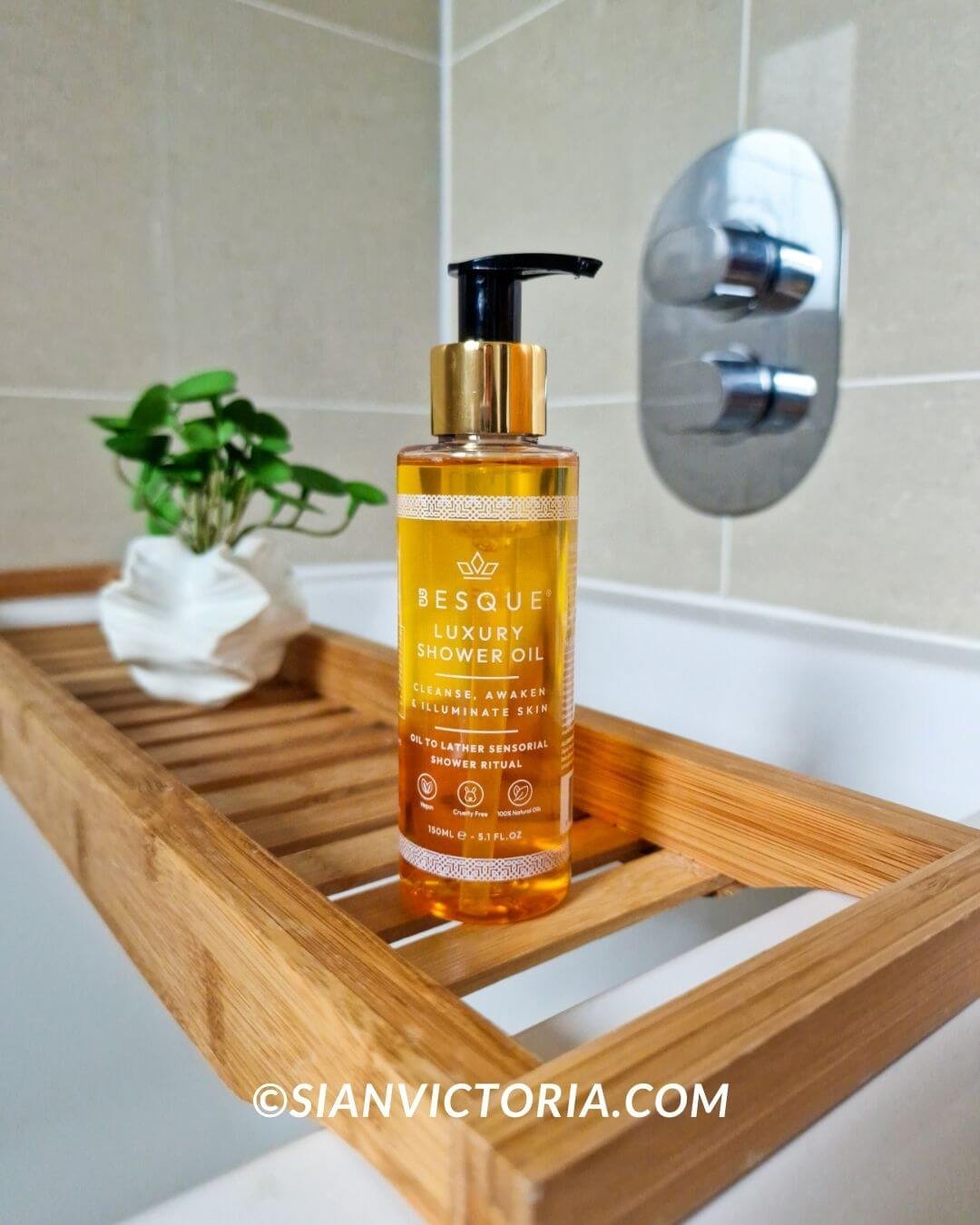
*PR: Gifted iiaa items.
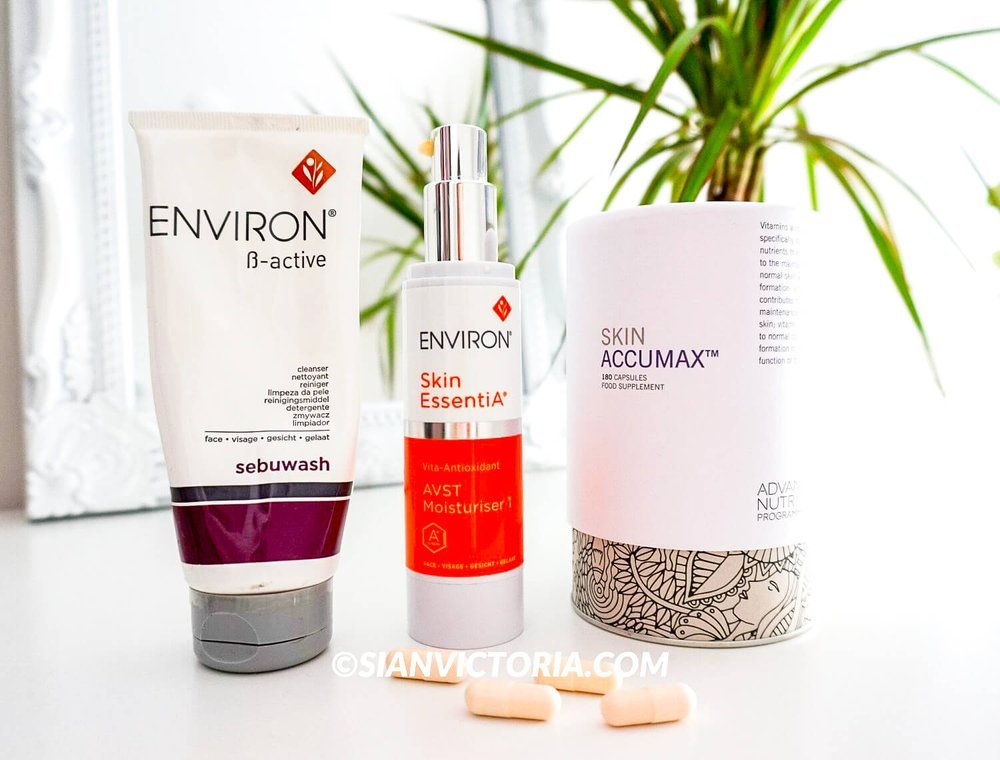
Sian Victoria © - Environ Skincare, Sebuwash salicylic acid face wash, Vitamin A moisturiser & Skin Accumax
How I Got Rid of Hormonal Acne with Skincare & Lifestyle Changes
For years, dealing with hormonal cystic acne was such a struggle. I felt frustrated and self-conscious because it seemed like my skin was always acting out, no matter what I tried, whether it was over-the-counter stuff or natural remedies. Every new product came with big promises, but nothing really worked long-term. The physical effects were rough, but it was the redness, inflammation, and stubborn texture changes that often left me feeling pretty defeated.
I started noticing that my breakouts followed a pattern, especially around certain times of the month, which made me think hormones had a big part to play. However, figuring out solutions felt confusing due to the numerous false product claims circulating. There was so much advice floating around, yet not everything worked for me, and some stuff even made my skin worse.
Eventually, I decided to tackle my problematic skin from different angles, and that’s when I started seeing real improvements. Instead of just focusing on topical treatments, I realised I needed to consider how my internal health, lifestyle, and daily habits were impacting my skin. I was determined to understand the connection between my choices and my skin’s condition, so I committed to making some meaningful changes.
It was definitely a journey of trial and error as I figured out what worked best for me to reduce my oily combination skin. I learned how important it is to find balance, not just in my skincare routine, but also in my diet, stress management, and overall lifestyle. Each small change added up, leading to noticeable improvements in my skin and my confidence.
So, in this post, I’m going to explain step by step how I managed hormonal acne through skincare and lifestyle changes during a 100-day reset challenge. I’ll also share some before-and-after photos I’ve taken at home showing how my skin progressed from July vs. October, as well as images from the Visia skin analysis scanner that highlight the improvements in oiliness, texture, bacteria, sun damage, and redness.

Sian Victoria © - Acne before & after: Left side of face: July vs October
1. Started Taking DIM Supplements
After struggling with hormonal cystic acne for years, I started looking for ways to tackle the root cause of my breakouts. That’s when I stumbled upon DIM supplements. DIM, short for diindolylmethane, comes from veggies like kale, cauliflower, and cabbage. It's known to help with hormone metabolism, which is super helpful for anyone dealing with acne caused by hormonal imbalances.
Adding DIM to my routine felt like a solid way to support my body from the inside out. I chose a reliable, high-quality supplement and started taking it regularly, following the recommended dosage. Over time, I began to see fewer painful, deep spots popping up around my jawline and chin, which are usually linked to hormonal changes. The breakouts that did happen were milder, and they healed faster than before.
What really impressed me about DIM was how it directly targeted one of the main culprits of my acne, which is too much estrogen. So, by helping to balance my hormones, it not only reduced the intensity of my breakouts but also led to more stable, predictable skin. This change allowed me to concentrate on other parts of my skin health without constantly dealing with unexpected flare-ups.
If you don’t fancy taking DIM supplements, an alternative is simply consuming more vitamin A foods, or pairing a vitamin A supplement with cod liver oil. Just bear in mind that consuming too much of this essential vitamin can be toxic, so don’t overdo it. Make sure you use a reliable and high-quality supplement brand and follow their recommended dosage.

Sian Victoria © - VISIA Skin Analysis scanner: Oily Skin: July Vs September
2. Used a Salicylic Acid Facial Wash & Spot Treatment
Adding salicylic acid to my skincare routine made a whole lot of difference to my acne. I picked out a facial wash and a serum that had this effective skincare ingredient to help with my clogged pores and the oiliness that came with my breakouts. Salicylic acid works by exfoliating inside the pores, breaking down all the extra oil and dead skin that can lead to spots. It was especially great for the crowded spots on my face, like my T-zone and chin.
Staying consistent with it was necessary for success. I used the facial wash every day, making sure it was gentle enough not to dry out my skin. For the pesky spots, the spot treatment let me target those active blemishes directly. Over time, I noticed my breakouts were getting smaller and less red, plus I was getting fewer new ones.
What I loved most about salicylic acid was that it tackled the underlying issues of my acne while soothing any irritation. The results weren’t instant, but they were definitely noticeable; my skin felt a lot less congested and looked calmer. Adding this step was simple yet made a big difference in my overall routine, giving me a reliable way to deal with one of the toughest parts of my acne.

Sian Victoria © - VISIA Skin Analysis scanner: Skin Redness: July vs October
3. Applied an AHA and BHA Liquid Exfoliator
Adding a liquid exfoliator with AHA and BHA to my routine was absolutely worth it. These chemical exfoliants really work well together to tackle different skin issues. AHA, or alpha hydroxy acid, focuses on the top layer of my skin, gently breaking down the bonds between dead skin cells. This helps brighten up dull patches and smooth out uneven texture. On the flip side, BHA, or beta hydroxy acid, goes deeper into the pores to clear out excess oil and gunk, making it perfect for acne-prone skin.
I used the liquid exfoliator a few times a week, being careful not to overdo it to avoid any irritation, especially since I have sensitive skin that's thin and prone to redness. Following the instructions was key, and I paid close attention to how my skin reacted. Before long, I started noticing that areas that used to feel rough or congested were improving. This exfoliator kept my pores nice and clear, which cut down on breakouts and made my skin look clearer overall.
I also saw a reduction in post-acne marks, thanks to AHA helping my skin resurface gently over time. The combo of AHA and BHA felt like the perfect solution, tackling surface problems and deeper issues at the same time. I made sure to always wear a facial sunscreen daily to protect my skin since exfoliating can make it a lot more sensitive to UV rays.
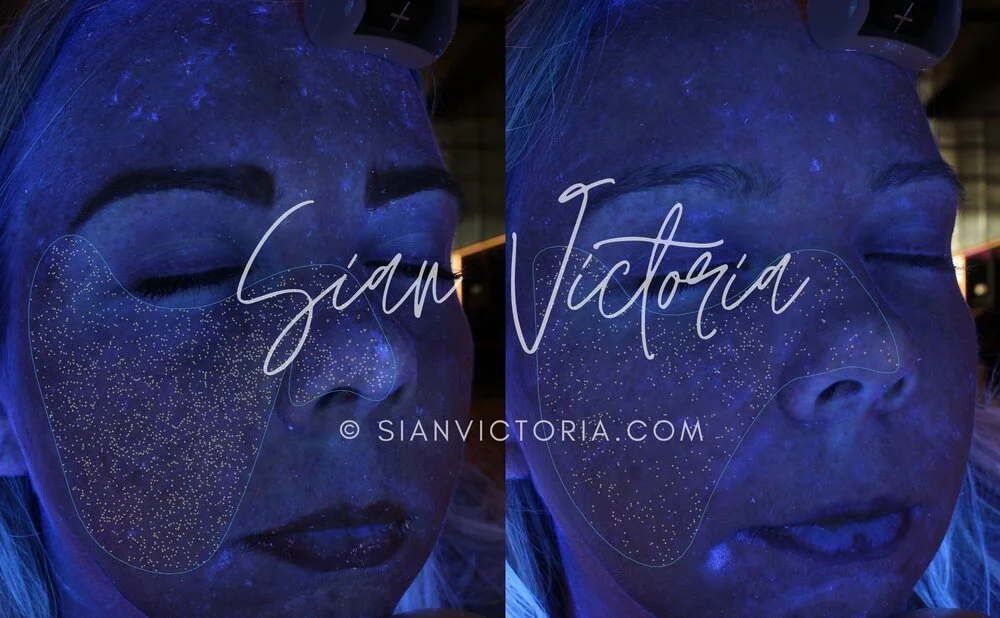
Sian Victoria © - VISIA Skin Analysis scanner: Skin Bacteria: September vs October
4. Nourished Skin with a Vitamin A Moisturiser
I also added a moisturiser with vitamin A into my routine, which really changed the game for my skin. It’s known for promoting cell turnover, which helps renew the skin, smooth out uneven textures, and fade blemishes over time. This made it a must-have in my regimen, especially since I was working on improving both the clarity and overall quality of my skin.
I made sure to pick a moisturiser that blended vitamin A with hydrating and soothing ingredients so I wouldn’t end up with dry or irritated skin. Starting off slowly was important; I began using it every few nights to let my skin get used to it. Gradually, I increased how often I used it, and the results started to show more and more. The moisturiser helped balance my skin, tackling rough patches and helping to even out my skin tone.
One of the biggest perks was how vitamin A improved the areas with post-acne marks. It gently helped fade discolouration, leaving me with a brighter and more uniform complexion. The added hydration was a must-have, too; my skin felt soft and comfortable without that greasy or heavy feeling. As my skin responded well, I realised that this step became a monumental step for keeping up the progress I made with the rest of my routine.

Sian Victoria © - VISIA Skin Analysis scanner: UV Spots: July vs October
5. Drank and Ate Better and Moved More
Changing up my daily habits around food, hydration, and activity really helped improve my skin. I started being more mindful of what I ate, making sure to fill my meals with lots of tasty fruits, colourful veggies, lean proteins, and healthy fats. Saying no to all of the heavily processed foods and sugary stuff helped cut down on the inflammation that triggered my breakouts. I also tried to add foods packed with antioxidants and omega-3 fatty acids, like nuts and blueberries, since they’re known to be beneficial food sources for skin health.
Hydration became super important for me, too. I made it a point to drink more water throughout the day, which really helped keep both my body and skin hydrated. Switching the sugary drinks to healthy alternatives such as water or herbal teas didn’t just boost my energy levels, but I also noticed my skin looked and felt way better.
On top of changing my diet, I ramped up my physical activity. Regular exercise improved my blood circulation, which means more oxygen and nutrients get to my skin. This boost in circulation also helped with detoxing my body naturally, contributing to a healthier-looking complexion. Plus, sweating while exercising and then cleansing afterwards helped keep my pores clear.
These changes weren’t huge; they were more about gradually adjusting my usual routine to something healthier and better for me physically and mentally. While being conscious of what I put into my body and finding time to move around more, I built habits that not only helped my skin but also made me feel better overall.
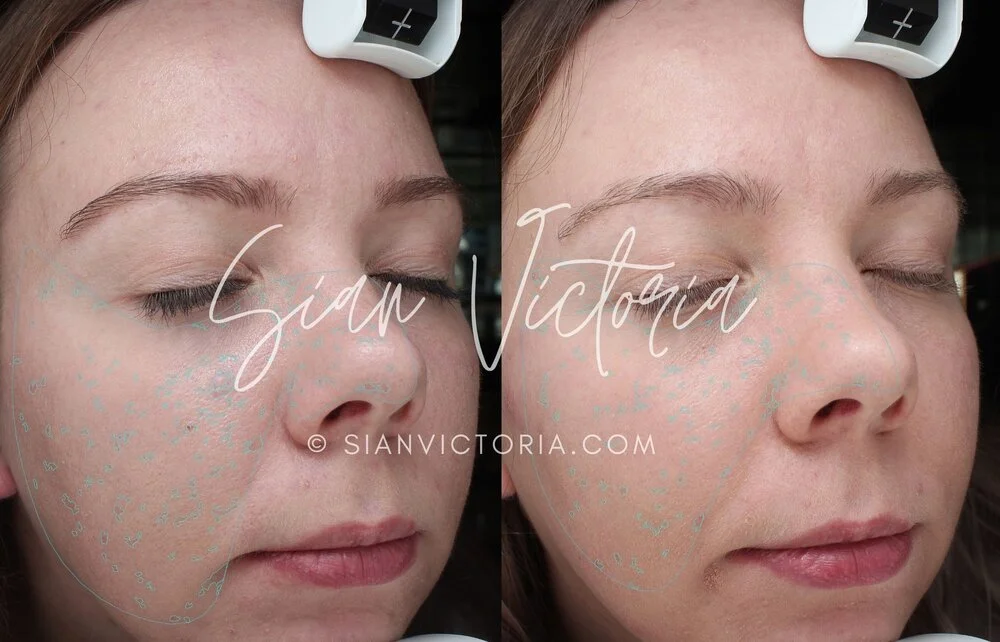
Sian Victoria © - VISIA Skin Analysis scanner: Skin Texture: July vs October
6. Stressed Less and Slept More
Getting a grip on how stress, sleep, and my skin were connected really changed how I tackled my hormonal cystic acne. I noticed that when I was super stressed, my breakouts got way worse, which made me rethink a few things in my life. To keep stress in check, I started doing simple stuff like deep breathing, journaling, and making time for activities that I actually enjoy. These little changes helped me feel more balanced and less stressed out, which turned out to be good for both my mind and my skin. In addition to doing new things to reduce stress, I also considered my existing things, like removing negativity in my life that caused me stress or simply changing how I dealt with them so that they didn't affect my mood as much.
Sleep also became a priority for me, since I've struggled with insomnia for years, and this contributed to high cortisol levels, which can be a major cause of acne. I worked on creating a consistent nighttime routine to make sure I was getting enough rest. This involved cutting down on screen time before bed, setting up a chill atmosphere in my room, and sticking to a regular sleep schedule. Having a solid routine really improved my sleep quality, which definitely showed in how my skin looked and felt. Good sleep gave my body the chance to heal, reducing inflammation and helping clear up any breakouts I had.
I also started paying attention to how my habits impacted my sleep and, in turn, my skin. For example, I cut back on caffeine later in the day and tried to relax in the evenings with calming things like reading or some light stretching. After a while, these changes made me feel more rested and less cranky, which really helped my skin too.
What struck me the most was how connected stress and sleep were when it came to the state of my skin. Fixing one area had a positive effect on the other, creating a nice cycle that led to healthier, clearer skin. Making these changes took some time, but the benefits were totally worth it.

Sian Victoria © - Acne before & after: Right side of face: July vs October
Eviron Skincare Results:100 Day Reset Challenge
The day has finally come for me to share my before and after photos from my #100dayreset challenge with the Institute of Anti-Ageing and my new skincare regimen to beat hormonal acne. Throughout my teens and twenties, my skin has fluctuated, going from smooth and blemish-free to oily, spotty, and congested.
I recently completed three years at university, and during that time, my skin deteriorated further, leading to mild adult hormonal acne that really affected my confidence. On many days, I didn't want to leave the house, fearing that wearing makeup would only worsen the congestion. I also worried about being judged by fellow students and beauty bloggers for the oily, bumpy texture of my makeup.
While I know this perception may have been exaggerated in my mind, it was how I felt, and it caused me to distance myself from others. I shied away from close-up conversations, which is one reason I don’t vlog or appear in my YouTube videos. The thought of having the camera so close to my face, visible to everyone, made me extremely uncomfortable.
If you’ve been following my blog since 2010, you might remember that I started as a fashion blogger in Birmingham, regularly posting selfies and outfit photos. However, as my hormonal acne developed, I stopped sharing those images. I felt increasingly uncomfortable having my photo taken, especially for posting on the internet.
These feelings, combined with my lack of confidence, have significantly impacted both my personal and professional life. I began blogging around the same time as other well-known creators like Zoella, Llymlrs, and The Anna Edit. However, I gradually retreated from showcasing my face online as my skin issues and self-doubt grew. If only I had started the #100dayreset back then, perhaps my blog wouldn’t be so small today—who knows?
To recap, over 100 days ago, I visited Harvey Nichols in Birmingham for a skin analysis and Environ facial. This marked the beginning of my #100dayreset journey. I received Environ Sebuwash, AVST 1 Moisturiser, Skin Accumax Supplements from the Advanced Nutrition Programme, and Jane Iredale skincare makeup. Additionally, I went for purifying skin facials every 30 days. I updated my progress in the previous 100-day reset Eviron Skincare posts. Now, here we are at Day 100, and I’m ready to reveal my unflattering before and after photos taken in July and October.
Since it’s now November, I took some time to gather the courage to publish this post. My skin is finally on its way to recovery, and I genuinely hope this post will help others seeking an effective skincare regimen to combat hormonal acne, congestion, redness, texture issues, sun damage, and excess oil.
To conclude
Dealing with hormonal cystic acne was definitely a journey that required me to really get to know my skin and make some changes, both inside and out. Instead of chasing quick fixes, I focused on building a routine that would bring long-lasting improvements. I tried out different skincare products, cleaned up my diet, and made sure to get enough rest, and all of these changes made a noticeable difference in how my skin looked and felt.
I quickly realised that consistency and patience were key. Nothing happened overnight, but by allowing each step to do its thing, I started seeing some solid progress over time. I also learned it was important to keep things balanced—no piling on a ton of products or creating habits that I couldn’t stick with. Sticking to simple, consistent steps became my go-to strategy, making it easier to maintain those positive changes without feeling overwhelmed.
Plus, getting to grips with my skin’s specific needs helped me find targeted solutions instead of just throwing a bunch of random products at it. For instance, tackling hormonal imbalances with supplements and making thoughtful dietary choices paired nicely with using skincare to manage oiliness and inflammation. This focused approach not only led to fewer breakouts but also improved the overall tone and texture of my skin, making it healthier and more resilient.
I also discovered how much overall well-being affects skin health. Managing stress, staying active, and drinking enough water were just as important as the products I was using. Taking care of my skin turned into a holistic practice, reminding me that what’s happening inside often shows up outside.
Although I faced some challenges along the way, the lessons I picked up have been super valuable. Getting healthier skin was about more than just looking good; it boosted my confidence and helped me feel more in control of my overall wellness. Hopefully, my experience can offer some helpful tips and motivation to anyone on their own skin journey.