How to Reduce Spots, Acne and Oily Skin in 3 Easy Steps
*PR: Gifted skincare products.
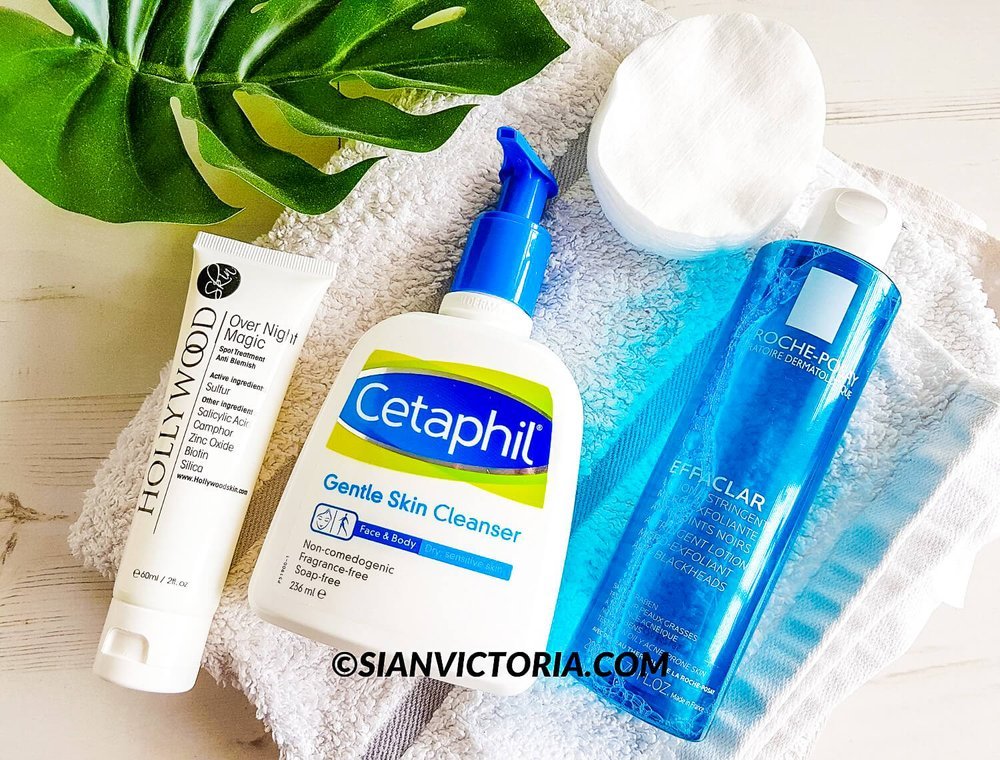
Sian Victoria © - Cetaphil Gentle Skin Cleanser, La Roche-Posay Effaclar Clarifying Lotion
How to Get Rid of Blemishes Fast: Simple 3-Step Routine
Doing the best for your skin is worth it to feel good and look confident. A lot of people like me deal with issues such as breakouts, acne, large pores, a bumpy texture, and oily skin, which can be really annoying and often lead to trying out a bunch of products that just don’t work. But by fine-tuning your skincare routine with the right steps and ingredients, you can see a big change in how your skin appears and feels.
First off, it’s necessary to understand what your skin really needs. Acne and oily skin can come from clogged pores, too much oil, and inflammation. While many products promise to fix these problems, figuring out what really does the trick is essential for creating a routine that works for your skin type.
When you’re putting your routine together, keep it simple and stick to it. Instead of bombarding your skin with lots of products, focus on a few that really target your main concerns. The ingredients you choose really matter, especially for preventing breakouts and managing oiliness. Using well-researched, effective skincare ingredients can lead to noticeable changes over time.
It's also necessary not to go overboard with harsh treatments, as they can strip your skin of natural oils and cause irritation or even more oiliness when your skin tries to compensate. Striking a balance between gentle care and active treatments is key for keeping your skin healthy while addressing issues like spots and blemishes.
Sticking to a consistent routine gives your skin a chance to adjust and take advantage of the products you’re using. With some patience and dedication, small changes can lead to impressive results. Whether it’s the occasional breakout or something more stubborn, combining specific strategies can help you get closer to your skincare goals.
So, in this guide, I’ll suggest three simple steps that have made a huge difference to my skin after years of battling with hormonal acne.
1. Non-Comedogenic Ingredients
Non-comedogenic ingredients are a game-changer if you’re trying to keep breakouts at bay and manage oily skin. Basically, "non-comedogenic" means that a product won’t clog your pores, which is a big deal for anyone dealing with acne or excess oil. Clogged pores can lead to spots and blemishes, so it’s super important to use skincare that won’t make that worse.
Products made with non-comedogenic ingredients usually have a lighter feel and don’t sit heavily on the skin. This lets your skin breathe and helps keep its natural balance while cutting down the chances of irritation and congestion. If you already struggle with oily skin, using heavy or pore-clogging products can make things worse, leading to even more breakouts.
It’s best to know how to spot non-comedogenic ingredients when you're picking out skincare. Many skincare brands say that their products are non-comedogenic, but it’s worth doing some homework yourself, as from experience I’ve found that brands aren't always honest.
Ingredients have comedogenic ratings that show how likely they are to block pores, with ratings from 0 (unlikely to block pores) to 5 (very likely to do so). A good rule of thumb is to go for products with ingredients rated between 0 and 2 if you’re prone to acne or extra oiliness.
Some examples of non-comedogenic ingredients include aloe vera, which helps hydrate without being too heavy, and glycerin, which pulls moisture into the skin while staying light. Hyaluronic acid is another awesome option since it gives intense hydration without blocking your pores.
Oils like the skin-loving argan oil and rosehip oil are wonderful for your skin, especially if you get them in their purest form, as they are usually safe for your skin because they won't clog your pores, which makes them awesome for anyone into natural and sustainable skincare products. Just remember, not all oils are the same when it comes to pore-clogging potential, so it’s a good idea to look up their ratings too.
When you’re shopping for skincare, look for products that say they’re non-comedogenic on the label. But even if it doesn’t have that label, understanding the ingredients can really help you figure out what's best for your skin. If you’re ever unsure about an ingredient, a quick search can give you the comedogenic rating you need. Plus, introducing new products slowly and watching how your skin reacts can help you identify any problem ingredients.
Using non-comedogenic products can really help clear up your skin while keeping your skin barrier safe. It makes it a lot easier to maintain a healthy and balanced complexion over time. Being mindful of what you use can be a great first step in targeting skin issues and building a routine that really works for your skin's needs.
2. Liquid Exfoliants
Liquid exfoliants are a great way to refresh your skin by tackling issues like clogged pores, excess oil, and dead skin buildup. Unlike those scrubs that can be harsh and cause tiny tears in your skin, liquid exfoliants work their magic on a chemical level. They break down the bonds holding onto dead skin cells, making it easier for them to come off naturally. This makes them way gentler and more effective if you want to boost your skin's smoothness and brightness.
One of the cool things about liquid exfoliants is that they can penetrate deeper into the skin compared to regular scrubs. This is especially great for people dealing with acne and blackheads since they help clear out clogged pores more efficiently. While removing trapped dirt, oil, and debris, these liquid exfoliants not only help prevent new breakouts but also work to fade existing blemishes over time.
The magic ingredients in these liquid exfoliants are their active components. AHAs, like glycolic and lactic acid, are water-loving acids that focus on shedding the surface of your skin. They’re awesome for evening out skin tone, brightening your complexion, and smoothing out fine lines.
On the flip side, BHAs, like salicylic acid, can cut through oil, which makes them perfect for tackling deeper issues in your pores. This means they’re great for oily and acne-prone skin because they deal with surface problems while keeping excess oil under control.
Some liquid exfoliants also come with polyhydroxy acids (PHAs), which are gentler for those with sensitive skin. PHAs work similarly to AHAs but with less irritation, so they’re a solid choice if you want to exfoliate without worrying about redness or discomfort.
Using a liquid exfoliant can also help your skin absorb other skincare products better. When getting rid of that dead skin layer, serums and moisturisers can penetrate deeper, making sure those active ingredients really do their thing.
To get the best results from liquid exfoliants, it’s important to use them the right way. Overdoing it can lead to irritation, so it’s best to start by using them once to three times a week, depending on how your skin responds. Apply the product after cleansing and before any serums or moisturisers, giving it a chance to really soak in before moving on. And don’t forget, since liquid exfoliants can make your skin get a bit more sensitive to the sun, it’s smart to slather on some facial sunscreen during the day to keep it safe.

Sian Victoria © - Cetaphil Gentle Skin Cleanser
3. Facial Serums for Acne and Oil Control
Facial serums are all about packing a powerful punch of active ingredients for your skin, making them super effective at dealing with acne and excess oil. What makes serums stand out from other skincare products is their lightweight feel, which helps them soak in deeper and target specific issues way better. If you're struggling with breakouts or oily skin, picking the right serum with some proven ingredients can really improve your skincare game.
- Salicylic Acid
Salicylic acid is a great go-to for battling acne and managing oiliness. This oil-loving beta hydroxy acid (BHA) sinks into the pores to break down sebum and dead skin cells, which can clog things up and lead to blemishes. It's great for clearing out pores and cutting down on blackheads and whiteheads. Plus, serums with salicylic acid can help calm down redness and inflammation, making them awesome for irritated, acne-prone skin.
- Azelaic Acid
Then there’s azelaic acid, which is great for reducing excess oil, zapping acne-causing bacteria, and evening out skin tone. It's especially friendly for sensitive skin because it calms things down without causing too much irritation, like some stronger acids might. If you use a serum with azelaic acid regularly, you’ll likely see improvements in post-acne marks and get a more balanced complexion.
- Niacinamide
Niacinamide also deserves a shout-out. This ingredient is great at regulating oil production and boosting your skin’s barrier. It’s got anti-inflammatory perks too, helping to lessen the look of active breakouts. Niacinamide plays nice with other active ingredients, making it a versatile pick for your routine.
- Retinol
If you’re having a bunch of skin problems, retinol is a solid choice. It’s mainly known for anti-ageing, but it’s also awesome for smoothing out texture, fading dark spots, and keeping oiliness in check. Retinol boosts cell turnover, which helps clear out pores and reduce acne scars. Just bear in mind, it can be pretty strong, so it’s smart to start with a little bit and use a moisturiser to avoid that dryness.
- Hyaluronic Acid
Don’t overlook hydrating ingredients like hyaluronic acid! These are often found in serums for oily or acne-prone skin to keep you hydrated without clogging your pores. If you've got oily skin like me, it still needs some moisture to stay in check. So, mixing hydrating ingredients with active ones like salicylic acid or niacinamide can really step up your skincare to make a noticeable difference.
When picking serums that match your skin's needs and using them regularly, you can improve your skin's health and deal with annoying issues like acne and excess oil.
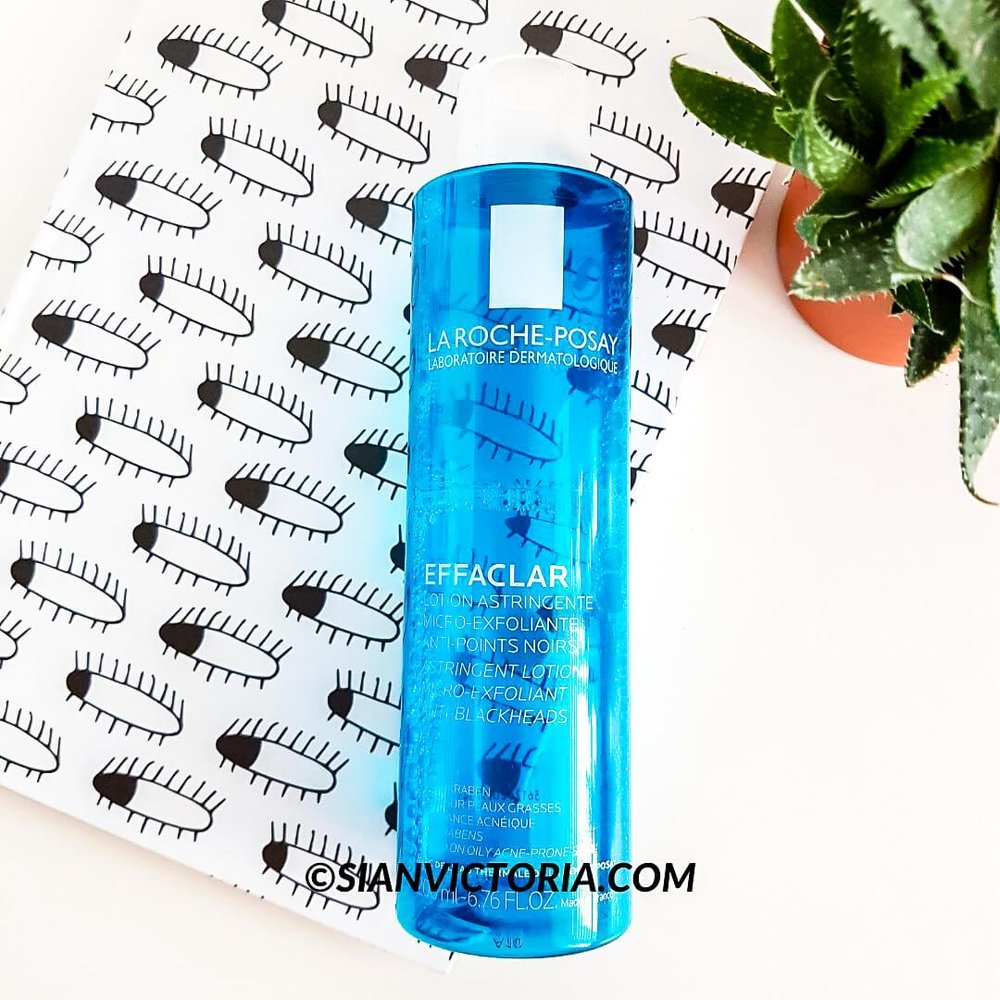
Sian Victoria © - La Roche-Posay Effaclar Clarifying Lotion
3 Step Skincare Routine for Acne, Textured, & Oily Skin
I've dealt with moderate acne during my 20s, which is funny because my skin was pretty decent in my teens, just the occasional angry spot around that time of the month. Now that I’m 26, though, I’m fighting off painful cystic acne on my cheeks and forehead, especially around my jawline and chin, which is classic hormonal acne. My sister, who's 29, still struggles with cystic acne too, so we're always on the lookout for beauty products specifically meant for oily and acne-prone skin.
When HelloSkin reached out to me to try out three complimentary products from their online store, I was excited to find out that they categorise their products under four common skin issues: Acne, Dry Skin, Eczema, and Psoriasis. This made it super easy to browse through about 30 products that would actually work for me without having to wade through a bunch of stuff that wouldn’t.
To narrow it down, I checked out the ‘Symptoms’ list for Comedones and oily skin, which gave me a selection of the best products to tackle my issues. I chose three items I hadn’t tried before, based on customer reviews and the good things I’ve read from other beauty bloggers.
Review: Cetaphil Gentle Skin Cleanser
I've been wanting to try the Cetaphil Gentle Skin Cleanser for a while now because I've seen so many good things about it. Since it's suitable for sensitive and dry skin, I figured it would be worth a shot since my skin can get flaky and red with harsh products.
One big plus for me is that Cetaphil's ingredients are non-comedogenic, so they won’t clog my pores, which is super important for my skin type.
The consistency is a semi-clear liquid that doesn’t really lather up, which often means it doesn't contain SLS which is certainly a benefit for you skin, since sulphates aren't skin-friendly and should be avoided. I usually double cleanse every morning and night to make sure I’m getting rid of all my makeup. But even after two washes with this cleanser, my face still didn’t feel completely clean, especially after a whole day of makeup, oil, and dirt. I found myself having to use micellar water first to really get everything off.
On the flip side, when I use Clinique liquid facial soap, it lathers nicely and takes off all my makeup in just two washes without needing micellar water. So, for my nighttime routine, I've stuck with my usual Clinique since it does a great job, even if it leaves my skin a bit dry. For mornings, I go with Cetaphil since it doesn’t dry my skin out. This combo has been working pretty well for me, and my skin feels less tight and sensitive.
As for acne, Cetaphil has been alright. I haven’t noticed any new blackheads, which is good, and I’ve only had a few small blemishes here and there. But during that time of the month, it hasn't really helped with my hormonal breakouts. Overall, I like the Cetaphil cleanser. It rinses off clean and doesn't leave a residue, so I believe it doesn’t clog my pores like some other products can.
Review: La Roche-Posay Effaclar Clarifying Lotion
Lately, I’ve been really into the Clinique Clarifying Lotion 3. It’s a toner that also works as a micro-exfoliant, and it does a great job at getting rid of flaky skin. But since my skin is sensitive, it can sometimes sting a bit, which makes me wonder if it’s a little too harsh for me. So when I found the La Roche-Posay Effaclar Clarifying Lotion, which is way cheaper and claims to do the same thing, I just had to try it.
This lotion has lipo-hydroxy acid (LHA), which is known for fighting acne, and it claims to get rid of oil, unclog pores, and smooth out your skin by taking off the dry, flaky stuff. I've mentioned before that I'm not a fan of creamy scrubs like apricot ones because they can cause micro-tears in your skin. I prefer exfoliating lotions like these as they're way better at getting rid of dead skin cells, they help close up your pores after cleansing, and they prep your skin for moisturiser.
In the end, I’m a fan of both. The La Roche-Posay Effaclar Clarifying Lotion doesn’t sting my skin, so it’s perfect for sensitive types like me, and it’s also a lot cheaper. It might be just a tad less effective than the Clinique one, which is pricier and does sting a little, but I think it’s worth it to save some bucks and avoid irritating my skin. So, I’m sticking with the La Roche-Posay for now.

Sian Victoria © - Hollywood Overnight Magic spot treatment
Review: Hollywood Overnight Magic
So, the last product I tried was the Hollywood Overnight Magic treatment gel. I chose this acne gel because it has Salicylic Acid, Sulfur, and Biotin, which are all known to help fight spots. Plus, it claims to pump oxygen into your pores to clear out the sebum and reduce blemishes in just an hour. I was curious to give it a shot since I had never heard of Hollywood Skin before. A bit of research on Amazon led me to some pretty ‘amazing’ and ‘magical’ reviews.
Being a marketing grad, I can’t help but be a bit sceptical about all those wild claims that brands make about their products. Still, I felt hopeful since my skin cleared up completely last year when I went swimming in the hot sulfur springs in Santorini (although it did ruin my favourite bikini!).
When the Hollywood Overnight Magic gel arrived, I immediately started applying it to my stubborn spots, expecting them to be magically reduced in an hour. But to my disappointment, they were still there the next day, looking just as angry as before. I’ve tried it a couple more times on less angry spots, but no luck—the results are still the same. It’s a bummer because the claims sounded perfect for my skin type. Honestly, I don’t think it’s worth the £24.99 price tag. I’m glad I got it for free from HelloSkin, but I know everyone’s skin is different, so what doesn't work for me might work for someone else.
To conclude
Getting clearer, healthier skin doesn’t have to be complicated. It’s all about making some smart tweaks using the right products. Start with non-comedogenic formulas, add a liquid exfoliant, and include a serum with active ingredients. This way, you’re tackling the root causes of spots, acne, and oily skin.
Non-comedogenic products are super helpful because they won’t clog your pores, making them a solid base for your skincare routine focused on breakouts. Liquid exfoliants gently yet effectively slough off dead skin cells and clear out pores, letting other products perform better while improving your skin's texture. Plus, serums designed for acne-prone or oily skin help target specific issues, soothe inflammation, regulate oil production, and keep more breakouts at bay.
Sticking to your routine is key. Quick fixes might sound tempting, but consistency with the right products will bring real results. It’s smart to add new products slowly and pay attention to how your skin reacts to keep irritation at bay. Make sure to slap on some facial sunscreen every day to keep your skin safe, especially when using active ingredients like exfoliants or retinoids, which can make your skin a lot more sensitive to the sun.
While it’s easy to get excited and try a bunch of new products at once, it’s better to stick to these three steps. This way, your skin can adjust without feeling overwhelmed. Finding that balance with pore-friendly ingredients, gentle exfoliation, and targeted treatments helps tackle existing issues while keeping your skin’s barrier healthy.
Be patient; real changes take time. Your skin renews itself over weeks, so give your routine a chance to show results. Taking things slow and steady not only makes it easier to manage with healthier skin but also makes it easier to figure out which products work best for you.
Taking time to understand what your skin really needs and tailoring your routine accordingly is a great long-term investment. With a focus on simplicity and effectiveness, you can build a skincare routine that meshes with your skin, boosting your confidence and clarity over time.