6 Ways to Boost Your Skin Wellbeing: Care Tips for Sensitive Skin
*Product bought by me
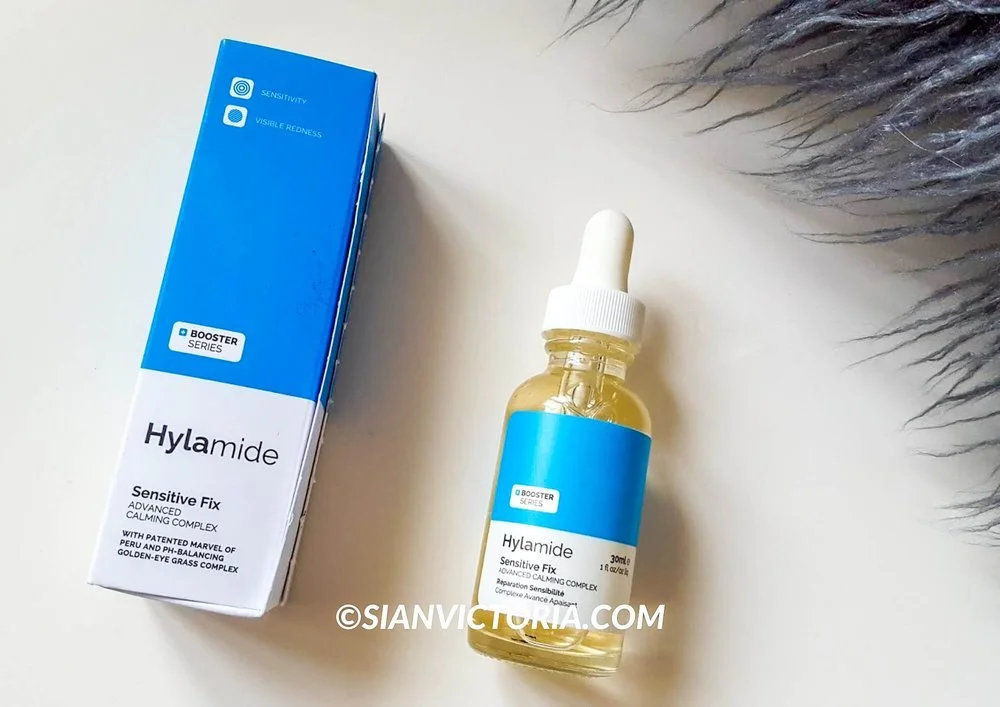
Sian Victoria © - Hylamide Booster Sensitive Fix Serum
How to Calm Sensitive Skin From the Inside Out: Prevent Flare Up
Living with sensitive skin can be quite daunting since it is the largest organ in our body, making it susceptible to irritation from internal and external factors. Therefore, it is essential to exercise caution while selecting products to apply or consume as they can cause a reaction.
Several factors contribute to skin health, including diet, hydration, stress, and the use of skincare products. Nevertheless, with the right attention and care, sensitive skin can be managed effectively, leading to improved overall well-being. As someone who experiences this common skin issue, I’ll be sharing the difficulties of sensitive skin and uncovering proven tips for its care.
Sensitive Skin: What is it and Why is it Delicate?
The defining features of sensitive skin include redness, itchiness, burning, and occasional dryness, all of which are often caused by specific irritants such as strong chemicals, potent fragrances, diverse weather conditions, or certain food types. The main cause of heightened sensitivity lies in the weakened skin barrier, which acts as a fundamental shield against environmental aggressors and potential allergens.
Unfortunately, compromised skin can make even harmless triggers problematic. To effectively manage sensitive skin, the first step is to identify individual triggers and create a personalised sensitive skincare routine that caters to your skin's unique needs. Continue reading to equip yourself with knowledge and face the world of sensitive skin with newfound confidence.
1. The Essential Role of Hydration in Sensitive Skin Care
For your skin to thrive, it needs ample hydration, just like a flourishing meadow requires plenty of rainfall. When your skin lacks hydration, it can lead to sensitivity, discomfort, and a dry appearance. While drinking water is essential for overall health, it may not be enough for your skin's hydration needs. This is where topical hydration comes into play, acting as a lifesaver in a desert. Moisturising products create a barrier of moisture, shielding your skin from dryness.
When selecting moisturisers, it is crucial to consider the needs of your sensitive skin. Opt for hypoallergenic and fragrance-free products to prevent exposure to common irritants. These gentle products soothe and revitalise your skin without causing any disturbance. It's like a gentle rain shower on a hot day that calms and revitalises your skin.
Choosing the right moisturiser can turn hydration from a chore into a luxurious and calming ritual. Your skin will look forward to the nourishing care, radiating health and vitality. Always remember that sensitive skin requires gentle products, just as delicate flowers need protection from harsh winds. Don't just rely on internal hydration; make topical hydration a part of your skincare routine to ensure that your skin is well-nourished and thriving.
2. Why Your Diet Matters in Caring for Sensitive Skin
The choices you make with your food consumption can either calm your skin or provoke irritation. Introducing omega-3 fatty acid-rich foods, like salmon and flaxseed, can strengthen your skin's barrier, acting as a robust shield against irritants. Additionally, consuming foods that are packed with antioxidants, such as avocado, berries, and leafy greens like kale, can provide a protective layer against harmful free radicals. These foods act as the superheroes of your dietary regimen, to defend your skin.
When deciding what to eat, strive to incorporate fresh, whole foods as much as possible. Processed foods tend to contain additives and chemicals that may potentially irritate sensitive skin. Therefore, it is essential to feed your body the purest, most nourishing foods. However, it is not just about what you eat; it is also about what you avoid. Some individuals may find their skin reacts negatively to certain food groups, such as dairy or gluten. Thus, it is vital to monitor your skin's behaviour and correlate it with your diet.
So, the next time you sit down for a meal, keep in mind that every bite you take can be a step towards healthier skin. Your diet is not only a source of fuel for your body, but also a tool for skincare. Choose your food wisely, eat mindfully, and allow your diet to transform into your skin's best ally.
3. The Impact of Stress on Sensitive Skin and How to Manage It
Just like a gust of wind can disrupt the tranquillity of a sea, stress can stir up a storm on your delicate skin. This devious culprit triggers a cascade of hormones, including cortisol, that exacerbates inflammation and compromises your skin's barrier, making it vulnerable to irritants. Consider stress as a mischievous pixie that is always lurking in the shadows, waiting to wreak havoc on your skin's peace. To outsmart this troublemaker, it's crucial to adopt effective stress management strategies.
Regular physical activity is an excellent way to combat stress and promote overall well-being, keeping your skin calm and balanced. Adequate sleep is equally important, acting as a night-time elixir that rejuvenates your skin and prepares it for a new day.
Incorporating mindfulness and relaxation techniques into your routine is also beneficial, offering a variety of stress-relieving tools such as meditation, deep breathing, and yoga. These techniques act as a harmony toolkit that you can turn to whenever stress tries to disrupt your skin's peace, helping you restore balance and composure.
It's crucial to remember that your skin reflects your inner peace, and a calm mind can lead to serene skin. So, don't let stress take the reins, take control, and manage it effectively to prevent a sensitive skin flare-up.
4. Choosing the Right Skincare Products for Sensitive Skin
When it comes to taking care of your skin, the sheer number of skincare products on the market can be overwhelming, especially if you have sensitive skin. However, the key is to educate yourself on what to look for and what to avoid.
One essential practice is to read the ingredients list carefully. This can help you understand what you are putting on your skin and identify potential irritants. For sensitive skin, it is best to opt for products with a simple and minimalistic ingredient list that contains natural and gentle ingredients. This can reduce the likelihood of skin irritation.
Sensitive skin also tends to respond well to hypoallergenic products that are labelled non-comedogenic to avoid blocking pores. Ingredients such as ceramides and niacinamide are particularly helpful for restoring the skin's barrier and reducing inflammation. Hyaluronic acid is also a favourite for its hydration properties, leaving your skin feeling nourished and refreshed.
However, it is crucial to avoid sulphates, harsh chemicals, strong fragrances, parabens, and alcohol that can aggravate sensitive skin. If you come across these ingredients on the product label, it is best to return the product to the shelf.
It is important to remember that a product's potency does not necessarily reflect its effectiveness and milder, gentler products may be more suitable for sensitive skin. In addition, how you apply the product matters too. Start with a small amount and gradually increase the frequency of use if your skin responds positively.
Before introducing any new product to your routine, remember to patch-test it first. Apply a small amount to your wrist or behind your ear and wait for 24 hours. If your skin reacts negatively, it is best to avoid using it. However, if your skin stays calm and composed, it could be a keeper.
5. Consider a Skin Examination
Regularly observing your skin is essential in keeping its sensitivity under control. Treat it like a routine skincare check-up, by conducting this self-examination, you can detect any changes, identify potential irritants, and gauge your skin's overall health. Like a skilled detective, it's your job to carefully examine every inch of your skin for any abnormalities, alterations, or signs of discomfort.
This allows you to establish a deeper relationship with your skin and understand its preferences and overall well-being. However, if any concerning symptoms persist, it's crucial to seek professional advice from a dermatologist. These experts can help you decode the messages your skin is sending you. Regular examinations aren't just part of your skincare routine; they're an act of care and maintenance that helps to maintain calmness in your sensitive skin.
6. Sun Protection for Sensitive Skin
Imagine the sun as a relentless opponent, armed with an arsenal of invisible ultraviolet rays that can cause a plethora of complications, from mild sunburn to serious skin concerns like premature skin ageing and skin cancer. This can be particularly harmful to those with sensitive skin, making sun protection a necessary part of any skincare routine.
Your first line of defence should always be a broad-spectrum sunscreen that can shield your skin from both UVA and UVB rays, providing comprehensive protection. When selecting a sunscreen, opt for products with a minimum sun protection factor (SPF) of 30. The higher the SPF, the better the protection. To avoid skin irritation, look out for products labelled non-comedogenic and fragrance-free.
Remember, applying sunscreen isn't just about a thin layer; it must be liberal and frequent, especially when swimming or sweating excessively. Beyond sunscreen, adopting additional sun-protective habits such as wearing wide-brimmed hats, UV-blocking sunglasses, and clothing made of sun-protective fabric can provide additional protection from the sun's rays.
Additionally, timing is key, as the sun's rays are most potent between 10 a.m. and 4 p.m. During these hours, it's best to seek shade whenever possible. However, if you do need to be outside, ensure that you're well-covered with sun protection.
Review: Hylamide Booster Sensitive Fix Serum
As someone with sensitive, oily, and acne-prone skin, I am very careful about the beauty products I use. I am always on the lookout for calming, vegan, and cruelty-free skincare options to avoid irritating my skin. After washing my face, my skin can become quite red and take a while to calm down. Hence, I was recommended the Hylamide Booster Sensitive Fix Serum by a relative who had great success with it.
This serum is specially formulated to address the roots of sensitivity and visible skin redness. It counteracts the skin's PH imbalance in the immediate and short term, which reduces the signs and feelings of sensitivity. The pump applicator allows for easy application to the areas that need it the most.
Having used the product for some time, I have noticed an improvement in my skin's sensitivity and redness. The serum is light on the skin, and only a few drops are needed as it goes a long way. I gently massage it into my face in a circular motion, giving it time to settle before applying my usual products.
Overall, I highly recommend the Hylamide Booster Sensitive Fix Serum to anyone who struggles with sensitive skin. It is a gentle, effective, and affordable solution that makes a difference and soothes the skin.
To conclude
By knowing the specific requirements of your skin, choosing the right foods, minimising stress, selecting suitable skincare products, conducting frequent skin inspections, and maintaining cautious sun protection, you can promote calmness and improve the happiness of your sensitive skin. Always remember that your skin is as individualistic as you are, and taking care of it needs a tailored approach.